Can Dogs Have Baby Food? What Every Owner Should Know
Can dogs have baby food safely, or is it a hidden health risk? The answer depends entirely on the specific ingredients listed on the jar. Many varieties contain toxic additives that pose serious dangers to pets.
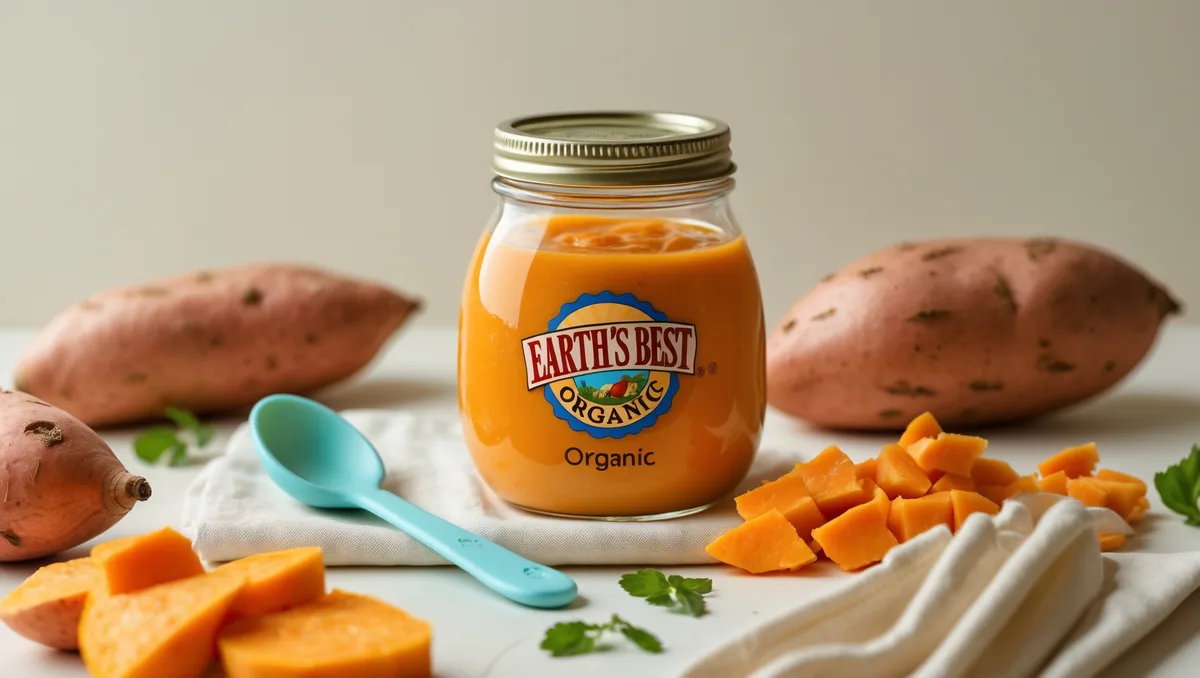
Image source: Bing (Web (fair-use with source credit))
Per ASPCA toxicity data, even small amounts of onion powder can trigger hemolytic anemia in canines. We will break down exactly which labels are safe and which require immediate avoidance to protect your pet.
Quick Answer
Dogs can eat plain single-ingredient baby food safely. Avoid any jar containing onion or garlic powder. Never feed varieties sweetened with xylitol or birch sugar.
Baby food should only be an occasional treat or medical aid. Always check labels before serving to prevent accidental toxicity.
Hidden Dangers: Onion, Garlic, Xylitol, and Sodium Risks
Savory baby foods frequently contain Allium species derivatives that are highly toxic to dogs. These compounds cause oxidative damage to red blood cells leading to hemolytic anemia. Symptoms like weakness, pale gums, or dark urine may not appear for several days after ingestion.
You must treat any exposure as a potential medical emergency requiring veterinary assessment.
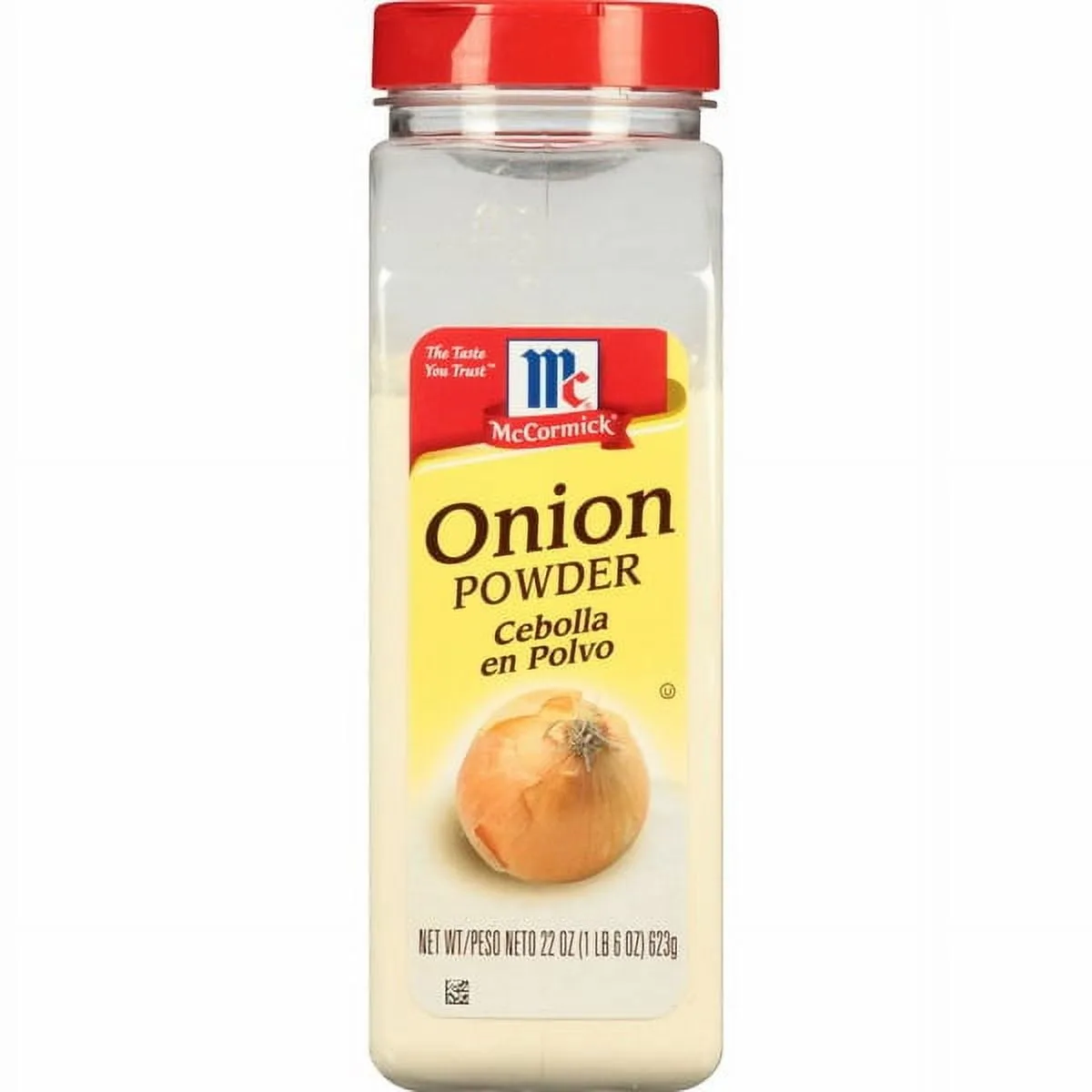
Image source: Web (Bing) / walmart.com (Web image (fair-use with source credit))
Xylitol presents another severe hazard in some fruit or yogurt blends. This sugar substitute triggers rapid insulin release causing hypoglycemia and acute liver failure in canines. Toxicity can occur at doses as low as 0.1 grams per kilogram of body weight.
Even “sugar-free” or “diet” labeled products demand extreme scrutiny before offering them to pets.
Excessive sodium is a quieter but significant concern for many commercial jars. Infant palates differ from canine needs, and manufacturers often add salt for flavor enhancement. High sodium intake strains kidneys and exacerbates cardiac conditions in older animals.
Dogs with heart disease or renal issues should avoid processed human foods entirely due to these hidden mineral loads.
Added sugars and fruit juice concentrates also disrupt canine digestive balance over time. While not acutely toxic like xylitol, chronic sugar exposure contributes to obesity and dental disease. Pancreatitis risk increases significantly when high-fat meat blends combine with simple carbohydrates.
Stick to plain vegetable or fruit purees without sweeteners to minimize metabolic stress.
Safe vs. Unsafe Varieties: Reading Labels Like a Veterinary Nutritionist
Identifying safe options requires ignoring front-label marketing claims completely. Terms like “natural,” “organic,” or “homestyle” do not guarantee safety for pets. Only the ingredient list reveals whether a product contains harmful additives or spices.
Single-ingredient Stage 1 purees are generally the safest category for occasional canine consumption.
| Ingredient Type | Safety Status | Common Examples |
|---|---|---|
| Plain Pumpkin | Safe | 100% pure pumpkin puree |
| Sweet Potato | Safe | Steamed and mashed only |
| Green Beans | Safe | No added salt or sauce |
| Carrots | Safe | Plain steamed puree |
| Chicken/Turkey | Caution | Must lack onion/garlic/broth |
| Beef Dinner | Unsafe | Often contains onion powder |
| Fruit Blends | Variable | Check for xylitol/grapes |
| Yogurt Melts | Unsafe | Frequently contain xylitol |
Meat-based jars require the highest level of vigilance during label review. Manufacturers routinely use onion or garlic powder as savory flavor enhancers in beef, chicken, and turkey dinners. Broth bases in these products also frequently contain concentrated Allium extracts.
If you cannot verify the absence of these toxins, choose a plain vegetable alternative instead.
Fruit varieties seem safer but still carry specific risks worth noting. Grapes and raisins are nephrotoxic to dogs and must never be fed in any form. Citrus-heavy blends can cause gastrointestinal upset due to high acidity levels.
Always opt for simple fruits like banana, apple, or pear without added juices or sweeteners.
Grain-based infant cereals are typically safe but nutritionally unnecessary for most dogs. They provide empty calories without species-appropriate protein or fat ratios. Use them only as a bland diet binder during acute stomach upset episodes.
For regular feeding, fresh homemade options offer superior nutritional value and ingredient transparency.
Medical Use Cases: Medication Masking, Senior Dogs, and Recovery Feeding
Baby food serves as an effective pill pocket alternative for medication administration. Its strong scent and smooth texture mask bitter tastes better than many commercial treats. Veterinary professionals often recommend it for dogs refusing oral antibiotics or supplements.
Just ensure the chosen flavor is free from toxic additives before mixing in medication.
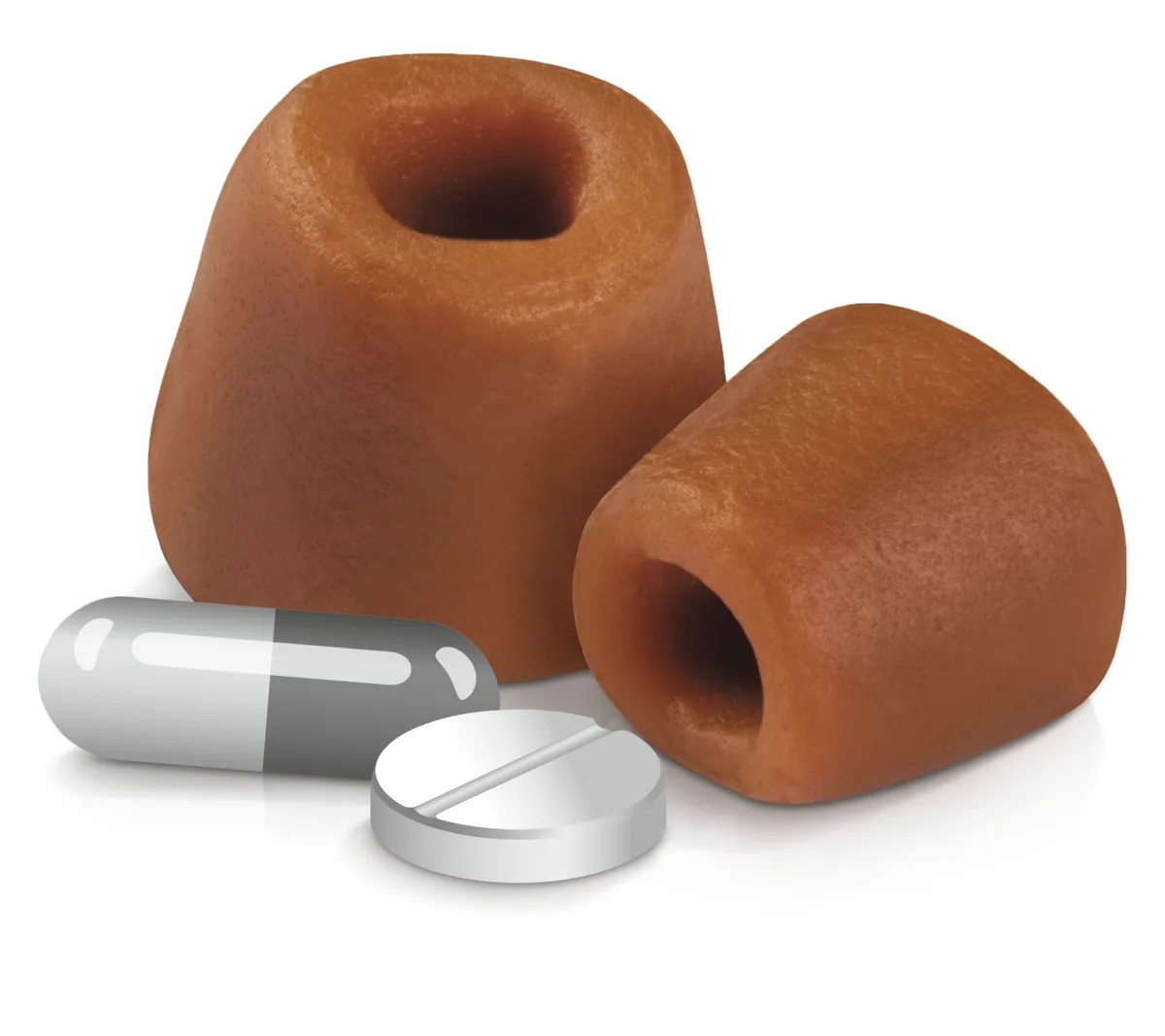
Image source: Bing (Web (fair-use with source credit))
Senior dogs with dental disease benefit significantly from soft pureed textures. Tooth loss or gum pain makes kibble difficult or impossible to chew comfortably. A spoonful of safe baby food can stimulate appetite when regular meals are refused.
This temporary support helps maintain caloric intake while awaiting dental treatment or pain management.
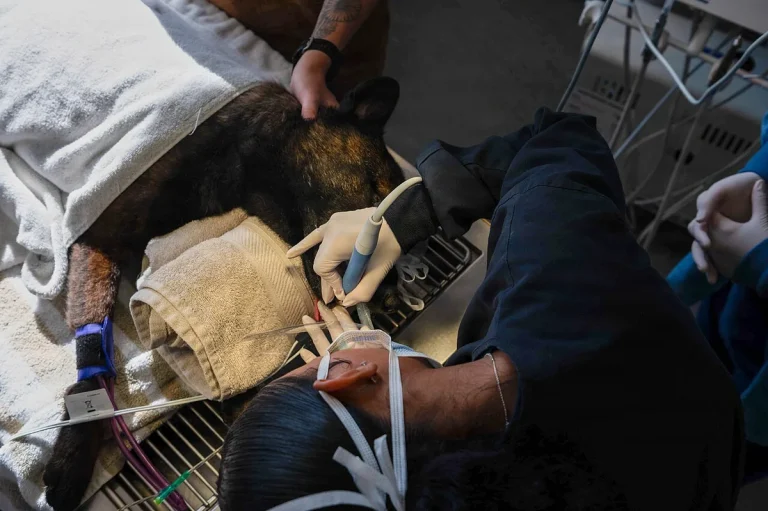
Post-operative recovery often requires highly palatable enteral nutrition support. Dogs emerging from anesthesia may reject their normal diet due to nausea or stress. The intense aroma of meat-based baby food can override this aversion effectively.
Warming the puree to body temperature further enhances its scent profile and acceptance rate.
Palliative care patients frequently rely on baby food for quality-of-life feeding. Terminal illness often suppresses appetite long before other symptoms become severe. Offering small amounts of safe puree provides comfort and hydration when full meals fail.
This compassionate approach prioritizes patient welfare over strict nutritional completeness during end-stage care.
Weaning puppies transitioning to solids can also utilize Stage 1 purees temporarily. The familiar texture bridges the gap between milk and solid food gently. Mix it with puppy-specific gruel rather than using it as a standalone meal.
Remember that infant food lacks the calcium and taurine levels growing puppies require for proper development.
How to Safely Introduce Baby Food Without Causing GI Upset
Start with a tiny amount to test individual tolerance first. Offer just half a teaspoon for small dogs or one teaspoon for larger breeds. Wait 48 hours to monitor for vomiting, diarrhea, or allergic reactions.
This cautious introduction prevents severe gastrointestinal distress from sudden dietary changes.
Calculate portions strictly as a treat rather than a meal component. Baby food should never exceed 10% of total daily caloric intake for healthy adults. Exceeding this limit creates nutritional imbalances and displaces essential nutrients from balanced dog food.
Use a kitchen scale for accuracy since jar sizes and caloric densities vary widely.
Storage hygiene matters because opened jars spoil faster than many owners realize. Refrigerate immediately after opening and discard any unused portion after 48 hours. Bacterial growth in pureed foods occurs rapidly at room temperature.
Always use a clean spoon for each serving to avoid cross-contamination from saliva or previous meals.
Mixing baby food with properly stored wet food can improve acceptance during transitions. Stir thoroughly to distribute the novel flavor evenly throughout the familiar base. Gradually reduce the baby food ratio over several days as appetite returns.
This tapering strategy prevents dependency on human food for meal motivation.
Monitor stool consistency closely during the entire introduction period. Loose stools indicate the new food disagrees with your dog’s digestive system. Discontinue use immediately if any adverse signs appear and consult your veterinarian.
Some dogs simply cannot tolerate certain fruits or vegetables regardless of their general safety profile.
Better Alternatives for Long-Term Canine Nutrition
Commercial veterinary recovery diets offer superior nutritional balance compared to infant purees. Products like Hill’s a/d or Royal Canin Recovery are formulated specifically for canine convalescence. They provide complete nutrition with appropriate protein, fat, and micronutrient ratios.
These therapeutic foods eliminate the guesswork and risk associated with repurposing human products.
Plain canned pumpkin serves as a safer fiber source for digestive support. Ensure you select 100% pure pumpkin rather than pie filling mixtures. It aids both constipation and mild diarrhea without added sugars or spices.
This single-ingredient option is widely available and inexpensive for regular pantry stocking.
Homemade bland diets allow full control over ingredients and preparation methods. Boiled chicken breast with white rice remains the gold standard for gastrointestinal upset. You can adjust texture by adding water or bone broth for easier swallowing.
Our guide on preparing fresh chicken meals details proper cooking ratios and storage safety.
Bone broth made specifically for dogs provides hydration and palatability safely. Unlike human stocks, pet-safe versions exclude onions, garlic, and excess sodium. The gelatin content supports joint health and gut lining repair during recovery.
Warm it slightly before serving to maximize aromatic appeal for reluctant eaters.
Prescription hydrolyzed protein diets address food sensitivities that baby food cannot manage. These formulas break proteins into molecules too small to trigger immune responses. They serve as diagnostic tools for identifying adverse food reactions accurately.
Relying on random infant purees delays proper diagnosis and prolongs uncomfortable symptoms unnecessarily.
For senior dogs needing soft textures long-term, specialized senior formulations exist. These kibble or wet options meet aging nutritional requirements while being easy to chew. They contain targeted supplements for cognitive function, joint mobility, and organ health.
Baby food simply cannot replicate this complex nutritional architecture designed for geriatric physiology.
Common Questions About Feeding Dogs Baby Food
Is Stage 3 baby food safe for dogs?
Stage 3 varieties often contain unsafe spice blends and chunky textures. The added seasonings frequently include onion or garlic powder derivatives. Larger pieces also pose choking hazards for dogs unaccustomed to chewing solids.
Stick to smooth Stage 1 single-ingredient purees for reliable safety.
Can puppies eat baby food during weaning?
Puppies can use plain purees briefly as a transitional food only. Infant formula lacks essential calcium, phosphorus, and taurine for skeletal development. Mix small amounts with puppy-specific gruel or soaked kibble instead.
Always prioritize species-appropriate starter diets for proper growth and organ maturation.
How much baby food can I give my dog daily?
Limit servings to less than 10% of total daily caloric intake. For a 20-pound dog, this equals roughly one tablespoon maximum per day. Exceeding this threshold creates nutritional deficiencies and displaces balanced meals.
Treat it as a supplement or medication vehicle, never a dietary staple.
What should I do if my dog eats toxic baby food?
Contact your veterinarian or Pet Poison Helpline immediately after suspected ingestion. Do not induce vomiting unless directed by a professional. Note the exact product name, amount consumed, and time since exposure.
Early intervention significantly improves outcomes for Allium or xylitol toxicity cases.
Are organic baby foods safer for dogs?
Organic certification does not guarantee freedom from toxic ingredients like onion powder. Pesticide-free status is irrelevant to acute canine toxicity risks. You must still scrutinize every ingredient list regardless of farming practices.
Safety depends entirely on formulation, not agricultural methodology or marketing claims.
Can diabetic dogs have fruit-based baby food?
Fruit purees typically contain high sugar levels unsuitable for glycemic control. Even unsweetened varieties concentrate natural fructose beyond safe limits for diabetics. Consult your veterinarian before offering any carbohydrate-dense treats.
Prescription diabetic diets and approved low-glycemic alternatives provide safer reward options.