How long to withhold food after dog vomits
If your dog just threw up on the rug, you're dealing with two problems: the mess, and the worry. You want to know how long to withhold food after dog vomits so you can help their stomach settle without making things worse.
Here's the practical guideline. Most healthy adult dogs can handle an 8 to 12 hour fast safely. But that's not a universal rule.
Puppies, senior dogs, and dogs with chronic health conditions have different needs. As of 2026, veterinary guidance stresses a "shorter fast, closer watch" approach over the old 24-hour wait-and-see.
Image source: Web (Bing) / ar.inspiredpencil.com (Web image (fair-use with source credit))
Why This Answer Matters More Than a "One-Size-Fits-All" Guideline
A blanket "withhold food for 24 hours" rule is outdated and can be genuinely risky for some dogs. Vomiting is a symptom, not a disease. Why your dog got sick matters just as much as how long they should go without food.
Per American Veterinary Medical Association guidance, the first priority is ruling out serious conditions like foreign body blockages, pancreatitis, or exposure to toxins. If something like that is behind the vomiting, fasting does nothing to help and can delay critical treatment.
You also need to consider your dog's size, age, and medical history. A 10-week-old puppy can crash from low blood sugar after a long fast. A 12-year-old Yorkie can become dangerously dehydrated.
The right timeframe depends on the dog standing in front of you.
That's why this guide exists. Instead of a one-size-fits-all answer, you'll get a straight decision-making process for your specific situation, including when to skip home care entirely and head to the vet.
The Quick Answer: How Long to Withhold Food After a Dog Vomits
Most healthy adult dogs can wait 8 to 12 hours before their next meal. Puppies under six months should not go longer than 4 to 6 hours. Senior dogs and dogs with known health conditions need a vet's input before fasting.
Offer small sips of water during any fast. A dehydrated dog feels worse and recovers slower.
| Dog's Profile | Safe Fasting Window | Water Access | Next Step |
|---|---|---|---|
| Healthy adult (1–6 yrs) | 8–12 hours | Small, frequent sips | Bland diet |
| Puppy (< 6 months) | 4–6 hours unless vet says otherwise | Small, frequent sips | Call vet if vomiting persists |
| Senior (7+ yrs) | 6–8 hours ideally, confirm with vet | Small, frequent sips | Monitor closely |
| Chronic condition (diabetes, kidney, etc.) | Do not fast without vet approval | Small, frequent sips | Vet consult first |
Once the fast window is up, you don't jump straight back to regular kibble. You start with a bland diet. Plain boiled chicken breast and white rice work well for most dogs.
Just a small portion, about a quarter of their normal meal size, to test the waters.
First, Rule Out the Red Flags: When to Skip Fasting and Call the Vet Immediately
Fasting is only safe for a dog who's alert, hydrated, and vomited once or twice without other symptoms. Vomiting can be a symptom of a medical emergency, and waiting to see if things pass can cost precious time.
Call your vet right now if your dog shows any of these red flags:
- Repeated vomiting: Three or more separate episodes in 24 hours.
- Blood in the vomit: Bright red streaks or dark, coffee-ground-like material.
- Non-productive retching: Dry heaves with nothing coming up. This is a classic GDV sign (bloat) in large, deep-chested dogs.
- Abdominal pain: Whining, panting, or refusing to let you touch their belly.
- Lethargy: Dull eyes, weak, unresponsive, or unable to stand.
- Suspected toxin ingestion: Chocolate, grapes, xylitol, onions, or human medications.
- Fever or pale gums: Check their gums; they should be pink, not white, gray, or bright red.
If you see any of these signs, don't fast your dog. Call a veterinarian immediately. If it's after hours, find an emergency vet clinic.
When in doubt, a phone call to a vet is always the right call. They can tell you if your dog needs to be seen or if home monitoring is safe.
A quick conversation might also save you a trip, or it might save your dog's life. Don't skip this step just because your dog seems "okay" between episodes. Dogs hide pain incredibly well.
If they're vomiting repeatedly, something is actively wrong. Dogs with chronic GI issues can deteriorate faster than healthy dogs, so stay vigilant.
How Fasting Actually Works: What "Resting" the Stomach Means
Fasting isn't a punishment and it isn't a cure. It's a management tool. Giving the stomach a break allows the digestive tract to empty completely and reduces the physical urge to vomit.
When a dog eats, their stomach stretches and triggers digestive contractions. If the stomach is already irritated, those contractions can trigger the vomit reflex. Removing food eliminates that trigger.
Water is different. Most dogs need access to water even when they're fasting. Dehydration is a far bigger risk than skipping a meal for a few hours.
Offer a small amount of water every 30 to 60 minutes when they're actively sick. If they keep that down, you can increase the amount slowly over the fasting period.
It's called "resting the stomach" because you're pausing the digestive workload. The GI tract doesn't need to churn through new food. It can focus its energy on calming inflammation, rebalancing gut flora, and preparing for a gentle reintroduction of food.
Veterinary specialists at Cornell University College of Veterinary Medicine emphasize that hydration support matters more than the exact hour count during this phase.
If your dog is producing bile (yellow, foamy vomit) late in the fasting period, that's a sign the empty stomach itself is causing nausea. Don't extend the fast. Move to the bland diet phase instead.
A completely empty stomach can actually make some dogs more nauseated, so know when to call it.
Risk Factors That Change the Fasting Timeline
Fasting is safe for a healthy adult dog with a simple upset stomach. It's less safe for dogs who have lower energy reserves, immature organs, or a chronic illness.
Here's how different risk factors change the fasting rules.
Puppies Under Six Months
Their blood sugar regulation is still maturing. A 6-hour fast can lead to hypoglycemia, which causes weakness, tremors, and even seizures. Don't fast a puppy without explicit vet guidance.
Offer a small, bland meal sooner instead.
Senior Dogs
Older dogs dehydrate faster and recover slower. They also lose muscle mass more quickly when protein intake is paused. A shorter 6 to 8 hour fast is a safer target for them, and only if they're acting otherwise normal.
Dogs with Chronic Conditions
Diabetes, kidney disease, and Cushing's disease all change how the body handles missed meals. For a diabetic dog, skipping food can cause dangerously low blood sugar. For a dog with chronic kidney issues, dehydration and electrolyte shifts are a major concern.
Never fast these dogs without contacting your vet first.
Breed Predispositions
Large, deep-chested breeds like Great Danes, German Shepherds, and Golden Retrievers have a higher risk of GDV (bloat). If your dog's stomach looks distended and they're trying to vomit but nothing's coming up, that's a 911 emergency, not a fasting case.
Dogs with a History of Pancreatitis
Fat is a huge trigger for pancreatitis flare-ups. Vomiting can be the first sign of a flare. Fasting is sometimes used short-term in the hospital, but home management requires extreme caution.
Aggressively withholding food can stall their recovery. If your dog has had acid reflux flare-ups or pancreatitis before, choose a low-fat bland diet and keep portions tiny.
Let's summarize the safe approach to fasting in adult dogs in a quick decision table:
| Risk Level | Example Profile | Fasting Guideline |
|---|---|---|
| Low | Healthy adult, one recent vomit after scoffing grass | 8-12 hours fast, then bland diet |
| Moderate | Active senior 7+, one vomit, still alert | 6-8 hours fast, watch hydration |
| High | Puppy (<6 months) vomiting twice | No home fast; call vet |
| Emergency | Deep-chested breed retching dry | No food, immediate ER |
If your dog fits into the moderate, high, or emergency categories, get professional advice before you start withholding anything. A quick call to the vet can tell you whether you're safe to manage things at home or whether you need to pack the carrier. It's the single best way to choose the right fasting timeline for your dog's specific health situation.
Remember, the goal is a fast recovery without a complication. Fasting is a tool, not a treatment plan. When you understand what it does and where the limits are, you can handle the situation with a clear head and a calmer dog.
The Safe Withholding Process: Step-by-Step
Step 1: Assess and Time the Episode
Write down what came up. Was it whole food, foam, bile, or fluid? When did it happen?
Has your dog vomited once or repeatedly? Can you rule out access to garbage, toxics, or foreign objects?
Note how your dog looks and acts right after. Are they perking up and wagging their tail? Or are they hiding under the table with their tail tucked?
These details matter. A vet is much more likely to reassure you over the phone if you can describe the situation clearly.
Also, mentally flag any underlying health conditions your dog has before you begin the fast. Dogs with sensitive stomachs or known food allergies need more careful management than healthy dogs, so keep that in mind from step one.
Step 2: Remove the Food, Keep Water Smart
Take the food bowl away right away. Leaving it out means your dog may eat when their stomach is still throwing up. This creates a vicious cycle.
Water stays. But don't let your dog gulp a whole bowl at once. Offer small amounts, about a quarter cup for a medium dog, every 30 to 60 minutes.
If they keep that down, great. If they vomit water too, then you should check on that animal's hydration more closely.
Step 3: Monitor Closely Through the Fasting Window
The fast is the easy part. The monitoring is where you earn your keep.
Check your dog every couple of hours through that 8 to 12 hour window. Notice whether they're acting normal, sleeping quietly, or showing signs of restlessness. Watch for repeated vomiting, loose stools, or a tummy that looks swollen.
Write it all down.
Step 4: Know When to Break the Fast
Here's your simple rule: if your dog has gone at least 8 hours without another vomiting episode and seems comfortable, break the fast with a small bland meal.
If your dog is still nauseous after 12 hours, don't push on. It's time to call the vet. At this stage, home management is no longer working.
Your dog may need an injectable anti-nausea medication to break the cycle. Dogs who remain nauseous after a full day risk dehydration and electrolytes, so get professional help.
What to Feed When You Reintroduce Food (And When to Start)
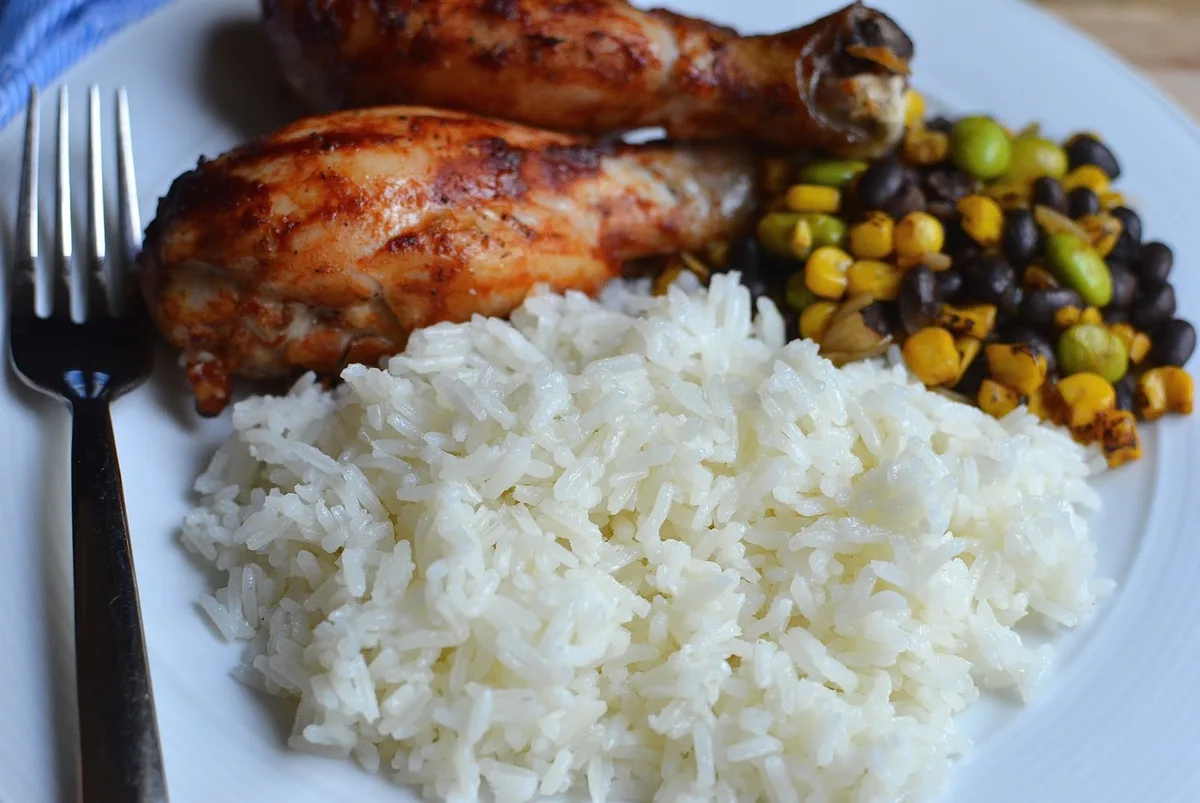
Image source: Web (Bing) / storage.googleapis.com (Web image (fair-use with source credit))
When the fast window closes, that's exactly when reintroducing food matters. You don't become a chef here. You become a strict, boring cook.
The gold standard is plain boiled chicken breast, skinless and unseasoned, with plain white rice. No oil, no butter, no salt. Boiled sweet potato or plain canned pumpkin work as alternate carbohydrate sources.
Keep it simple.
Start with a portion about a quarter to a third of your dog's normal meal size. A typical adult lab might get half a cup of rice with a third cup of shredded chicken. A small breed might get two tablespoons of each.
Err on the smaller side. You can always feed more in a couple of hours.
Offer smaller meals more often. Three to four small meals a day is better than two regular-sized ones. This keeps pressure off the stomach while still giving the digestive system something to work with.
If your dog keeps that down without issues for 24 hours, start transitioning back to their regular adult food. Mix 75% bland diet with 25% regular kibble for a day. Then go 50/50.
Then 25/75. After two to three days, they should be back on their normal food without drama.
Mistakes Dog Owners Make When Withholding Food
One quick trip to a dog forum makes this list easy to write. The internet has some strong opinions about fasting dogs.
Fasting for a full 24 hours. Unless a vet told you to, skip this. Most dogs don't need it and many feel worse for it. The 8 to 12 hour window is more effective for a standard upset stomach.
Withholding water. This is a dangerous move. Dogs lose fluid when they vomit. They need access to water to replace what's lost.
Just avoid letting them gulp huge amounts too fast.
Feeding dairy as a "bland" food. Cottage cheese and plain yogurt aren't terrible for every dog, but they can be for most upset ones. Dairy is hard to digest and contains fat, which can trigger pancreatic issues. Stick with chicken and rice.
Refeeding too much, too fast. The stomach has been resting for hours. Piling in a full meal overwhelms it and often leads straight back to vomiting. Slow and small wins this race.
Giving human medications. Pepto-Bismol, Tums, or omeprazole may be safe in some cases, but they can be dangerous in others. NSAIDs like ibuprofen are toxic to dogs. Always clear any medication with a vet first.
Confusing regurgitation with vomiting. A dog who gulped water too fast may spit it back up immediately. That's not the same as vomiting. Regurgitation is passive and involves undigested food or liquids coming up without heaving.
If you're seeing active abdominal contractions, that's vomiting and needs the fasting protocol.
Real Scenarios: What Each Recovery Looks Like
Scenario 1: Adult Dog with Simple Dietary Indiscretion
A two-year-old Lab sneaks half a pizza from the counter. He vomits twice over the following hour, then stops. He's alert, playful, and sniffing around the kitchen.
This is the classic simple case.
Fast for 10 hours. Offer water in small amounts. By evening, he gets a small bowl of chicken and rice.
He eats it quickly and keeps it down. The next morning, he's back to normal. No vet visit needed.
Scenario 2: Puppy Vomiting After a Vaccine
A four-month-old puppy throws up once about five hours after her booster shot. She's sleepy but responsive and drinking water. Vaccines can cause temporary GI upset, but her immune system is still maturing.
Skip the prolonged fast. Give a small bland meal after 5 to 6 hours. Watch her energy and appetite closely.
If she continues vomiting or turns lethargic, call the vet. A puppy that young can worsen quickly, so trust your gut.
Scenario 3: Senior Dog with Chronic Kidney Disease Vomits Once
A 12-year-old Shih Tzu with kidney disease vomits once in the morning. She's drinking water and wagging her tail, but she's also on a special prescription diet. Her kidneys matter more than an upset stomach.
Don't fast her. Call the vet immediately. They may recommend a quick blood test or a mild anti-nausea medication.
Her regular food should resume on their schedule. Fasting this type of dog can create more problems than it solves.
Scenario 4: The Dog Whose Vomiting Returns After Fasting
A three-year-old Beagle vomits twice, fasts for 10 hours, and then throws up the chicken and rice within an hour. This points to something bigger than a simple stomach ache. It could be a partial obstruction, parasites, or early-stage pancreatitis.
Don't fast again. Call the vet for an appointment. Dogs who fail a bland diet reintroduction need diagnostic work, not more time.
Continuing to fast only delays the real issue.
When to See the Vet: Your Decision Guide
Here's a practical breakdown. When you're unsure, match your dog's situation to these categories.
| Urgency Level | Signs to Look For | Your Move |
|---|---|---|
| Wait and watch | One or two vomits, alert, drinking, no blood | Fast 8–12 hours, then bland food |
| Call your vet | Vomiting 3+ times, refuses water, vomiting returns after bland food | Get same-day advice or an appointment |
| Emergency room | Blood in vomit, dry heaving with a swollen belly, collapse, severe lethargy | Go now, do not wait |
A phone call costs five minutes. It can save you a pointless fast or catch something acute early. When the vet gives you a timeline that differs from "standard", listen to them.
They know your dog's medical history better than any general guideline.
Common Questions, Straight Answers
Should I withhold water too?
No. Hydration is always a priority. Offer small amounts frequently.
If your dog can't keep water down for more than a few hours, call the vet.
How long until I see improvement?
Most dogs with simple upset stomachs show improvement within 12 hours of starting the fast. If you don't see that, or things get worse, check with a vet.
Is chicken and rice enough for long-term feeding?
No. It's a short-term bridge, not a balanced diet. Keep your dog on the bland food for just two to three days.
Then transition back to their normal diet. If GI issues persist beyond that, a vet needs to get involved.
My dog vomited once but is acting fine. Do I still need to fast?
For most healthy adult dogs, a single episode without other symptoms can be managed with a short fast. But pay attention to what caused it. If they ate something suspicious like a sock or a toxic food, call your vet and skip the wait-and-see approach.
What if my dog is throwing up yellow liquid?
Yellow liquid is usually bile. It means an empty stomach and can actually be caused by waiting too long between meals. If this happens late in a fast and your dog is otherwise fine, go ahead and offer a small bland meal.
The Bottom Line: Your Safe At-Home Plan
When your dog vomits, follow this simple sequence. Check for red flags. Fast for 8 to 12 hours if they're a healthy adult.
Stop fasting sooner for puppies and seniors. Keep water available at all times. Reintroduce food slowly with a plain chicken and rice mix.
Monitor closely. If anything changes, call the vet.
Trust your instincts. You know your dog better than any standard rule. If something feels wrong, it probably is.
A single vet call could give you full peace of mind or catch a problem early, and that's always worth it.
Frequently Asked Questions
How many times can a dog vomit before I call the vet?
Three or more separate episodes in 24 hours means it's time to call. A single episode in an otherwise healthy, alert adult dog usually isn't an emergency, but repeated vomiting can quickly lead to dehydration. If your dog is also lethargic, refusing water, or has a painful belly, call immediately.
Can I ever fast my dog for 24 hours?
Only under direct veterinary instruction. The old-school 24-hour fast is no longer recommended as a blanket rule for the average dog. Most healthy adults feel better with an 8 to 12 hour break.
Longer fasts risk dehydration and blood sugar issues, especially in puppies, seniors, and dogs with chronic conditions.
What happens if my dog won't eat after the fasting period?
Loss of appetite can linger for a day. That's normal for some dogs. But if your dog refuses the bland diet entirely, throws up again, or shows no interest in food after 24 hours post-fast, call the vet.
Prolonged appetite loss can signal an underlying issue that needs medical attention.
Should I offer a probiotic after my dog vomits?
Probiotics can help restore healthy gut bacteria after a bout of gastroenteritis or dietary indiscretion. Many veterinary nutritionists recommend starting a probiotic once vomiting has stopped and food is staying down. Just check with your vet first, especially if your dog has a compromised immune system or a chronic illness.
Can I give my dog plain cooked rice alone after vomiting?
Rice alone works for some dogs, but the chicken adds a little protein, which helps recovery. If your dog has a very sensitive stomach, rice-only for the first meal is fine. For most dogs, a small mix of both gets better results.
Keep it plain, with no salt, oil, or seasoning.
How do I know my dog's stomach has settled?
The clearest sign is your dog can eat a small bland meal and keep it down. Good supporting signs include drinking water normally, acting comfortable, and showing interest in food again. Don't rush the transition back to regular kibble too quickly.
Stick with the bland diet for two to three full days to give the stomach proper time to heal.
If symptoms return, go back to the fasting step and call your vet.
### The Bottom Line: Your Safe At-Home Plan
A single vomiting episode doesn't always mean an emergency. Start with a simple check: what came up, how many times, and how your dog is behaving right now. If they're alert and keeping water down, a short fast followed by a bland diet is the smart move for most healthy adults.
The real skill is knowing when to pivot. Puppies, seniors, and dogs with chronic conditions all need shorter fasts or vet input. If vomiting resumes after food, or you see blood, lethargy, or a swollen belly, skip the home plan and call for help.
Trust your judgment. You're the one reading the signals all day. A quick call to the vet clears the doubt and keeps your dog on the safe path to normal meals again.
Keep a pouch of plain chicken breast and white rice in the freezer for moments like these. It costs next to nothing and saves you a panicked mid-week scramble. And when you're ever unsure, remember the simplest rule of all: a dog who keeps food down and acts like themselves is on the right track.
Everything else is just support.
And if you ever find yourself guessing, that's the signal to pick up the phone. A five-minute call beats a sleepless night wondering. Your dog's health is never a gamble worth taking.
Keep this guide handy for the next time it happens, because there will probably be a next time. Dogs are curious, messy, and occasionally self-destructive. The best you can do is stay calm, follow the process, and lean on your vet when in doubt.
That's what being a good dog parent looks like.
You've got this. Your dog counts on you to make the call when it matters, to stay calm when things get messy, and to know when a little patience is enough. Follow the fasting rules, keep water flowing, and don't be shy about ringing the vet.
That simple routine is the best medicine a worried dog parent can offer.
Quick Reference: The 8-Hour Rule in One Table
| Scenario | Fast? | Wait Time |
|---|---|---|
| Healthy adult, one vomit | Yes | 8–12 hours |
| Puppy under 6 months | No | 4–6 hours max |
| Senior with conditions | Vet call first | 6–8 hours |
| Blood, lethargy, bloat | No | Emergency |
Keep this table visible. It covers 90% of home situations.
How to Tell Recovery Is Stalled
Watch for three signs. Vomiting resumes after bland food, water doesn't stay down, or your dog refuses food for over 24 hours. Any of these means the simple plan isn't working.
Call your vet for the next step.
The Rule of Thumb for Refeeding
If your dog keeps water down for 8 hours, try one small bland meal. If that stays down for 4 hours, offer another small meal. Double the portion only after 24 hours of success.
When Normal Routine Can Resume
Return to regular kibble after 2, 3 days of zero vomiting. Keep walks light for the first 48 hours. Skip treats, table scraps, and rawhide for a full week.
Let the gut fully heal.
Final Reminder: Listen to Your Dog
Your dog can't tell you where it hurts. Watch body language, energy, and appetite. When those line up and stay stable, you've done your job well.
And when they don't, the vet is one phone call away.