What Age Is Senior Dog Food? Step-by-step
If you are asking what age is senior dog food meant for, the answer depends entirely on your dog’s size. A giant breed might need a mature diet by age five. A tiny toy breed could thrive on adult kibble until age ten or eleven.
In our research across veterinary nutrition guidelines, one fact stands out clearly. The Association of American Feed Control Officials does not even define a legal nutrient profile specifically for “senior” dogs. That means brands formulate these diets based on general aging patterns rather than strict federal rules.
Let us look at how to figure out the right timeline for your specific dog.
Quick Answer
What age is senior dog food designed for? It varies by breed size. Giant breeds often switch around five years old.
Small breeds usually wait until ten or twelve. Always check your dog’s actual health first.
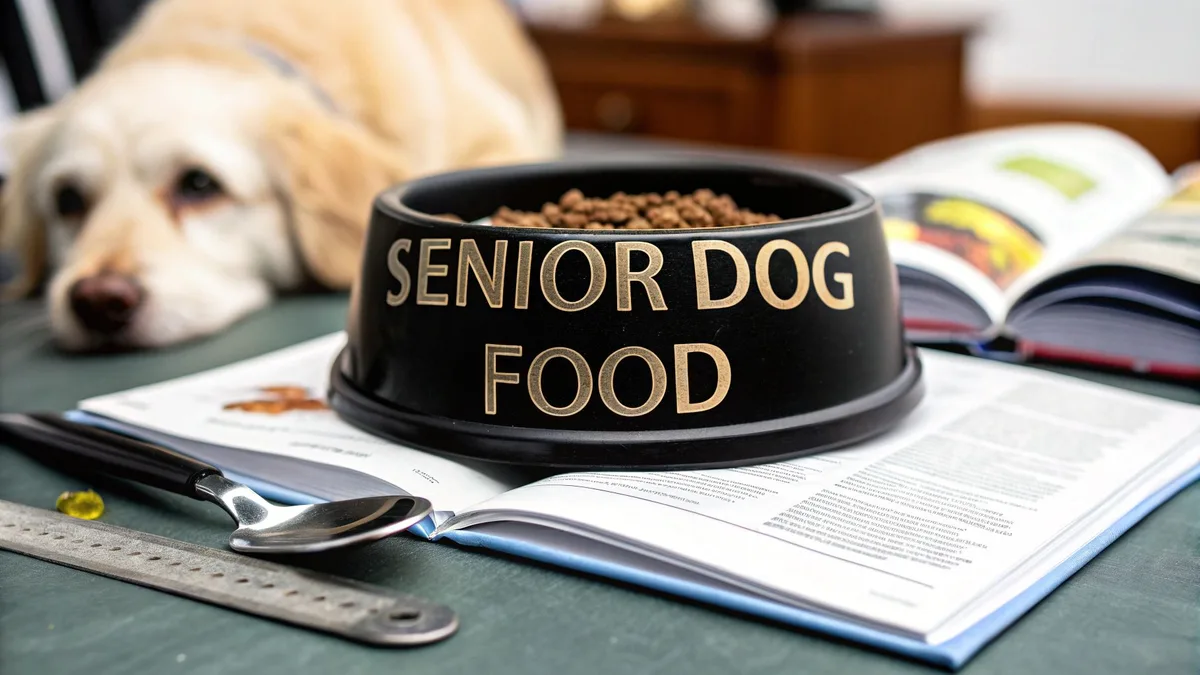
Image source: Bing (Web (fair-use with source credit))
The Quick Answer: There Is No Single Age for Senior Dog Food
The exact age you switch to a mature adult diet depends on three things. Those are breed size, current weight, and overall metabolic health. You cannot just pick a birthday and swap the bag.
Doing that ignores how individual dogs actually age.
We see this mistake constantly. Owners buy a bag labeled “senior” because their dog turned seven. But a seven year old Chihuahua is still in its physical prime.
Putting that dog on a lower calorie diet too early can cause unwanted muscle loss.
On the flip side, a seven year old Great Dane is already elderly. Their joints have taken years of heavy impact. Their organs work much harder than a smaller dog’s organs do.
Waiting until age ten to adjust their nutrition misses a critical window for support.
This is why life stage nutrition requires a workflow approach. You start with the baseline age for your dog’s size category. Then you evaluate their physical condition.
If they show signs of slowing down, you make the switch. If they are still highly active, you hold off.
Understanding when younger dogs transition to adult maintenance food follows a similar logic. You base the decision on physical maturity rather than a strict calendar date. The same principle applies as they enter their later years.
Always let the dog’s body dictate the timeline. Bloodwork from your veterinarian provides the final confirmation. Baseline ages are just starting points for your evaluation.
How Breed Size Dictates Your Dog’s Senior Timeline
Size is the single biggest factor in canine aging. Larger bodies grow faster and break down sooner. Smaller bodies take longer to mature and stay active much later in life.
This biological reality sets the baseline for when you should consider changing their food.
Here is the standard breakdown we use as a starting framework. These numbers represent the earliest point you should begin evaluating your dog’s nutritional needs.
| Dog Size Category | Typical Adult Weight | Baseline Age for Senior Diet |
|---|---|---|
| Toy and Small | Under 20 lbs | 10 to 12 years |
| Medium | 21 to 50 lbs | 8 to 10 years |
| Large | 51 to 90 lbs | 6 to 8 years |
| Giant | Over 90 lbs | 5 to 6 years |
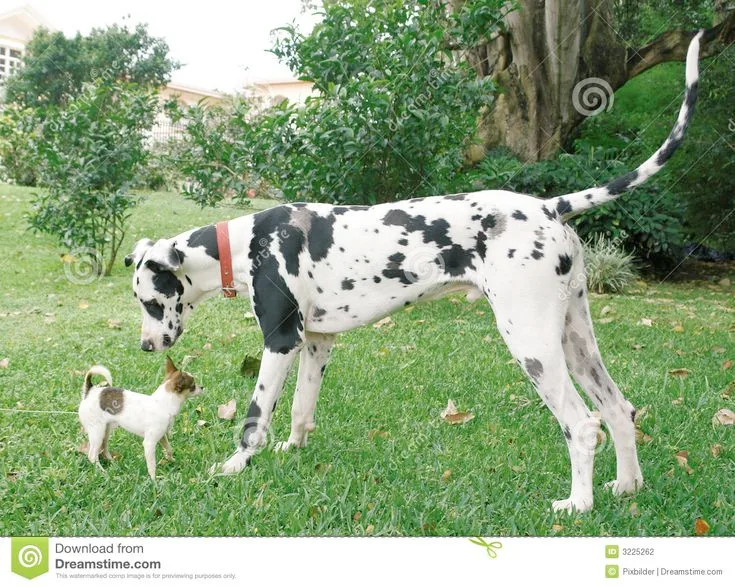
Image source: Bing (Web (fair-use with source credit))
Giant breeds like Mastiffs and Saint Bernards hit their senior threshold incredibly fast. By age five, their basal metabolic rate starts dropping noticeably. They burn fewer calories just existing.
If you keep feeding them high energy adult formulas, they will gain fat rapidly.
Small breeds operate on a completely different clock. A Pomeranian at age eight is barely middle aged. Their joints handle their low body weight easily.
Switching them to a restricted calorie diet too soon deprives them of necessary fuel.
Medium and large breeds fall somewhere in the middle. A Labrador Retriever typically needs evaluation around age seven or eight. But remember, these are just averages.
Individual lifestyle plays a massive role here.
A working farm dog burns vastly more energy than a couch companion. Climate matters too. Dogs living outdoors in colder regions expend more calories staying warm.
You must factor in daily activity alongside their birth year.
Knowing how much a larger dog eats helps you calculate if their current portions match their slowing metabolism. Adjusting portion sizes often comes before changing the formula entirely.
The Decision Tree: When to Actually Switch Their Kibble
Do not rely on age alone to make this choice. Use this step by step workflow to decide if your dog actually needs a mature diet right now. Evaluate each point honestly.
Step 1: Check the size baseline. Look at the table above. Has your dog reached the minimum age for their weight class? If no, keep them on adult maintenance food.
If yes, move to step two.
Step 2: Assess their Body Condition Score. The Body Condition Score is a visual and tactile scale used to measure canine fat coverage. An ideal score sits at four or five on a nine point scale. Run your hands along their ribs.
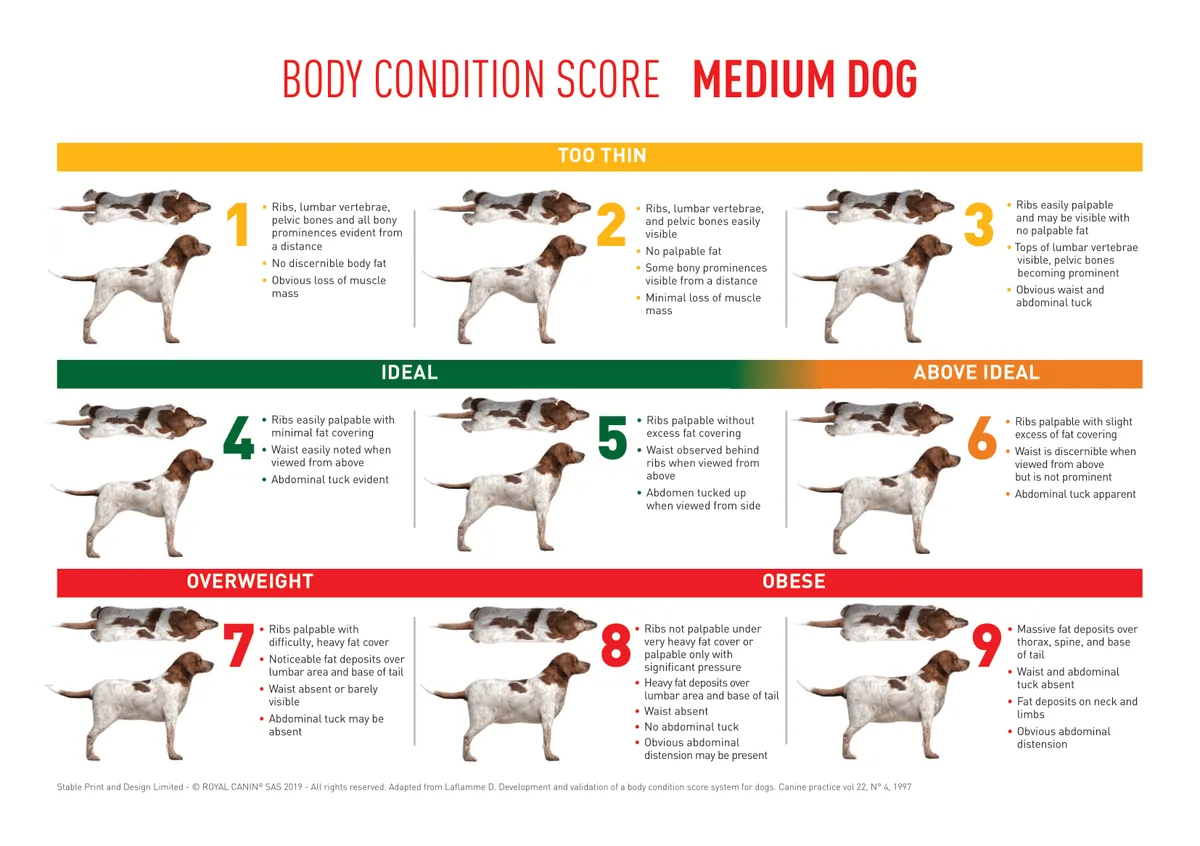
Image source: Bing (Web (fair-use with source credit))
If you have to press hard to feel the ribs, your dog carries excess fat. This happens frequently as older dogs slow down. If they are gaining weight without eating more, their metabolism has dropped.
This is a strong signal to switch to a lower calorie senior formula.
Step 3: Observe their mobility. Watch how your dog gets up from a nap. Do they hesitate? Do their back legs seem stiff?
Aging joints lose cartilage over time. Senior foods typically include added glucosamine and chondroitin sulfate to support joint fluid.
Step 4: Review recent bloodwork. Annual veterinary exams reveal organ function changes long before you see physical symptoms. Kidneys filter waste less efficiently as dogs age. Liver enzymes can shift upward.
If bloodwork shows early kidney strain, your vet will likely recommend a diet with controlled phosphorus levels. Commercial senior diets often restrict phosphorus compared to standard adult foods. This reduces the workload on aging kidneys.
Step 5: Evaluate their coat and digestion. Dull fur or unpredictable stool quality indicates poor nutrient absorption. Older digestive tracts process food differently. Formulas with higher soluble fiber help maintain gut motility.
If your dog passes all these checks and remains lean, active, and healthy, do not switch. Keep them on their current food. Changing a working system only introduces unnecessary variables.
For dogs dealing with specific dietary sensitivities, finding proteins that do not trigger reactions becomes even more critical as their immune system ages. Always prioritize digestibility over marketing labels.
What Changes in Senior Dog Food (And Why It Matters)
You might wonder if the word “senior” on a bag is just a marketing trick. It is not. But the differences are subtle, and understanding them helps you choose correctly.
Because the FDA and AAFCO lack a strict legal definition for this life stage, formulations vary wildly between brands.
Here is exactly what shifts inside the bag when a manufacturer designs a mature adult diet.
- Fewer calories per cup: Older dogs move less. Their basal metabolic rate drops. Feeding the same volume of adult food leads to obesity. Senior formulas typically reduce caloric density by ten to twenty percent.
- Adjusted protein sources: You will often see slightly less total protein. More importantly, the protein comes from highly digestible sources. This prevents excess nitrogen waste from stressing the kidneys.
- Increased fiber blends: Constipation plagues older dogs. Formulations bump up both soluble and insoluble fiber. This keeps the digestive tract moving predictably.
- Added joint compounds: Glucosamine hydrochloride and omega three fatty acids appear in much higher concentrations. These target inflammation directly at the joint capsule.
- Cognitive nutrients: Ingredients like medium chain triglycerides provide alternative brain fuel. Research suggests these help delay canine cognitive dysfunction.
Calculating the exact caloric difference requires knowing how volume translates to weight in your specific brand. A cup of dense adult kibble holds far more energy than a cup of airy senior kibble.
Never assume all bags labeled for older dogs are identical. Read the guaranteed analysis panel on the back. Compare the crude fat and crude fiber percentages against their current food.
If your dog is still running agility courses at age nine, a calorie restricted diet will starve them of needed energy. In that scenario, keeping them on a high quality adult formula makes far more sense. Feed the dog in front of you.
Sometimes owners try mixing household items into meals to boost nutrition. Before doing that, verify if common spices or additions are safe, like checking whether cinnamon causes stomach upset in older, sensitive dogs. Stick to formulated nutrition whenever possible.
Transition Mistakes That Can Harm an Aging Dog
Switching your dog’s food seems simple. You buy a new bag and fill the bowl. But doing it wrong causes real harm, especially to an older digestive system.
Aging guts are stubborn and slow to adapt.
The most common error is switching too fast. Dumping a brand new formula into their bowl overnight almost guarantees gastrointestinal distress. Expect loose stools, vomiting, or a complete refusal to eat.
Follow a strict ten day mixing schedule instead.
- Days 1 to 3: Mix twenty five percent new food with seventy five percent old food.
- Days 4 to 6: Move to an even fifty fifty split.
- Days 7 to 9: Increase to seventy five percent new food.
- Day 10: Serve one hundred percent of the new mature diet.
Watch their stool every single day during this process. Slight softness on day two is normal. Ongoing diarrhea means you are moving too quickly.
Slow the transition down by a few days.
Another major mistake involves ignoring portion sizes. Senior food has fewer calories per cup. If you feed the exact same volume you always have, your dog might still gain weight.
Conversely, if you drastically cut the volume without checking the math, they lose muscle mass.
Recalculating portions based on their target weight prevents this. You must adjust the physical amount of food to match the new caloric density. Guessing leads to problems.
Finally, never replace a prescribed therapeutic diet with an over the counter senior bag. If your veterinarian diagnosed chronic kidney disease and prescribed a renal diet, commercial senior food is not a substitute. Therapeutic diets have strictly controlled mineral levels that store bought bags simply cannot match.
Mixing up household bowls creates similar risks. Understanding why sharing meals between species backfires protects both pets from severe nutritional imbalances as they age. Keep their diets separate and specific.
Frequently Asked Questions
What happens if I switch my dog to senior food too early?
Switching too early deprives an active dog of necessary calories. They might lose lean muscle mass because mature formulas contain less energy density. If your dog still runs daily and maintains a healthy weight, keep them on adult maintenance food.
Always match the diet to their actual activity level.
Can a puppy or young adult eat senior dog food safely?
Puppies and young adults should never eat mature formulas. Growing bodies require specific calcium and phosphorus ratios for bone development. Senior diets lack these critical building blocks.
Feeding restricted calories to a growing dog causes long term skeletal damage. Stick to life stage nutrition designed for growth.
How do I know if my large breed needs a mature diet at five?
Five is just the baseline for giant breeds like Great Danes. Evaluate their Body Condition Score first. If they are gaining fat despite normal portions, their metabolism has slowed down.
Bloodwork showing early organ changes also signals it is time. Let physical evidence drive the decision.
Is wet food better than kibble for older dogs?
Wet food helps dogs with dental disease or missing teeth chew comfortably. It also provides extra moisture for dogs that drink less water. However, dry kibble offers better caloric control for overweight pets.
Choose the texture that matches their physical ability and weight goals.
Should I add supplements if I switch to a mature formula?
Most commercial senior diets already include joint compounds like glucosamine. Adding more without veterinary guidance risks toxicity or digestive upset. Check the guaranteed analysis panel first.
Only supplement specific nutrients if bloodwork confirms a verified deficiency in your aging dog.