
60lb Dog Food: How Much To Feed
Figuring out how much food your 60lb dog should eat can feel like a puzzle. It’s not as simple as just pouring a scoop and calling it a day, because every dog is a unique individual with specific energy needs. Getting their diet right is key to keeping them healthy, happy, and at a good weight for years to come.
In our research, we’ve found that a common starting point for many 60lb dogs falls within the range of 2.5 to 3 cups of high-quality kibble per day. However, this is a very general guideline. Factors like your dog’s age, breed, and especially how active they are can dramatically change those needs.
For instance, a highly active Border Collie mix weighing 60lbs will need significantly more calories than a less mobile Basset Hound at the same weight.
Quick Answer
A 60lb dog typically needs 2.5 to 3 cups of kibble daily. This amount varies greatly by activity. High-activity dogs need more.
Sedentary dogs need less. Always consult your vet.
Decoding Your Dog’s Food Needs: It’s More Than Just Weight
Your dog’s weight is a critical number, but it’s only one piece of the puzzle when it comes to determining their daily food intake. Think of it as a starting point on a map, not the destination itself. The real magic happens when we layer in their unique lifestyle and biological factors.
The amount of food your dog needs isn’t a fixed quantity dictated solely by the number on the scale. Our research confirms that factors such as their breed, age, and even their personal metabolism play a significant role. For example, a dog that participates in agility training or enjoys long hikes daily burns a substantial number of calories.
Conversely, a dog who prefers napping to playing will require fewer calories to maintain a healthy weight.
Key Factors That Shape Your Dog’s Portion Size
Understanding the variables that influence your dog’s calorie requirements is the first step to feeding them correctly. It’s about tailoring their diet to their specific life, not just their size.
Activity Level: From Couch Potato to Zoomie Master
This is arguably the biggest driver of dietary needs for a 60lb dog. A dog that spends most of its time lounging will require far fewer calories than one that burns energy through extensive play, training, or work.
- Low Activity (Sedentary): Minimal exercise, mostly indoor lounging, short potty breaks. These dogs need fewer calories to prevent weight gain. You’re looking at potentially closer to the lower end of the general guideline, or even slightly less.
- Moderate Activity (Average): Daily walks, some playtime in the yard. These dogs have moderate energy needs, fitting the typical feeding chart recommendations.
- High Activity (Athletic): Long daily walks, frequent play sessions, dog sports, working roles (e.g., herding, guarding). These dogs have significantly higher caloric demands. You might need to feed them 20-50% more than a sedentary dog of the same weight, depending on the intensity and duration of their activities.
- Very High Activity: Dogs in rigorous training or those with demanding jobs might need even more.
The difference in caloric needs between a couch potato and a canine athlete can be substantial, sometimes by hundreds of calories per day. Ensuring you accurately assess your dog’s daily activity is crucial for preventing over or underfeeding.
Age: Puppy, Adult, or Senior Needs
A dog’s age dictates a lot about their metabolic rate and nutrient requirements. What a growing puppy needs is vastly different from what a senior dog requires.
- Puppies (up to 12-18 months for a 60lb breed): Growing puppies have extremely high energy and nutrient demands to fuel bone and muscle development. They typically eat multiple smaller meals throughout the day, and their food intake per pound of body weight is much higher than an adult dog. For a 60lb breed puppy, you’ll be looking at feeding according to a puppy-specific chart, which will often be more food, by volume, than a mature adult at the same weight. (how much fresh dog food to feed your dog daily also discusses age-related feeding).
- Adult Dogs (1-7 years): Once fully grown, their energy needs stabilize. This is when you focus on maintaining a healthy weight and body condition through appropriate portion sizes based on their activity level. For a 60lb adult dog, aim for the general guidelines, adjusting for their lifestyle.
- Senior Dogs (7+ years): As dogs age, their metabolism often slows down, and they may become less active. This means they usually require fewer calories to prevent weight gain. Senior-specific diets are often formulated with lower calories, higher fiber, and supplements for joint health, and the feeding amounts will reflect these adjusted needs. (What makes senior dog food different?).
Metabolism: The Silent Calorie Burner
Just like people, every dog has a unique metabolism. Some dogs naturally burn calories faster than others, meaning they can eat more without gaining weight. This can be influenced by genetics, breed predispositions, and even hormonal factors.
Manufacturer specifications on dog food bags provide general guidelines, but they don’t account for these individual metabolic differences. A dog with a naturally fast metabolism might appear underfed if they’re strictly adhering to a chart designed for an average metabolic rate. Conversely, a dog with a slower metabolism could quickly become overweight if fed according to a chart intended for a faster metabolism.
Observing your dog’s body condition over time is the best way to gauge if their current food intake matches their metabolic rate. If they are consistently maintaining a healthy weight with their current portions, their metabolism is likely being well-served. If they are steadily gaining weight despite a “normal” portion, their metabolism might be slower, and you’ll need to reduce their intake.
Similarly, if they are always hungry and losing weight, their metabolism might be higher than average.
Breed & Body Condition: The Visual Check
Certain breeds have genetic predispositions that can influence their energy needs or how they store fat. For example, some breeds are more prone to obesity. Understanding your dog’s breed characteristics is part of the picture.
More importantly, though, is your dog’s current body condition score (BCS). This is a subjective but highly effective way to assess if your dog is at a healthy weight simply by looking and feeling.
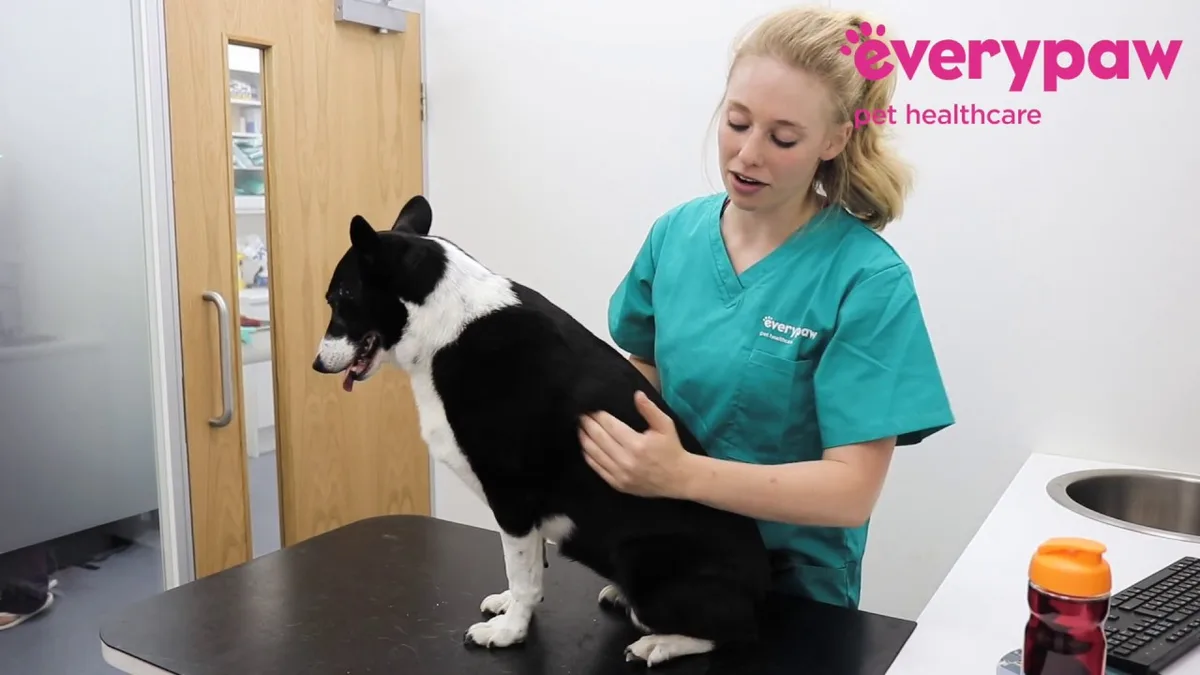
Image source: YouTube / ROYAL CANIN UK & IE (YouTube thumbnail (fair-use with source credit))
A BCS is typically rated on a scale, often from 1 to 9, where 4-5 is ideal.
- Looking at your dog from above: You should see a defined waistline that tucks in behind their rib cage. If their sides are straight or bulge outwards, they may be overweight. If their waist is very narrow, they might be underweight.
- Feeling your dog’s ribs: With gentle pressure, you should be able to easily feel your dog’s ribs. They shouldn’t be visibly protruding, but they also shouldn’t be hidden under a thick layer of fat.
- Looking from the side: You should see an abdominal tuck, where their belly slopes upwards from their rib cage towards their hindquarters.
Your veterinarian is your best resource for assessing your dog’s BCS and determining their ideal weight. They can provide specific guidance on what to feel and look for. If your dog is already overweight or underweight, that’s a condition that requires specific dietary adjustments, possibly even a consultation about what is the best weight control dog food in 2026?.
Understanding Your Dog Food Bag: The Starting Point
Every bag of dog food comes with feeding guidelines, usually presented in a chart based on your dog’s weight. This chart is your most fundamental tool, but it’s crucial to treat it as a starting point, not a rigid rule. These manufacturers’ specifications are generally based on average activity levels and a standard metabolic rate for dogs of a particular weight.
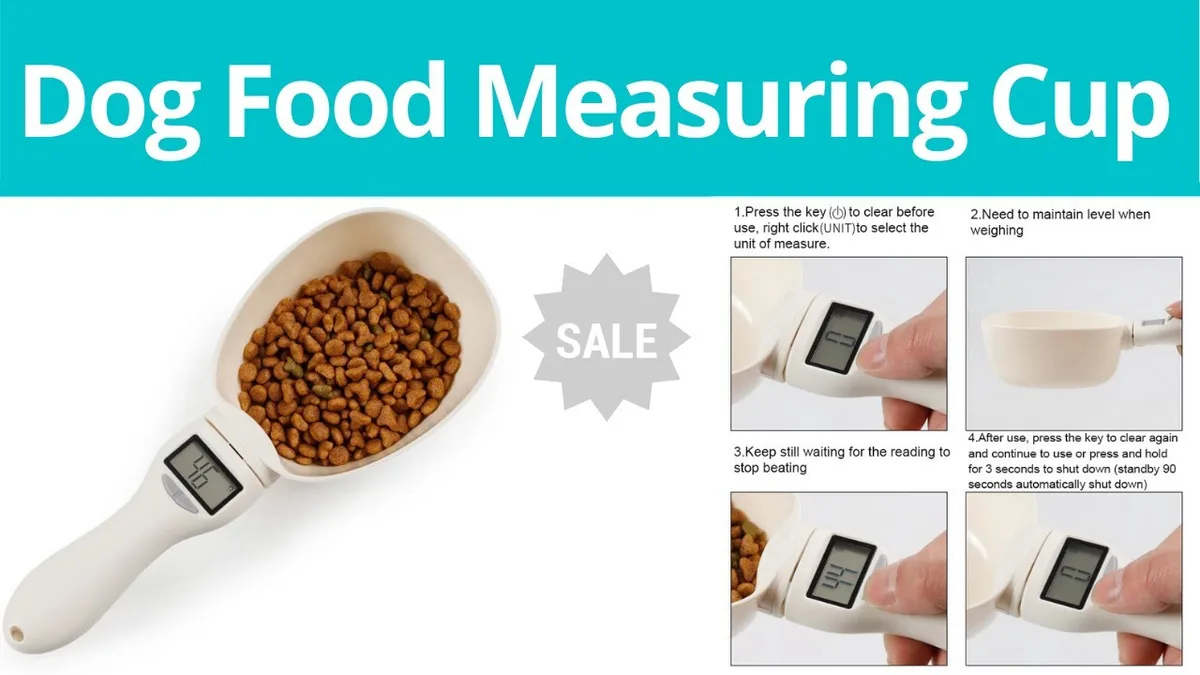
Image source: YouTube / Dog Supplies (YouTube thumbnail (fair-use with source credit))
For a 60lb dog, a typical kibble bag might suggest anywhere from 2.5 to 3.5 cups per day. However, this can vary significantly depending on the calorie density of the food itself. A “performance” or “high-energy” formula will have more calories per cup than a “weight management” formula.
Therefore, you can’t directly compare feeding amounts across different brands or even different formulas within the same brand without looking at the calorie content per cup (usually listed in kilocalories, or kcal, per kg or per cup on the packaging).
As of 2026, the industry standard for listing caloric content is kcal per kilogram or per cup. Always check this number. A food with 400 kcal/cup will require a different volume than a food with 500 kcal/cup to deliver the same energy.
It’s this calorie calculation that truly matters for accurate portioning.
Practical Steps to Get the Portion Right
Now that we know the factors, let’s talk about how to actually put this into practice for your 60lb dog. It’s a process of observation, adjustment, and knowing what to look for.
The Essential Body Condition Score: A Hands-On Guide
This is your most powerful tool for ensuring your dog is neither too heavy nor too light. Forget the scale for a moment; your hands and eyes are far more informative when it comes to body condition.
Feeling Those Ribs: What’s Just Right?
Gently run your hands along your dog’s sides, just behind their front legs. You should be able to feel their ribs with a light touch, much like you can feel the knuckles on the back of your hand. This means there’s just a thin, supple layer of fat covering them.
If you have to press quite hard to feel them, or can’t feel them at all, your dog is likely carrying too much weight. This could be due to overfeeding or insufficient exercise. On the flip side, if their ribs are sharp and very prominent, sticking out, your dog is probably underweight and needs their food intake increased.
The Waistline Check: Looking from Above
Stand directly over your dog when they are standing. Imagine a line drawn from their sternum (breastbone) back towards their tail. You should easily see an indentation or “waist” tucking in.
This is a clear sign of good muscle tone and a healthy physique.
If your dog’s sides are straight from chest to hips, or if they bulge outwards, they are likely overweight. The tuck might be masked by excess body fat. A severely underweight dog might have an exaggerated tuck, making their ribs and hip bones very noticeable.
Abdominal Tuck: What to See from the Side
Now, look at your dog from the side. Their belly should curve upwards from their chest towards their hind legs. This is often called the “abdominal tuck.” It’s a sign that their internal organs have room to sit properly and that their core muscles are engaged.
A flat belly or one that sags downwards can indicate excess weight or poor muscle tone. Again, a very sharp upward angle might signal an underweight condition.
Adjusting Portions: Tiny Tweaks for Big Results
Once you’ve assessed your dog’s body condition, you can start fine-tuning their food portions. Remember, this is an ongoing process, not a one-time fix.
- If your dog is too heavy: Reduce their daily food intake by a small amount, usually around 10%. For a dog eating 3 cups a day, this means cutting back by about 1/3 cup, then re-evaluating after two weeks. Do not drastically cut food, as this can lead to nutritional deficiencies.
- If your dog is too light: Increase their daily food intake by a similar small margin (around 10-15%). Again, make changes gradually and monitor their progress. If you need to increase food for weight gain, consider a higher-calorie food or what food can I give my dog to gain weight?.
- If your dog is at a good weight: Stick with your current portion size, but continue to monitor their BCS at least monthly. Remember to account for any treats or “people food” scraps you give them, these should make up no more than 10% of their total daily calorie intake. Many owners forget to factor in treats, which can significantly contribute to weight gain.
Kibble vs. Wet Food vs. Raw: Understanding the Choices
The type of food you choose will significantly impact how much you need to feed.
Manufacturer specifications on dog food bags provide general guidelines, but they don’t account for these individual metabolic differences. A dog with a naturally fast metabolism might appear underfed if they’re strictly adhering to a chart designed for an average metabolic rate. Conversely, a dog with a slower metabolism could quickly become overweight if fed according to a chart intended for a faster metabolism.
Observing your dog’s body condition over time is the best way to gauge if their current food intake matches their metabolic rate. If they are consistently maintaining a healthy weight with their current portions, their metabolism is likely being well-served. If they are steadily gaining weight despite a “normal” portion, their metabolism might be slower, and you’ll need to reduce their intake.
Similarly, if they are always hungry and losing weight, their metabolism might be higher than average.
- Kibble: This is the most common, often the most economical, and typically the most calorie-dense. You’ll feed a specific volume based on its kcal/cup. It’s generally good for dental health.
- Wet Food: This type has a much higher moisture content, meaning you’ll need to feed a larger volume to reach the same calorie count as kibble. How many cans of wet food for a dog? Step by Step can help you understand the volume differences. It’s often more palatable for picky eaters.
- Raw Diets: These are typically less calorie-dense by volume than kibble due to their high moisture and fat content. Feeding raw requires careful planning to ensure nutritional balance, and it’s often recommended to work with a veterinary nutritionist. If considering this, researching How to Start Raw Food Diet for Dogs: Easy Guide is a good first step.
- Homemade Diets: Similar to raw, these require significant nutritional knowledge to ensure completeness. Attempting to create a homemade diet without expert guidance can lead to serious deficiencies or excesses. For examples of fresh food preparation, you might look into How to make fresh dog food with chicken?.
The key is to understand the caloric content of whatever food you choose and adjust the volume accordingly.
Common Mistakes When Feeding Your 60lb Dog
Feeding your dog seems straightforward, but there are a few common missteps that can lead to your 60lb companion being over or underweight. Avoiding these mistakes is crucial for their long-term health and well-being.
- Sticking rigidly to the feeding chart: As we’ve discussed, these charts are just a general guide. Your dog’s individual needs will almost always differ. Relying solely on the bag’s recommendation without observing your dog’s body condition is a recipe for imbalance.
- Forgetting about treats: Treats, chews, and table scraps can add hundreds of extra calories to your dog’s daily intake. If you’re not accounting for them, you’re likely overfeeding, even if their main meal seems appropriate. This is a common reason for unexpected weight gain.
- Ignoring body condition changes: If your dog’s waistline starts to disappear or their ribs become more prominent, that’s a signal your feeding plan isn’t working. Not noticing or addressing these changes can lead to significant health problems down the line, such as obesity or muscle wasting.
- Feeding inappropriate food types: Giving puppies adult food, or seniors regular adult food without considering their specific nutritional needs, can lead to deficiencies or excesses. For example, senior dogs often need fewer calories and more joint support. Similarly, feeding a “weight management” food to a naturally lean, active dog might lead to them being underweight. (What Does Farmer’s Dog Food Cost? Full Price Guide can be a helpful resource for understanding variety in food options and their associated costs).
- Sudden food changes: Abruptly switching between food types, whether it’s kibble to wet or one brand to another, can cause digestive upset like diarrhea. (Guide to Will Changing Dog Food Cause Diarrhea 2026). It’s always best to transition gradually over 7-10 days.
When to Call the Vet: Expert Guidance Is Key
While you can certainly manage your dog’s diet effectively at home with careful observation, there are absolutely times when seeking professional veterinary advice is not just helpful, but essential. Your veterinarian is your most trusted partner in ensuring your dog’s health.
If you’re struggling to achieve or maintain a healthy body condition score for your 60lb dog, despite making adjustments, it’s time to consult your vet. They can perform a thorough physical examination to rule out any underlying medical conditions that might be affecting your dog’s weight or appetite. Conditions like hypothyroidism, diabetes, or gastrointestinal issues can significantly impact a dog’s nutritional needs.
Furthermore, if your dog is experiencing chronic diarrhea, vomiting, appetite changes that aren’t easily explained, or if you notice any unusual lumps or changes in their coat or energy levels, a vet visit is paramount. They can help diagnose the problem and recommend the most appropriate course of action, which may include a prescription diet or specific dietary recommendations.
Remember, your vet can also help you understand breed-specific nutritional needs and can guide you on the best food choices for your dog’s life stage and health status. They can often provide precise caloric recommendations or suggest specific diets recommended by veterinary professionals, as explored in articles like What Dog Food Do Most Vets Recommend? Step-by-Step Guide.
Kibble vs. Wet Food vs. Raw: Understanding the Choices
The type of food you choose will significantly impact how much you need to feed. Manufacturer specifications on dog food bags provide general guidelines, but they don’t account for these individual metabolic differences. A dog with a naturally fast metabolism might appear underfed if they’re strictly adhering to a chart designed for an average metabolic rate.
Conversely, a dog with a slower metabolism could quickly become overweight if fed according to a chart intended for a faster metabolism.
Observing your dog’s body condition over time is the best way to gauge if their current food intake matches their metabolic rate. If they are consistently maintaining a healthy weight with their current portions, their metabolism is likely being well-served. If they are steadily gaining weight despite a “normal” portion, their metabolism might be slower, and you’ll need to reduce their intake.
Similarly, if they are always hungry and losing weight, their metabolism might be higher than average.
- Kibble: This is the most common, often the most economical, and typically the most calorie-dense. You’ll feed a specific volume based on its kcal/cup. It’s generally good for dental health.
- Wet Food: This type has a much higher moisture content, meaning you’ll need to feed a larger volume to reach the same calorie count as kibble. How many cans of wet food for a dog? Step by Step can help you understand the volume differences. It’s often more palatable for picky eaters.
- Raw Diets: These are typically less calorie-dense by volume than kibble due to their high moisture and fat content. Feeding raw requires careful planning to ensure nutritional balance, and it’s often recommended to work with a veterinary nutritionist. If considering this, researching How to Start Raw Food Diet for Dogs: Easy Guide is a good first step.
- Homemade Diets: Similar to raw, these require significant nutritional knowledge to ensure completeness. Attempting to create a homemade diet without expert guidance can lead to serious deficiencies or excesses. For examples of fresh food preparation, you might look into How to make fresh dog food with chicken?.
The key is to understand the caloric content of whatever food you choose and adjust the volume accordingly.
Common Mistakes When Feeding Your 60lb Dog
Feeding your dog seems straightforward, but there are a few common missteps that can lead to your 60lb companion being over or underweight. Avoiding these mistakes is crucial for their long-term health and well-being.
- Sticking rigidly to the feeding chart: As we’ve discussed, these charts are just a general guide. Your dog’s individual needs will almost always differ. Relying solely on the bag’s recommendation without observing your dog’s body condition is a recipe for imbalance.
- Forgetting about treats: Treats, chews, and table scraps can add hundreds of extra calories to your dog’s daily intake. If you’re not accounting for them, you’re likely overfeeding, even if their main meal seems appropriate. This is a common reason for unexpected weight gain.
- Ignoring body condition changes: If your dog’s waistline starts to disappear or their ribs become more prominent, that’s a signal your feeding plan isn’t working. Not noticing or addressing these changes can lead to significant health problems down the line, such as obesity or muscle wasting.
- Feeding inappropriate food types: Giving puppies adult food, or seniors regular adult food without considering their specific nutritional needs, can lead to deficiencies or excesses. For example, senior dogs often need fewer calories and more joint support. Similarly, feeding a “weight management” food to a naturally lean, active dog might lead to them being underweight. (What Does Farmer’s Dog Food Cost? Full Price Guide can be a helpful resource for understanding variety in food options and their associated costs).
- Sudden food changes: Abruptly switching between food types, whether it’s kibble to wet or one brand to another, can cause digestive upset like diarrhea. (Guide to Will Changing Dog Food Cause Diarrhea 2026). It’s always best to transition gradually over 7-10 days.
When to Call the Vet: Expert Guidance Is Key
While you can certainly manage your dog’s diet effectively at home with careful observation, there are absolutely times when seeking professional veterinary advice is not just helpful, but essential. Your veterinarian is your most trusted partner in ensuring your dog’s health.
If you’re struggling to achieve or maintain a healthy body condition score for your 60lb dog, despite making adjustments, it’s time to consult your vet. They can perform a thorough physical examination to rule out any underlying medical conditions that might be affecting your dog’s weight or appetite. Conditions like hypothyroidism, diabetes, or gastrointestinal issues can significantly impact a dog’s nutritional needs.
Furthermore, if your dog is experiencing chronic diarrhea, vomiting, appetite changes that aren’t easily explained, or if you notice any unusual lumps or changes in their coat or energy levels, a vet visit is paramount. They can help diagnose the problem and recommend the most appropriate course of action, which may include a prescription diet or specific dietary recommendations.
Remember, your vet can also help you understand breed-specific nutritional needs and can guide you on the best food choices for your dog’s life stage and health status. They can often provide precise caloric recommendations or suggest specific diets recommended by veterinary professionals, as explored in articles like What Dog Food Do Most Vets Recommend? Step-by-Step Guide.
How Much Fresh Dog Food Should a 60lb Dog Eat?
For owners opting for fresh dog food, the feeding amounts can differ considerably from kibble. Fresh food typically has a higher moisture content and can be more calorie-dense in certain formulations, meaning you’ll likely feed a larger volume. However, specific feeding guidelines are crucial for each fresh food brand, as recipes vary greatly.
For example, some fresh food services, like The Farmer’s Dog, provide customized feeding plans based on your dog’s specific profile, including weight, age, activity level, and health goals. This personalized approach often means their veterinarians and nutritionists calculate exact portions to ensure nutritional balance and appropriate calorie intake. If you’re considering companies like these, understanding their pricing structure alongside the portion size is important, as seen in guides like [What Does Farmer’s Dog Food Cost?
Full Price Guide](https://dogfoodsadvisors.com/what-does-farmers-dog-food-cost/). For a 60lb dog, these daily portions could range from around 3-5 cups, depending on the brand and the specific dog’s needs. Always refer to the specific feeding charts provided by the manufacturer of any fresh dog food you consider.
How to Transition Your 60lb Dog to a New Diet
Switching your dog to a new food, whether it’s different kibble, wet food, or a fresh diet, should always be a gradual process. This helps their digestive system adjust and minimizes the risk of upset. A typical transition period takes about seven to ten days.
Here’s a simple breakdown to follow:
- Days 1-3: Start by feeding 25% new food mixed with 75% old food.
- Days 4-6: Increase the new food to 50% and reduce the old food to 50%.
- Days 7-9: Feed 75% new food and 25% old food.
- Day 10 onwards: Feed 100% new food.
Monitor your dog closely throughout this period for any signs of digestive issues such as loose stools, gas, or vomiting. If you notice any problems, revert to the previous day’s ratio for a couple more days before trying to advance again more slowly. This careful approach is essential, especially when moving to something as significantly different as How to Transition Dog to Raw Food Step by Step.



One Comment