How Much Fresh Dog Food to Feed Your Dog Daily
Figuring out exactly how much fresh dog food to feed takes a little bit of straightforward math. Switching from dry, processed kibble to real meals is brilliant for your pet. The rules of portion control change completely.
Fresh meat and vegetable recipes retain high natural moisture and pack extremely dense calories. You simply cannot scoop it out using the same old plastic measuring cup without risking rapid weight gain.
Our research shows you must calculate precise daily calories and physical weight. The guidelines set by the Association of American Feed Control Officials demand that nutritional profiles remain complete and balanced based on a dog’s specific energy needs. Trusting generic label charts often leads to accidental underfeeding or overfeeding.
Let us walk step by step through calculating the perfect daily amount for your companion.
Quick Answer
How much fresh dog food to feed depends entirely on your dog’s ideal weight and the food’s specific caloric density. A healthy adult dog normally eats roughly two to three percent of their body weight in fresh food daily. You calculate their precise Resting Energy Requirement first.
You then apply a lifestyle multiplier based on their daily activity. Always use a digital kitchen scale to serve the final daily calories in exact ounces or grams.
The Problem with Fresh Dog Food Portions: Weight vs. Volume
Transitioning away from a processed diet rewrites every rule of portion control. Traditional dry dog food has nearly all the natural water removed during manufacturing. It sits in the bowl as hard pebbles with a consistent, dry volume.
Fresh meals retain natural water content from real meats, organs, and fresh produce.
This extra moisture makes the food significantly heavier per calorie. A standard measuring cup of hard kibble might weigh just four ounces. That exact same cup filled with fresh, gently cooked food will often weigh eight ounces or more.
If you simply scoop one cup of the new food to replace one cup of the old food, you will completely ruin the calorie count.
Volume measurements are completely useless for high-moisture diets. You must change your entire approach to preparation. Relying on weight is the only accurate method to ensure your dog receives the correct macronutrients.
This level of precision is exactly what prevents the stomach trouble often associated with comparing high-moisture diets to kibble.
Baseline Starting Point: The 2% to 3% Body Weight Rule
Many owners just want an immediate rough estimate before pulling out a calculator. The standing rule in canine nutrition suggests feeding two to three percent of the dog’s ideal body weight daily. This works as a simple starting benchmark for a healthy adult dog with normal activity.
Imagine your dog has an ideal target weight of fifty pounds. Two percent of fifty pounds equals one solid pound of fresh food every day. You would normally split that single pound into two separate eight-ounce meals.
This basic rule assumes the fresh recipe carries a fairly standard average calorie count.
Puppies and highly active breeds stray far outside this baseline. They often require up to four or five percent of their weight to sustain their energy burn. Senior dogs resting indoors might only need one and a half percent to stay healthy.
You keep the two percent rule in mind just as a quick reference check.
Why Caloric Density and Moisture Content Change Everything
Every commercial or homemade fresh food recipe features a completely unique nutrient profile. A formulation built on lean turkey breast and spinach holds far fewer calories than a mix of fatty beef and sweet potatoes. You cannot treat all fresh recipes the same.
Brands print the caloric density right on the product packaging near the guaranteed analysis. They will list this metric as kilocalories per kilogram or kilocalories per ounce. A high-fat performance recipe might deliver fifty calories per ounce.
A lean weight management formula might top out at only thirty calories per ounce.
A tiny difference of twenty calories per ounce becomes enormous across an entire month. If you feed ten ounces daily, that creates a two-hundred calorie gap every single day. Always read the fine print on new packages as of 2026.
A strict weight measurement only works safely when you know the exact calorie concentration of the meat.
Step 1: Find Your Dog’s Ideal Target Weight
Accurate math requires an accurate target tracking number. You should never base daily feeding limits on the current numbers if your dog is noticeably overweight. Feeding an obese dog based on their current heavy mass will just maintain the extra fat.
You should consult your local veterinary clinic to determine a healthy target weight. Checking official breed standards can offer a helpful baseline for purebred dogs. Mixed breeds require visual evaluations and hands-on checks to guess the best structural weight.
Write this target number down and keep it near the kitchen counter. You must convert pounds into kilograms to use the standard clinical formulas. Divide your dog’s ideal weight in pounds by 2.2 to find their exact mass in kilograms.
Step 2: Calculate Resting Energy Requirement (RER)
The Resting Energy Requirement represents the absolute foundation of your pet’s metabolism. This measures the bare minimum calories a dog burns just staying alive in a perfectly temperature-controlled room. The RER covers vital functions like breathing, organ function, and digesting meals.
The core dietary formula takes seventy multiplied by the dog’s weight in kilograms raised to the power of 0.75. Most modern smartphones have a landscape calculator app that handles this exponent math easily. Finding this exact baseline stops you from accidentally starving a larger animal.
Take a forty-four pound dog as an example. That equals exactly twenty kilograms. Twenty raised to the 0.75 power hits roughly 9.45.
Multiply that 9.45 by seventy, and you get about 662 kilocalories per day. This 662 kcal serves as the resting baseline floor.
Step 3: Choose the Right Lifestyle Multiplier (MER)
Very few dogs spend twenty-four hours completely motionless. They chase toys in the yard, go on long evening walks, and pace around the living room. You must apply a Maintenance Energy Requirement multiplier to that baseline RER number.
Here is a quick look at the most common lifestyle calculations:
| Activity Level or Stage | Recommended Multiplier |
|---|---|
| Weight Loss Plan | 1.0 to 1.2 x RER |
| Senior or Sedentary | 1.2 to 1.4 x RER |
| Neutered Adult (Normal) | 1.6 x RER |
| Intact Adult (Normal) | 1.8 x RER |
| Heavy Work or Performance | 2.0 to 3.0 x RER |
You select the multiplier that genuinely matches your pet’s daily reality. Take our prior 662 kcal RER baseline dog. If they are a standard neutered adult, you multiply 662 by 1.6 to reach 1059 calories daily.
An honest assessment of their activity level prevents unwanted weight gain.
Step 4: Convert Kcal Needs to Grams or Ounces
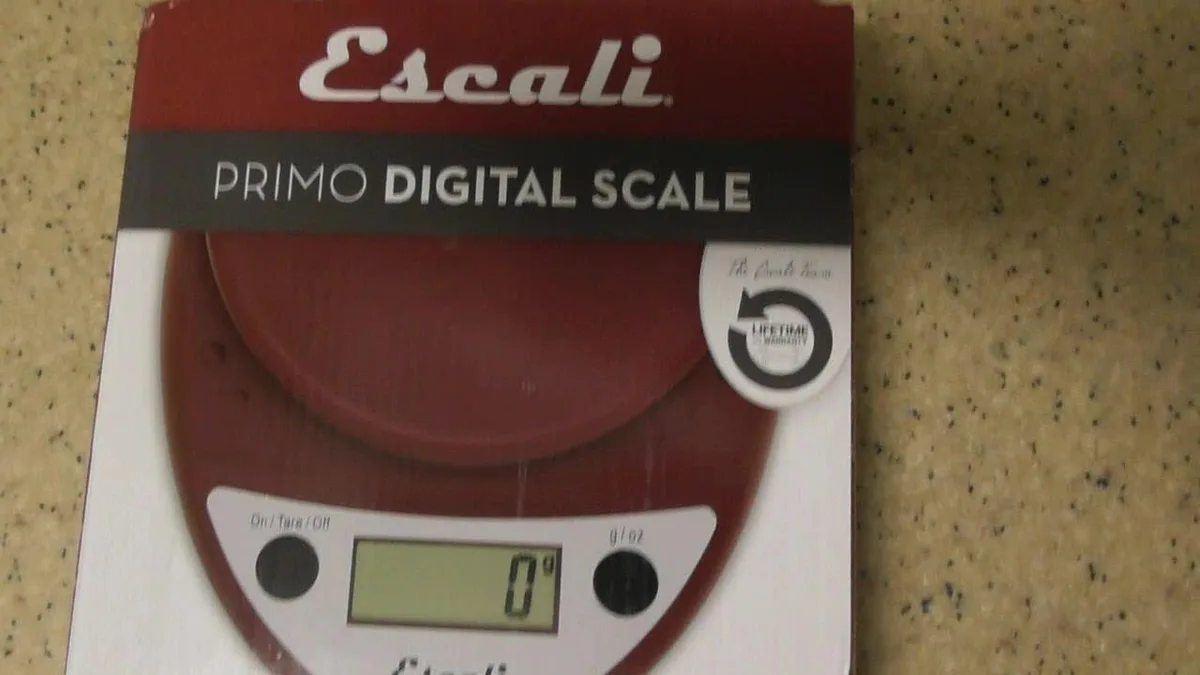
You now have a highly customized daily calorie target. The final major step turns that invisible energy number into physical food in the bowl. You must find the specific calories per ounce metric on the label.
Divide your dog’s total daily requirement by the calories contained in a single ounce. If the target is 1000 calories and the recipe packs 40 calories per ounce, you will feed exactly 25 ounces daily. You simply divide those total ounces by the number of daily meals.
Place a durable feeding dish plain empty onto your digital kitchen scale. Press the tare button to zero out the heavy bowl. Scoop the cold fresh food directly in until the digital screen hits your required mathematical target.
Adjusting Portions for Puppies, Seniors, and Weight Loss
Dogs advance through extremely different life stages over an average decade. Setting one strict portion size and feeding it blindly for years is a terrible idea. You must stay flexible and monitor shifting metabolic speeds constantly.
Growing Puppies
New puppies burn staggering amounts of energy laying down bone structure and fresh muscle. A young dog under four months of age demands almost three times their resting requirement. It is vital to measure carefully when nourishing growing young hounds to prevent rapid growth defects.
You slowly roll their multiplier down as they hit six months and their skeleton sets.
Senior and Sedentary Dogs
Aging inevitably dramatically slows metabolic output. An older dog sleeping quietly through the afternoon needs vastly fewer calories than a hyperactive yearling. You will typically lower their lifestyle multiplier down close to 1.2 to protect their joints.
Keeping excess weight off is critical when supporting older big dogs.
Highly Active and Working Dogs
Sled dogs, herding dogs, and specialized hunting breeds burn through their metabolic fuel constantly. These extreme physical athletes require tremendous portion hikes on active duty days. Some need up to three times their basic resting limit to maintain mass.
You dial the calories right back down during periods of rest.
Dogs on a Weight-Loss Plan
Shedding fat requires a sustained but controlled calorie gap. You run the RER formula using their ideal future weight rather than their current mass. You multiply that target by 1.0 or 1.2 to create a safe deficit.
High moisture automatically helps them feel full despite the reduced caloric load.
Major Feeding Mistakes: Why Cups Don’t Work for Fresh Food
The single easiest way to ruin a diet plan is using old plastic cups. Fresh dog food packs down unpredictably and traps huge pockets of empty air. One rushed scoop might grab five ounces while the very next scoop holds seven.
Another major error happens when owners fail to count treats against the daily budget. Treats should never exceed ten percent of the total planned intake. If you feed 150 calories in treats, you absolutely must deduct 150 calories from the main bowl.
Finally, too many people trust the generic feeding chart slapped on the brand wrapper. Those broadly painted charts cater to an imaginary average animal. Your specific dog might possess a sluggish thyroid or a racing metabolism.
This is exactly why custom math prevents complications when managing sensitive canine stomachs.
Using the Body Condition Score (BCS) to Fine-Tune Portions
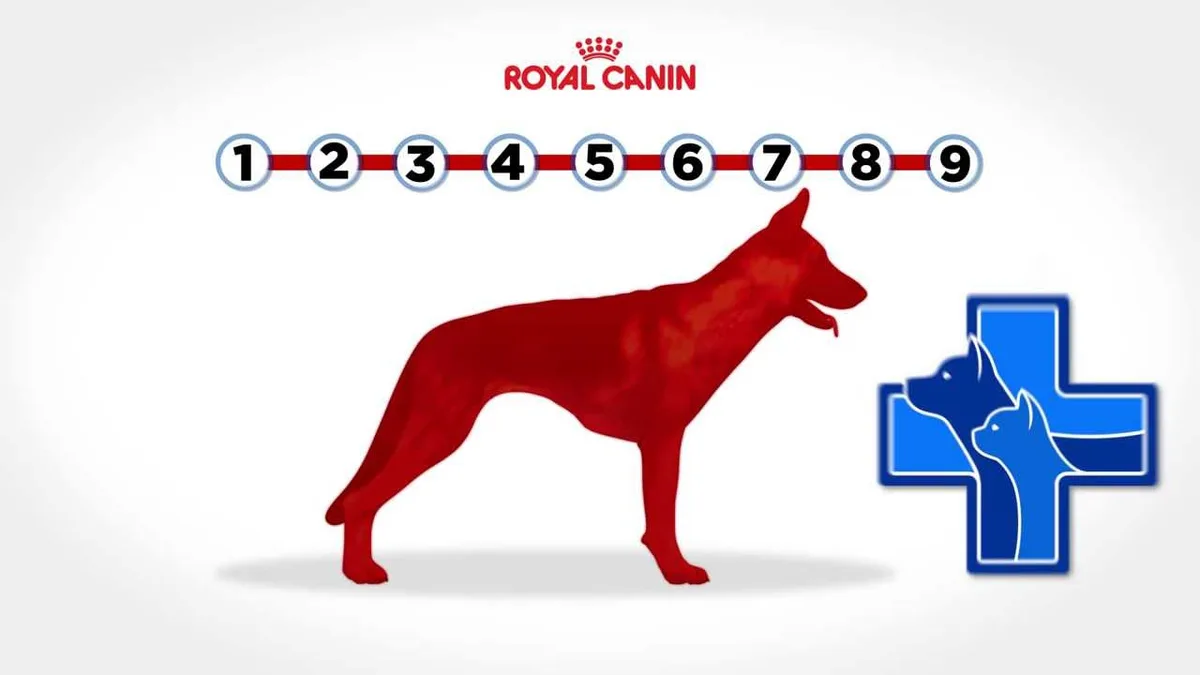
Your calculator provides an incredibly solid starting point. The real-world results shown by your pet dictate the final answer. You should commit to evaluating their Body Condition Score every single month.
The BCS provides a standardized physical test to check for hidden body fat. You want your dog sitting right at a four or a five on a nine-point evaluation scale. You should be able to feel the ribs easily under light pressure.
You do not want the individual ribs poking harshly through the skin.
Stand directly over the dog and look straight down at their back. They need a clearly visible waistline narrowing directly behind the rib cage. A thick and tubular shape means you are feeding too heavy.
Drop the daily measurement by five percent and evaluate them again two weeks later.
Frequently Asked Questions
Can I mix fresh dog food with dry kibble?
Yes, lots of owners combine fresh food and dry kibble to manage monthly grocery costs. You must track the exact calories for both distinct foods. Use a digital scale to measure a half portion of kibble and a half portion of fresh meat.
How long does it take to transition a dog to fresh food?
A gentle digestive transition roughly takes seven to ten days. You start by feeding twenty-five percent fresh food alongside their original diet. Increase the fresh mass slightly every second day.
Rushing this specific change usually triggers loose stools.
Does feeding fresh food mean smaller poops?
Fresh ingredients contain highly digestible raw components without heavy fiber fillers. Dogs biological systems absorb significantly more nutrients and pass less total waste. You notice much smaller and firmer stools within a few days of the switch.
Do I need to warm fresh meals before feeding?
You do not strictly need to warm food up. A lot of dogs simply prefer their meals raised closer to room temperature. A splash of warm water removes the refrigerator chill easily.
Never microwave meals that feature raw ground bone fragments.
Should I feed my dog once or twice a day?
Adult dogs function best with their total portion split into two daily meals. Serving one large morning bowl increases the risk of dangerous stomach bloat in deep-chested breeds. Breaking the fresh food into breakfast and dinner regulates blood sugar smoothly.
Step 3: Choose the Right Lifestyle Multiplier (MER)
Your pet does not lie completely still all day. You have to adjust your resting baseline to account for daily physical movement. We use a formula called the Maintenance Energy Requirement.
This lifestyle multiplier scales the baseline calorie count up or down safely.
An average neutered adult dog typically gets a multiplier of 1.6. You multiply their resting calorie number by 1.6 to locate your final daily feeding target. A highly active working breed might demand a multiplier of 2.0 or higher just to maintain their mass.
You must evaluate their actual daily exertion honestly. Accidental overestimation creates excessive weight gain quickly. A strict calculation keeps their energy levels perfectly balanced.
Step 4: Convert Kcal Needs to Grams or Ounces
You now possess a concrete daily calorie target. The next step transforms that invisible math into physical food inside the bowl. You have to identify the specific caloric density printed directly on your recipe packaging.
Manufacturers list this vital metric cleanly as calories per ounce or calories per kilogram. Divide your dog’s total daily calorie requirement by the calories contained in a single ounce. The final result tells you exactly how many ounces to serve each day.
Always use a reliable digital kitchen scale for tight accuracy. Place your dog’s empty bowl on the scale and press the tare button. Scoop the cold meal mixture directly into the dish until you hit the precise ounce target.
Doing this correctly avoids the stomach issues frequently linked to switching to a high-protein recipe.
Adjusting Portions for Puppies, Seniors, and Weight Loss
Canine metabolism shifts dramatically over a dog’s normal lifespan. You cannot stick to one rigid portion size forever. Their body demands entirely different energy outputs at various life stages.
Growing Puppies
Puppies burn massive amounts of daily energy building bone structure and fresh muscle tissue. A growing dog might temporarily require up to three times their resting energy baseline. You should check their weight weekly and recalculate their needs constantly.
Adjusting portions correctly is vital when feeding a recovering mother dog and her new pups.
Senior and Sedentary Dogs
Older dogs naturally slow down their daily movements. A dog past seven years old typically requires a lower multiplier falling around 1.2 or 1.4 for maintenance. Lowering the total calorie count prevents painful stress on aging joints.
Careful portion management supports long-term joint health when nourishing a senior small breed.
Highly Active and Working Dogs
Running dogs burn through their energetic fuel incredibly fast. Agility competitors and field hunting breeds often need twice the standard adult calorie count. You increase their food intake marginally on active duty days and reduce it during extended rest periods.
Dogs on a Weight-Loss Plan
Shedding pure body fat requires a sustained but safe daily calorie deficit. You calculate the energy requirement based firmly on their ideal future target weight rather than their current heavy mass. You then apply a restrictive 1.0 or 1.2 multiplier to safely drop the excess bulk without starving them.
Major Feeding Mistakes: Why Cups Don’t Work for Fresh Food
Plastic measuring cups represent the absolute biggest enemy of fresh diets. Cooked meats and diced vegetables contain heavy natural moisture. They pack completely irregularly into a cup and trap giant air pockets.
You could easily pull six ounces in the morning and nine ounces at night using the exact same plastic scoop.
Another frequent calculation error involves forgetting to count daily training treats. Treats should never exceed ten percent of your pet’s total daily calories. You must mathematically subtract your treat calories from the main bowl.
Feeding extra snacks on top of the calculated bowl leads to quiet but steady weight gain every month.
Finally, too many owners simply trust the generic feeding chart printed on the back of the box. Those broad charts boldly guess the needs of an imaginary average pet. Your actual dog might possess a terribly slow metabolism.
Relying exclusively on vague label charts is a common error when owners attempt managing a hound mix diet.
Using the Body Condition Score (BCS) to Fine-Tune Portions
Digital calculators offer a fantastic starting baseline. Your dog’s actual physical shape consistently determines the final correct answer. You should physically assess their body condition roughly every four weeks.
We call this diagnostic visual test the Body Condition Score.
The score ranks a dog on a specific nine-point veterinary scale. You want your pet sitting exactly at a four or a perfectly balanced five. You should feel their individual ribs easily beneath a thin surface layer of fat.
Standing directly above them should reveal a clear waistline visually tapering behind the ribs.
If your dog slowly loses that tucked waistline, they are gaining solid fat. You drop their daily portion size by exactly five percent. If their hip bones begin protruding sharply through the coat, you increase the daily food by five percent.
This continuous physical checking provides excellent consistent results when handling dogs with severe skin allergies.
Common Questions About Feeding Fresh Diets
Can I mix fresh and dry dog food?
Yes. Many owners feed a fifty-fifty split to manage monthly grocery costs. You just calculate the required calories for each half separately.
Always use your digital kitchen scale to measure both food types precisely.
How do I transition to a fresh diet?
Take at least seven to ten days for a full transition. Start with twenty-five percent fresh food combined with their old meals. Slowly increase the fresh ratio every second day.
This gradual shift prevents sudden stomach upset.
Should I warm up fresh dog food?
You never have to cook or heat complete fresh dog food. Many dogs prefer eating it completely cold straight from the refrigerator. You can mix in a splash of warm water if your pet refuses chilly meat.
Does fresh food change bathroom habits?
Yes. Fresh ingredients are highly digestible compared to heavily processed kibble. Your dog absorbs far more total nutrients from the bowl.
You will immediately notice much smaller and firmer stools in the yard.