Is Ollie Dog Food Organic? Step-by-Step
If you’re asking is ollie dog food organic, the short answer is no. Ollie makes fresh meals using whole ingredients, but they don’t hold a USDA Certified Organic label. That distinction trips up a lot of pet parents reading ingredient lists.
Our research into manufacturer specifications shows Ollie operates under AAFCO human-grade standards instead. This means every ingredient must be edible for humans and processed in FDA-compliant facilities. Let’s break down exactly what that means for your dog’s bowl.
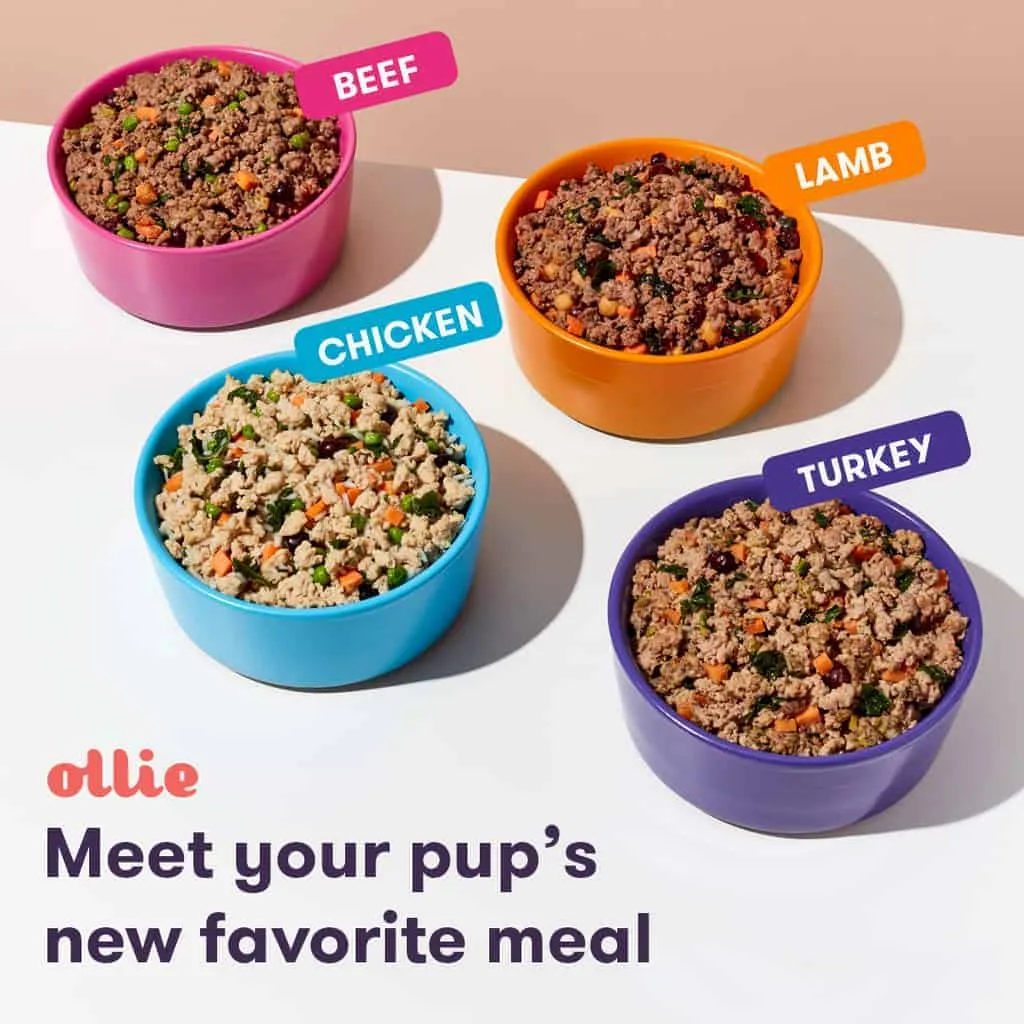
Image source: Bing (Web (fair-use with source credit))
Quick Answer
No, Ollie dog food is not organic. It lacks USDA Certified Organic status. The brand uses conventional whole ingredients.
All recipes meet human-grade safety standards. You get quality without the organic seal.
Is Ollie Dog Food Organic? The Quick Answer
Ollie dog food is not certified organic. The company focuses entirely on human-grade sourcing instead. They use real meats and vegetables grown through conventional farming methods.
You won’t find the green USDA organic seal on their packaging.
That doesn’t mean the food is low quality. Manufacturer documentation confirms every single ingredient meets human consumption standards. The meat comes from trusted farms, and the produce is whole.
Nothing is rendered or heavily processed before cooking.
We see this confusion constantly in our research. Pet owners assume “fresh” automatically means “organic.” Those are two completely different legal categories. One governs how crops are grown.
The other dictates where and how the food is prepared.
If you want strict organic compliance, Ollie isn’t your match. If you want highly digestible whole foods cooked safely, it fits perfectly. Understanding this difference saves you from paying for labels you don’t actually need.
Figuring out how much to serve daily matters just as much as picking the right sourcing standard.
Human-Grade vs. USDA Certified Organic: Why the Label Matters for Your Dog’s Health
Mixing up these two labels can lead you to buy the wrong food for your dog’s specific needs. Both represent high standards. They just measure completely different things.
Knowing the difference keeps you from overpaying for marketing buzzwords.
The USDA National Organic Program strictly regulates what earns an organic seal. Farms cannot use synthetic pesticides or fertilizers. Livestock must eat 100% organic feed without added hormones.
Facilities undergo rigorous annual inspections to maintain certification.
Image source: Bing (Web (fair-use with source credit))
What AAFCO Actually Requires for “Human-Grade” Claims
AAFCO defines human-grade pet food very specifically. Every ingredient must be fit for human consumption from start to finish. The manufacturing facility must also pass human food safety inspections.
Feed-grade plants simply don’t qualify.
This standard guarantees exceptional purity and traceability. It doesn’t dictate how the farmer grew the carrots. Conventional agriculture is perfectly fine under AAFCO rules.
The focus stays entirely on edibility and safe handling practices.
How USDA National Organic Program Standards Differ
Organic certification ignores the processing facility’s grade entirely. A product can be organic but made in a feed-grade plant. Conversely, human-grade food can use conventionally farmed chicken.
The goals just don’t overlap.
Here is how the two regulatory frameworks compare side by side.
| Standard | Primary Focus | Pesticide Rules | Facility Requirement |
|---|---|---|---|
| USDA Organic | Farming methods | Prohibits synthetics | Must handle organics properly |
| AAFCO Human-Grade | Ingredient edibility | Follows EPA limits | Must meet human food safety |
Choosing between them depends on your priorities. If avoiding agricultural chemicals is your main goal, seek true organic brands. If maximizing nutrient bioavailability and safety matters most, human-grade wins.
For dogs with sensitive stomachs, exploring gentler meal options often helps alongside choosing better ingredient grades.
Inside Ollie’s Recipes: Natural Ingredients Without the Organic Seal
Open a pack of Ollie, and you’ll see actual food. We’re talking diced sweet potatoes, whole peas, and visible cuts of meat. There are no mystery powders or unrecognizable extruded shapes hiding here.
Manufacturer specifications confirm their recipes rely on natural ingredients. In pet food labeling, “natural” means derived from plant, animal, or mined sources. These components avoid heavy synthetic processing.
But natural does not equal organic.
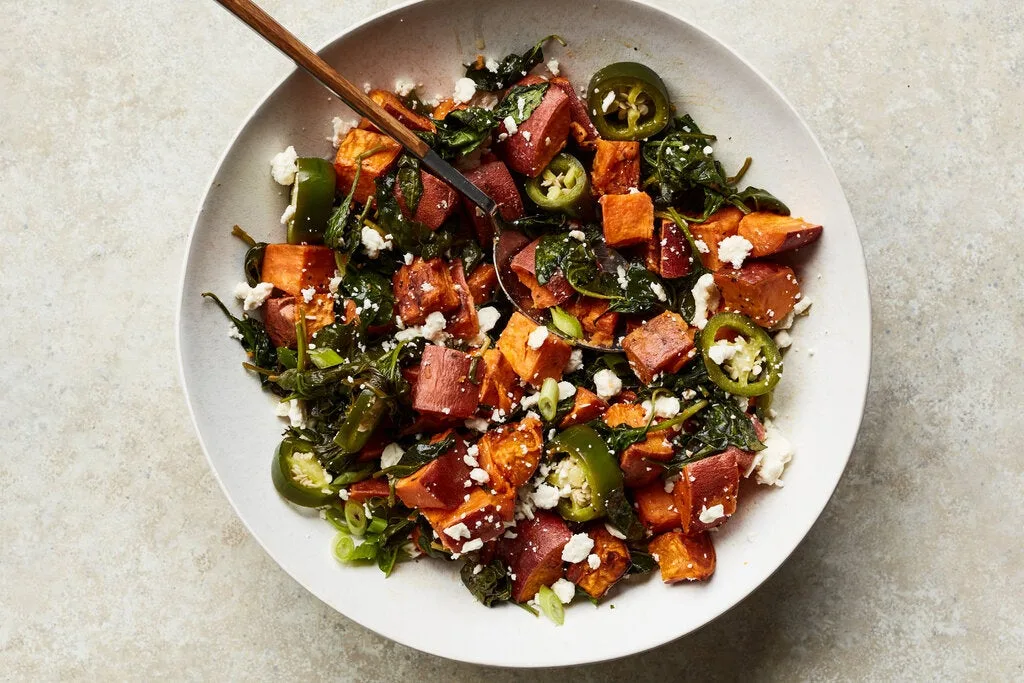
Image source: Bing (Web (fair-use with source credit))
A conventionally grown spinach leaf is completely natural. It might still carry trace pesticide residues within EPA limits. An organic spinach leaf was grown without those synthetic inputs.
Both are natural. Only one is organic.
Ollie chooses high-quality conventional sourcing to keep supply consistent. Finding enough certified organic beef to fulfill nationwide subscriptions would be nearly impossible. They prioritize reliable human-grade access over niche farming certifications.
Their gently cooked preparation method preserves the nutritional value of these whole foods. Kibble gets blasted at extreme temperatures during extrusion. Ollie cooks at much lower heat to protect amino acids and vitamins.
That gentle approach gives your dog better nutrient absorption regardless of the organic debate.
You’ll notice four core protein options in their lineup. Beef, chicken, turkey, and lamb form the base of every recipe. Each pairs with targeted vegetables to balance macronutrients.
If your dog reacts poorly to poultry, looking into alternative protein sources becomes essential.
When Skipping Certified Organic Pet Food is Safe (And When It Isn’t)
Pet food marketing thrives on guilt. Brands want you to feel like a bad owner if you skip the organic aisle. Our research suggests that narrative falls apart when you look at veterinary science.
There is currently no robust peer-reviewed evidence proving organic diets extend canine lifespans. Dogs thrive on bioavailability and balanced nutrition. Their bodies process highly digestible proteins efficiently.
The USDA stamp doesn’t magically make a chicken breast more nutritious for your pup.
Skipping organic is perfectly safe for the vast majority of healthy dogs. If your dog has normal digestion and steady energy, human-grade food delivers excellent results. You get the benefits of whole ingredients without the massive price premium attached to organic farming.
However, certain situations warrant seeking out strict organic certification. If your vet suspects chemical sensitivities, trace pesticides could trigger reactions. Dogs with severe environmental allergies sometimes respond better to cleaner agricultural inputs.
You should also consider organic if your household strictly avoids conventional produce. Maintaining one standard for the whole family simplifies grocery shopping. Just know you’ll pay significantly more for that consistency.
For most owners, investing in freshness beats chasing certifications. Gently cooked meals retain moisture and nutrients that kibble loses. Prioritizing that moisture content supports kidney function and overall vitality.
Always monitor how your dog handles dietary gaps if illness ever causes appetite loss.
How to Transition Your Dog to Ollie Fresh Meals Safely
Switching from dry kibble to fresh food requires patience. Your dog’s gut microbiome needs time to adapt to new textures and moisture levels. Rushing this process almost guarantees loose stools and digestive upset.
Plan for a seven to ten day transition window. Start by mixing a small amount of Ollie into their current food. Gradually increase the fresh portion while decreasing the old kibble each day.
Watch their stool quality closely throughout the entire process.
Here is a reliable schedule to follow based on aggregate user reviews.
| Days | Old Food Ratio | Ollie Ratio |
|---|---|---|
| 1 to 3 | 75% | 25% |
| 4 to 6 | 50% | 50% |
| 7 to 9 | 25% | 75% |
| 10+ | 0% | 100% |
Keep the food refrigerated until serving time. Frozen shipments must thaw completely in the fridge before hitting the bowl. Never leave fresh portions sitting out at room temperature for hours.
Bacteria multiply rapidly in moist, human-grade environments.
Thawing usually takes about 24 hours per container. Pull tomorrow’s meals out tonight so they are ready for breakfast. Serving cold food straight from the fridge can cause stomach cramping in smaller breeds.
Make sure your storage setup works before ordering. Large dogs require significant freezer space for monthly shipments. Calculate your available room carefully.
Understanding volume measurements for bulk feeding prevents storage headaches later.
Portion sizes matter just as much as the transition timeline. Ollie customizes boxes based on weight and activity level. Stick to their recommended scoop sizes.
Overfeeding fresh food leads to rapid weight gain because the caloric density differs wildly from puffed kibble.
Is Ollie Right for Your Dog? A Practical Decision Guide
Ollie fits specific households much better than others. If you want human-grade food without cooking it yourself, this subscription works well. But it isn’t a universal solution for every dog or budget.
You need to weigh your actual daily routine before committing.
Fresh food subscriptions demand freezer space and daily thawing. If your fridge is always packed, storing two weeks of meals becomes a real headache. Large breeds eat significantly more volume than small ones.
That means more boxes taking up valuable freezer real estate every single month.
Pricing scales directly with your dog’s size. Verified buyer feedback reports that feeding a 60-pound dog costs noticeably more than feeding a 15-pound terrier. You should calculate daily portions for larger dogs before signing up.
Knowing the exact financial commitment prevents surprise charges later.
Here is a quick breakdown to help you decide based on your situation.
| Scenario | Best Choice | Why It Fits |
|---|---|---|
| Picky eater refusing kibble | Ollie fresh meals | High moisture and strong natural aroma |
| Strict organic requirement | Certified organic brands | Meets USDA farming standards completely |
| Tight monthly budget | High-quality dry kibble | Lower cost per serving overall |
| Digestive sensitivity | Ollie gentle cooking | Avoids harsh extrusion temperatures |
If your dog struggles with standard commercial diets, fresh food often helps. The high moisture content supports hydration naturally. Whole ingredients digest faster than rendered meals.
Just remember that human-grade doesn’t automatically fix every medical issue.
You also need to consider their life stage. Puppies have very different caloric needs than senior dogs. Make sure you understand when dietary shifts happen as your dog grows.
Ollie customizes profiles for age, but you still need to monitor their weight closely.
Ultimately, the decision comes down to convenience versus control. Ollie handles the recipe formulation and portion math for you. You just thaw and serve.
If that trade-off makes sense for your schedule, it delivers excellent nutritional value without the organic price premium.
Frequently Asked Questions
Does Ollie use any organic ingredients in their recipes?
Ollie may source individual ingredients from farms using organic practices. However, the final product lacks official USDA certification. Without that seal, they cannot legally market the food as organic.
They prioritize human-grade edibility over strict agricultural certifications.
Is human-grade dog food safer than organic dog food?
Both standards offer excellent safety profiles. Human-grade ensures the facility meets FDA food safety rules for people. Organic ensures crops avoid synthetic pesticides during growth.
Neither standard is inherently safer. They simply regulate different parts of the supply chain.
Can I mix Ollie fresh food with regular dry kibble?
Yes, many owners use fresh food as a meal topper. This approach stretches your budget while adding whole-food nutrients. Just adjust the total calories so your dog doesn’t gain excess weight.
Mixing textures also encourages picky eaters to finish their bowls. Adding nutrient boosters to meals works well alongside fresh portions.
Why does Ollie cost more than standard grocery store brands?
The higher price reflects manufacturing requirements. Human-grade facilities cost significantly more to operate than feed-grade plants. Whole meats and fresh vegetables also carry higher raw material costs.
You are paying for ingredients fit for human consumption rather than agricultural byproducts.
Does Ollie offer grain-free recipes for sensitive dogs?
Ollie provides recipes tailored to various dietary needs. Their turkey and lamb options work well for dogs avoiding common grains. Always consult your veterinarian before eliminating grains entirely.
Some dogs actually digest certain ancient grains better than heavy starch alternatives like potatoes.