Soften Hard Dog Food: Easy Tips
You're wondering how to soften hard dog food because your furry friend might be having some trouble with their kibble. Maybe they're a bit older, have a sensitive mouth, or are just plain fussy about mealtime. It’s a common concern that many dog parents face, and thankfully, it’s usually quite a simple fix that can make a world of difference for your dog’s comfort and enjoyment of their food.
Per industry standards for pet nutrition, ensuring dogs can comfortably consume their food is a core aspect of their well-being. This guide focuses on practical methods to transform tough kibble into a more palatable meal. We'll walk you through the easiest ways to make mealtime a breeze, ensuring your dog gets the nutrition they need without any unnecessary chewing difficulty.
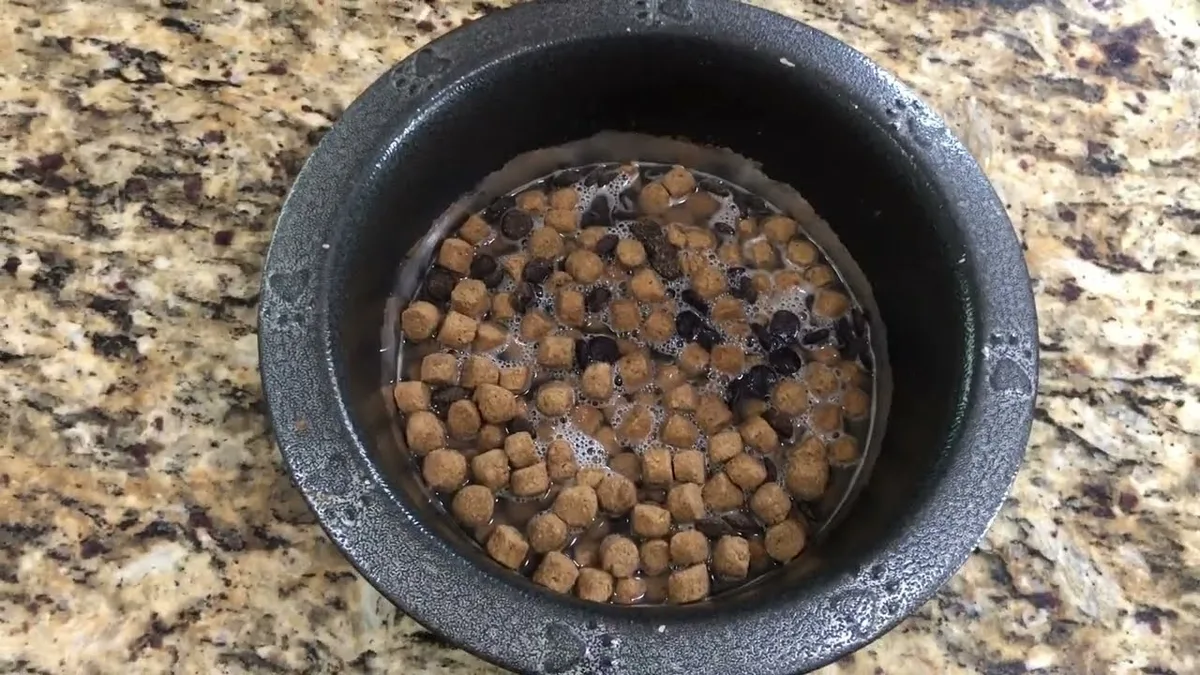
Image source: YouTube / Zerk Ziegler (YouTube thumbnail (fair-use with source credit))
Quick Answer
To soften hard dog food, you can simply soak kibble in warm water for 10-20 minutes. Alternatively, use unsalted chicken or beef broth, or mix a small amount of wet dog food into the kibble. This makes it easier to chew and can increase hydration.
Always use lukewarm liquids and prepare food fresh for each meal to avoid spoilage.
Why Soften Your Dog's Kibble? Understanding the Need
So, why bother softening dry dog food? It often comes down to making mealtime easier and more enjoyable for your dog. Hard kibble, while convenient, can present challenges for various reasons.
For instance, many dogs, especially puppies still developing their teeth or seniors experiencing age-related dental wear, might find chewing tough bits uncomfortable. Our research indicates that a dog’s ability to chew properly directly impacts their enjoyment of food and can even influence their willingness to eat.
Beyond physical comfort, softening kibble can be a clever strategy to boost your dog's overall hydration and aid digestion. For dogs who aren’t big water drinkers, adding moisture directly to their food bowl is an effective method. This extra hydration can help keep their system running smoothly.
As of 2026, veterinarian recommendations frequently highlight increased moisture intake as beneficial for a variety of canine health aspects, from kidney function to skin and coat health.
The Go-To Method: Simple Water Soak for Softer Kibble
This is your first and often best option: just adding plain water. It’s incredibly simple, requires zero special ingredients, and is safe for almost all dogs. The goal here is to rehydrate the kibble, making it pliable and significantly easier to chew.
It’s a gentle approach that can also provide a small boost of hydration, which is always a good thing for our canine companions.
Image source: YouTube / Zerk Ziegler (YouTube thumbnail (fair-use with source credit))
Step-by-Step: How to Perfectly Soak Your Dog's Kibble
Getting this right is all about a little patience and the right ratio. Here’s how to do it:
- Measure Kibble: Start with your dog’s normal portion of dry kibble. It's crucial not to overdo it, as kibble expands when it absorbs water.
- Add Warm Water: Pour enough lukewarm water into the bowl to just cover the kibble. Think of making a bowl of oatmeal, you want it just submerged, not swimming.
- Stir Gently: Give it a quick stir to ensure all the kibble pieces get some moisture.
- Let it Sit: Allow the kibble to soak for about 10 to 20 minutes. During this time, you can stir it again once or twice to help the process along.
- Check Consistency: The kibble should be noticeably softer and slightly swollen. If there’s a lot of excess water, you can either drain it off or let your dog enjoy a bit of "gravy."
This method is particularly useful if your dog is transitioning to solid food or has minor chewing sensitivities. It’s a practical way to ensure they aren't struggling with their meals.
Some dogs might have specific dietary needs that influence their food choices, such as when they require specialized diets for joint support. For those seeking options, reviewing what helps keep dogs nimble might be a useful consideration: best dry dog food for arthritis.
Adding Flavor: Softening Kibble with Unsalted Broth
Want to make mealtime extra exciting? Swapping plain water for unsalted broth can seriously up the ante for flavor and aroma, often enticing even the pickiest eaters. It’s a great way to add a touch of palatability without resorting to unhealthy additives or table scraps.
The key here is unsalted and plain. You're looking for something like a simple, low-sodium chicken or beef broth. Many generic broths contain onion or garlic powder, which are toxic to dogs, or excessive sodium that can be harmful.
Always check the ingredient list carefully to ensure it’s dog-safe. If you’re unsure, sticking to plain water is always the safest bet.
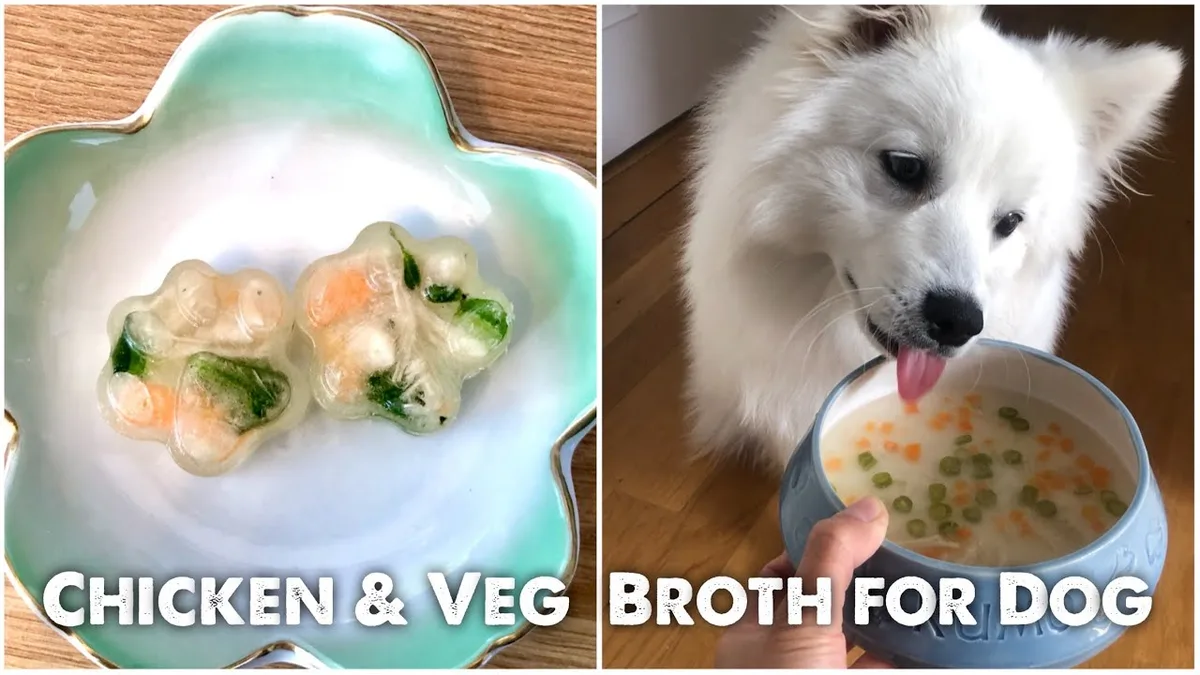
Image source: YouTube / All About Kumo (YouTube thumbnail (fair-use with source credit))
Using a good quality, unsalted broth can also add a little something extra nutritionally, though its primary role here is as a flavor enhancer. If your dog needs a diet tailored for specific issues, like allergies, it’s important to pick a broth free from common allergens: dog food for allergy prone dogs.
Broth Choices & What to Watch Out For
When selecting a broth, always prioritize your dog's safety. Here’s a quick rundown:
- Safe Bet: Unsalted, plain chicken, beef, or vegetable broth specifically marketed as "dog-friendly" or with a simple ingredient list (just meat/vegetable stock and water).
- Avoid: Broths containing onion, garlic, chives, shallots, or high levels of sodium. These ingredients can cause serious health problems for dogs. Artificial flavors, colors, and preservatives should also be avoided.
- Temperature: Just like with water, use lukewarm or cool broth. Never serve hot liquids, as they can scald your dog’s mouth and throat.
The process is identical to the water soak: measure kibble, add broth to cover, stir, and let sit for 10-20 minutes. Drain any excess liquid if your dog prefers a less soupy consistency.
Mixing it Up: Using Wet Food to Soften Kibble
If you’ve got a can of wet dog food sitting around, it can be a fantastic ally in softening kibble. This method is great because it introduces a different texture and often a richer flavor profile, making the meal more appealing. It’s a simple way to add variety and moisture to your dog’s diet.
You don't need a lot of wet food for this. Just a spoonful or two mixed into the dry kibble is usually enough. The moisture from the wet food starts to penetrate the kibble, softening it over time.
This hybrid approach can be particularly effective for dogs who are transitioning from puppy food to adult formulas or those who are recovering from illness and need an extra incentive to eat.

Image source: YouTube / Veterinary Secrets (YouTube thumbnail (fair-use with source credit))
It’s also a good strategy for owners who prefer to feed kibble for dental benefits but want to add a little something special. For instance, if you have younger dogs that are still growing, ensuring they have adequate protein and nutrients is key. Checking out guides on food for growing canines can provide insights: dry dog food for golden retriever puppies.
How to Combine Kibble and Wet Food
Here’s a straightforward way to create this mixed meal:
- Portion Kibble: Add your dog's regular amount of dry kibble into their food bowl.
- Add Wet Food: Spoon in a small portion of wet dog food. The exact amount depends on your dog's appetite and dietary needs, but start with about 1, 2 tablespoons per cup of kibble.
- Mix Thoroughly: Use a spoon or fork to mix the wet food into the kibble until it’s well distributed. You can even add a tiny splash of water if you want to create a bit more moisture and gravy.
This method is ideal for dogs who enjoy a mix of textures and flavors. It’s also a great way to stretch a can of wet food further if you're on a budget, ensuring your dog still enjoys a varied and nutritious diet.
Tailoring Your Method: Which Softening Technique is Best For Your Dog?
Deciding which softening method to use really comes down to your dog's specific situation. There isn't a one-size-fits-all answer, as a puppy’s needs differ greatly from a senior dog’s, and a pampered pet might simply need a flavor boost. Let's break down the best approach for different scenarios.
Consider the overall health and age of your dog. For example, the quantity of food needed changes with age and breed size. Understanding how much food to feed your dog by weight is fundamental for managing their diet effectively, whether the food is hard or soft.
For Puppies: Gentle Start to Solid Food
Puppies are often transitioning from milk or gruel to solid kibble. Their little jaws and developing teeth might not be ready for extremely hard pieces. Softening kibble makes it much easier for them to manage and swallow, reducing the risk of choking or digestive upset as they learn to eat solid food.
- Best Method: A simple water soak is usually perfect for puppies. It gently softens the kibble without adding extra calories or complex ingredients.
- Why it works: It mimics the consistency of their mother's milk or softer puppy gruels, making the transition smoother.
- When to switch: Many dog owners start puppies on softened food from weaning until they are a few months old. You can gradually reduce the soaking time or water amount as their teeth mature. You might also consult resources on when can I feed my puppy dry dog food for developmental timelines.
For Seniors: Easing Dental Discomfort
Age can bring about dental issues like gum disease, worn teeth, or even tooth loss in senior dogs. Chewing hard kibble can become painful, leading them to avoid eating or only eat small amounts. Softening their food makes it comfortable for them to eat, ensuring they still get the vital nutrition they need.
- Best Method: A thorough water soak or using unsalted broth are excellent choices. Some owners also find success by mixing softened kibble with a small amount of specialized wet food formulated for seniors.
- Why it works: It removes the chewing effort and any potential pain associated with hard kibble. This is crucial for maintaining their weight and overall health.
- Special considerations: Look for dog foods designed for senior dogs, which often have added supplements for joint health or are formulated for easier digestion. These can benefit from softening: 10 best food for senior small dogs or 10 best dog food for large breed senior reviews in 2026.
Image source: YouTube / Veterinary Secrets (YouTube thumbnail (fair-use with source credit))
For Picky Eaters: Boosting Appetite with Softened Food
Some dogs are just naturally more discerning about their meals. If your dog turns their nose up at kibble, adding moisture can unlock its full aroma, making it much more appealing. This can turn mealtime from a chore into something they truly look forward to.
- Best Method: Using unsalted broth or a mix of kibble with a small amount of wet food often works best here. The enhanced scent and flavor can be highly enticing.
- Why it works: The increased aroma and slightly different texture signal "delicious food" to a picky dog's senses.
- Patience is key: You might need to experiment with different broths or types of wet food to find your dog's favorite combination. For owners of small breeds, finding the right food can be even more specific: best dog food for small adult dogs or best dry food for Havanese dogs.
Crucial Mistakes to Avoid When Softening Dog Food
While it’s a simple process, there are a few common missteps that can turn a helpful meal prep into a problem. Being aware of these pitfalls ensures you’re doing the best for your dog every time.
Incorrectly preparing the food could lead to spoilage, which introduces harmful bacteria into your dog’s diet. This can cause gastrointestinal upset, vomiting, or diarrhea. It's vital to treat softened food with the same care you would any perishable item.
Temperature Blunders & Spoilage Traps
One of the most critical errors is using hot water or broth. Scalding liquids can cause burns to your dog’s mouth and esophagus, leading to pain and potential injury. Always opt for lukewarm or cool liquids.
Another common mistake is leaving softened food out for too long. Kibble that has been reconstituted with water or broth is much more perishable than dry kibble. It can quickly become a breeding ground for bacteria, especially in warmer environments.
- The Rule: Always prepare softened food right before your dog's mealtime.
- Leftovers: If your dog doesn't finish their meal, discard any remaining softened food within 20, 30 minutes. It's not worth the risk of spoilage.
- Storage: Never store pre-soaked kibble. It’s meant to be fresh for immediate consumption.
This practice is especially important if you’re dealing with dogs who have health conditions, like those with specific digestive issues: best dog food for protein losing enteropathy.
Expert Tips for Optimal Softened Food Prep
Beyond the basic steps, a few expert insights can elevate your softened kibble game. These are small adjustments that can make feeding time even better for your canine companion. Consider these tips to ensure you’re getting the most out of this simple preparation.
Our research into pet nutritionists' practices reveals that paying attention to detail can significantly improve mealtime. For example, pre-warming broth slightly can enhance its aroma, making it more appealing to your dog without being too hot.
- Ratio Control: Experiment with the water-to-kibble ratio. Some dogs prefer a slightly soupy consistency, while others want their kibble just softened.
- Additives: If approved by your vet, consider adding a tiny amount of plain, unsweetened yogurt or a small portion of a dog-safe vegetable purée (like pumpkin) for added nutrients and fiber. Always double-check ingredients for safety.
- Variety: Rotate between soaking in water and using unsalted broth to keep things interesting for your dog. This also helps ensure they get a varied intake of nutrients and flavors, which is important for sustained appetite. For breeds with particular needs, like those prone to kidney issues, consulting expert guides is key: best food for kidney failure in dogs.
These small additions can make a big difference, especially for dogs who are recovering from illness or have specialized dietary requirements. Always consult your veterinarian before making significant changes to your dog's diet or adding new ingredients.