
Everything About What Happens If My Dog Eats Cat Food
Your dog just ate the cat’s food. You’re probably wondering what happens if your dog eats cat food. Although cat food does not contain poison for dogs, it can cause your dog some stomach discomfort. Cat food has more calories, fat, and protein than dog food.
For example, a 5.5-ounce can of cat food has 200-300 calories, a big meal for a small dog. One stolen meal may not harm your dog, but frequent stealing of meals can lead to pancreatitis.
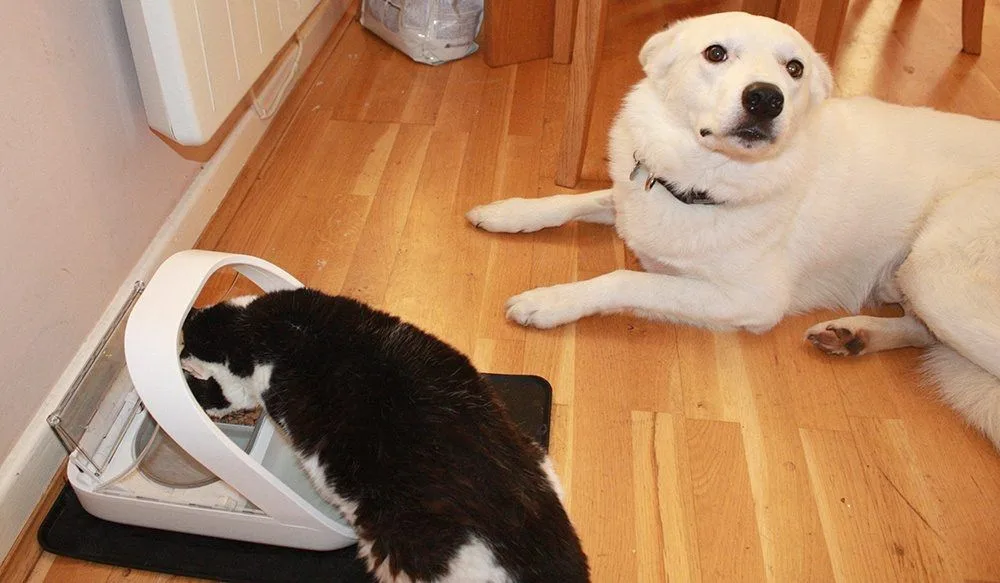
Image source: Web (Bing) / dogingtonpost.com (Web image (fair-use with source credit))
Quick Answer
If your dog eats cat food, most cases are mild. Your dog may get an upset stomach, and diarrhea can also happen. High-fat cat food can trigger pancreatitis.
Watch for symptoms for 72 hours. Call your vet if you see repeated vomiting or pain.
What Really Happens When Your Dog Eats Cat Food
Cat food is not toxic to dogs. That’s the first thing to understand. The ASPCA does not list commercial cat food as a poison.
So a single stolen meal rarely causes lasting harm.
But “not toxic” doesn’t mean “no risk.” Cat food is richer than dog food. It has more fat, more protein, and often more calories per bite. Your dog’s digestive system is built for a different nutrient balance.
When a dog eats cat food, the most common outcome is mild gastrointestinal upset. You might see soft stool, a little vomiting, or some gas. These signs usually show up within a few hours.
They often pass on their own within 24 hours.
The bigger concern is pancreatitis. That’s inflammation of the pancreas. High-fat meals are a known trigger.
A 2018 study in the Journal of Veterinary Internal Medicine found that dogs with a history of pancreatitis often had a recent high-fat meal. Cat food can be that meal.
There’s also bloat risk. If your dog eats a huge amount of dry cat food, the stomach can fill with food and gas. That’s called food bloat.
In severe cases, it can twist into gastric dilatation-volvulus, or GDV. GDV is a life-threatening emergency.
Finally, watch for packaging. If your dog ate the bag or can, that’s a foreign body risk. That needs a vet visit, not home monitoring.
Why Cat Food Isn’t Toxic but Can Still Cause Pancreatitis and GI Trouble
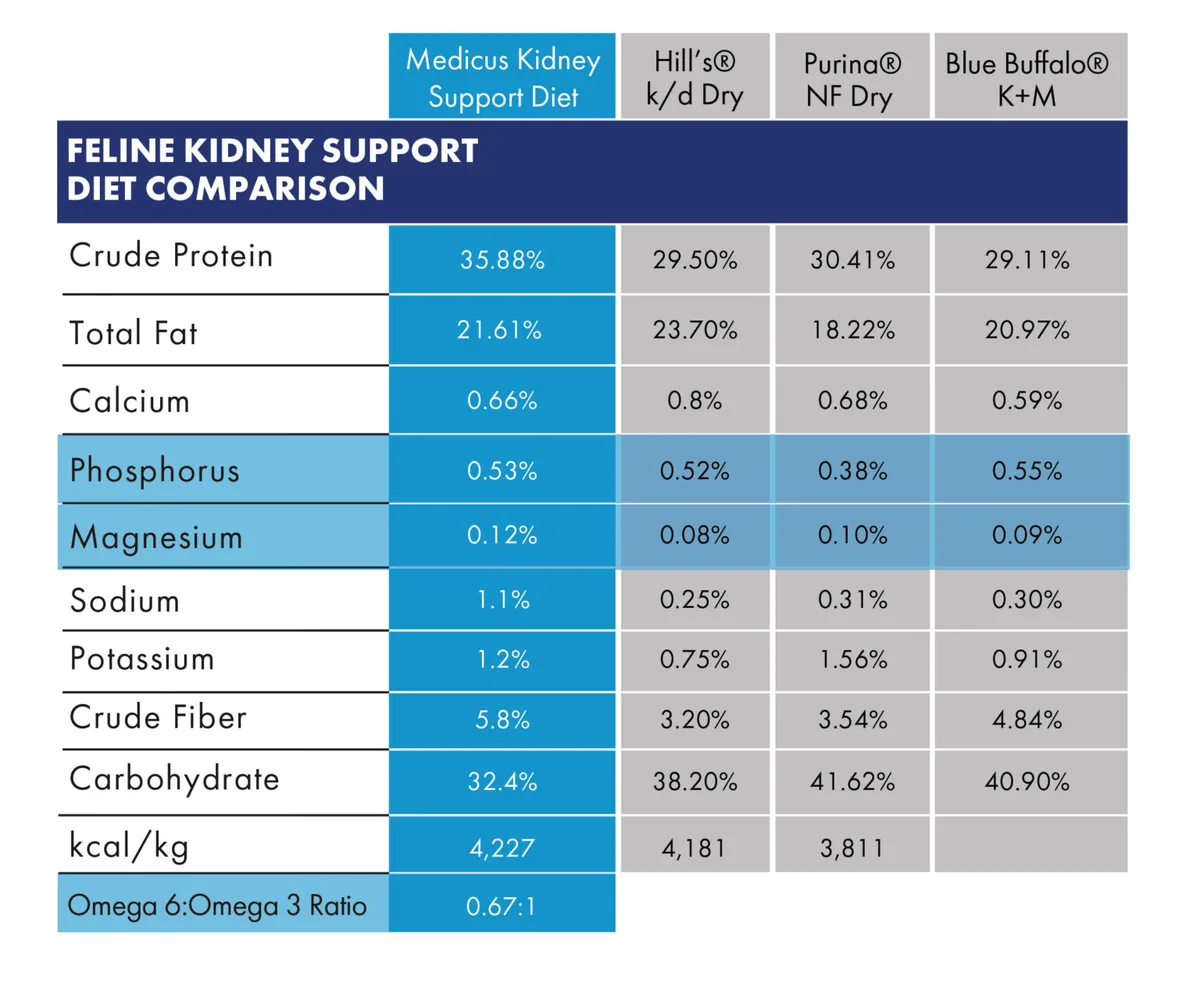
Image source: Bing (Web (fair-use with source credit))
Cat food is made for cats. That sounds obvious, but it matters. Cats are obligate carnivores.
They need high protein and certain nutrients dogs can make on their own. Feline diets are formulated to meet AAFCO cat food nutrient profiles. Those profiles are different from dog food profiles.
The key difference for dogs is fat. Many cat foods, especially wet and kitten formulas, run 20 to 30 percent fat on a dry matter basis. Some premium brands go higher.
A typical adult dog food sits around 10 to 15 percent fat. That gap is what causes trouble.
When a dog eats a fatty meal, the pancreas works overtime. In sensitive dogs, that can spark pancreatitis. Symptoms include vomiting, abdominal pain, and lethargy.
Pancreatitis can be mild or severe. Severe cases need hospitalization and IV fluids.
Long-term, cat food is also unbalanced for dogs. It has too much protein and fat for most dogs. It lacks the right calcium-to-phosphorus ratio.
It can lead to obesity and nutritional deficiencies over months. If your dog has a sensitive stomach, a gentler diet is a better choice.
So the short answer: one bite is usually fine. A full meal is a risk. A full bag is a potential emergency.
Risk Factors That Change the Outcome: How Much, What Kind, and Which Dog
Not every cat food theft is equal. Use this table to gauge your situation. The more factors that stack up, the more cautious you should be.
| Factor | Lower Risk | Higher Risk |
|---|---|---|
| Amount eaten | A few bites | Full bowl or bag |
| Food type | Dry adult maintenance | Wet, kitten, or high-fat |
| Dog size | Large breed | Toy or small breed |
| Health history | Healthy, no prior issues | Pancreatitis, obesity, diabetes |
| Co-ingestants | Plain cat food | Onion, garlic, xylitol, chocolate, grapes |
A few bites of dry adult cat food in a healthy Labrador is low risk. A whole can of kitten pâté in a Miniature Schnauzer with a pancreatitis history is high risk. Size matters because a small dog gets a much larger dose per pound.
Health history is the biggest wild card. Dogs with prior pancreatitis, hyperlipidemia, or diabetes are far more sensitive to fatty meals. So are dogs on certain medications, like corticosteroids.
If your dog falls into that group, call your vet even for a small amount.
Watch for toxic ingredients too. Some cat foods contain onion powder or garlic powder. Those are toxic to dogs.
Xylitol can appear in some specialty or dental cat treats. If you see any of these on the label, treat it as an emergency. Our guide to safe human foods covers more of these hidden risks.
Symptoms to Watch for in the First 12 to 72 Hours
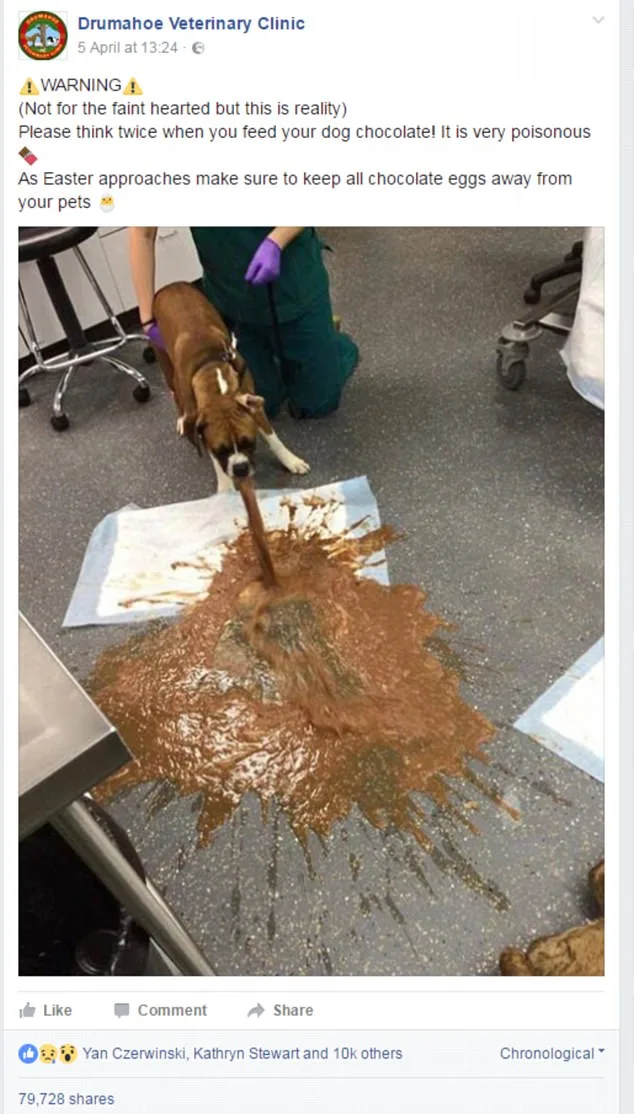
Image source: Web (Bing) / dailymail.co.uk (Web image (fair-use with source credit))
Most symptoms show up within 12 to 24 hours. But pancreatitis can take up to 72 hours to appear. So keep watching for three full days.
Here’s what to look for.
- Vomiting: One or two episodes may be mild. Repeated vomiting is a red flag.
- Diarrhea: Soft stool is common. Bloody or black stool needs urgent care.
- Lethargy: A tired dog after a big meal is normal. A dog who won’t get up is not.
- Abdominal pain: Look for a hunched back, whining, or flinching when you touch the belly.
- Loss of appetite: Skipping one meal is okay. Refusing all food for 24 hours is not.
- Bloated abdomen: A hard, swollen belly can mean food bloat or GDV. That’s an emergency.
- Restlessness: Pacing, panting, or unable to settle can signal pain.
If you see one mild symptom, monitor closely. If you see two or more, call your vet. If you see repeated vomiting, bloody diarrhea, collapse, or a bloated belly, go to an emergency clinic now.
You can read more about when to pause meals after vomiting.
What to Do Right Now: Monitor at Home vs Call the Vet vs Emergency Visit
Use this if/then logic to decide your next step.
If Your Dog Ate a Small Amount and Seems Fine
Monitor at home for 72 hours. Keep fresh water available. Skip the next scheduled meal if your vet agrees.
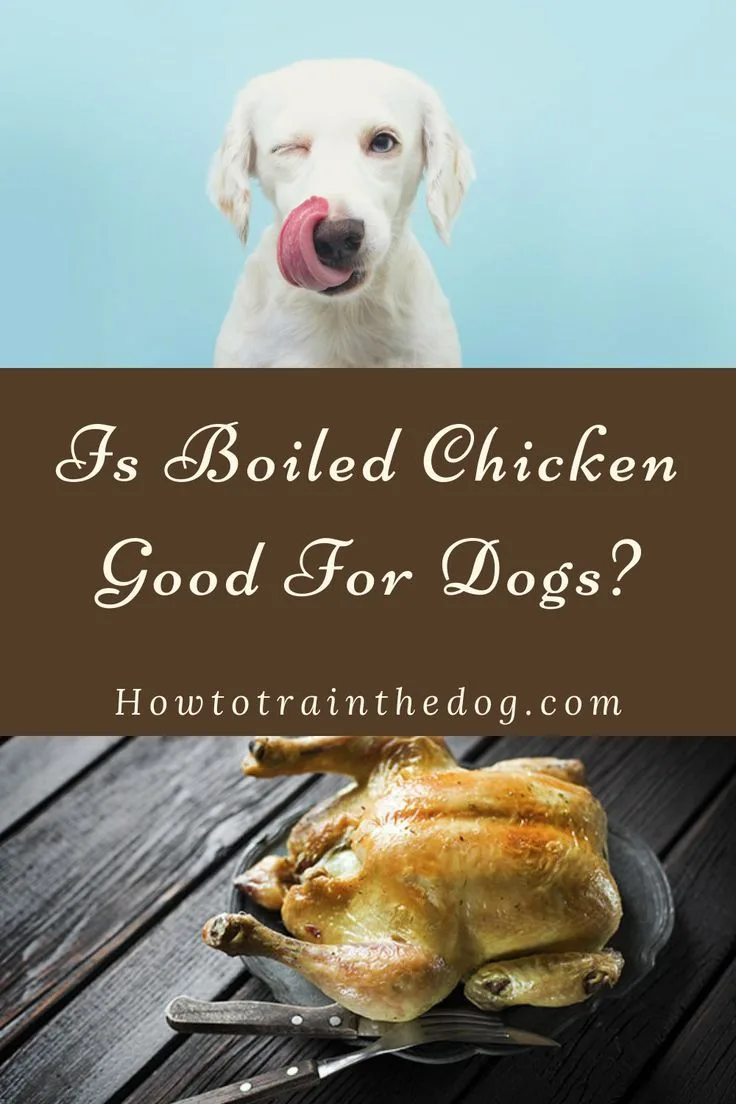
Then offer a small bland meal, like boiled chicken and rice. The right bland diet base matters. Watch for any symptom change.
If Your Dog Ate a Lot, Ate Fast, or Has Health Issues
Call your vet or a pet poison hotline. The ASPCA Animal Poison Control Center is a good resource. Have your dog’s weight, the amount eaten, and the food label ready.
Your vet may recommend bloodwork or a cPLI test to check for pancreatitis.
If the Cat Food Contained Onion, Garlic, Xylitol, Chocolate, Grapes, or Raisins
Go to an emergency vet. Do not wait for symptoms. These ingredients can cause serious harm.
Onion and garlic damage red blood cells. Xylitol causes dangerous hypoglycemia. Grapes can lead to kidney failure.
If You See Vomiting, Diarrhea, Lethargy, or Abdominal Pain
Call your vet immediately. Describe the symptoms and timing. Do not give human medications like ibuprofen or acetaminophen.
Those are toxic to dogs. Do not induce vomiting unless a vet tells you to.
Prevention is easier than treatment. Keeping pets out of each other’s bowls solves most of this. If you need help with that, we have tips on stopping the bowl swap.
And if your dog needs a gentle recovery diet, look at sensitive stomach wet food options.
Common Mistakes Dog Owners Make After a Cat Food Scandal
Most bad outcomes after a cat food theft come from what owners do next, not from the food itself. Here are the errors we see most often.
- Waiting for symptoms before calling anyone. Pancreatitis can take up to 72 hours to show. By the time your dog is vomiting and hunched over, the inflammation is already underway.
- Assuming “a little bit” means nothing. A few bites of dry food is low risk. A few bites of kitten pâté in a 10-pound dog is not. Judge by dose per pound, not by how full the bowl looked.
- Inducing vomiting at home. Never do this unless a vet tells you to. It can cause aspiration pneumonia or make a sharp package fragment worse.
- Reaching for human pain meds. Ibuprofen, naproxen, and acetaminophen are all toxic to dogs. They can cause kidney failure or liver damage.
- Skipping the label check. Onion powder, garlic powder, and xylitol hide in some cat foods and treats. If you don’t read the ingredients, you can’t judge the real risk.
- Letting the dog free-feed for the rest of the day. An already stressed gut doesn’t need more food piled on top. Rest it, then reintroduce a bland meal.
- Ignoring a dog who seems “just tired.” Lethargy plus a hard belly is a classic GDV pattern. That’s a minutes-matter emergency, not a wait-and-see.
The ASPCA keeps a full list of household toxins if you want to cross-check ingredients. When in doubt, call a hotline before you guess.
How to Prevent Cat Food Stealing in a Multi-Pet Home
Prevention is the whole game here, and it’s simpler than most people think. You don’t need to police the house. You need to remove access.
Start with feeding zones. Cats should eat in a separate room, behind a baby gate, or on an elevated surface the dog can’t reach. A countertop works if your cat can jump and your dog can’t.
If your dog is the athletic type, a microchip-activated cat feeder is the strongest fix. The lid only opens for your cat’s chip. That single device solves most of this problem.
| Method | Best For | Limitation |
|---|---|---|
| Separate rooms | Most homes | Needs two closed doors |
| Elevated cat bowl | Agile cats, small dogs | Won’t stop large dogs |
| Microchip feeder | Determined dogs | Higher upfront cost |
| Scheduled meals | Busy households | Requires strict timing |
Scheduled feeding beats free-feeding in almost every multi-pet home. Put the food down, give the cat 15 minutes, then pick the bowl up. Nothing left out means nothing to steal.
Train a solid “leave it” cue too. It won’t stop a determined dog mid-sprint, but it buys you a second to intervene.
Finally, lock the cat food away. A cabinet latch or a sealed storage bin keeps a bored dog from tearing into a full bag at 2 a.m. If your dog has already developed a taste for the wrong bowl, our tips on keeping the swap from happening again are worth a read.
Frequently Asked Questions
Is cat food poisonous to dogs?
No. Commercial cat food isn’t listed as toxic for dogs. The real risks are high fat content and a nutrient balance built for cats, not dogs.
One small taste is usually harmless. A large meal can trigger pancreatitis or serious stomach upset.
How long after eating cat food will my dog get sick?
Most mild stomach upset shows up within 6 to 12 hours. Pancreatitis symptoms can take 24 to 72 hours to appear. That’s why vets recommend watching your dog for a full three days, even if they seem fine right after.
How much cat food is dangerous for a dog?
There’s no single number. It depends on your dog’s weight, the fat content, and their health history. As a rough guide, a whole can or a large handful of dry food in a small dog or a dog with prior pancreatitis is enough to call your vet.
Can cat food give my dog pancreatitis?
Yes, it can trigger it. High-fat meals are one of the best-documented triggers for canine pancreatitis. Cat food, especially wet and kitten formulas, often runs 20 to 30 percent fat on a dry matter basis.
That’s roughly double what most dog foods contain.
Should I make my dog vomit after eating cat food?
Only if a veterinarian tells you to. Inducing vomiting at home is risky and can cause choking or aspiration. If the cat food contained onion, garlic, xylitol, chocolate, or grapes, go straight to an emergency clinic instead of trying anything at home.
What should I feed my dog after a cat food upset?
Offer a bland, low-fat meal once the stomach has settled. Boiled chicken with plain rice is a common choice, and the type of rice you pick actually matters. Skip anything greasy and keep portions small for the first day.
If your dog won’t eat at all, that’s a vet call, not a wait-and-see.

2 Comments