Is Dog Food Safe to Eat for Humans ? Complete Guide
If you are wondering whether dog food is safe to eat for humans, the short answer is no. Eating pet food carries real health risks that most people overlook. It is formulated for a completely different digestive system.
Your body cannot process it safely over time.
In our research into manufacturing standards, we found that feed-grade ingredients allow higher limits for heavy metals and mold toxins than human food permits. The FDA regulates animal feed under different safety thresholds than groceries. That gap alone creates serious risks.
Let us look at exactly what happens when humans eat kibble.
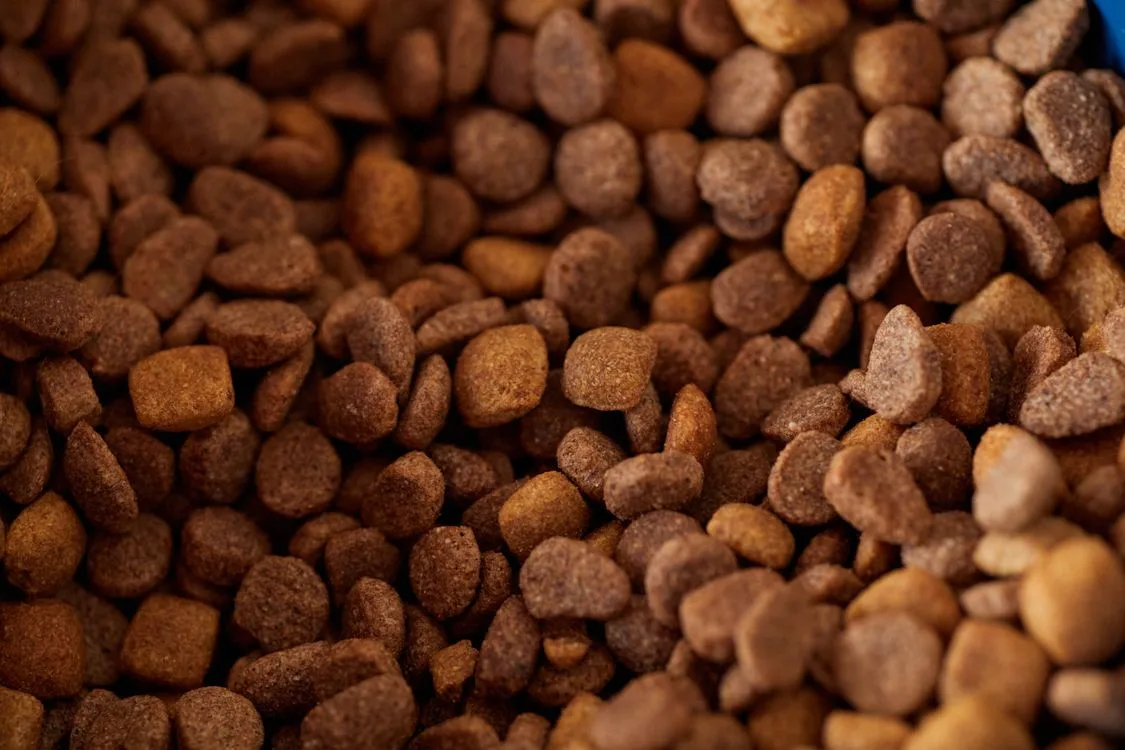
Image source: Bing (Web (fair-use with source credit))
Quick Answer
Dog food is not safe for humans to eat. It contains feed-grade ingredients unfit for people. Dogs digest bacteria that would make humans very sick.
Nutrient levels target canine biology, not ours. Eating it regularly causes real harm.
Feed-Grade vs. Food-Grade: What’s Really Inside That Bag of Kibble
Feed-grade ingredients are legally permitted to come from sources banned in human food production. That includes meat from diseased animals or those that died before slaughter. The industry calls this 4D meat.
It stands for dead, dying, diseased, and disabled animals. Manufacturers render these parts down into protein meals and fats.
Food-grade ingredients must meet strict FDA safety standards for human consumption. Pet food does not follow those same rules. The Association of American Feed Control Officials sets guidelines specifically for animal diets.
Those guidelines tolerate higher levels of contaminants like mycotoxins and mineral ash.
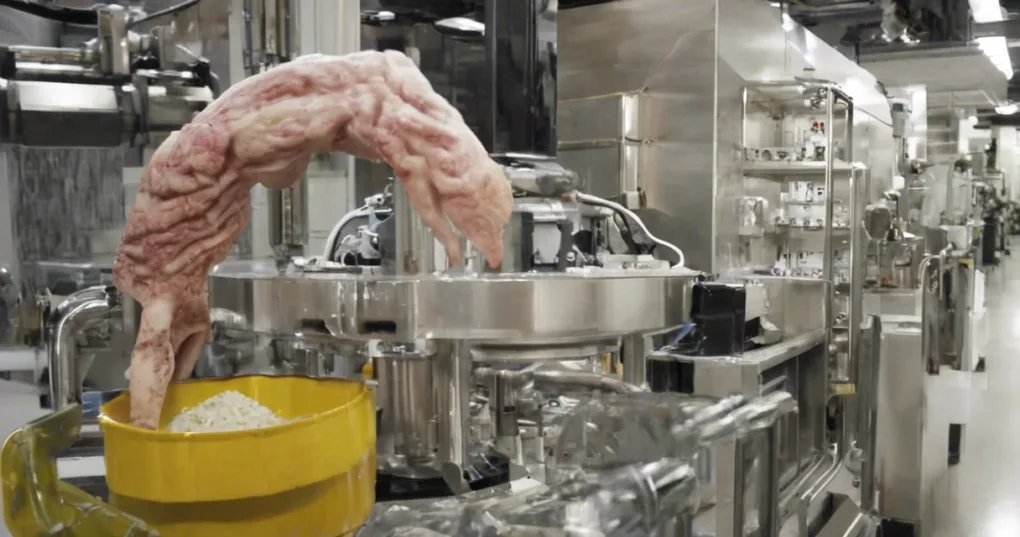
Image source: Bing (Web (fair-use with source credit))
Rendering plants process slaughterhouse waste into usable pet food components. They cook down bones, organs, and expired meats at high heat. This kills some pathogens but leaves behind heavy metals and excess minerals.
Human kidneys struggle to filter out that much calcium and phosphorus daily.
You might notice different sourcing practices depending on where your pet’s meals originate. Checking where specific brands manufacture their products reveals how supply chains vary. Some facilities use stricter quality controls than others.
But even premium kibble remains feed-grade by legal definition.
Dogs evolved as scavengers with highly acidic stomachs. Their gastric pH drops low enough to neutralize dangerous bacteria quickly. Our stomach acid simply cannot handle the same microbial load.
Eating rendered by-products exposes you to risks your body never evolved to fight.
The Real Health Risks: Vitamin A Toxicity, Pathogens, and Mineral Overload
Wet dog foods rely heavily on organ meats like liver to boost nutrient density. Liver contains massive amounts of preformed vitamin A, also known as retinol. Dogs need more of it than we do.
For humans, eating too much preformed vitamin A leads to hypervitaminosis A.
The Tolerable Upper Intake Level for adults sits at 3,000 micrograms of retinol activity equivalents per day. A few cans of liver-heavy wet food easily push you past that limit. Symptoms include dizziness, nausea, joint pain, and blurred vision.
Severe cases cause direct liver damage.
Bacterial contamination poses an immediate threat regardless of the food type. Studies consistently find Salmonella, Listeria monocytogenes, and E. coli in commercial pet foods. Raw diets carry the highest bacterial loads by far.
Even dry extruded kibble harbors surface pathogens from factory environments.
Handling contaminated meals puts your whole household at risk. Understanding how cross-species diets affect pets shows how sensitive different stomachs really are. Humans fall on the extremely vulnerable end of that spectrum.
We lack the biological defenses dogs take for granted.
Excess mineral ash builds up slowly over time. Bone meal adds calcium and phosphorus well beyond human dietary needs. Your kidneys work overtime trying to excrete the surplus.
Eventually, that strain contributes to kidney stones and chronic renal issues.
Mycotoxins represent another hidden danger. Grains stored improperly develop molds that produce aflatoxins. The FDA allows up to 20 parts per billion in human food.
Animal feed regulations permit significantly higher concentrations. Long-term exposure damages human liver tissue.
Dry Kibble vs. Canned vs. Raw Diets: Breaking Down the Danger Levels
Not every bag or can carries the exact same immediate threat level. The processing method changes the risk profile significantly. We broke down the three main categories to show you where the dangers hide.
| Food Type | Primary Risk Factors | Bacterial Threat Level |
|---|---|---|
| Dry Kibble | Mycotoxins, choking hazards, mineral ash buildup | Moderate |
| Wet/Canned | Hypervitaminosis A, botulism if damaged, heavy metals | Low to Moderate |
| Raw/Fresh | Salmonella, Listeria, E. coli, parasitic infections | Very High |
Dry kibble goes through high-heat extrusion. That cooking step reduces live bacterial counts compared to raw options. However, the drying process does not destroy mycotoxins already present in the grains.
Storing large bags improperly encourages further mold growth. If you buy bulk sizes, knowing how volume translates to weight helps you manage storage rotation properly.
Canned food undergoes retort sterilization. The sealed environment keeps new bacteria out until you pop the lid. The real issue here is nutritional imbalance rather than infection.
Organ meat blends spike your vitamin A intake dangerously fast. Damaged or swollen cans introduce botulism risks.
Raw commercial diets skip the kill step entirely. Manufacturers grind and flash-freeze raw meat without applying heat. Peer-reviewed sampling studies have found Salmonella in up to 48 percent of tested raw pet foods.
You are handling uncooked meat meant for scavenger biology.
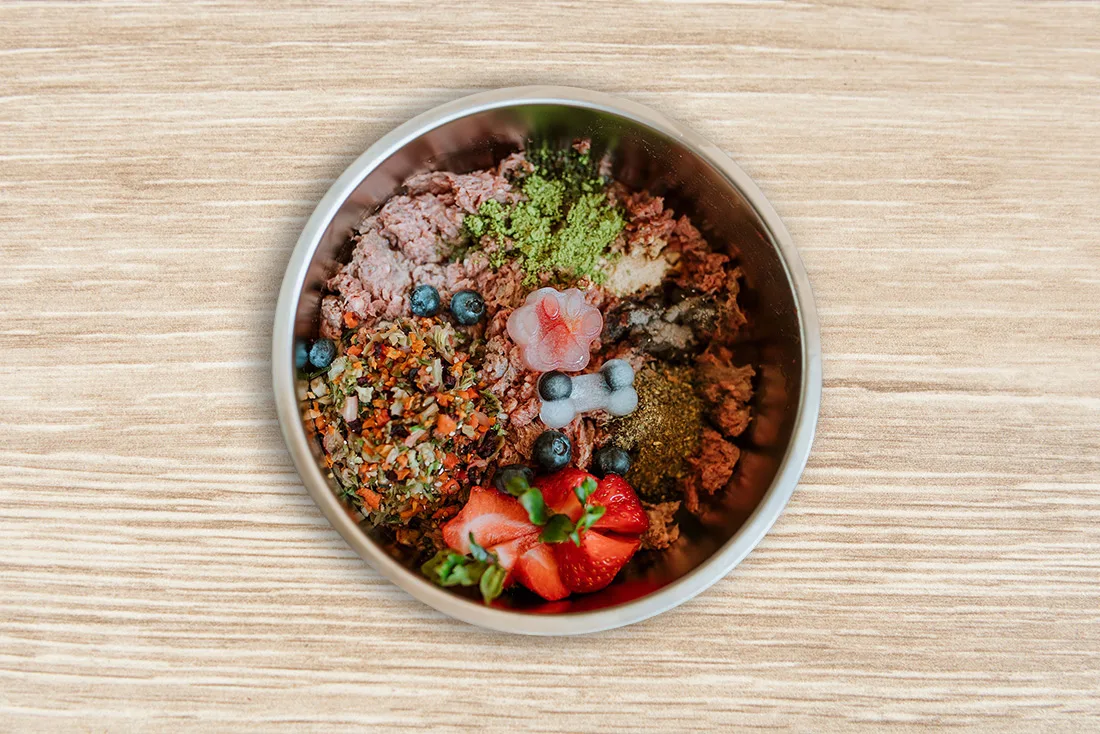
Image source: Bing (Web (fair-use with source credit))
Freeze-dried options sit somewhere between raw and kibble. Removing moisture slows bacterial growth but does not sterilize the product. Rehydrating it wakes dormant pathogens back up.
Treat any uncooked pet product like a biohazard in your kitchen.
Certain spices used in human cooking cause problems for pets too. Reading up on common pantry ingredients dogs tolerate highlights just how differently our metabolisms work. What seems harmless to us might hurt them, and their food definitely hurts us.
Accidental Ingestion and Emergency Survival: When Eating Pet Food Happens
Kids explore the world with their mouths. Toddlers frequently grab dropped kibble off the floor before parents react. If your child eats one or two pieces of dry dog food, do not panic.
A single bite rarely causes severe poisoning in a healthy child.
Give them some water to wash it down. Watch closely for vomiting, diarrhea, or stomach cramps over the next 12 to 24 hours. If symptoms appear, call Poison Control or your pediatrician immediately.
Bring the packaging with you so they can check the ingredient list.
Adults usually eat dog food for two reasons. Either it was a dumb internet challenge or they believe it works as emergency survival rations. Preppers sometimes stockpile cheap kibble thinking it provides backup calories during disasters.
That logic fails on basic biology.
Yes, cooked dog food contains protein and fat. Your body can burn those macronutrients for energy if starvation is imminent. But you must cook it thoroughly first to kill pathogens.
Eating raw survival rations introduces food poisoning when you can least afford medical care.
Stockpiling actual human staples makes far more sense. Rice, dried beans, oats, and freeze-dried human meals cost about the same per calorie. They meet our nutritional requirements without overloading our kidneys with bone meal.
Relying on pet food in a crisis trades short-term hunger for long-term organ damage.
Sometimes owners worry about sudden diet changes during emergencies. Knowing how long pets cope without meals helps prioritize resources. Feed your dog their normal food.
Keep human-grade supplies reserved strictly for the people in your house.
Frequently Asked Questions
Can you get sick from eating dry dog food?
Yes, eating dry kibble can make you sick. Extrusion lowers bacterial counts but does not eliminate them entirely. Salmonella and mycotoxins survive the manufacturing process.
If you swallow a piece accidentally, drink water and monitor your stomach for 24 hours.
Is human-grade pet food safe for people to eat?
Human-grade pet food uses ingredients that meet FDA standards for people. That means the sourcing is technically safe. However, the nutrient ratios still target canine biology.
Eating it regularly causes vitamin imbalances because dogs need different mineral levels than we do. Figuring out appropriate daily portions by weight shows just how distinct those metabolic needs are.
What happens if a toddler eats dog treats?
A single dog treat rarely causes serious harm to a healthy child. Watch closely for vomiting or diarrhea over the next day. Treats often contain high concentrations of flavor enhancers and rendered fats.
Call Poison Control immediately if your child develops stomach cramps or a fever.
Why do survival preppers buy bulk dog food?
Some preppers buy bulk kibble because it offers cheap calories with a long shelf life. A standard bag provides roughly 300 to 400 calories per cup. This strategy ignores the heavy metal limits allowed in animal feed.
Stockpiling dried beans and rice delivers safer nutrition during an actual emergency. Calculating total volume for large bags helps you plan better human food storage instead.
Does cooking dog food kill all the bacteria?
Boiling wet food or baking kibble destroys live pathogens like E. coli and Listeria. Heat does not destroy mycotoxins or heavy metals already present in the ingredients. Cooking also fails to fix the dangerous vitamin A concentrations found in liver-based recipes.
You eliminate the infection risk while keeping the chemical dangers intact.
Can humans digest raw meat meant for dogs?
Human stomach acid sits around a pH of 1.5 to 3.5. Dogs maintain a much lower pH for longer periods to neutralize raw meat pathogens safely. Our digestive tracts cannot handle the bacterial load found in raw commercial diets.
Eating uncooked pet food exposes you directly to severe zoonotic infections. Transitioning pets between diet types requires care too. Knowing when to shift their meals highlights how sensitive mammalian digestion really is across different life stages.