
How Long Can a Dog Survive Without Food and Water
Most dogs can survive about three days without water and one to three weeks without food. That’s the short answer to how long can a dog survive without food and water. But those numbers shift fast with heat, age, illness, and body condition.
The real timeline depends on your dog’s situation.
Per veterinary nutrition guidelines, a healthy dog needs roughly 50 to 60 milliliters of water per kilogram of body weight every day. The National Research Council’s Nutrient Requirements of Dogs and Cats sets resting energy needs at 70 times body weight in kilograms to the 0.75 power. When either intake stops, the clock starts ticking.
Here’s what the research actually shows.
Quick Answer
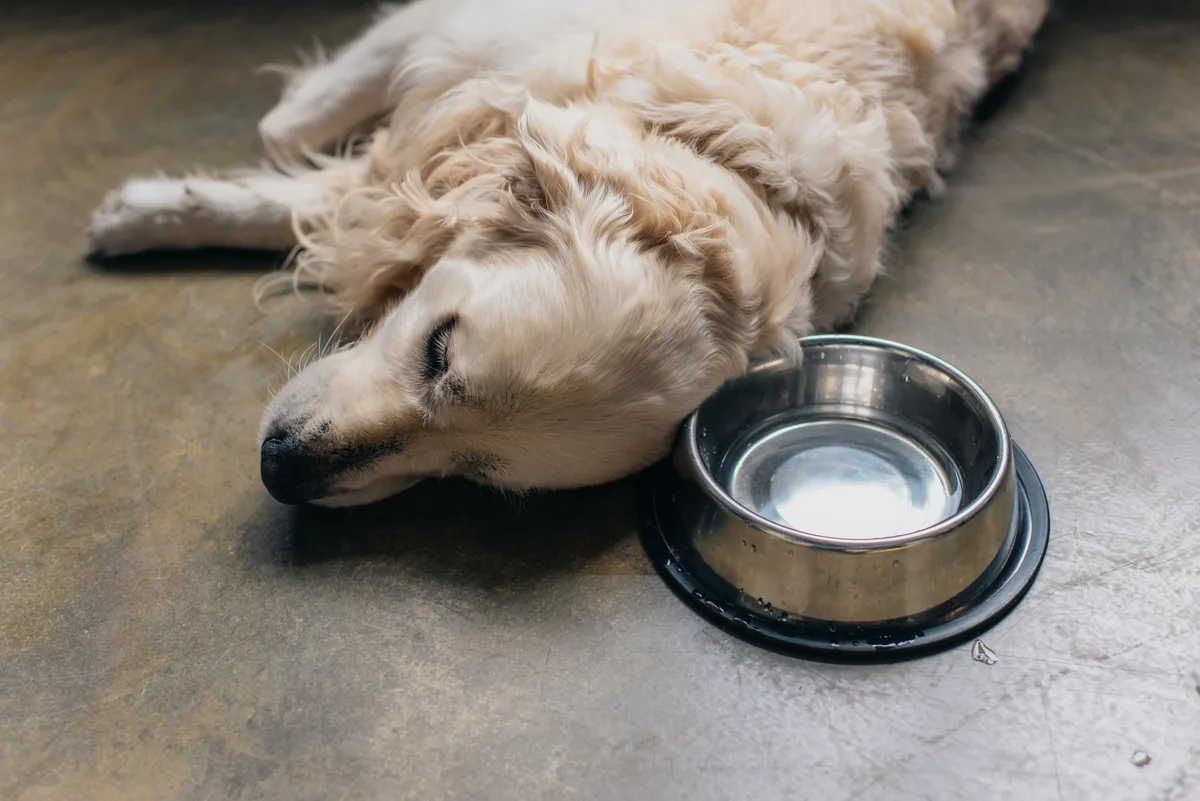
Image source: Web (Bing) / storage.googleapis.com (Web image (fair-use with source credit))
Most dogs survive one to three weeks without food if water is available. Without water, survival drops to about one to three days. Puppies, small breeds, and sick dogs fade faster.
Heat and activity shorten both timelines. Call a vet the moment your dog stops drinking.
How Long Can a Dog Survive Without Food and Water? The Honest Timeline
The honest answer is that there’s no single number. A healthy adult dog with free access to water can often go one to three weeks without food. Without water, that window shrinks to roughly one to three days.
In extreme heat, it can be under 24 hours.
Here’s how the variables stack up:
| Situation | Typical survival time | | Water available, no food | 1 to 3 weeks | | No water, no food | 1 to 3 days | | No water in hot weather | Under 24 hours | | Puppy or toy breed, no water | 12 to 24 hours |
Those ranges come from veterinary emergency research and clinical observation. They are not targets to test. A dog without water can slide into hypovolemic shock.
Dehydration hits faster than starvation because dogs lose water constantly through breathing and urination.
Starvation is slower, but it still wrecks the body. After 24 hours without food, the body burns glycogen, then fat, then muscle. Refeeding syndrome becomes a real risk once eating resumes.
If your dog is waiting after an upset stomach, that’s different from true starvation, but the hydration clock still matters. Groups like the American Veterinary Medical Association urge owners to treat water refusal as urgent.
Why These Timelines Are Never One-Size-Fits-All
Two dogs can face the same empty bowl and have wildly different outcomes. Age, size, health, and environment all rewrite the clock.
Age, Size, and Body Condition
Puppies and toy breeds carry less water and fat reserves. A Chihuahua can crash in 12 hours without water. A Great Pyrenees might hold out longer.
Body condition score matters too. A dog at 4/9 has some cushion. A dog at 2/9 has almost none.
Heat, Humidity, and Activity Level
Heat speeds up water loss through panting. Humidity makes it worse because panting cools less efficiently. A dog running in 90°F weather can dehydrate in hours.
A dog resting in air conditioning has more time. As of 2026, heat advisories from the National Weather Service are a good cue to keep dogs indoors.
Underlying Illness, Medications, and Stress
Kidney disease, diabetes, and Cushing’s disease increase urination and thirst. Vomiting and diarrhea drain fluids fast. Some medications kill appetite.
Stress from boarding, travel, or a new home can make a dog refuse food for a day or two. That’s usually not starvation, but it can become one. If your dog is a picky eater, watch the water bowl first.
Early Warning Signs of Dehydration and Starvation You Can Spot at Home
Your dog can’t tell you they’re dehydrated. But their body gives clues. Learn these checks before you need them.
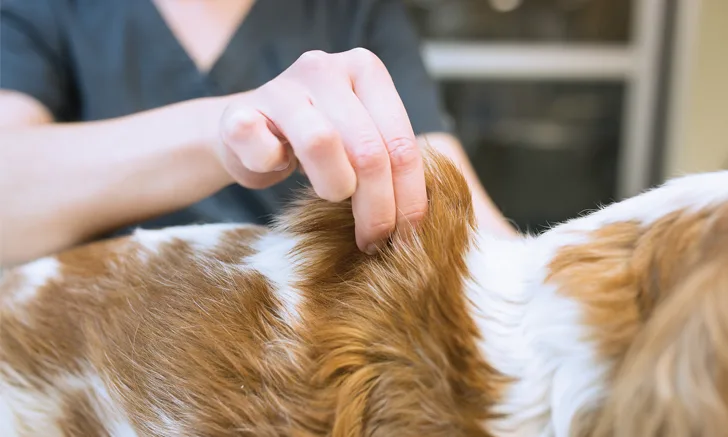
Image source: Web (Bing) / qaqooking.wiki (Web image (fair-use with source credit))
Skin Tent, Gum Color, and Capillary Refill Time
Gently lift the skin between the shoulder blades. It should snap back instantly. If it stays up, that’s a skin tent, a classic dehydration sign.
Press your finger on the gums. They should go white, then pink again in under two seconds. Tacky gums or a slow refill mean trouble.
Lethargy, Sunken Eyes, and Changes in Urine
A dehydrated dog gets quiet and weak. Their eyes may look sunken. Urine turns dark and concentrated.
They may stop urinating altogether. If your dog is not eating his normal food, check the water bowl and the urine color.
Weight Loss, Muscle Wasting, and Body Condition Score
Run your hands along the ribs and spine. You should feel ribs with a thin fat layer. If they feel sharp, that’s muscle wasting.
A body condition score of 4 to 5/9 is ideal. Anything under 3/9 means reserves are gone. The World Small Animal Veterinary Association publishes body condition score charts you can use at home.
Weigh your dog weekly during any appetite strike.
What You Should and Shouldn’t Do in the First 24 Hours
The first 24 hours matter. What you do at home can help or hurt.
Safe Ways to Encourage Water and Food
Offer fresh, cool water in a clean bowl. Try multiple bowls in different spots. Add a splash of low-sodium broth to make water more tempting.
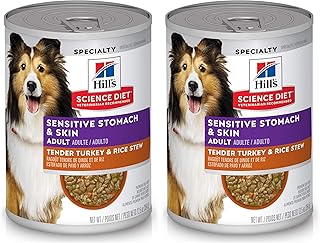
For food, warm wet food slightly. A gentle diet for sensitive stomachs can help if nausea is the issue. Small amounts are better than a big meal.
Why You Should Never Force Water or Use Human Electrolyte Drinks
Never syringe water into your dog’s mouth. It can cause aspiration pneumonia. Don’t give sports drinks or Pedialyte without vet guidance.
Their sugar and sodium levels don’t match a dog’s needs. Forcing food can also trigger food aversion.
Refeeding Syndrome and Water Intoxication Risks
Refeeding syndrome happens when a starving dog eats too much too fast. Electrolytes crash. It can be fatal.
Water intoxication is the opposite problem. Too much water too quickly dilutes sodium and causes brain swelling. Both are emergencies.
If your dog hasn’t eaten in 48 hours, call your vet before you offer a full meal. A high-protein option isn’t the answer for a starving dog. Slow and steady wins.
When to Call Your Vet or Go to an Emergency Clinic
Call your vet the moment your dog refuses water for more than 24 hours, or sooner if any red flags show up.
Red-Flag Symptoms That Can’t Wait
Treat these as emergencies:
- Gums that stay pale, white, or blue
- A skin tent that won’t snap back
- No urine for 12 hours or dark, concentrated urine
- Vomiting or diarrhea lasting more than 24 hours
- Collapse, seizures, confusion, or stumbling
- A puppy or toy breed refusing water for 12 hours
- Heavy panting with a body temperature over 103°F
If you see two or more of these at once, skip the phone call and drive to an emergency clinic.
What to Expect: Fluids, Bloodwork, Anti-Nausea Meds, and Feeding Support
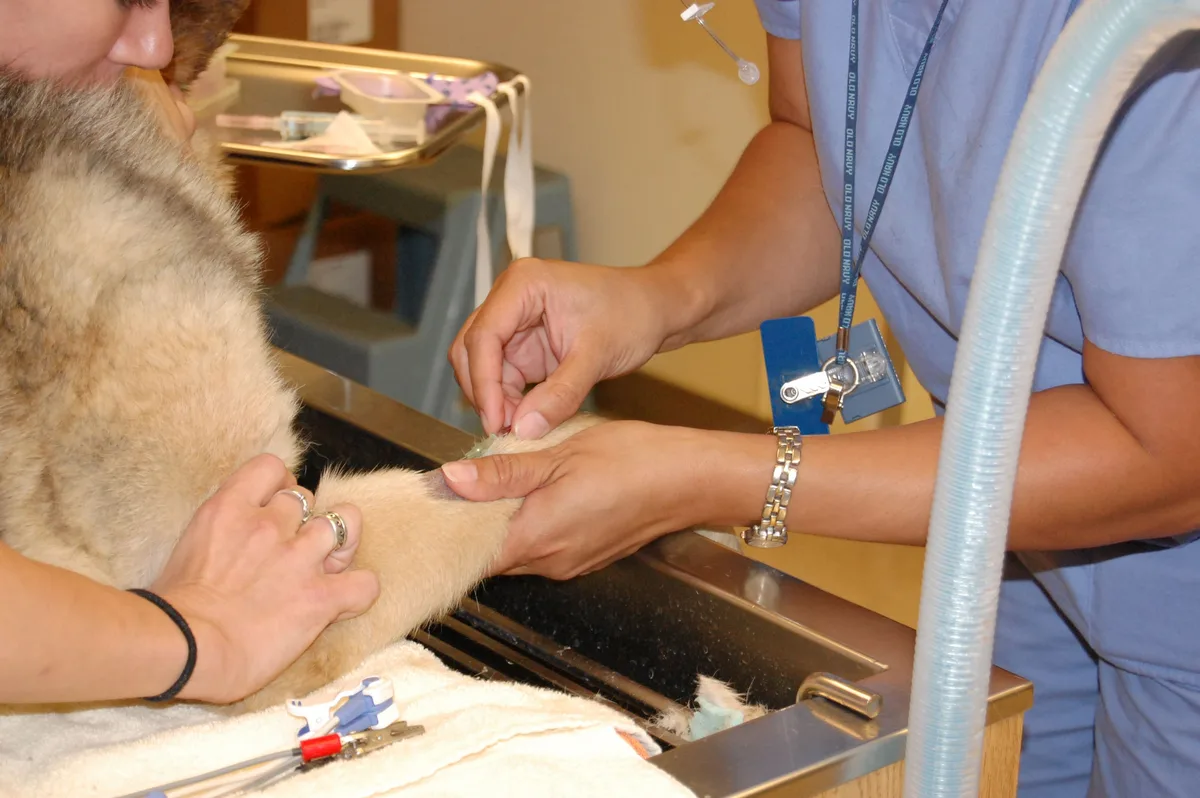
Image source: Web (Bing) / ca.pinterest.com (Web image (fair-use with source credit))
The vet will assess hydration status first. Then they’ll run bloodwork to check electrolytes, kidney values, and glucose. Most dehydrated dogs get intravenous (IV) fluids right away.
That restores blood volume faster than anything you can do at home.
Anti-nausea drugs like maropitant or ondansetron often come next. Pain control matters too, since dental pain and pancreatitis both kill appetite. If your dog won’t eat after fluids, a feeding tube may be placed.
Our research shows early nutritional support shortens hospital stays. Don’t wait for a “maybe tomorrow” if your dog is already weak.
Real-World Scenarios: Heatwaves, Illness, Boarding, and Travel
Different situations change the clock. Here’s how.
Puppies, Seniors, and Small Breeds
A puppy can crash in 12 hours without water. Seniors dehydrate fast because kidney function declines with age. If you’re feeding a senior-friendly diet with higher moisture, that helps daily hydration but won’t save a dog in crisis.
Dogs Refusing Food After Surgery, Vaccines, or Stress
A day of skipped meals after anesthesia is normal. Two days is not. Stress from boarding or a new home can also shut down appetite.
Offer small, warm meals and watch water intake closely. If your dog eats kibble that’s hard to chew, softening it can make a difference during recovery.
Disaster and Power-Outage Preparedness
Store at least three days of water per dog. The CDC recommends one gallon per person per day, and a medium dog needs roughly a quarter of that. Keep a collapsible bowl, wet food, and a copy of vaccination records in your emergency kit.
During a heatwave, bring dogs indoors before noon.
Common Mistakes Owners Make (and How to Avoid Them)
Small errors here can cost you precious hours.
Waiting Too Long to Get Help
Owners often wait “one more day.” That’s the worst move. Dehydration in dogs can go from mild to severe in six hours. If you’re unsure, call.
A phone triage costs nothing.
Mistaking Picky Eating for Anorexia
True anorexia means zero food intake. Picky eating means your dog skips the kibble but eats treats. Those are different problems.
A picky dog still drinks. An anorexic dog often stops drinking too.
Ignoring Underlying Disease and Dental Pain
Bad teeth, kidney disease, and cancer all cause appetite loss. If your dog has dropped weight or has smelly breath and sore gums, book a vet visit. Treating the cause beats forcing food every time.
FAQs About Dogs Surviving Without Food and Water
How long can a dog go without water before it’s an emergency?
After 24 hours with no water, most dogs need veterinary care. In hot weather or with vomiting and diarrhea, that window shrinks to 12 hours or less. Puppies and toy breeds can decline within hours.
Don’t wait for obvious signs like collapse.
Can a dog survive a week without food but with water?
Yes, many healthy adult dogs can survive one to three weeks with water available. That doesn’t make it safe. After about 48 hours, the body starts breaking down muscle.
Refeeding syndrome becomes a real risk once eating resumes.
Should I force my dog to drink?
No. Never syringe water into your dog’s mouth. It can cause aspiration pneumonia, which is often fatal.
Offer fresh water in multiple bowls, add low-sodium broth, or try ice chips. If your dog still won’t drink, call your vet.
Is Pedialyte safe for dogs?
Not without vet guidance. Human electrolyte drinks have sugar and sodium ratios made for people, not dogs. Plain water is safer for mild dehydration.
For moderate to severe cases, your vet will prescribe proper fluids.
How do I know if my dog is dehydrated at home?
Check three things: skin tent, gum color, and capillary refill time. Lift the skin between the shoulder blades. It should snap back instantly.
Press the gums and count seconds until pink returns. Anything over two seconds is concerning.
What if my dog won’t eat but drinks normally?
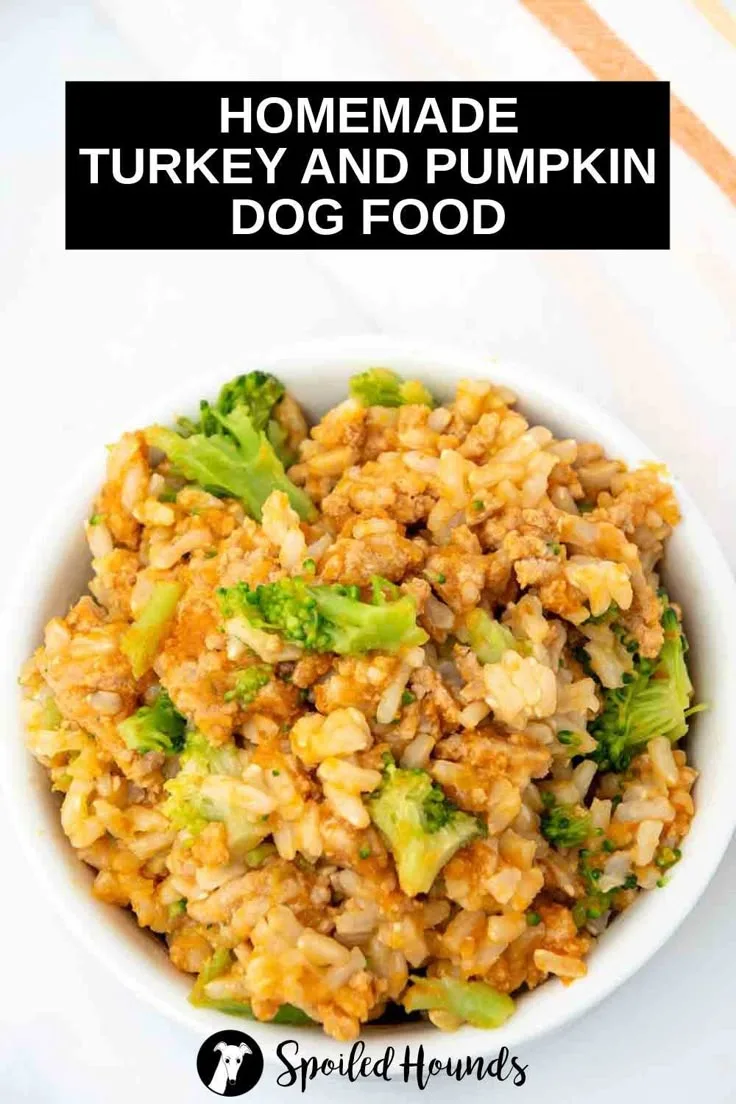
That’s usually less urgent than water refusal. Try warm wet food, a gentle formula for sensitive stomachs, or a small amount of plain rice. If your dog skips food for more than 48 hours, get a vet check.
Your Action Plan: Hydration, Monitoring, and Emergency Readiness
Here’s what to do starting today.
- Weigh your dog weekly. A 5% drop is a warning sign.
- Track water intake for a few days so you know their normal.
- Keep two or three water bowls around the house and refresh them daily.
- Store a three-day water supply and a collapsible bowl in your car and home.
- Save your vet’s number and the nearest 24-hour emergency clinic in your phone.
- Learn the skin tent, gum color, and capillary refill checks cold.
If your dog stops drinking, act within 12 hours. If they stop eating, act within 48. Hydration comes first, calories second.
That order saves lives.



One Comment