What Dog Food for Sensitive Stomach? A Complete Guide
Figuring out what dog food for sensitive stomach actually works can feel like a losing game. Your dog has loose stools, chronic gas, or the occasional mystery vomit. You switch brands, hope for the best, and often end up more frustrated than before.
The real problem usually isn’t the bag. It’s that the root cause is still unidentified.
In our research, the most common gap we see is owners treating symptoms instead of triggers. As of 2026, veterinary nutritionists overwhelmingly recommend a checklist-driven approach: rule out medical causes, choose deliberately, and transition slowly. Per AAFCO standards, every “complete and balanced” dog food meets basic nutritional adequacy.
But that says nothing about whether it suits your dog’s unique digestive system, which is why the wrong bag can make things so much worse.

Image source: Bing (Web (fair-use with source credit))
Quick Answer
The answer to what dog food for sensitive stomach depends on the trigger. Choose a single novel protein with minimal ingredients. Pick a low-fat formula with prebiotics.
Transition over seven to ten days. If symptoms persist, ask your vet about a prescription diet.
Why Choosing the Wrong Food Can Make Things Worse
When your dog’s stomach is already fragile, the wrong food does more than fail to help. It can trigger vomiting, worsen diarrhea, and prolong the discomfort for weeks. Worse, it can hide a more serious underlying problem.
A dog with undiagnosed pancreatitis, inflammatory bowel disease, or a food allergy will keep showing symptoms no matter how many “sensitive” bags you try.
One common mistake is reaching for a grain-free formula. Unless your dog has a confirmed grain allergy, which is genuinely rare, grain-free diets offer zero digestive benefit. They’re also linked to a higher risk of dilated cardiomyopathy in some breeds.
That’s a heart condition, not a stomach fix.
Another trap is the high-fat diet trend. For a healthy dog, fine. For a dog with a touchy pancreas, it’s a fast track to a painful flare-up.
Aggregate vet reports consistently show that low-fat, highly digestible formulas resolve GI symptoms faster than premium high-fat diets.
For dogs with multiple sensitivities, even trace ingredients matter. Many owners assume that a “
” a single protein change will fix everything, but some dogs react to multiple triggers at once. A dog allergic to chicken might also react to beef, eggs, or even the specific carbohydrate source. That’s why veterinarians often recommend starting with a truly novel protein, one your dog has never eaten before, and keeping the ingredient list short enough to count on one hand.
The takeaway is simple. Don’t guess. Don’t grab the first bag labeled “sensitive.” Work systematically, understand what your dog’s symptoms actually mean, and let the evidence guide each switch.
First, Understand What “Sensitive Stomach” Actually Means
“Sensitive stomach” isn’t a veterinary diagnosis. It’s a catch-all phrase owners use for a handful of overlapping conditions. Food intolerance, food allergy, inflammatory bowel disease, dysbiosis, and even stress-related gut issues can all present with identical symptoms.
That’s why the right diagnosis matters more than the right bag of food.
Food allergy is an immune system response. It’s relatively rare, affecting roughly 1 to 2 percent of dogs. The most common culprits are chicken, beef, dairy, and eggs.
Symptoms often include itchy skin, recurring ear infections, and diarrhea. In contrast, food intolerance is a digestive issue. The dog lacks the enzymes needed to break down a specific ingredient, leading to gas, vomiting, or loose stools without any immune involvement.
Knowing which one your dog has changes your entire approach. A true allergy demands a strict elimination diet with a novel protein. An intolerance might simply mean avoiding one problematic ingredient.
Per AAFCO guidance, both conditions benefit from a limited ingredient diet, but the diagnostic path is completely different.
Aggregate veterinary sources stress that many dogs labeled “sensitive” actually have a dietary indiscretion history. They ate something bad once, recovered, but the owner made a food change in the meantime. The new food wasn’t the problem, but it gets blamed anyway.
That leads to needless switching, which makes things worse. Every time you change food without a plan, you reset your dog’s gut microbiome and prolong the confusion.
This is why a predictable, evidence-based approach beats guessing game after guessing game.
What a Vet Needs to Rule Out First
Before you load up on expensive novel protein formulas, get a veterinary workup. Seriously. In our research, the number one regret owners express is waiting too long to involve a vet.
Stomach issues are never just stomach issues when they become chronic.
The first step is ruling out parasites and infections. Giardia, coccidia, salmonella, and other intestinal bugs cause identical symptoms to dietary sensitivity. A simple fecal test catches these quickly.
If your dog has worms or a bacterial overgrowth, no diet change in the world will fix it.
Blood work comes next. This screens for organ dysfunction, including kidney disease and liver issues, which both cause poor digestion and appetite changes. Blood work also checks for pancreatitis, a condition where the pancreas becomes chronically inflamed and struggles to produce digestive enzymes.
Low-fat prescription diets are the standard treatment for pancreatitis, and feeding a high-fat commercial food can trigger a medical emergency.
A veterinary dermatologist or internal medicine specialist might also recommend imaging. X-rays or abdominal ultrasound can detect physical problems like blockages, foreign bodies, or intestinal masses. These are rare but worth eliminating early.
If all diagnostics come back clean, your vet may diagnose a functional gastrointestinal disease like inflammatory bowel disease. IBD in dogs is similar to human Crohn’s disease in that it involves chronic inflammation of the intestinal walls. It’s typically managed with a combination of diet and medication.
Per WSAVA guidelines, nutritional management is the cornerstone of treatment for most GI conditions.
Once infection and disease are ruled out, the real detective work begins. That’s when you start looking at food itself as the culprit.
Key Ingredients to Look For in Sensitive Stomach Dog Food
After your vet clears the medical side, it’s time to read ingredient lists like a detective. The best foods for sensitive stomachs share several structural features, and once you know them, you’ll spot the right bag in seconds.
First, look for a single, named animal protein source. Lamb, salmon, duck, venison, or rabbit are common choices. These work well because most dogs haven’t eaten them repeatedly, so the immune system is less likely to have developed antibodies against them.
If your dog has never eaten kangaroo, then a kangaroo-based formula is a true novel protein.
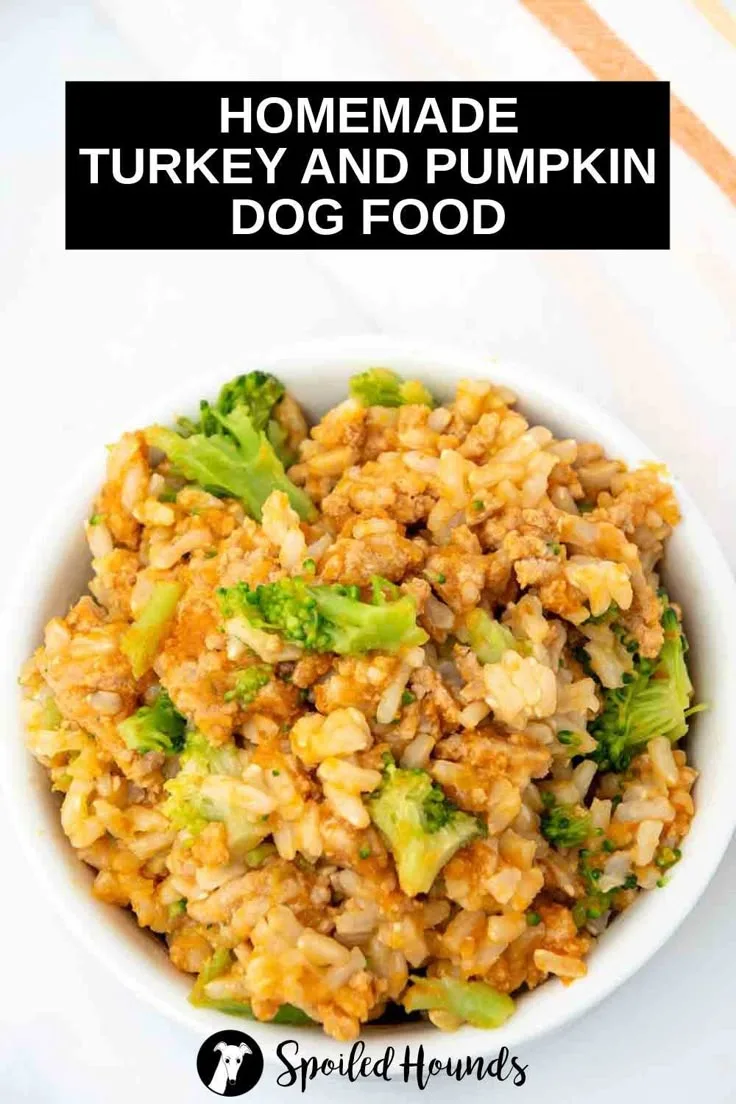
Second, check the carbohydrate source. White rice, sweet potato, and pumpkin are all easily digestible carbs that help firm up stools. They also provide soluble fiber, which feeds beneficial gut bacteria and slows water loss into the colon.
Pumpkin, in particular, is a standout addition due to its gentle bulking effect.

Image source: Bing (Web (fair-use with source credit))
Third, verify the fat content. For sensitive stomachs driven by pancreatitis or biliary issues, low fat is non-negotiable. Look for foods under 15 percent fat on a dry matter basis.
For less complex sensitivities, moderate fat around 15 to 18 percent is generally better tolerated than the high-fat performance foods.
Fourth, find added prebiotics and probiotics. Ingredients like chicory root, fructooligosaccharides, and live lactobacillus cultures support a healthy gut microbiome. They also ease the transition period when switching foods, since new diets naturally perturb gut flora.
Finally, avoid foods with a long ingredient list. Each added component is a potential trigger. Limited ingredient diets work not because they’re nutritionally magical, but because they minimize variables.
When something goes wrong, you know what to remove.
Source quality matters too. Manufacturing facility standards vary widely. Per WSAVA guidelines, look for brands that conduct AAFCO feeding trials and have a veterinary nutritionist on staff. These details signal rigorous quality control and safer production practices.
Red Flags: Ingredients That Frequently Trigger GI Upset
Just as important as what to include is what to avoid. Some ingredients are overrepresented in dogs with digestive problems. Knowing these red flags helps you read a label and predict trouble before it starts.
Chicken and beef head the list of common allergens. They’re also the most common protein sources in mainstream dog food. That’s not a coincidence.
Prolonged exposure increases the risk of sensitization. If your dog has chronic GI issues, a chicken-free diet is often the first simple switch worth testing.
By-products, meat meal, and animal digest are problematic for a different reason. These ingredients are heavily processed and can contain preservatives that trigger reactions. They don’t indicate quality issues per se, but they make it impossible to identify the protein source you’re actually testing.
That defeats the purpose of an elimination diet.
Artificial colors, flavors, and preservatives are nearly universal triggers in sensitive dogs. Blue 2, Red 40, and BHA/BHT have no nutritional value. They exist solely for visual appeal, which doesn’t matter to your dog.
Choosing a minimally processed food with identifiable ingredients sidesteps this entire class of problems.
High-fat content warrants caution across the board. Foods exceeding 18 percent fat, especially poultry skins, beef tallow, and vegetable oils, are common triggers for pancreatitis-prone dogs. Even without pancreatitis, high-fat meals slow gastric emptying and increase the risk of vomiting.
For dogs with a chicken protein allergy, even cross-contamination matters. Facilities that process chicken and lamb on shared lines can introduce trace allergens. Choosing a brand with dedicated manufacturing lines or a documented “No Chicken” guarantee offers extra safety margin.
Grains themselves are rarely the problem. Dogs digest properly cooked rice, barley, and oats very well. The grain-free trend created unnecessary fear and contributed to the DCM heart disease investigation.
Unless your dog has confirmed celiac-like sensitivity to wheat, grains are fine.
How to Transition Your Dog to a New Food Safely
Switching food is a biological event for your dog, not a logistics event. The gut microbiome needs time to adapt. Sudden switches cause loose stools even when the new food is objectively better for your dog.
That’s why transition schedules matter.
The standard protocol from veterinary nutritionists is a seven to ten day gradual shift. Day one through three: feed 25 percent new food and 75 percent old food. Day four through six: 50-50.
Day seven through nine: 75 percent new food and 25 percent old food. Day ten: switch fully.
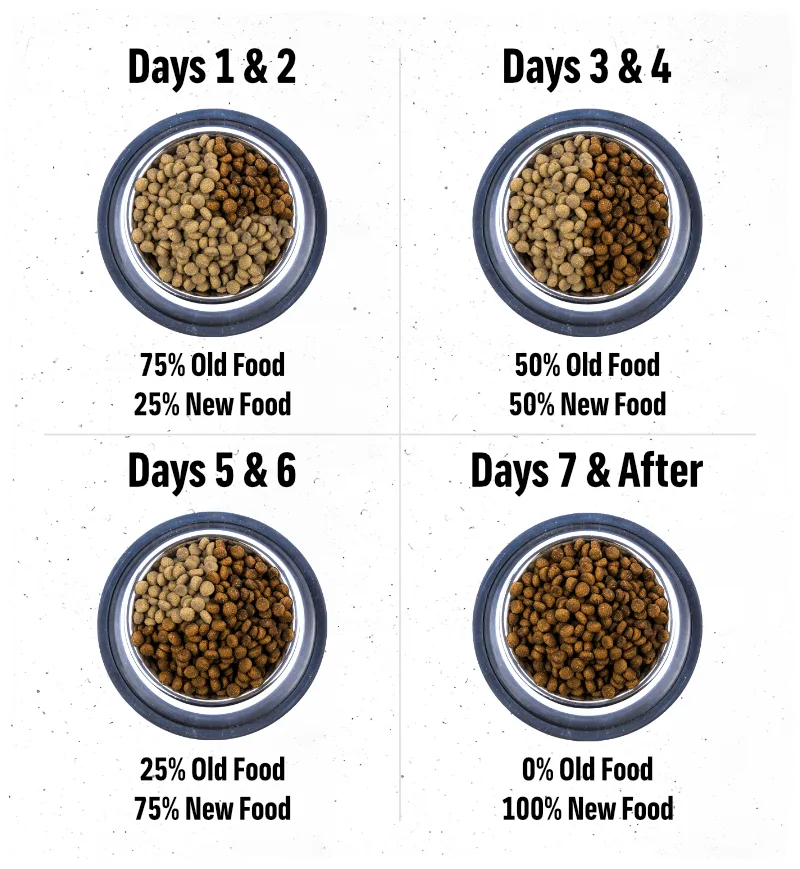
Image source: Web (Bing) / poultrycaresunday.com (Web image (fair-use with source credit))
For extremely sensitive dogs, stretch the transition to fourteen days. Some practitioners recommend starting at just 10 percent new food. The slower you go, the less digestive turbulence you’ll see.
Patience here pays off with firmer stools and fewer episodes of gas.
Monitor stool quality daily during the transition. Use a fecal scoring chart, where a score of 2 or 3 indicates a healthy, formed log. A score of 6 or 7 means liquid and signals the transition is too fast.
If you see liquid stools, pull back to the previous ratio and hold there a few extra days.
Avoid adding extras to the transition. No treats, no table scraps, no toppers. Every extra ingredient is a potential trigger.
If your dog needs something to disguise the new food’s smell, a tiny spoonful of plain canned pumpkin can help. But keep everything else untouched.
Timing of meals also influences digestion. Feed two to three smaller meals daily instead of one large meal. Smaller portions put less strain on the digestive tract and reduce the risk of vomiting and bloat.
Consistent feeding times also regulate the gut’s motility patterns.
If the transition goes smoothly, congratulations. You’ve found a sustainable option. But if symptoms persist through a full transition, it’s time to reassess rather than simply continuing.
Running a Proper Elimination Diet Trial
An elimination diet is the gold standard for identifying food allergies. The goal? Feed your dog a diet containing only ingredients they’ve never encountered before.
This reset lets your dog’s immune system quiet down and symptoms resolve, if food is the trigger.
The trial lasts a strict eight to twelve weeks. During that entire period, your dog eats only the novel protein and novel carbohydrate from a single veterinary therapeutic diet. No treats.
No rawhides. No peanut butter in the Kong. No flavored toothpaste.
Even one bite of chicken can set back weeks of progress.
Hydrolyzed protein diets are the pharmaceutical-grade version of this approach. In hydrolyzed diets, protein molecules are broken into fragments too small to trigger an immune response. Hill’s, Royal Canin, and Purina Pro Plan all produce veterinary hydrolyzed formulas that work exceptionally well for allergy diagnosis.
A prescription hydrolyzed diet offers distinct advantages over OTC limited ingredient foods. First, reliability. These formulas are manufactured on dedicated lines to prevent cross-contamination.
Second, completeness. They provide balanced nutrition for any life stage. Third, elimination purity.
You know exactly what’s inside.
For dogs with suspected protein-losing enteropathy, prescription diets at low fat levels are clinically necessary. Over-the-counter sensitive stomach formulas simply can’t match this specificity. That’s why your vet’s recommendation matters as much as the label.
Track symptom changes weekly. For skin allergies, note itching frequency. For GI issues, log stool scores daily.
Most dogs show significant improvement within the first month if food is indeed the culprit. If there’s zero improvement after eight weeks, food allergy is unlikely, and your vet will pivot toward other causes.
The challenge with elimination diet trials is compliance. Owners accidentally sabotage them with a stray treat or a chew toy. Per veterinary teaching hospital protocols, every single ingested item must be accounted for.
If you can’t commit to that, the trial’s results are meaningless.
Common Mistakes That Sabotage Digestive Health
Even with the right food, common owner behaviors can cause recurring stomach problems. These subtle habits undermine the best-laid dietary plans. Identifying them prevents future frustration.
Free feeding is the first mistake. Leaving food out all day means your dog grazes continuously, which makes digestion less efficient and monitoring food intake nearly impossible. It’s also an issue when portion control matters for weight-sensitive dogs.
Scheduled meals give the GI tract regular rest periods.
Treat overload ranks second. Owners add multiple treats, dental chews, and training rewards on top of a complete diet. These extras not only add unwanted calories but also introduce new proteins and fillers.
For a sensitive dog, treat selection should follow the same ingredient standards as their main meals.
Frequent, unnecessary food rotation is another problem. Some owners switch flavors every bag “for variety.” Dogs don’t crave variety. They crave predictability.
Chronic rotation keeps the gut in a state of flux, preventing ever finding a baseline. Unless your vet recommends periodic rotation, find one food that works and stick with it.
Feeding people food is the most common misstep. A small piece of bread isn’t a typical trigger, but garlic, onions, grapes, and xylitol-containing peanut butter absolutely are. Even foods deemed “safe” in small amounts can trigger sensitive stomachs.
The safest rule: fed food is only food from a bag or can.
Aluminum bowls or cracked plastic bowls are a minor but real factor. Some dogs develop contact reactions to materials, causing lip swelling or mild GI upset. Switching to stainless steel or porcelain eliminates this variable.
Those small adult dog formulas often transition well alongside bowl changes.
Finally, ignoring water quality. Tap water high in minerals or chlorine can upset sensitive stomachs. Using filtered water for both drinking and food preparation removes this factor.
It’s a simple, cost-free change that often yields surprising improvement.
When Home Changes Aren’t Enough: Seeing the Vet
You’ve transitioned properly. You’ve chosen low-fat, single-protein food. You’ve eliminated treats.
Your dog still has chronic diarrhea. That’s your signal to stop the DIY approach and return to the vet with data.
Chronic means symptoms lasting longer than three weeks despite dietary changes. That’s beyond normal adjustment. It points toward organic disease requiring medical therapy, not just nutritional manipulation.
Red flag symptoms that demand immediate veterinary care include persistent vomiting, blood in the stool, severe abdominal pain, lethargy, and unexplained weight loss. These suggest infections, obstructions, or organ disease that won’t resolve with dietary adjustments.
Your vet may prescribe anti-diarrheal medications like metronidazole or tylosin to settle the gut while the diet takes effect. In cases of confirmed IBD, corticosteroids are often necessary to reduce intestinal inflammation. These medications work in conjunction with the diet, not in place of it.
Diagnostic imaging, ultrasound, or endoscopy with biopsy might be recommended for non-responsive cases. Endoscopy under general anesthesia directly examines the intestinal lining and allows tissue sampling. This provides a definitive IBD diagnosis and rules out cancer, which can mimic IBD symptoms in older dogs.
For senior dogs with dental issues, a soft food version of a sensitive diet is also a sensible consideration. However, in severe cases, using a hydrolyzed diet for several months may be the more medically sound long-term solution.
Remember that your vet sees these cases daily. There’s no shame in admitting that the elimination diet isn’t working alone. Sometimes the gut needs pharmacological support.
A veterinarian’s goal is the same as yours, which is getting your dog comfortable.
Cost Expectations: What You’ll Pay for Sensitive Stomach Food
Sensitive stomach food costs more than standard formulas. That’s an uncomfortable fact, but one worth planning for. Over-the-counter limited ingredient diets typically run 25 to 40 percent higher than regular commercial brands.
Prescription therapeutic diets run much higher still.
Here’s a rough monthly cost breakdown for a medium-sized dog.
| Food type | Approximate monthly cost |
|---|---|
| Standard commercial kibble | $40 to $60 |
| OTC sensitive stomach formula | $60 to $90 |
| OTC limited ingredient diet | $80 to $110 |
| Veterinary prescription hydrolyzed diet | $130 to $180 |
These numbers vary by region and store. The point is to set realistic expectations. If you’re switching from a $40 bag to a $140 prescription diet, that’s a real budget consideration for most households.
The good news is that food costs often offset vet bills. A well-managed diet can eliminate chronic diarrhea and allergy treatments. Those visits, tests, and medications quickly consume hundreds or thousands of dollars.
In many cases, the higher food bill is the cheaper path overall.
Compare that to the hidden cost of treating chronic GI disease. A single ultrasound can cost several hundred dollars. An endoscopy with biopsy runs over a thousand.
One emergency visit for severe dehydration from diarrhea can exceed the entire annual food budget.
For owners looking to build muscle on a budget, balancing protein quality and digestibility while managing cost requires careful label reading. But for sensitive stomachs, prioritizing easy digestion over raw protein percentage is almost always the smarter play.
Quick Guide: What to Buy Based on Your Dog’s Symptoms
Every dog’s situation is unique, but most cases fall into a few predictable patterns. This symptom-based guide helps narrow the options without wasting money on the wrong formula.
If your dog has chronic gas and loose stools with no other symptoms, start with an OTC limited ingredient diet featuring a single novel protein like salmon or duck. Pair it with a low-fiber carbohydrate like rice. This addresses the most likely sensitivity while keeping costs manageable.
If your dog has vomiting alongside diarrhea, a lower-fat formula is generally better tolerated. Look for a prescription GI low-fat diet under 15 percent fat. Avoid high-protein foods entirely during flare-ups.
Small, frequent meals are necessary additions.
If your dog has itchy skin, ear infections, and GI symptoms together, you’re likely dealing with a true food allergy. Move directly to a veterinary hydrolyzed protein diet for an eight-week trial. This skips the guesswork and gives you the cleanest diagnostic signal.
For dogs aged seven years or older, consider a gentle senior formula that emphasizes easy digestibility and joint support. This avoids the high-protein foods that can strain aging kidneys while addressing digestive changes. Owners looking for a calm, settled diet for anxious dogs might also benefit from a distinct selection that reduces dietary excitement.
Puppies with sensitive stomachs should never be placed on adult formulas without veterinary guidance. Puppies have higher protein and calcium requirements for growth. Look for a “puppy” labeled sensitive formula from a reputable brand that performs AAFCO feeding trials.
Remember that the “best” food is only the best one for your dog. A formula that works wonders for one dog can cause explosions in another. Keep budget, symptom pattern, and life stage in mind.
Then choose one option and commit to a full transition.
Frequently Asked Questions
What is the fastest way to settle a dog’s upset stomach?
Withhold food for 12 to 24 hours only for adult dogs, never for puppies. Offer plenty of fresh water. Then introduce a bland diet of boiled white meat chicken and white rice in small portions.
If symptoms don’t improve within 48 hours, call your vet.
Is chicken or rice better for a sensitive stomach?
Neither is universally better. White rice is bland, easily digestible, and helps firm stools. Chicken is a common allergen in dogs.
For a bland diet, chicken frequently works, but a novel protein like boiled turkey or lean fish is a safer choice for allergy-prone dogs.
How long does it take for a sensitive stomach dog food to work?
Most dogs show improvement within 7 to 10 days of a proper transition. For food allergies, full improvement may take 8 to 12 weeks on a strict elimination diet. If symptoms persist beyond three weeks, the food isn’t the right one or the diagnosis needs revisiting.
Can I mix wet and dry food for my sensitive stomach dog?
Yes, mixing wet and dry is generally fine as long as both are designed for sensitive stomachs. Wet food adds moisture and palatability, while dry kibble supports dental health. Just count the calories from both, because wet food is less calorie-dense per volume.
Are grain-free diets good for dogs with sensitive stomachs?
No. Grain-free diets offer no digestive benefit unless your dog has a confirmed grain allergy, which is rare. They come with a higher risk of dilated cardiomyopathy.
Digestible grains like rice and barley support gut health better than legume-heavy grain-free formulas.
Should I give my dog probiotics for an upset stomach?
Probiotics can help support gut flora during a transition and after antibiotic use. Choose a veterinary probiotic with documented live bacterial strains. Avoid human probiotic brands, since the species differ.
Introduce any supplement gradually to avoid additional digestive upset.
many owners assume that a single protein change will fix everything, but some dogs react to multiple triggers at once. That’s why veterinarians often recommend starting with a truly novel protein, one your dog has never eaten before, and keeping the ingredient list short enough to count on one hand.
The takeaway is simple. Don’t guess. Don’t grab the first bag labeled “sensitive.” Work systematically, understand what your dog’s symptoms actually mean, and let the evidence guide each switch.
Prescription GI Diets vs. Over-the-Counter Sensitive Stomach Formulas
Prescription GI diets and over-the-counter sensitive stomach formulas serve different purposes. OTC formulas are useful for mild, occasional digestive upset. Prescription diets are for chronic conditions, confirmed allergies, and diseases like IBD or pancreatitis.
The biggest difference is quality control. Prescription diets like Hill’s Prescription Diet, Royal Canin Veterinary Diet, and Purina Pro Plan Veterinary Diets undergo AAFCO feeding trials. They employ board-certified veterinary nutritionists.
They also use dedicated manufacturing lines to prevent cross-contamination, which matters immensely for allergy-prone dogs.
OTC sensitive stomach formulas are gentler than standard kibble, but they’re not diagnostic tools. They often contain multiple protein sources, mixed carbohydrates, and trace ingredients that can mask triggers. If your dog has severe or persistent symptoms, an OTC food won’t give you the clean answer you need.
Cost also separates the two. Prescription diets run two to three times more expensive. That’s a real factor.
But when you consider the cost of repeated vet visits, missed work for the dog being sick, and the stress on your dog, the prescription diet often wins on value.
For dogs with protein-losing enteropathy, prescription low-fat formulas are medically necessary. OTC alternatives simply cannot deliver the same protein modification and fat restriction. In these cases, your vet’s prescription isn’t just a recommendation; it’s a treatment plan.
How to Transition Your Dog to a New Food Safely
No matter which food you choose, a slow transition is non-negotiable. Sudden switches disrupt the gut microbiome and cause loose stools, even when the new food is nutritionally superior. The standard timeline is seven to ten days.
Day one through three: feed 25 percent new food mixed with 75 percent old food. Day four through six: go 50-50. Day seven through nine: 75 percent new food and 25 percent old food.
Day ten: full switch. For extremely sensitive dogs, stretch this to fourteen days and start at just 10 percent new food.
Monitor your dog’s stool daily during the transition. A healthy stool is firm and log-shaped. If it turns mushy or liquid, slow down.
Drop back to the previous ratio and hold there for a few extra days. Rushing forward is the fastest way to fail.
Avoid adding treats, toppers, or table scraps during the switch. Every extra ingredient is a potential trigger. If your dog turns up its nose at the new food, warm it slightly or add a spoonful of plain canned pumpkin.
That’s it.
For puppies, the same transition rules apply. Use a formula matched to their life stage and adjust portions by weight. Check out this guide on feeding amounts to fine-tune portions during the switch.
Running a Proper Elimination Diet Trial
An elimination diet is the gold standard for diagnosing food allergies. The goal is simple: feed your dog a diet with ingredients they’ve never encountered, then watch for symptom resolution. The trial takes eight to twelve weeks.
During that period, your dog eats only the trial diet. No treats, no rawhides, no peanut butter, no flavored chew toys. One bite of chicken can reset the entire process.
You must account for every single thing your dog ingests, including medication flavorings and even water sources.
Hydrolyzed protein diets are the most reliable option for elimination trials. The proteins are broken into fragments too small to trigger the immune system. These are prescription-only and manufactured on dedicated lines.
OTC limited ingredient diets are less reliable because they risk cross-contamination and may contain undisclosed trace proteins.
Track symptoms weekly. Log stool score, scratching frequency, and energy levels. Most dogs with true food allergies show marked improvement within the first month.
If there’s zero improvement after eight weeks, food is unlikely to be the culprit, and your vet will look for other causes like environmental allergies or IBD.
An elimination diet trial is demanding, but it’s the only way to get answers without guessing. If you’re not ready for that discipline, skip the trial and consult your vet about other diagnostic approaches.
Common Mistakes That Sabotage Digestive Health
Even with the right food, subtle habits can keep your dog’s stomach in a state of unrest. Identifying these mistakes is just as important as choosing the right bag.
Free feeding is a major one. Leaving kibble out all day means your dog eats randomly and you can’t track appetite or stool patterns. Scheduled meals give the digestive system regular rest periods and make it easier to notice changes.
Treat overload is another culprit. Dental chews, training bits, and table scraps add extra proteins, fillers, and calories. For a sensitive dog, every treat is a potential trigger.
Pick treats with the same limited ingredients as their meal, or skip them entirely during a flare-up.
Frequent food rotation causes constant gut disruption. Some owners switch brands and flavors out of boredom. Dogs don’t need variety.
They need predictability. If you find a formula that works, stick with it for months, not weeks.
Feeding people food is the most common sabotage. Garlic, onions, grapes, and xylitol are toxic to dogs. Even “safe” scraps like bread or cheese can trigger digestive upset.
The safest rule is this: nothing from the table.
Rushed transitions deserve a mention too. Owners often switch food in two or three days to save time. That’s a mistake.
The ten-day transition exists for a reason. Going fast almost guarantees loose stools and a painful setback.
When Home Changes Aren’t Enough: Seeing the Vet
You’ve tried a quality food, transitioned slowly, and eliminated treats. Your dog still has chronic diarrhea, vomiting, or weight loss. That’s your signal to stop the DIY approach and get a vet involved.
Chronic means symptoms lasting more than three weeks despite consistent management. This is beyond normal adjustment. It points toward organic disease that needs medical therapy, not just nutritional manipulation.
Red flags that demand immediate attention include persistent vomiting, blood in the stool, severe abdominal pain, lethargy, and rapid weight loss. These can indicate infections, blockages, or organ failure. Don’t wait to see if it passes.
A vet may recommend prescription anti-diarrheal medications like metronidazole or tylosin to calm the gut. For confirmed IBD, corticosteroids are common. These drugs work alongside diet, not instead of it.
Diet alone rarely controls severe intestinal inflammation.
Diagnostic imaging might be the next step. Ultrasound can reveal thickened intestinal walls or masses. Endoscopy with biopsy provides a definitive diagnosis for IBD and rules out intestinal cancer, which mimics IBD symptoms in older dogs.
Finally, keep records. Track your dog’s symptoms, foods, treats, and vet recommendations in a journal. This data helps your vet make faster, more accurate decisions.
It also saves you money by avoiding repeat tests and trial-and-error foods.
Cost Expectations: What You’ll Pay for Sensitive Stomach Food
- OTC sensitive stomach formulas: $60 to $90 per month
- OTC limited ingredient diets: $80 to $110 per month
- Prescription hydrolyzed diets: $130 to $180 per month
Expect to pay 25 to 40 percent more than standard kibble. But a proper diet beats repeat vet visits and lost sleep.
Quick Guide: What to Buy Based on Your Dog’s Symptoms
| Symptom pattern | Best starting point |
|---|---|
| Mild gas or loose stools | OTC limited ingredient diet with salmon or duck |
| Vomiting plus diarrhea | Low-fat prescription GI diet |
| Itchy skin plus GI issues | Hydrolyzed protein prescription diet |
FAQs About Sensitive Stomach Dog Food
How fast will I see results?
Most dogs improve within 7 to 10 days after a proper transition. Full allergy resolution may take 8 to 12 weeks.
Should I add pumpkin?
Yes. A spoonful of plain canned pumpkin helps firm stools. Use it as a topper, not a replacement for balanced food.
Are grain-free foods better?
No. Grains rarely cause stomach issues. Grain-free diets carry extra heart risks without any digestive benefit.
Can I mix wet and dry food?
Yes, if both are designed for sensitive stomachs. Just count calories from both to avoid overfeeding.
Final Verdict: Start With the Cause, Not the Bag
The right approach is diagnosis first, food second. Rule out medical issues, choose a single novel protein, transition slowly, and track results.
If one food fails, move to a prescription diet rather than guessing again. Your dog’s gut will thank you.