
When to Switch From Puppy Food to Dog Food?
Figuring out when to switch from puppy food to dog food can feel like guesswork. Every bag seems to give a different answer. Your vet may give another.
And the internet? It’s a mess of conflicting timelines.
The truth is simpler. The right time depends on breed size, growth rate, and body condition. Not just a birthday.
The AAFCO nutrient profiles separate growth diets from adult maintenance diets for a reason. Those standards exist to match nutrition to a puppy’s actual stage of development. Here’s how to read the signals your dog is giving you.
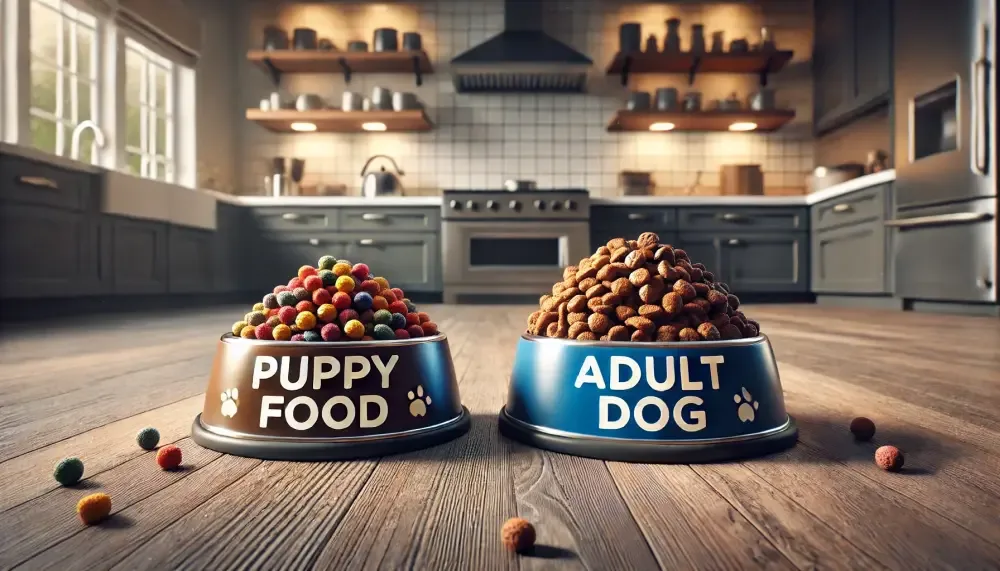
Image source: Web (Bing) / munch.zone (Web image (fair-use with source credit))
Quick Answer
Switch based on breed size and growth, not age alone. Small breeds often switch around 9 to 12 months. Medium breeds typically switch near 12 months.
Large breeds need puppy food until 12 to 18 months. Giant breeds may stay on it 18 to 24 months.
Why “Switch at One Year” Is a Dangerous Default
The one-year mark feels tidy. It’s easy to remember. But your dog’s nutritional needs don’t follow a calendar.
They follow growth rate, breed size, and body condition.
A Chihuahua may finish growing at 9 months. A Great Dane keeps growing past 18 months. Switching both at 12 months ignores that gap.
For the big dog, it can mean too little calcium at a critical time. Or too much, depending on the diet.
Large-breed puppies have a narrow calcium window. Too much calcium can raise the risk of developmental orthopedic disease. That includes hip dysplasia and elbow dysplasia.
AAFCO sets maximum calcium levels for large-breed growth formulas for this reason.
If you switch too early, you may underfeed key nutrients. If you switch too late, you may overfeed calories. Both can cause problems.
A puppy who carries extra weight puts stress on developing joints.
So the real question isn’t “when is the birthday?” It’s “has my puppy finished the growth phase?” For most owners, that means watching breed size and body condition. Not just the candle count. If you’re unsure about the growth formula itself, our guide on choosing a solid growth formula walks through label basics.
Breed Size and Growth Rate: Your Real Timeline
Breed size is the biggest lever. It changes how long your puppy needs growth nutrition. It also changes the calorie and calcium targets.
Here’s the rough timeline most veterinarians use. These are guides, not rules. Your vet can adjust based on your individual dog.
| Breed size | Expected adult weight | Typical switch window |
|---|---|---|
| Toy | Under 12 lb | 9 to 12 months |
| Small | 12 to 25 lb | 9 to 12 months |
| Medium | 25 to 60 lb | 12 months |
| Large | 60 to 100 lb | 12 to 18 months |
| Giant | Over 100 lb | 18 to 24 months |
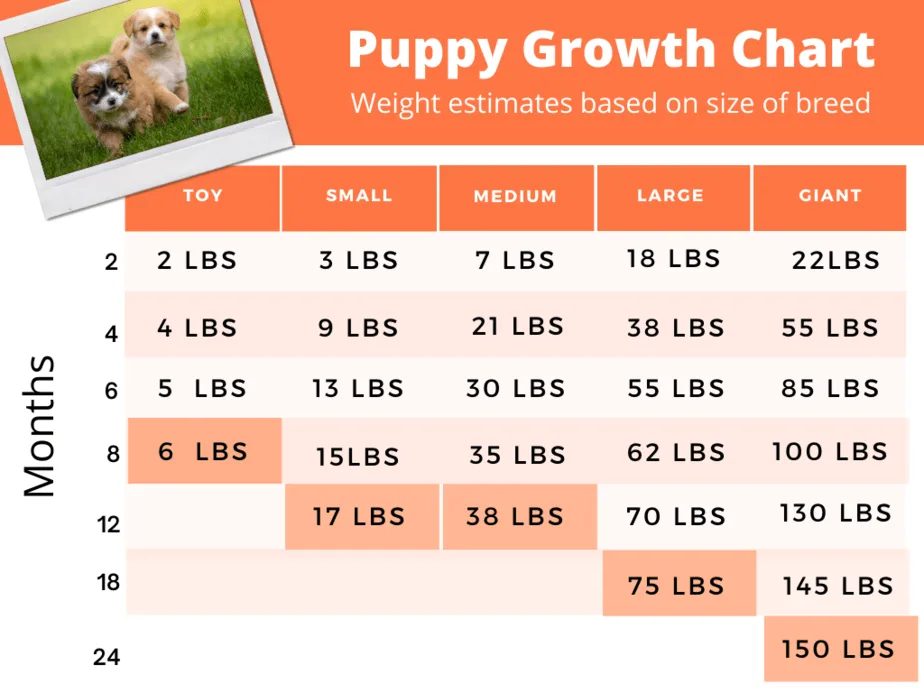
Image source: Web (Bing) / storage.googleapis.com (Web image (fair-use with source credit))
Growth plates are the reason. These soft areas at the end of bones harden over time. Once they close, growth stops.
Large and giant breeds close them later. That’s why they stay on puppy food longer.
If your puppy is a large breed, look for a diet with an AAFCO growth statement. Also check the calcium level. Large-breed formulas cap calcium to support steady bone growth.
Per AAFCO guidelines, those maximums exist for a reason.
If your puppy is small, you have more flexibility. Many small breeds are ready for adult maintenance by 9 to 12 months. Just don’t rush it if they’re still filling out.
For a deeper look at large-breed mixes and their joint needs, see our notes on large-breed mixes with joint concerns.
Decoding AAFCO Statements: Growth, All Life Stages, and Adult Maintenance
The AAFCO statement on the label tells you what the food is built for. AAFCO stands for the Association of American Feed Control Officials. It sets nutrient profiles for dog foods in the US.
You’ll see three main statements. Each means something different for a puppy.
| Statement | What it means | Puppy fit |
|---|---|---|
| Growth | Meets puppy nutrient needs | Ideal for puppies |
| All Life Stages | Meets growth and adult needs | Okay, but check calcium for large breeds |
| Adult Maintenance | Meets adult needs only | Too low for most puppies |
If a food says “adult maintenance,” it’s not designed for growth. It may lack enough protein, fat, calcium, or phosphorus. Don’t switch to it until your dog is truly done growing.
“All life stages” is a common middle ground. It meets the higher growth minimums. But for large-breed puppies, the calcium level may still be too high.
That’s why size-specific growth formulas exist.
Always read the full statement. It usually says “complete and balanced.” Then it names the life stage. If it says “intermittent or supplemental,” it’s not a complete diet.
That’s a treat or topper, not a main food.
As of 2026, the FDA and AAFCO continue to review labeling and nutrient standards. When in doubt, ask your vet. They can match the statement to your puppy’s breed and growth stage.
Body Condition Score: The Signal That Matters More Than Age
Age is a number. Body condition is a picture. The body condition score, or BCS, uses a 1 to 9 scale.
It tells you if your puppy is too thin, just right, or carrying extra weight.
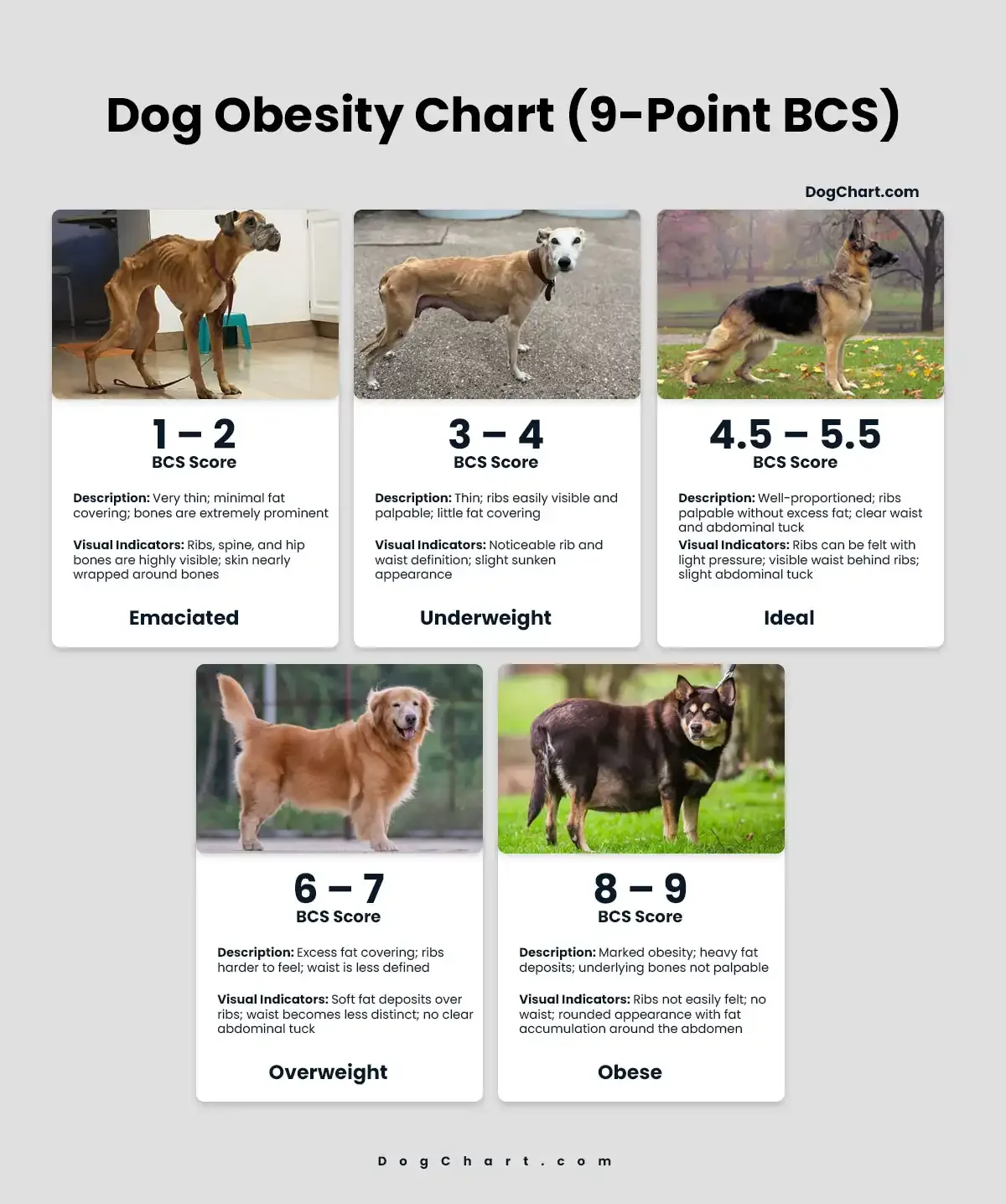
Image source: Web (Bing) / dogchart.com (Web image (fair-use with source credit))
Here’s how to check it at home. Run your hands along your puppy’s ribs. You should feel them easily under a thin layer of fat.
You shouldn’t see them sticking out. You also shouldn’t have to press hard to find them.
Look at your puppy from the side. The belly should tuck up toward the hind legs. Look from above.
You should see a waist behind the ribs. If the waist disappears, your puppy may be overweight.
A score of 4 or 5 out of 9 is ideal for most dogs. If your puppy scores 6 or higher, talk to your vet. They may suggest reducing portions or switching to adult food sooner.
If your puppy scores 3 or lower, stay on puppy food and check for underlying issues.
Body condition matters more than age because it reflects real growth. A puppy who is still lean and growing may need puppy food longer. A puppy who is already overweight may not.
If your puppy is a picky eater and you’re struggling to keep weight on, our tips on a picky eater refuses the new kibble can help.
The 7 to 10 Day Transition Plan That Prevents GI Upset
A sudden switch can cause diarrhea, vomiting, and refusal. Your puppy’s gut needs time to adjust. The fix is a slow transition over 7 to 10 days.
Here’s a simple plan. Use the same measuring cup or kitchen scale each time. Keep the total amount steady at first.
Just change the ratio.
| Day | Old puppy food | New adult food |
|---|---|---|
| 1 to 2 | 75% | 25% |
| 3 to 4 | 50% | 50% |
| 5 to 6 | 25% | 75% |
| 7 to 10 | 0% | 100% |
If your puppy gets loose stool, slow down. Stay at the current ratio for an extra day or two. You can also add a spoonful of plain canned pumpkin.
It helps firm things up.
If vomiting starts, pause the transition. Our guide on if vomiting throws you off track explains when to rest the gut. For sensitive stomachs, a gentler recipe for touchy guts may make the switch easier.
Don’t free-feed during the transition. Measure meals so you know exactly how much your puppy eats. That makes it easier to spot problems.
It also helps you adjust calories as growth slows.
Once the switch is complete, keep monitoring weight and body condition. Adult food has different calories and nutrients. You may need to tweak the portion size after a few weeks.
Mistakes That Cause Developmental Orthopedic Disease and Obesity
The biggest mistake is free-feeding a growing puppy. When food sits out all day, you lose track of intake. Puppies who eat more than they need gain weight fast.
Extra pounds on soft growth plates raise the risk of joint problems.
Too much calcium is another common error. Owners add supplements on top of a complete growth diet. That pushes calcium past the safe range.
Large-breed puppies are most at risk. Per AAFCO and FDA guidance, growth formulas already meet calcium needs. Adding more doesn’t build stronger bones.
It can cause developmental orthopedic disease instead.
Switching to adult food too early is a third trap. Adult maintenance diets are lower in protein, fat, and minerals. A puppy on adult food too soon may grow slowly or look dull-coated.
Giant breeds are the most vulnerable here.
Watch for these warning signs:
- Visible ribs or spine (too thin)
- No waist from above (too heavy)
- Limping or stiffness after rest
- Refusing food for more than a day
- Loose stool lasting more than 48 hours
If you spot limping or a sudden change in gait, call your vet. Joint issues in puppies move fast. For dogs prone to weight gain, a leaner maintenance recipe can help once the switch is done.
Portion control is your best tool. Weigh food in grams, not scoops. Scoops vary wildly by brand and how you fill them.
When to Call Your Vet About Switching Diets
Call your vet before switching if your puppy has a health condition. That includes kidney disease, food allergies, or a history of GI problems. These cases need a tailored plan, not a generic timeline.
Call sooner if your puppy shows these signs:
- Vomiting more than once in a day
- Diarrhea lasting past 48 hours
- Blood in stool
- Sudden refusal to eat
- Limping or reluctance to move
- Weight loss during the transition
Your vet can also confirm whether your puppy has finished growing. They may use a physical exam and, in some cases, X-rays to check growth plates. That’s especially useful for large and giant breeds, where the window is wider.
If your dog has a chronic condition, the diet choice matters more than the timing. A renal-friendly formula or a diet built for seasonal allergies may be the better move than a standard adult food.
Bring your food label to the appointment. Your vet can read the AAFCO statement and check the calcium level. That saves guesswork.
For giant breeds like a Giant Schnauzer, the switch window often runs past 18 months. Your vet can help you time it right.
Frequently Asked Questions
Can I switch my puppy to adult food at 6 months?
No, not for most puppies. At 6 months, growth plates are still open and nutrient needs are high. Small breeds may be close by 9 months, but 6 months is too early for nearly all dogs.
Wait for your vet’s green light.
What happens if I switch too early?
Your puppy may miss key nutrients like calcium, phosphorus, and protein. That can slow growth or affect bone development. Large and giant breeds face the highest risk.
If you’ve already switched, talk to your vet about going back.
Do large breed puppies need puppy food longer?
Yes. Large breeds often stay on growth formula until 12 to 18 months. Giant breeds may need it until 18 to 24 months.
Their growth plates close later, so their nutrient needs stay higher for longer.
Is all life stages food okay for puppies?
It can be, since it meets growth minimums. But for large-breed puppies, check the calcium level first. A size-specific growth formula is usually the safer pick.
Ask your vet if you’re unsure.
How do I know my puppy is done growing?
Body condition and breed size are your best clues. Your vet can confirm with an exam and, if needed, X-rays. Once growth plates close, adult maintenance food is the right fit.
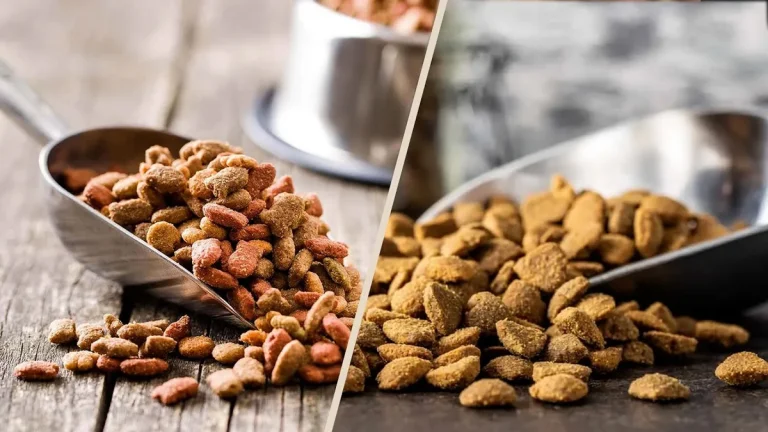
2 Comments