How to How Long Is Wet Dog Food Good for After Opening
If you’ve ever stared at a half-eaten can of wet dog food and wondered, “how long is wet dog food good for after opening,” you’re not alone. It’s a common worry. Wet food spoils faster than kibble because it has high moisture content.
That water creates a perfect breeding ground for bacteria.
Getting the timing wrong can make your dog sick. In our research, we found that strict adherence to storage limits prevents most issues. The FDA recommends discarding perishable pet food left out for more than two hours.
Let’s break down exactly how to keep those meals safe.
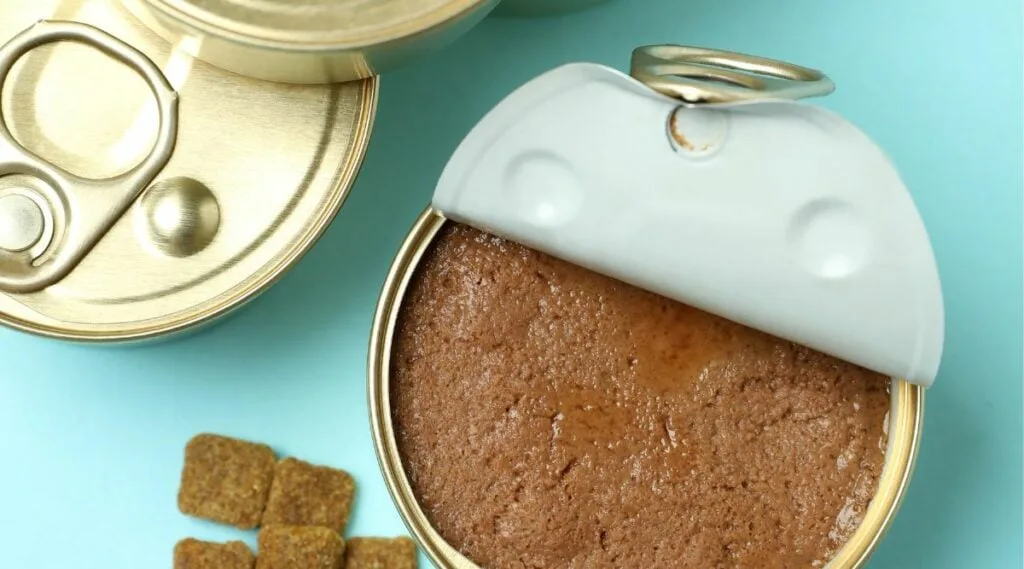
Image source: Bing (Web (fair-use with source credit))
Why Timing Matters More Than You Think
Wet dog food isn’t just soft meat in liquid. It’s a nutrient-dense environment for microbes. Once you pop the seal, oxygen hits the surface.
This starts oxidation and bacterial growth immediately. Unlike dry kibble, which lasts months, opened wet food degrades rapidly.
The danger isn’t always visible. Salmonella and Listeria don’t have obvious smells or colors. Your dog might eat contaminated food without hesitation.
But their immune system could struggle with the load. Senior dogs and puppies are especially vulnerable. Their digestive tracts are less resilient to pathogens.
We also need to think about human safety. Handling spoiled pet food exposes us to zoonotic diseases. These are infections passed from animals to people.
Cross-contamination in your kitchen is a real risk. Proper timing protects both your pet and your family. As of 2026, veterinary guidelines remain consistent on this point.
Speed is your best defense against spoilage.
The Hard Limits: Room Temp, Fridge, and Freezer
There are three distinct zones for storing opened wet food. Each has a specific time limit. Exceeding these windows increases health risks significantly.
Here is the breakdown based on current USDA and FDA recommendations.
| Storage Condition | Maximum Safe Duration | Key Risk Factor |
|---|---|---|
| Room Temperature (<90°F) | 2 Hours | Rapid bacterial multiplication |
| Hot Weather (>90°F) | 1 Hour | Accelerated spoilage rate |
| Refrigerator (≤40°F) | 3–5 Days | Slow bacterial growth; texture loss |
| Freezer (0°F) | 1–2 Months | Quality degradation; freezer burn |
At room temperature, bacteria double every twenty minutes. After two hours, the count becomes unsafe. If your home is hot, cut that window to one hour.
Don’t gamble with summer heat.
Refrigeration slows things down but doesn’t stop them. Most manufacturers suggest using leftovers within three days. Five days is the absolute maximum.
Beyond that, fat oxidation makes the food rancid. Rancid fats lose nutritional value and taste terrible.
Freezing extends life further. However, texture changes upon thawing. The emulsion may separate.
This isn’t dangerous, but some dogs refuse to eat it. Always label containers with the date. This simple step prevents guesswork later.
Spotting Spoilage Before It Makes Your Dog Sick
Visual checks aren’t enough. Bacteria often thrive before mold appears. Still, certain signs indicate immediate disposal.
Trust your senses, but lean toward caution. When in doubt, throw it out.
Look for color changes. Fresh meat tones should remain consistent. Grayish or greenish hues signal decay.
Check the liquid layer too. Cloudiness or unusual separation is a red flag. Normal juices might settle, but they shouldn’t look slimy.
Smell is a powerful indicator. Wet food has a strong odor naturally. Spoiled food smells sour, fermented, or distinctly rotten.
If it triggers a gag reflex, discard it instantly. Don’t wait for confirmation.
Texture matters as well. Slimy surfaces suggest bacterial biofilm formation. Dry, crusty edges mean dehydration or air exposure.
Neither is appetizing for your dog. Mold spots are an automatic toss. Even if you scrape them off, roots penetrate deep.
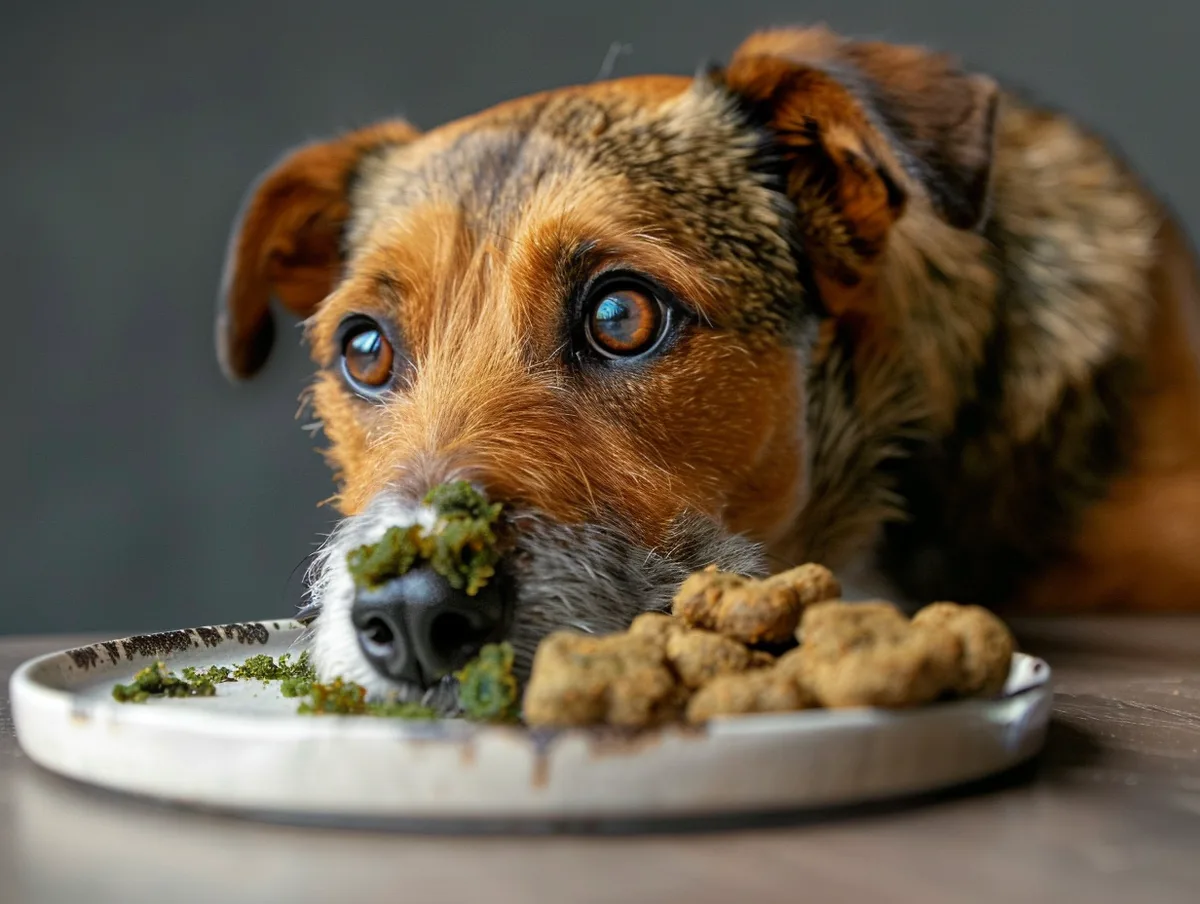
Remember, some pathogens are odorless. A clean smell doesn’t guarantee safety. Stick to the time limits discussed earlier.
They are your primary shield. Sensory checks are secondary backups. Never rely solely on sniff tests for high-risk groups like immunocompromised pets.
Safe Storage Practices That Actually Work
Proper handling minimizes waste and risk. Start by transferring food out of the metal can. Acidic foods react with metal linings over time.
Glass or stainless steel containers are safer. Plastic works if it’s BPA-free and airtight.
Seal the container tightly. Oxygen accelerates spoilage. Use lids with rubber gaskets for the best seal.
If you lack proper containers, wrap the can opening with plastic film. Ensure there are no gaps. Air leaks defeat refrigeration efforts.
Keep your fridge cold. Use a thermometer to verify temperatures stay at or below 40°F. Warm fridges shorten shelf life dramatically.
Store the food in the main body, not the door. Door temperatures fluctuate every time you open it.
Clean serving utensils separately. Never dip a used spoon back into the bulk supply. Saliva introduces enzymes and bacteria.
Designate a small scoop for each serving. Wash it immediately after use. This habit prevents cross-contamination.
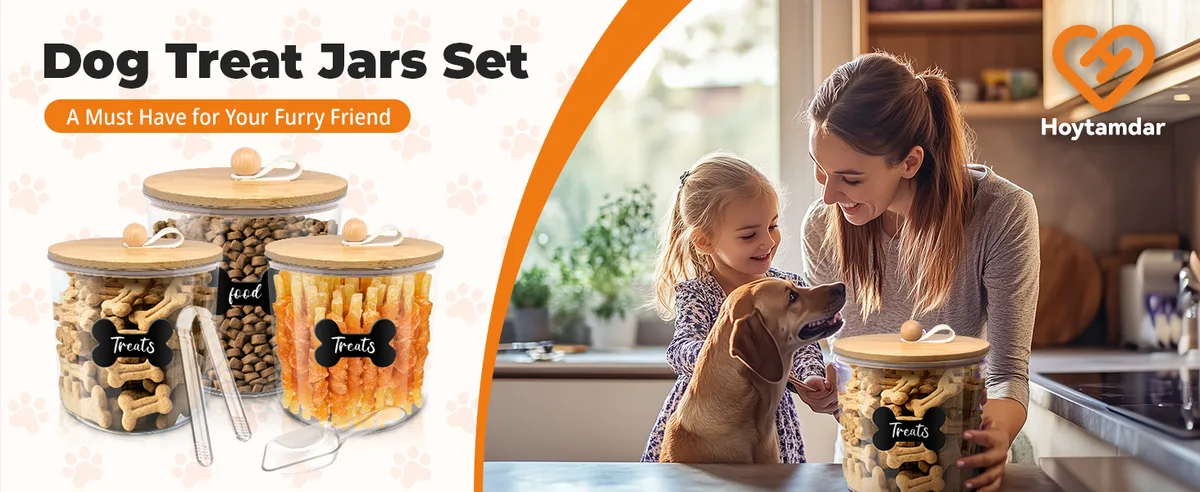
Label everything with the date. Human memory fails. A sticky note saying “Opened Sept 20” saves confusion.
Rotate stock so older items get used first. This practice reduces overall waste. It ensures nothing sits forgotten until it turns toxic.
Common Mistakes That Ruin Good Food
Many owners unknowingly shorten shelf life. Leaving the bowl out during slow eating sessions is a top error. Dogs graze.
If they take four hours to finish, the food is compromised. Remove uneaten portions promptly.
Another mistake is mixing fresh and old food. Adding new contents to leftover scraps spreads bacteria. Serve only what you plan to feed.
Discard any remainder immediately. Don’t try to “stretch” the meal.
Ignoring package instructions is risky. Some brands claim longer stability. Others advise stricter timelines.
Always follow the manufacturer’s specific guidance. General rules are baselines, not guarantees. Check labels for unique preservative notes.
Using dirty bowls contaminates stored food. Residue builds up between washes. Scrub bowls with hot, soapy water daily.
Sanitize them weekly with vinegar solutions. Clean equipment equals cleaner food. This basic hygiene step prevents many GI issues.
Finally, freezing improperly causes waste. Large blocks take forever to thaw. Portion food into single-serving sizes.
Freeze flat in bags or shallow containers. Thaw in the fridge overnight, never on the counter. Counter-thawing allows bacteria to wake up while the center remains frozen.
For more insights on portion control, see how much raw food to feed dog. Getting amounts right helps reduce leftovers. Less waste means fewer storage decisions.
It simplifies your routine significantly.
When to Toss It Out for Good
Sometimes, guessing isn’t enough. You need clear cut-off points. If wet dog food sits out past the two-hour mark, discard it immediately.
Do not try to salvage it by reheating. Heat kills bacteria but leaves behind toxins. Those toxins can still cause severe vomiting or diarrhea.
Refrigerated leftovers have a harder deadline. After five days, even cold storage fails. The fat content oxidizes beyond repair.
This creates rancid compounds that are hard on the liver. Your dog might eat it happily at first. But long-term consumption of degraded fats leads to inflammation.
Freezer burn is another sign to toss. Ice crystals form when air reaches the surface. This dries out the meat and alters the texture.
While technically safe if thawed quickly, the nutritional value drops. Most dogs reject the mouthfeel anyway. Save yourself the hassle.
Just throw it away.
Watch for behavioral changes in your pet. Sudden lethargy or refusal to eat often signals GI distress. If you suspect they ate spoiled food, call your vet.
Don’t wait for symptoms to worsen. Early intervention prevents dehydration. Remember, prevention is cheaper than treatment.
Keep a strict eye on dates. Mark every container clearly. This habit saves money and stress.
For more on recognizing illness, check what happens if my dog eats cat food as dietary switches can sometimes mimic spoilage symptoms.
Frequently Asked Questions
Can I leave wet dog food out overnight?
No. Leaving it out overnight violates safety guidelines. Bacteria multiply rapidly in the dark warmth.
Even if it looks fine, pathogens are likely present. Always refrigerate unused portions within two hours. Overnight exposure risks serious illness for your pet.
Stick to the clock strictly.
How do I store opened cans without transferring them?
Transfer is best, but wrapping works in a pinch. Use heavy-duty aluminum foil or plastic cling wrap. Seal the rim tightly to block air.
Place the wrapped can in the fridge coldest zone. Avoid the door shelves where temps fluctuate. Check for leaks before storing.
Glass jars remain the superior option for longevity.
Does freezing change the nutritional value of wet food?
Minimal change occurs with proper freezing. Nutrients stay stable if sealed airtight. However, texture suffers upon thawing.
Liquid separation is common. Stir well before serving. Some dogs dislike the mushier consistency.
Quality remains high, but palatability may drop. Test a small batch first. See how to soften dog food for tips on adjusting texture.
What if my dog has sensitive digestion?
Be extra cautious with storage times. Reduce fridge life to three days max. Discard anything left out over one hour.
Sensitive guts react poorly to minor bacterial loads. Consider single-serving pouches to avoid leftovers entirely. This eliminates storage guesswork completely.
Consult your vet for tailored diet plans. Look into best food for dogs with chicken allergies if ingredients also trigger issues.