Why won’t my dog eat food? step by step
You sit down with your dog’s bowl. They sniff it. They walk away.
You’ve seen that look before, and your mind starts spinning through possibilities. Is it the food? Is it something serious?
“Why won’t my dog eat food?” is one of the most worrying questions any owner faces, and the answer can range from “they’re being dramatic” to “this needs a vet right now.”
The tricky part is telling the difference. As of 2026, veterinary emergency rooms report that appetite loss is one of the top three reasons owners bring dogs in, yet most cases turn out to be manageable at home. The challenge is knowing which category your dog falls into.
Let’s walk through this together so you can make the right call.
Quick Answer
Dogs stop eating for three main reasons: they feel sick, they’re stressed, or they’re being picky. The 24-hour rule is your safety guide. Healthy adult dogs can skip one meal without danger.
Puppies, small breeds, and senior dogs need a vet after 12 hours without food. Watch for vomiting, lethargy, or diarrhea. Those mean go to the vet now.
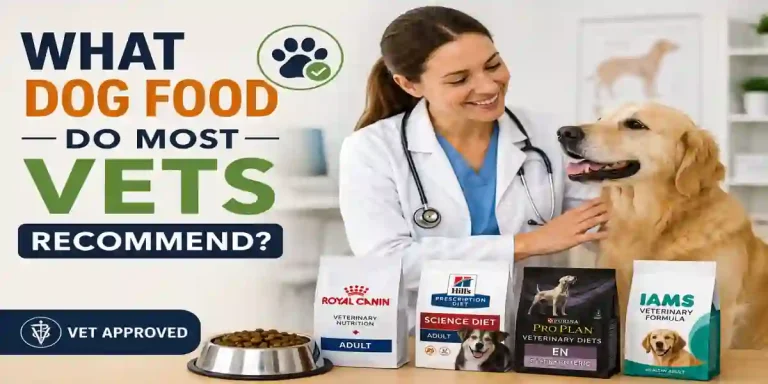
Our top 3 adult dog foods:
Purina Pro Plan Sensitive Skin and Stomach Dog Food Dry
IAMS Proactive Health Adult Minichunks Premium Dry Dog Food
Purina ONE Chicken and Rice Formula Dry Dog Food
When Your Dog Turns Up Their Nose – Why It’s a Bigger Deal Than You Think
A dog who refuses food is sending you a signal. Dogs are biologically wired to eat when food is available. That instinct runs deep.
When they ignore a meal, something is genuinely off.
The medical term for this is anorexia in dogs. It sounds scary, but it just means loss of appetite. There’s also pseudo-anorexia, where your dog wants to eat but can’t because of pain in their mouth, teeth, or throat.
A dog that walks to the bowl, sniffs the food, and backs away might have a broken tooth or a mouth ulcer.
The difference matters. A dog with true anorexia has no interest in food at all. A dog with pseudo-anorexia is interested but physically unable to eat.
Watch how they behave around the bowl. That single observation can tell your vet a huge amount about what’s wrong.
Per AVMA guidelines, any adult dog that hasn’t eaten for 24 hours needs a veterinary exam. For puppies under six months, that window drops to 12 hours. Small breeds like Chihuahuas and Yorkies are especially vulnerable because they have low energy reserves.
A day without food can push them into hypoglycemia, which is dangerous.
Is It Picky Eating or a Medical Emergency? The 24-Hour Rule
Here’s the framework that every vet uses. It’s simple and it works.
If your dog is acting normal, playful, alert, drinking water, no vomiting or diarrhea, you can safely wait 24 hours before calling the vet. This is almost always behavioural. Your dog might be holding out for something better.
They might be stressed by a new environment. They might just be having an off day. Dogs have good days and bad days, just like we do.
If your dog is acting off, lethargic, hiding, vomiting, diarrhea, refusing water, that’s not picky eating. That’s a medical problem. Do not wait.
Call your vet immediately.
Here’s a quick reference guide for when to act:
| Situation | Action |
|---|---|
| Healthy adult, missed one meal, acting normal | Wait. Offer food again in 6-8 hours |
| Healthy adult, missed two meals (24+ hours) | Call your vet |
| Puppy under 6 months, missed one meal | Call your vet |
| Senior dog with health conditions, missed one meal | Call your vet |
| Any dog, not eating AND not drinking | Emergency vet now |
| Any dog, not eating AND vomiting | Emergency vet now |
| Any dog, not eating AND showing signs of pain | Emergency vet now |
The water piece is critical. A dog can go longer without food than without water. If your dog is refusing water alongside food, that’s a much more serious situation.
Dehydration sets in fast and can cause organ damage within 24 to 48 hours.
Why Dogs Stop Eating – The Medical vs. Behavioral Divide
Let’s break down the two sides of this coin.
Medical Causes – When Something Is Wrong Inside
The list of medical reasons a dog stops eating is long, but the most common ones are straightforward.
Dental disease is the number one cause of pseudo-anorexia in dogs over three years old. By that age, most dogs have some level of tartar buildup, gingivitis, or tooth decay. According to the Veterinary Oral Health Council, 80 percent of dogs show signs of dental disease by age three.
That broken tooth or infected gum hurts when they bite down. They want to eat, but the pain stops them.
Gastrointestinal upset is the next biggest culprit. Dogs eat things they shouldn’t. A sudden change in food, a stolen piece of leftover pizza, grass from the backyard, all of these can upset a dog’s stomach.
Nausea makes them not want to eat. It usually resolves within 24 to 48 hours.
Pancreatitis is a serious condition where the pancreas becomes inflamed. It’s common in dogs who get into fatty foods. The classic signs are vomiting, a hunched back (the “praying position”), and complete refusal of food.
This requires veterinary treatment, often with IV fluids and medication.
Kidney disease and liver disease both cause appetite loss. These are more common in senior dogs. The buildup of toxins in the blood makes dogs feel nauseous and lethargic.
If your older dog is eating less over a period of weeks rather than suddenly stopping, this is worth investigating.
Foreign body obstruction is an emergency. If your dog ate a sock, a toy, or a piece of rawhide that’s stuck in their intestines, they will stop eating, vomit, and show signs of abdominal pain. This requires surgery.
Do not wait.
Behavioral Causes – When It’s in Their Head
Behavioral appetite loss is real and common. It just doesn’t come with the same urgency.
Stress and anxiety are the top behavioral triggers. A new baby in the house. Moving to a new home.
A loud construction project outside. A new pet. Dogs are creatures of habit.
When their routine changes, their appetite often takes a hit.
Food aversion happens when a dog associates a specific food with a negative experience. Maybe they ate that brand of kibble once and got sick shortly after. Now they won’t touch it.
Their brain has made a connection, and they’re not taking any chances.
Picky eating is learned behavior. Some dogs figure out that if they refuse their food, something better will appear. Chicken and rice.
Table scraps. A new bag of kibble. This works for them, so they keep doing it.
It’s smart, but it’s a habit you need to break.
Red Flags That Require a Vet Visit Immediately
Some symptoms are non-negotiable. If your dog shows any of these alongside appetite loss, skip the home remedies and head straight to the vet.
Vomiting, especially if it’s more than once in 24 hours or if there’s blood. Vomiting combined with not eating can lead to dehydration fast.
Diarrhea, especially if it’s watery, bloody, or happens multiple times. Loss of fluids plus no food intake is a dangerous combination.
Lethargy, your dog is sleeping more than usual, not interested in walks, not greeting you at the door. Energy level is one of the best indicators of how sick a dog really is.
Signs of pain, whimpering, restlessness, panting when it’s not hot, a hunched back, or reluctance to be touched. Dogs hide pain instinctively. When they show it, it’s serious.
Swollen or distended abdomen, this could be bloat (GDV), which is life-threatening. Large, deep-chested breeds like Great Danes, German Shepherds, and Standard Poodles are most at risk. Bloat can kill in hours without treatment.
No water intake for 12+ hours, dehydration is a medical emergency. You can check by gently lifting the skin between your dog’s shoulder blades. In a hydrated dog, it snaps right back.
If it stays tented for more than two seconds, your dog is dehydrated and needs fluids.
Gums that are pale, white, blue, or tacky dry; healthy gums are pink and moist. Pale gums suggest anemia or shock. Blue gums mean oxygen isn’t circulating.
Both are emergencies.
What You Can Try at Home (Before Panicking)
If your dog is acting normal, drinking water, and just not interested in dinner, you have room to experiment. These are the things to try before picking up the phone.
Warm the food. This is the single most effective trick. Dogs rely heavily on smell. Cold food has very little aroma.
Warming it to body temperature (around 100°F) releases the fats and proteins into the air. Your dog’s nose picks that up, and suddenly that bowl is interesting. Microwave the food for 10 to 15 seconds, stir it well to avoid hot spots, and serve.
Add a savory topper. A spoonful of plain canned pumpkin, a tablespoon of bone broth with no onions or garlic, or a sprinkle of freeze-dried liver can kickstart interest. These strong smells cut through a dog’s hesitation. The goal is to get them eating something.
Once they start, their appetite often returns for the rest of the meal.
Switch the bowl. This sounds absurd, but it works. Some dogs are sensitive to the way their bowl smells or feels. Plastic bowls can hold odors from previous meals.
Stainless steel is neutral. A ceramic bowl might feel different against their whiskers. Some dogs even develop a mild phobia of their metal bowl if it clangs.
Try a flat plate. Try a shallow dish. Sometimes a simple change is all it takes.
You can find a wide selection of different feeding options that might work better for your dog’s preferences.
Hand feed. Sit on the floor. Offer a few pieces of kibble from your palm. For some dogs, the act of eating becomes associated with stress or discomfort.
Hand feeding removes the pressure of the bowl and turns eating into a positive interaction. Do this for a day or two to break the cycle.
Check their environment. Is the bowl next to a noisy washing machine? Is it in a high-traffic hallway? Is another dog hovering nearby?
Dogs are vulnerable when they eat. If the environment feels stressful, they may avoid the bowl even if they’re hungry. Move the bowl to a quiet corner and see what happens.
Try a different texture. Some dogs get bored with kibble. Wet food, freeze-dried raw, or a mix of textures can reignite interest. You’re not switching their diet permanently.
You’re just finding a way to get calories in while you figure out the underlying cause.
What NOT to do. Don’t starve your dog into eating. That old advice about “they’ll eat when they’re hungry” only applies to healthy dogs with no medical issues. If there’s an underlying problem, withholding food makes it worse.
Don’t offer a constant parade of treats either. That teaches them that refusing a meal pays off. Don’t switch to a completely new brand of food without a transition plan.
Sudden diet changes cause digestive upset, which is exactly what you’re trying to avoid.
If none of these work within 12 hours for a puppy or 24 hours for an adult, it’s time to involve your vet.
Common Errors That Make the Problem Worse
When your dog won’t eat, it’s easy to make things worse without realizing it. The most common mistake is switching food too fast. You open a new bag, pour it in, and hope for the best.
That sudden change can upset their stomach and make them refuse even more.
Free feeding is another trap. Leaving food out all day sounds harmless. But it destroys the structure your dog needs.
A dog that can graze anytime has no reason to eat a full meal. They pick, they wander, and the food goes stale. Scheduled meals create healthy eating habits.
Giving in too quickly teaches the wrong lesson. If you offer kibble, they refuse, and you immediately produce chicken and rice, you’ve just trained them. They learned that holding out gets better food.
This is how picky eaters are made, not born.
Over-treating is the silent killer of appetite. Those training treats, dental chews, and table scraps add up. A dog that gets half their calories from treats won’t be hungry for their actual food.
Keep treats to no more than 10 percent of their daily intake.
Ignoring dental pain is the most common oversight. Dogs hide tooth pain well. They still want to eat, but crunching kibble hurts.
If you notice dropping food, chewing on one side, or bad breath, check their mouth. A broken tooth or infected gum needs a vet, not a new food.
The Vet Visit – What to Expect and How to Prepare
If home remedies didn’t work and the 24-hour mark is approaching, it’s time for the vet. A little preparation can make that visit more productive and less stressful.
What to bring. Write down when your dog last ate, what they ate, and how much. Note when they last drank water. Count how many times they vomited or had diarrhea.
Record any changes in behavior, energy, or stool. This timeline is gold for your vet.
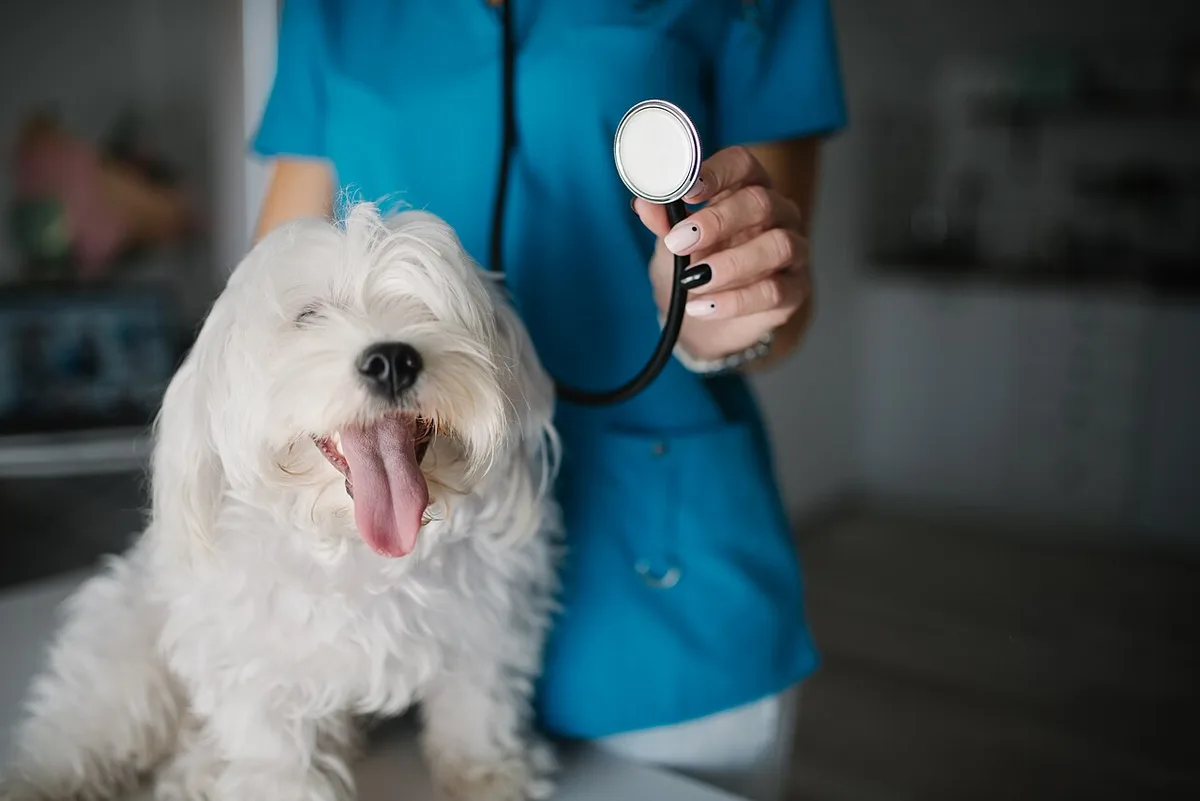
What the vet will do. Expect a full physical exam. They’ll check temperature, heart rate, gum color, and hydration. They’ll palpate the abdomen to feel for pain, masses, or blockages.
They’ll look inside the mouth for dental issues. Based on those findings, they may recommend blood work, X-rays, or an ultrasound.
Blood work checks organ function, blood cell counts, and electrolyte balance. It can reveal kidney disease, liver issues, pancreatitis, or infection. For senior dogs, this is often the first step.
If your dog has a known condition like kidney disease, bringing a history of their specific dietary needs helps the vet plan treatment.
Expect questions about their environment. Vets will ask about recent changes. New pets, new people, new food, new home. Stress is a major appetite suppressor.
Be honest about what’s changed. Even small things like a new piece of furniture or a visitor can trigger it.
Treatment options vary. Some dogs need anti-nausea medication. Others need pain relief for dental issues. Appetite stimulants exist, but they’re not a first-line solution.
The focus should be on treating the underlying cause, not forcing the symptom.
Your Action Plan – From First Refusal to Recovery
Here’s a simple timeline to follow. Bookmark this if you need to.
First 6 hours. Don’t panic. Check your dog’s energy and water intake. If they’re acting normal, wait.
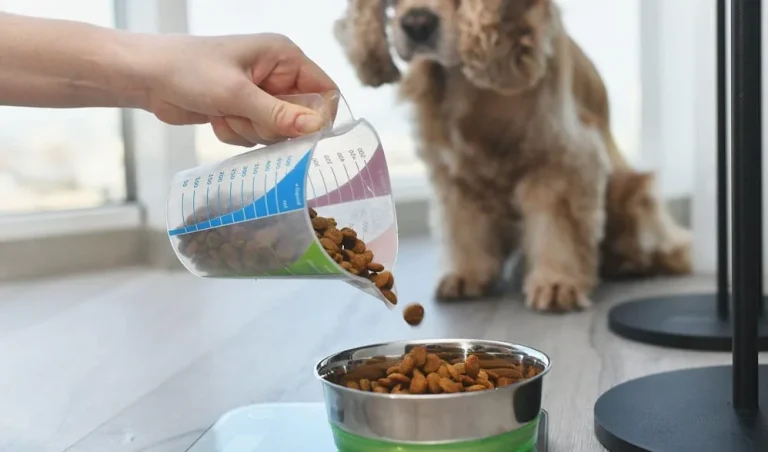
Offer their regular food at the next meal time. No extra treats. No special dinners.
6 to 12 hours. If they still refuse, try the home tricks. Warm the food. Add a topper.
Change the bowl. Hand feed. Check for any signs of illness.
If your dog is a puppy or a senior, call your vet now.
12 to 24 hours. For healthy adults, you still have time. But start watching more closely. Check hydration.
Monitor gum color. If your dog is drinking water and acting mostly normal, keep trying home strategies. If you see any red flags, go to the vet.
24 hours. This is the hard stop for adult dogs. Call your vet. Even if your dog looks fine, a full day without food is cause for investigation.
Your vet may want to see them or may offer advice over the phone.
Post-recovery. Once your dog starts eating again, don’t rush back to normal. Stick with small, bland meals for the first 24 hours. Plain boiled chicken and white rice work well.
Gradually transition back to their regular food over 3 to 5 days. For dogs with a sensitive stomach, you might need to consider longer-term dietary adjustments to prevent recurrence.
Keeping Your Dog’s Appetite Healthy Long-Term
Prevention is easier than troubleshooting. A few habits can keep your dog eating well for years.
Stick to a schedule. Feed at the same time every day. Dogs thrive on routine. When their body knows when food is coming, they’re ready for it.
Two meals a day for adults. Three or four for puppies.
Limit treats and table scraps. Treats have a purpose. They reward good behavior. But they should never replace meals.
If you’re training heavily, use part of your dog’s daily kibble as training treats instead of adding extra calories.
Keep their mouth healthy. Dental disease is the top cause of appetite loss in older dogs. Brush their teeth if you can. Use dental chews approved by the Veterinary Oral Health Council.
Get annual dental cleanings at the vet. A pain-free mouth means a happy eater.
Exercise before meals. A short walk or play session stimulates appetite. It’s an instinct. Physical activity wakes up the digestive system.
Just don’t exercise right after a large meal, especially in deep-chested breeds at risk for bloat.
Rotate proteins carefully. Some dogs get bored eating the same thing every day. But switching too often can cause upset. The sweet spot is rotating between two or three protein sources over several weeks.
This keeps meals interesting without destabilizing their digestion.
Frequently Asked Questions
How long can a dog go without eating before it’s dangerous?
For healthy adult dogs, 24 hours is the threshold. Puppies, seniors, and small breeds should see a vet after 12 hours. Any dog that stops drinking water needs immediate care.
Should I force-feed my dog if they won’t eat?
No. Force feeding can cause aspiration pneumonia or make your dog fear food. It also risks bites.
If your dog needs nutrition and won’t eat, a vet can provide appetite stimulants or IV fluids safely.
Can a dog refuse food because of depression?
Yes. Dogs grieve and experience anxiety. Loss of a companion, a move, or a major routine change can suppress appetite.
This usually resolves within a few days. If it lasts longer, check with your vet.
Why does my dog eat treats but not their food?
This is classic picky eating or learned behavior. Your dog knows that holding out for kibble might get them something better. It can also signal dental pain if crunchy kibble hurts, but soft treats don’t.
Does changing dog food help with appetite loss?
Sometimes, but only if the refusal is behavioral. Warm the food first. Add a topper.
If you do switch, transition gradually over 7 days. A sudden switch can cause digestive upset and make things worse.
When should I worry about my senior dog not eating?
Senior dogs should not go more than 12 hours without food. Appetite loss in older dogs often signals underlying health issues like kidney disease, dental problems, or cognitive decline. A vet visit is warranted early.