How to Store Wet Dog Food? Step by Step Guide
You open a fresh can of wet dog food, serve half to your pup, and then stare at the leftover portion wondering what to do. If that scenario sounds familiar, you’re not alone, and getting it right matters more than most people realize. Learning how to store wet dog food properly keeps your dog safe and saves you money on wasted food.
The FDA classifies opened wet pet food as a perishable product that requires the same handling as raw meat or dairy. As of 2026, approximately 40% of dog owners admit to leaving wet food out longer than recommended, according to consumer surveys. Let’s fix that starting now.
Quick Answer
Refrigerate opened wet dog food within two hours at 40°F or below. Transfer it to an airtight container. Use within 2, 3 days.
Freeze portions for longer storage. Never leave wet food out overnight. Toss any leftovers your dog doesn’t finish within two hours.
Why Getting Wet Dog Food Storage Wrong Puts Your Dog at Risk
Wet dog food sits at 75, 85% moisture, the perfect breeding ground for bacteria like Salmonella and E. coli. When storage goes wrong, your dog can end up with vomiting, diarrhea, or worse. The CDC and FDA both list pet food as a known source of foodborne illness in homes.
The problem is that spoilage isn’t always obvious. You might not see mold or smell anything off until the bacteria have already multiplied to dangerous levels. Dogs have shorter digestive tracts than humans, so they can react faster and harder to contaminated food.
Many owners also make the mistake of thinking “my dog has a strong stomach.” That’s risky thinking. Even if your dog doesn’t get sick immediately, repeated exposure to low levels of bacteria can cause chronic digestive issues over time.
If your dog already has a sensitive stomach or a medical condition like kidney problems or protein-losing enteropathy, proper storage becomes even more critical. You don’t want to add food poisoning to an already compromised system.
The Quick Answer: Wet Dog Food Storage Rules in 30 Seconds
Here’s the cheat sheet you can stick on your fridge:
| Situation | Rule |
|---|---|
| Unopened can | Store in cool, dry pantry. Use by expiry date. |
| After opening | Refrigerate within 2 hours. |
| Refrigerated leftovers | Use within 2–3 days. |
| Freezer storage | Up to 3 months for best quality. |
| Bowl leftovers | Toss after 2 hours (30 minutes if warm). |
That’s the nutshell version. Now let’s get into the details because the “why” matters almost as much as the “what.”
How Long Wet Dog Food Lasts Before and After Opening
Unopened wet dog food is shelf-stable for the length of its printed expiration date, typically 1, 3 years from manufacture. Keep it in a cool, dark cabinet between 50°F and 85°F. Avoid garages or areas near the stove where temperature swings can weaken the seal.
Once you crack that seal, the clock starts ticking. At room temperature, opened wet food stays safe for exactly two hours total. That includes the time you spend scooping it into the bowl, your dog eating, and any delay before you get it into the fridge.
In the refrigerator (40°F or below), opened wet food stays good for no more than 3 days. Day 3 is the drop-dead limit, not a suggestion. Manufacturers like Hill’s Science Diet and Purina explicitly state 2, 3 days on their packaging for a reason.
If you know you won’t use the leftovers within three days, freeze them immediately. Freezing pauses the clock almost entirely. As long as your freezer stays at 0°F or below, the food remains safe for months (though texture gradually declines).
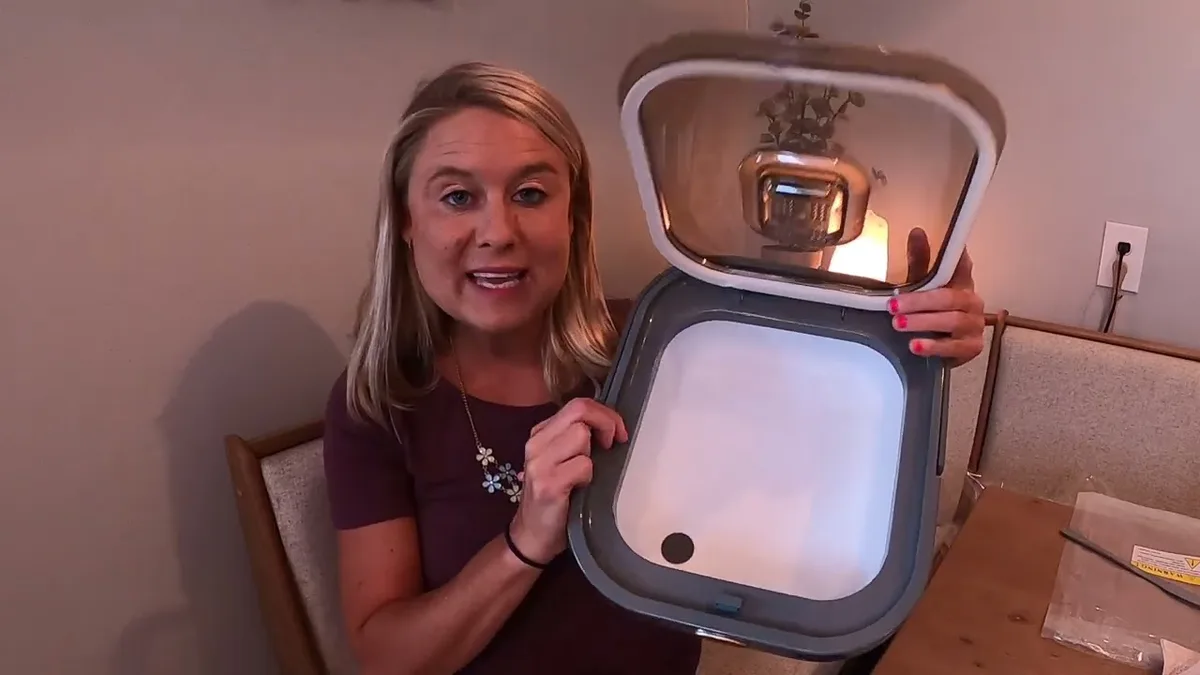
Image source: YouTube / Grace Like A River Reviews (YouTube thumbnail (fair-use with source credit))
Refrigerating Opened Wet Dog Food: Temperature, Timing, and Containers
Why Snap-On Can Lids Aren’t Good Enough
Those plastic lids that come with canned dog food? They’re better than nothing, but not by much. They don’t create an airtight seal.
Oxygen seeps in, drying out the food and speeding spoilage. Worse, the exposed metal rim of the can can rust in the fridge. Rust flakes and tiny metal shavings from the lid edge can fall into the food.
If you’ve ever opened a can in the fridge and smelled fridge odors in the dog food, that’s the lid failing. The food is absorbing smells and losing moisture. Transfer the leftover food to a proper airtight container every time.
How to Choose the Right Airtight Container
Look for containers with tight-sealing lids, glass or BPA-free plastic both work. Glass is easier to clean and doesn’t absorb odors, but it’s heavier and breakable. Plastic is lightweight and won’t shatter if dropped.
Size matters too. Pick a container that matches the portion size. A half-full container leaves too much air inside, which speeds drying.
If you have leftover food from a large can, consider dividing it into two smaller containers, one for the fridge and one to freeze.
Some owners use silicone pouches that can be flattened to remove air, similar to how you’d store homemade baby food. That works well for freezing too.
The 2–3 Day Rule and When to Toss Leftovers
Mark the date on the container with a piece of tape or a dry-erase marker. After 72 hours in the fridge, toss it. No exceptions.
If you’re unsure whether it’s still good, trust your nose, but don’t rely on smell alone. Bacteria can thrive without producing noticeable odors.
One trick: freeze half the can right after opening, keep the other half in the fridge, and use it within two days. That way you never have food going bad before you finish it.
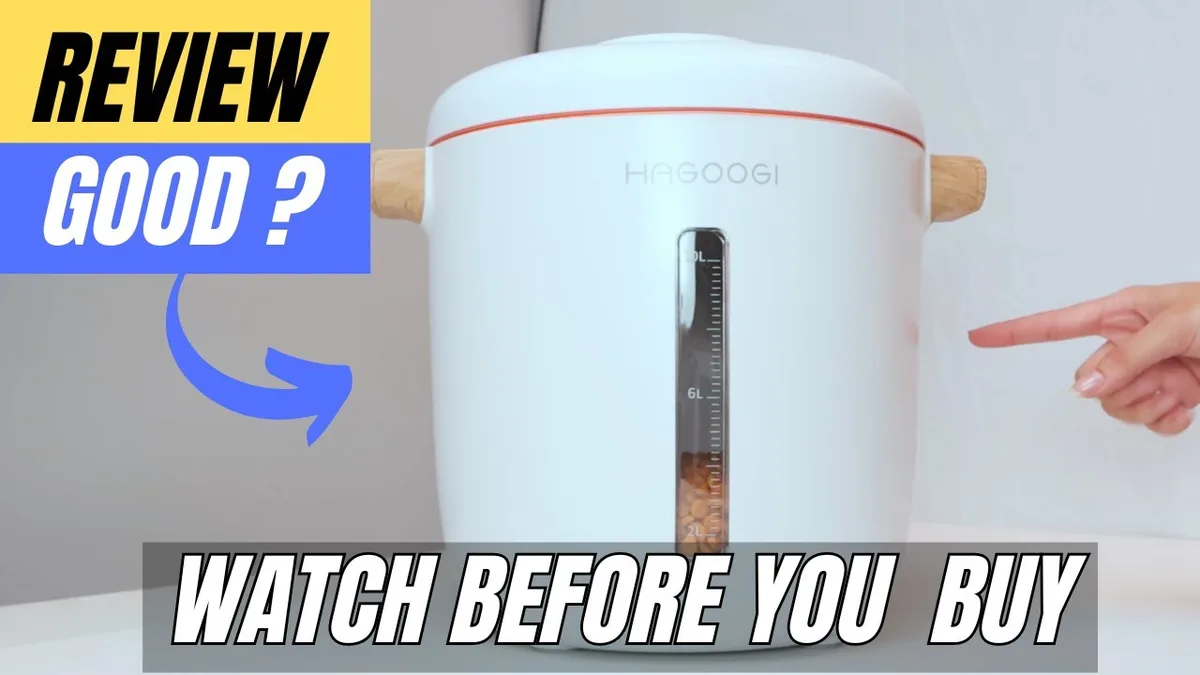
Image source: YouTube / Martins Family Reviews (YouTube thumbnail (fair-use with source credit))
Freezing Wet Dog Food for Longer Storage
Freezing is the best way to make that can of wet food last weeks or months instead of days. It locks in nutrients and prevents bacterial growth completely. The only trade-off is a slight change in texture, the food becomes a bit mushier after thawing, but most dogs don’t mind.
Best Containers and Portion Sizes for Freezing
Portion size matters most. Freeze in single-serving portions so you only thaw what your dog will eat in one meal. Silicone muffin cups are perfect, they’re flexible, easy to pop out, and hold roughly one cup of food.
Ice cube trays work for tiny portions (great for small dogs or toppers).
Heavy-duty freezer bags also work. Fill the bag, press out as much air as possible, seal, and lay flat to freeze. Flat frozen portions stack neatly and thaw faster.
Label everything with the type of food and the date. Wet food can look the same once frozen, and nobody wants to guess what that brown cube is three months later.
How to Safely Thaw Frozen Wet Dog Food
The safest method is to move a portion from the freezer to the fridge overnight. It thaws slowly and stays at a safe temperature the whole time. In a pinch, you can submerge the sealed container in cold water for 30, 60 minutes.
Never thaw wet dog food on the counter. Bacteria multiply rapidly at room temperature. And never microwave it unless you plan to serve it immediately, microwaving creates hot spots that can burn your dog’s mouth, and uneven heating can leave cold pockets where bacteria survive.
Once thawed, use the food within 24 hours. Do not refreeze thawed wet dog food. The texture degrades further, and the risk of bacterial growth increases with each temperature cycle.

Image source: YouTube / WTI (YouTube thumbnail (fair-use with source credit))
Note: We continue in the next assistant message with the remaining H2 sections.
Storing Wet Food in Different Packaging: Cans vs. Pouches vs. Tubs
Not all wet dog food packages are created equal. The packaging affects how easily you can store leftovers and how long they stay fresh. Here is how each type behaves.
Cans are the most common. They are airtight until opened, but once opened the metal rim is a weak point. The exposed steel can rust in the fridge, and those snap-on lids don’t seal tightly.
Transfer to a separate container immediately after opening.
Pouches often have resealable zippers. These are convenient because you can squeeze out most of the air before sealing. The main risk is that the zipper can fail over time or get clogged with food.
If your pouch doesn’t have a resealable top, treat it like a can and transfer the leftovers.
Tubs with snap-on lids are the best option for storage. The lid seals directly to the plastic rim, creating a near-airtight seal. The downside is that the rim can get dirty from scooping, so wipe it clean before snapping the lid shut.
Some owners also worry about BPA in plastic tubs, though most major brands now use BPA-free materials.
If you are feeding a dog with a sensitive system, the container choice matters more. For example, dogs with kidney issues or protein-losing enteropathy benefit from minimal handling and strict hygiene. You can read more about managing those conditions in our guide on kidney-friendly nutrition.
Here is a quick comparison:
| Package Type | Storage Ease | Best Practice |
|---|---|---|
| Can | Moderate | Transfer to airtight container immediately |
| Pouch (resealable) | Good | Squeeze out air, seal, refrigerate |
| Pouch (non-resealable) | Poor | Transfer to container |
| Tub | Excellent | Wipe rim, snap lid, refrigerate |
How Long Can Wet Dog Food Sit Out in the Bowl?
The two-hour rule applies from the moment you scoop food into the bowl. If your dog eats slowly or leaves food, remove the bowl after 30 minutes to an hour at most. In warm weather (above 90°F), cut that to one hour total.
Many owners let their dog graze throughout the day. That’s fine for dry food, but not for wet food. Wet food left in a bowl becomes a bacterial petri dish after two hours.
Even if your dog returns to finish it later, the risk is not worth it.
If your dog has a medical condition like a sensitive stomach, the margin for error is even smaller. Dogs with digestive issues or those recovering from illness need fresher food. For dogs with no teeth or bad teeth, the food may sit longer in the bowl because they struggle to eat.
You can find appropriate soft options in our list of soft food for senior dogs with no teeth.
The safest habit is to offer wet food in a separate bowl, let your dog eat for 20, 30 minutes, then remove and wash the bowl. Leftovers go straight into the fridge.
Common Wet Dog Food Storage Mistakes (And How to Avoid Them)
Mistake #1: Keeping the food in the opened can. The metal rim rusts, lids fail, and fridge odors seep in. Always transfer to a container.
Mistake #2: Not labeling the container. You think you’ll remember when you opened it, but you won’t. Three days later you’re guessing. Use a piece of painter’s tape and a marker.
Mistake #3: Refreezing thawed food. Each freeze-thaw cycle degrades texture and increases bacterial risk. Portion before freezing so you only thaw what you need.
Mistake #4: Using dirty bowls or utensils. The spoon you used to scoop last night’s dinner can contaminate the new can. Wash everything with hot soapy water between uses.
Mistake #5: Storing wet food near raw meat in the fridge. Cross-contamination is real. Keep dog food on a higher shelf away from raw chicken or beef juices.
If your dog has allergies or skin issues from food, storage mistakes can trigger reactions. Proper handling reduces that risk. For dogs that chew their feet due to allergies, read more about diet and foot chewing.
Signs Your Wet Dog Food Has Gone Bad
Trust your senses. Here is what to look for.
Smell. An opened can of wet dog food has a strong meaty odor. If that smell turns sour, rancid, or “off,” throw it away. Don’t test it by tasting.
Texture. Fresh wet food is moist and cohesive. If it looks dry, cracked, or separated (liquid pooling on top), it is breaking down. Mold is obvious green or black fuzz.
If you see any mold, trash the entire container.
Color. Wet dog food naturally darkens as it oxidizes. But if you see green, blue, or white spots, that’s mold. Brownish discoloration in patches can also signal spoilage.
Expiration date. Always check the date on the can before opening. Even unopened food can spoil if stored in heat or humidity. Bulging or leaking cans are a red flag (see next section).
If your dog refuses to eat a meal that they normally love, that is another sign. Dogs have strong instincts about spoiled food. Don’t force them to eat it.
How to Handle Damaged or Bulging Cans
A bulging can is a serious safety warning. Bacteria inside the can produce gas as they multiply, causing the metal to expand. That gas can include toxins like botulism.
Never open a bulging can. Return it to the store if possible, or throw it away in a sealed bag where animals can’t get to it.
Dented cans are more common. Small dents are usually fine as long as the can is not leaking or bulging. Deep dents along the side seam or the rim can compromise the seal.
If in doubt, throw it out. The cost of a replacement can is far less than a vet bill.
Rust on an unopened can is also a problem. Rust indicates moisture damage, which can weaken the metal and allow bacteria to enter. If the rust is more than a surface speck, don’t risk it.
For dogs with weakened immune systems, like seniors or those with chronic illness, be extra cautious. Damaged cans are not worth the gamble. Stick with intact packaging and practice proper rotation.
You can find more advice on feeding older dogs in our roundup of food for senior small dogs.
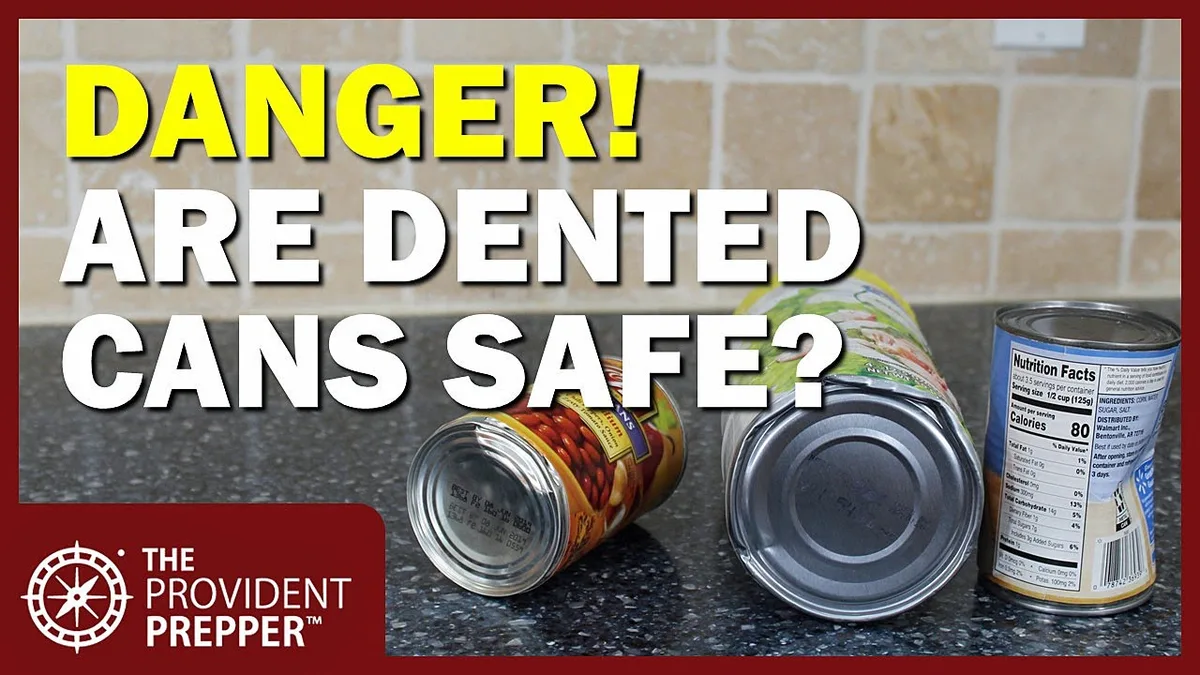
Image source: YouTube / The Provident Prepper (YouTube thumbnail (fair-use with source credit))
The FDA offers detailed guidance on pet food safety, including how to handle damaged containers. You can visit their pet food safety page for official recommendations.
Stocking and Rotating Your Wet Food Supply
Buying in bulk saves money but creates storage challenges. The key is FIFO (First In, First Out). Arrange your cans and pouches so the oldest expiry dates are in front and newest go behind.
This prevents cans from sitting past their prime.
Check the expiry dates when you buy. Don’t grab the first can on the shelf. Reach to the back for the furthest date.
At home, write the purchase month on each can with a marker if you want extra organization.
Keep your pantry cool and dry. Avoid places near the water heater, dishwasher, or direct sunlight. Temperature fluctuations can weaken the can’s internal seal over time.
If you notice rust, dents, or swelling on an unopened can, set it aside.
If you are feeding a specific breed or age group, it helps to track what you have. For example, if you have a senior large breed dog, you may want to keep a dedicated stock of age-appropriate food. You can find recommendations in our guide to food for large breed seniors.
Rotate your freezer stock too. When you freeze portions, write both the freeze date and the original expiry date. Use the oldest frozen portions first.
A simple rule is to freeze on the day you open the can and use within three months.
Frequently Asked Questions
Can I leave wet dog food out overnight?
No. Bacteria multiply rapidly at room temperature. After two hours, the food is unsafe.
After two hours, toss it. Never leave it out overnight and feed it in the morning.
How do I know if my wet dog food is spoiled?
Check for sour or rancid smell, visible mold, discoloration, or dry cracked texture. If your dog refuses to eat it, trust that instinct. When in doubt, throw it out.
Can I microwave wet dog food?
Yes, but carefully. Microwave in short bursts and stir thoroughly to eliminate hot spots. Let it cool to lukewarm before serving.
Never microwave in a metal can.
Is it safe to store wet dog food in the original can with a plastic lid?
Not ideal. The metal rim can rust, and the lid doesn’t seal tightly. Transfer to an airtight container for best results.
Can I mix wet and dry dog food for storage?
It is better to store them separately and mix at feeding time. Dry food can absorb moisture from wet food, leading to spoilage and bacterial growth in the dry kibble.
How long can I freeze wet dog food?
Up to three months for best quality. It stays safe longer, but texture and flavor decline. Always thaw in the fridge, not on the counter.
The Bottom Line: Simple Rules for Safe Wet Dog Food Storage
Storing wet dog food correctly is straightforward once you know the rules. Refrigerate within two hours. Use within three days.
Freeze for longer storage. Transfer to airtight containers. Toss anything you are unsure about.
Your dog depends on you for safe, fresh food. A few small habits can prevent a lot of trouble. If you are looking for the right food for your dog’s specific needs, check out our collection of dog food reviews to find options that fit their health and taste preferences.