Is It Ok If My Cat Eats Dog Food?
If you’re wondering “is it ok if my cat eats dog food,” the short answer is no. A single bite won’t send your cat to the emergency vet. But feeding them dog kibble regularly causes real harm.
Cats and dogs process nutrients completely differently.
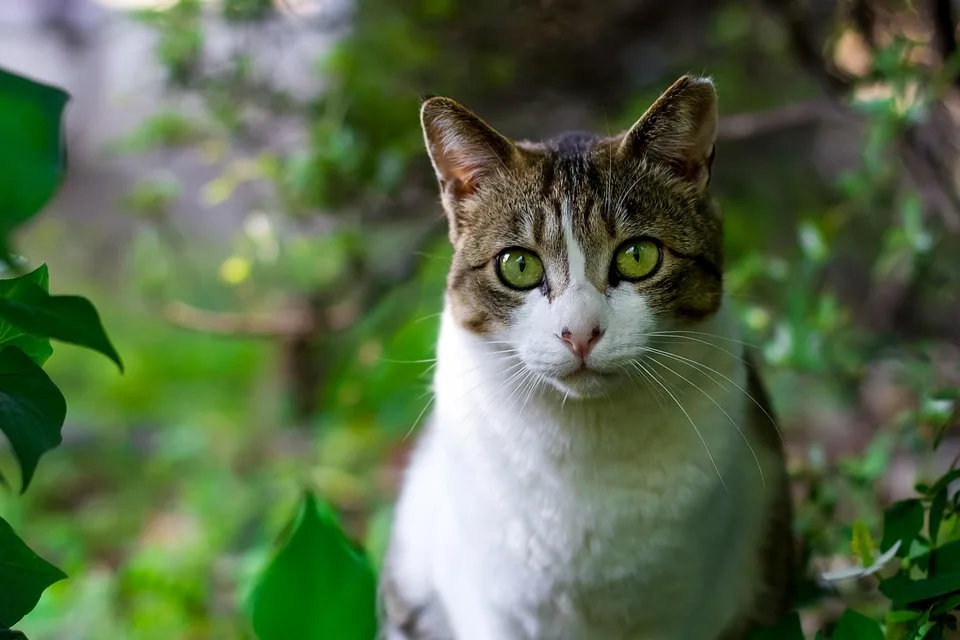
Image source: Web (Bing) / pixabay.com (Web image (fair-use with source credit))
Cats are obligate carnivores. They need specific animal proteins that dog food simply doesn’t provide. Per AAFCO nutrient profiles, adult cat food requires a minimum of 26% crude protein on a dry matter basis.
Adult dog food only requires 18%. That gap matters. Let’s look at exactly what happens when a cat eats from the wrong bowl.
Quick Answer
A nibble of dog food won’t hurt your cat. Regular meals will cause severe malnutrition. Dog food lacks taurine, which cats cannot make themselves.
Without it, cats develop heart disease and blindness. Always feed species-specific diets.
Why Dog Food Fails an Obligate Carnivore (The Nutritional Breakdown)
Dog food is formulated for omnivores. Cat food is built for strict meat eaters. That difference changes everything about the recipe.
Dogs synthesize certain nutrients internally. Cats must get them directly from animal tissue.
The biggest missing piece is taurine. Taurine is an essential amino acid that cats cannot produce on their own. Dogs make plenty of it in their livers.
Because dogs synthesize it, pet food manufacturers don’t add it to dog kibble. Cats eating dog food get zero supplemental taurine.
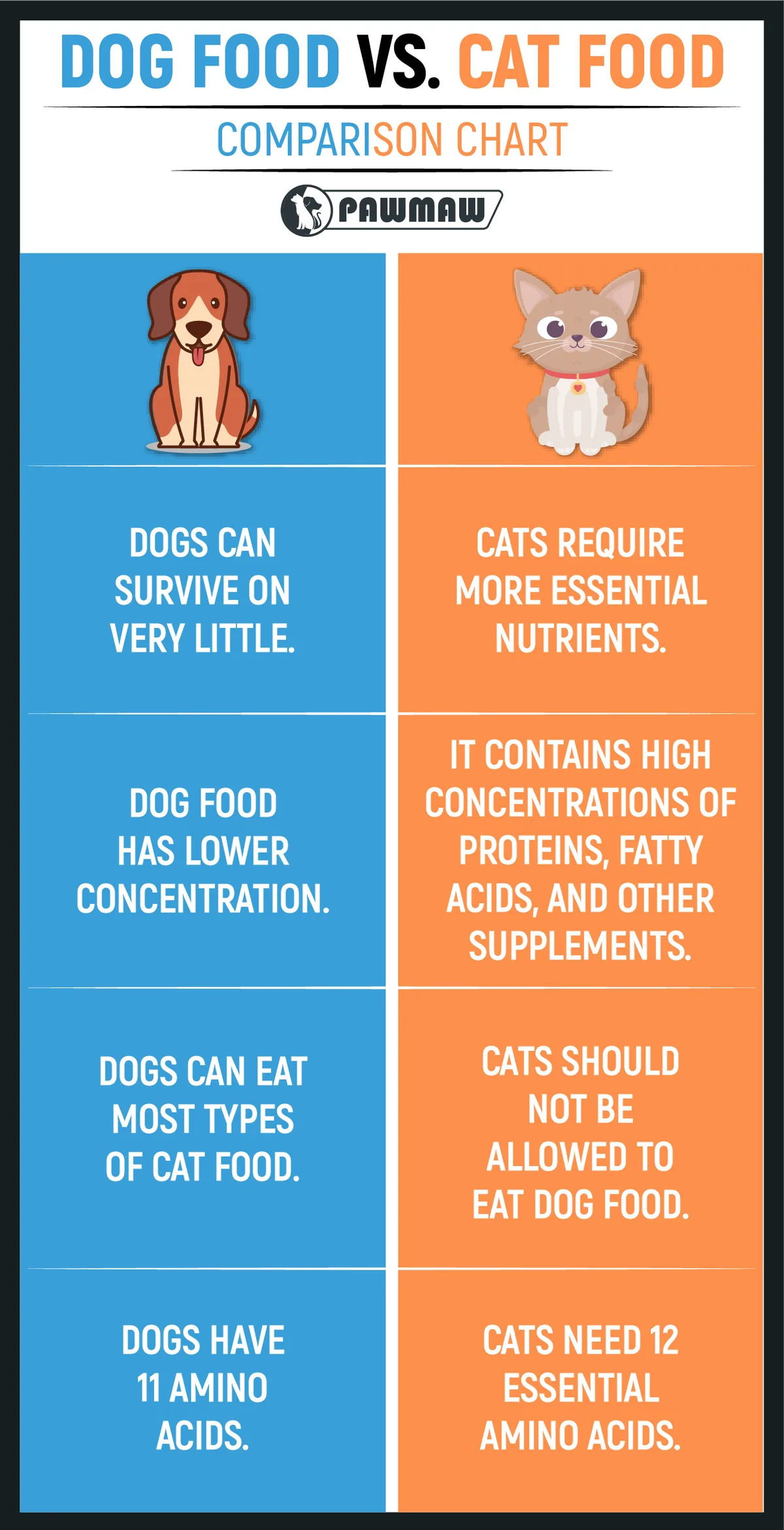
Image source: Bing (Web (fair-use with source credit))
Vitamin A is another major problem. Dogs convert plant-based beta-carotene into active vitamin A. Cats lack the enzyme to do this.
They require preformed retinol found only in animal fat. Dog food often relies on plant sources for vitamins. That leaves cats deficient even when eating full portions.
Arachidonic acid follows the same pattern. It’s a fatty acid cats need for skin, coat, and kidney function. Dogs manufacture it from other fats.
Cats must consume it directly from meat. Dog food formulations rarely include enough for feline biology.
Here is how the baseline nutritional requirements compare as of 2026.
| Nutrient | Adult Cat Minimum | Adult Dog Minimum |
|---|---|---|
| Crude Protein | 26% | 18% |
| Crude Fat | 9% | 5.5% |
| Taurine | Required (added) | Not required |
| Vitamin A | Preformed retinol | Beta-carotene allowed |
| Arachidonic Acid | Required | Synthesized internally |
Protein quality matters just as much as quantity. If you’ve ever looked into high-protein canine diets, you’ll notice they still rely heavily on plant proteins like peas or lentils. Cats digest animal protein far more efficiently than plant protein.
Plant-heavy dog kibble forces a cat’s digestive system to work overtime for very little reward.
Niacin, or vitamin B3, presents another hurdle. Dogs convert the amino acid tryptophan into niacin. Cats cannot perform this conversion.
They need direct dietary niacin from meat sources. Dog food meets canine needs but falls short for felines.
Feeding dog food to a cat means feeding them empty calories. They feel full. Their organs slowly starve.
Understanding these biological gaps explains why cross-feeding is never a safe long-term plan.
What Actually Happens When a Cat Lives on Dog Food
One stolen mouthful of dog kibble isn’t a crisis. Your cat might get mild stomach upset. You might see loose stool or a single episode of vomiting.
Their body can handle a tiny amount of foreign nutrition without failing.
Chronic feeding is where the damage starts. If a cat eats dog food exclusively for several weeks, deficiencies compound silently. You won’t see symptoms immediately.
The internal damage builds over months.
Taurine deficiency triggers dilated cardiomyopathy, known as DCM. This condition weakens the heart muscle until it can no longer pump blood effectively. The heart stretches out and thins.
Without intervention, DCM is fatal.
The eyes suffer next. Retinal degeneration from low taurine causes progressive blindness. It starts with poor night vision.
Eventually, the retina detaches entirely. Once vision is lost to taurine deficiency, it does not come back.
Reproductive issues hit breeding queens hard. Pregnant cats fed dog food face high rates of fetal abnormalities. Kittens may be born with neurological defects or fail to survive birth.
We know that feline illness linked to wrong diets usually stems from these exact nutritional gaps.
Gastrointestinal distress happens faster than organ damage. Dog food contains higher carbohydrate loads than cat food. Cats lack the amylase enzymes needed to break down heavy starches efficiently.
This leads to chronic gas, bloating, and diarrhea.
Obesity is a sneaky side effect. Because dog food has lower protein density, cats eat more volume to feel satisfied. They consume excess carbohydrates and gain fat rapidly.
Managing a cat’s weight requires knowing how portion sizes relate to actual mass across different formulas.
Hepatic lipidosis, or fatty liver disease, can follow. If a cat gets sick from dog food and stops eating altogether, their liver begins processing body fat too quickly. The liver fails.
This secondary condition kills faster than the original deficiency.
The timeline varies by age and health status. A healthy adult cat might take two to three months to show severe clinical signs. Kittens or senior cats deteriorate much faster.
Their smaller reserves run out in weeks.
Emergency Substitutes: What to Feed Your Cat When You’re Out of Cat Food
Running out of cat food at midnight happens to everyone. Don’t panic and reach for the dog bag. You have safer options sitting in your kitchen right now.
Plain cooked meat is your best emergency substitute. Boil a chicken breast without any seasoning. No salt, garlic, or onion powder.
Shred it finely and let it cool. This provides the animal protein your cat actually needs.
Canned tuna or salmon works in a pinch. Use fish packed in water, not oil. Drain it thoroughly before serving.
Keep portions small because human canned fish contains high sodium levels. It’s a temporary fix, not a new diet.
Scrambled eggs offer excellent bioavailable protein. Cook them plain without butter or milk. Most cats tolerate small amounts of egg well.
Avoid raw eggs due to salmonella risks and avidin interference with biotin absorption.
Never use dog food as a planned backup. Even if you are calculating daily meal volumes for larger pets, remember that feline biology demands entirely different ratios. Dog food is the wrong tool for the job.
If you need to transition back to regular cat food after an emergency meal, do it gradually. Mix increasing amounts of cat food with the emergency substitute over two days. Sudden switches cause digestive upset.
Commercial freeze-dried meat treats also work temporarily. These are usually single-ingredient animal proteins. Check the label to ensure no plant fillers snuck in.
Rehydrate them with warm water for easier digestion.
Avoid dairy products despite the stereotype. Most adult cats are lactose intolerant. Milk causes severe cramping and diarrhea.
Cheese offers fat without the necessary amino acids.
What about dog food ingredients that trigger allergies? Some owners dealing with poultry sensitivities in their pets assume all meat is interchangeable. It isn’t.
Stick to proteins you know your specific cat tolerates well.
Keep a small stash of emergency cat food pouches in your pantry. Single-serve wet food packets last months unopened. They eliminate the temptation to raid the dog’s supply during late-night emergencies.
How to Stop Your Cat from Raiding the Dog’s Bowl
Prevention beats treatment every time. Cats steal dog food because it smells interesting and sits within reach. Changing the physical environment solves most of the problem.
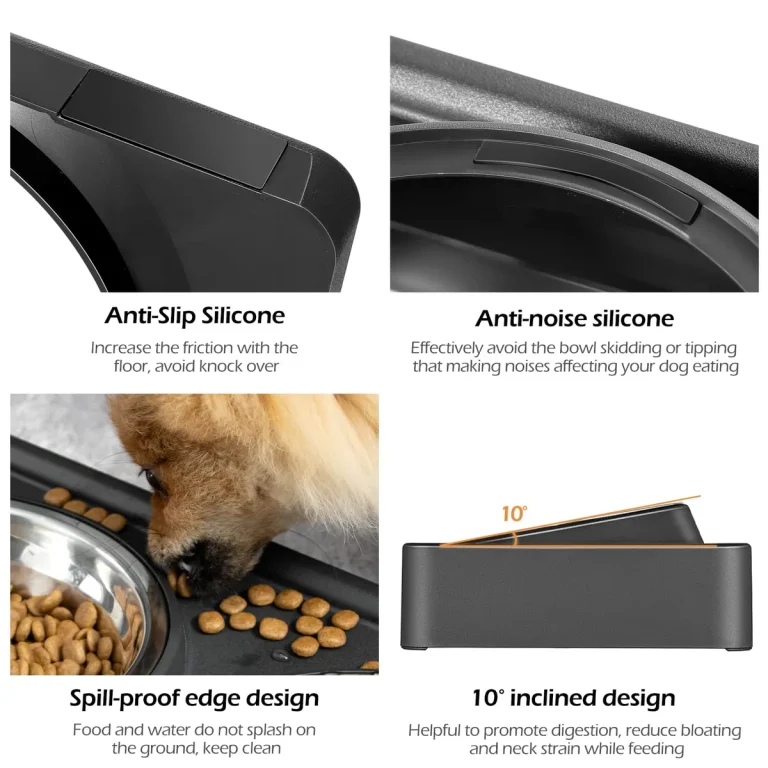
Elevate the dog’s bowl if your dog is large enough to reach it comfortably. Cats jump easily, but dogs can’t eat off countertops. Place the dog food on a sturdy table or raised platform.
Just make sure you select sturdy dishware that won’t tip over when placed on elevated surfaces.
Separate rooms work perfectly for smaller dogs. Feed the dog in the kitchen and the cat in the laundry room. Close the door during mealtimes.
Pick up both bowls after fifteen minutes.
Microchip-activated feeders are the ultimate solution for multi-pet homes. These devices read your pet’s implanted microchip or collar tag. The lid only opens for the designated animal.
Your cat physically cannot access the dog’s portion.
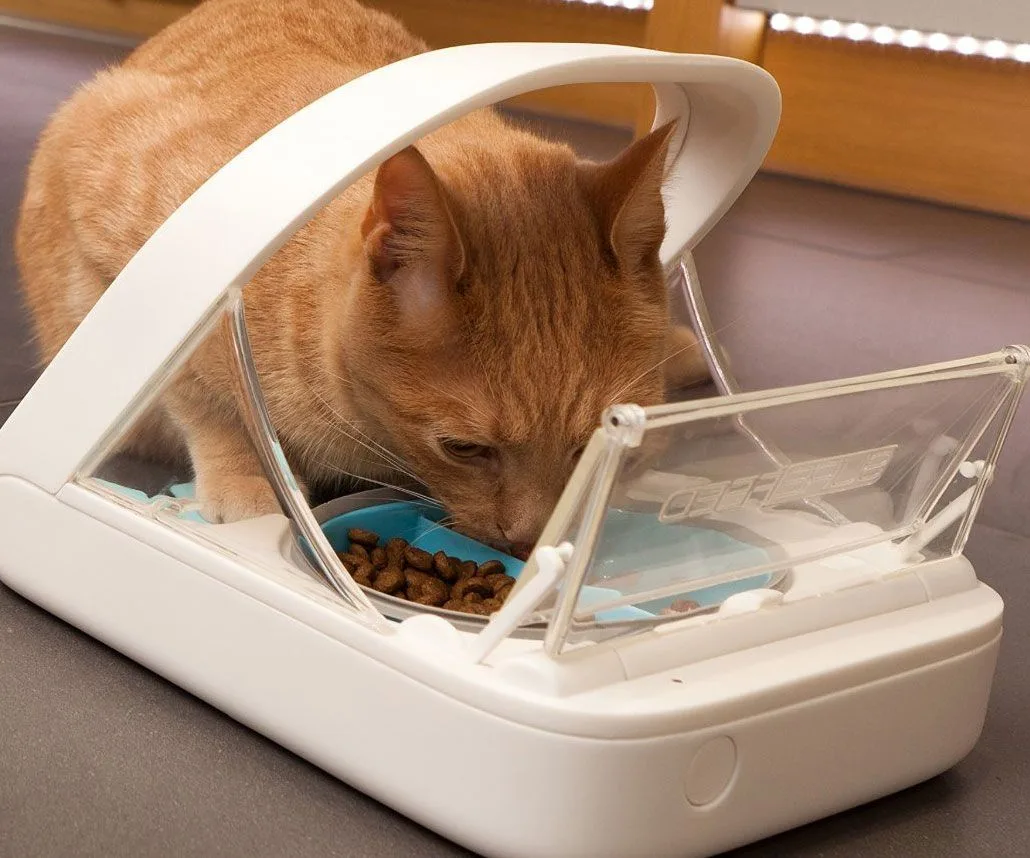
Image source: Bing (Web (fair-use with source credit))
Scheduled feeding eliminates free-grazing opportunities. Leaving dog kibble out all day invites feline theft. Feed both animals at specific times.
Remove uneaten food promptly. This also helps you monitor exactly how much each pet consumes daily.
Supervision is the simplest method. Stand nearby while the dog eats. Redirect the cat with a toy or treat in another room.
Consistency trains the cat to stop trying over time.
Physical barriers help too. Baby gates with small cat doors allow dogs through while blocking larger breeds, but wait. That setup keeps big dogs out, not cats.
Instead, use a covered feeding station for the dog. A crate with the door partially open lets the dog enter but blocks the cat’s line of sight and interest.
If your dog transitions between life stages, their feeding habits change. Knowing when to adjust their diet phase helps you establish consistent routines early. Predictable routines make separation easier.
Clean up spilled kibble immediately. Cats scavenge dropped pieces from under tables. Sweep the feeding area after every meal.
Don’t leave stray bites hidden behind furniture legs.
Training the cat away from the bowl takes patience. Use positive reinforcement when they ignore the dog’s food. Reward them with appropriate cat treats in their own space.
Punishment creates anxiety without solving the nutritional risk.
Frequently Asked Questions
Will one bite of dog food hurt my cat?
A single bite of dog kibble will not harm a healthy adult cat. Their digestive system can process a tiny amount without failing. You might see mild stomach rumbling or loose stool.
Just prevent them from eating the rest of the bowl.
Can cats eat wet dog food occasionally?
Wet dog food lacks the taurine and arachidonic acid cats require daily. An accidental lick from a canned dog meal is fine. Feeding it as a regular substitute causes nutritional gaps quickly.
Stick to plain cooked meat if you run out of feline formula.
What happens if my dog eats cat food instead?
The reverse scenario carries its own risks. Cat food contains much higher fat and protein levels than dogs need. Eating it regularly often triggers canine pancreatitis or rapid weight gain.
We’ve covered exactly what happens when roles reverse in detail.
How fast does taurine deficiency develop in cats?
Clinical signs of taurine deficiency usually appear after several weeks on an inadequate diet. Retinal changes and heart muscle weakness build silently at first. By the time you notice blindness or lethargy, the damage is advanced.
This is why AAFCO mandates taurine supplementation in all commercial cat foods.
Is puppy food safer for cats than adult dog food?
Puppy food contains slightly more protein and fat than adult dog formulas. It still falls short of feline nutritional requirements. The amino acid profile remains designed for growing omnivores, not obligate carnivores.
Never use growth-stage canine diets as a feline substitute.