Can You Microwave Dog Food? Step by Step
If you’ve ever wondered if can you microwave dog food to take the chill off, you’re not alone. Lots of owners try it when their dog turns up their nose at a cold bowl. But heating pet meals this way carries real risks most people don’t think about.
Image source: Bing (Web (fair-use with source credit))
Our research shows that uneven heating creates hidden hot spots capable of burning your dog’s mouth. Warming food past 140°F also destroys essential nutrients like taurine and B vitamins. The FDA guidelines on microwave safety warn against heating high-fat foods in unapproved plastics due to chemical migration.
As of 2026, veterinary nutritionists still recommend safer warming methods. Let’s look at exactly why.
Quick Answer
You should avoid microwaving dog food. Microwaves heat fats unevenly. This creates dangerous hot spots.
It also destroys vital nutrients. Use warm water instead.
Why Microwaves Damage Nutrients and Create Burn Risks in Pet Food
Microwaves cook by exciting water molecules through dielectric heating. That process works fine for human leftovers. But wet dog food is packed with dense animal fats and proteins.
Fats absorb microwave energy differently than water. They heat much faster and far less evenly.
This creates superheated fat pockets hidden inside a lukewarm meal. Your dog takes a bite and burns their tongue or esophagus. Oral thermal injuries are incredibly painful.
They often stop dogs from eating entirely for days.
Nutrient loss is the other major problem. High heat degrades amino acids like taurine and lysine quickly. These building blocks are critical for canine heart health.
Vitamins A, E, and the entire B-complex group also break down under intense microwave radiation.
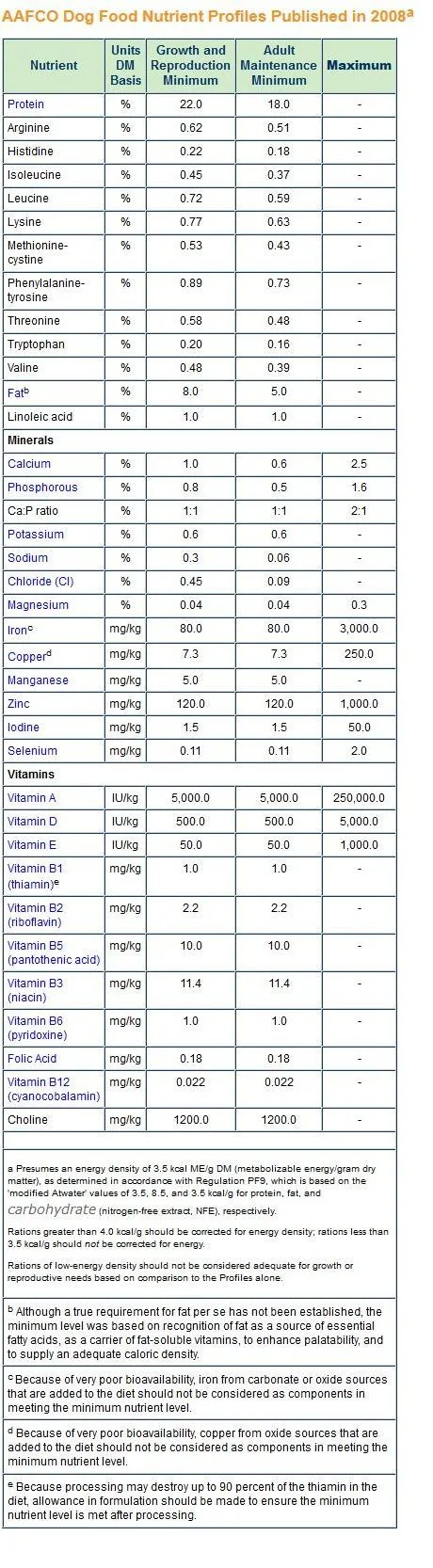
Manufacturers formulate commercial diets to meet strict AAFCO nutrient profiles. Zapping those carefully balanced meals in a microwave defeats the purpose. You end up feeding an incomplete diet without realizing it.
If your dog has specific dietary needs, choosing meals with higher protein density helps offset some daily nutritional wear.
Uneven heating also leaves cold zones where bacteria survive. Pathogens like Salmonella thrive in lukewarm meat environments. Warming raw or fresh-cooked diets this way is especially risky.
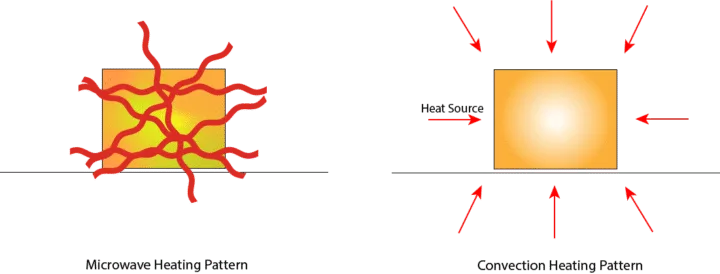
Image source: Bing (Web (fair-use with source credit))
Packaging adds another layer of danger. Many plastic trays contain phthalates or older BPA linings. Heating these plastics causes chemicals to leach directly into fatty foods.
Always transfer food to glass or ceramic before applying any heat. Never put metal cans or foil pouches inside the appliance. That causes sparking and fire hazards immediately.
When Warming Your Dog’s Food Actually Makes Sense
Cold food straight from the fridge lacks aroma. Dogs rely heavily on their sense of smell to trigger appetite. If a meal doesn’t smell like anything, many dogs simply walk away.
Gently warming food releases volatile aroma compounds that fix this problem fast.
Senior dogs benefit the most from slightly warmed meals. Older pets frequently suffer from duller senses and dental disease. Hard kibble hurts aging teeth.
Cold wet food seems unappealing to them. Warming their dinner makes chewing easier and eating more enjoyable. Proper feeding dishes designed for older pets also reduce neck strain during meals.
Sick or recovering dogs often refuse food entirely. Taking the refrigerator chill off a meal can coax them into eating. This matters because prolonged fasting leads to serious health declines.
Knowing how long a sick pet can safely go without eating helps you decide when to call your vet.
Winter weather drives another common use case. Freezing temperatures make room temperature feel chilly to indoor dogs. Serving ice-cold fresh food in January isn’t ideal.
Taking the edge off helps maintain their core body temperature.
Picky eaters are the final big reason owners reach for the microwave. Some dogs just prefer warm meals over cold ones. Warming food slightly mimics the temperature of fresh prey.
That hits a primal instinct for many animals.
Just remember that warming means reaching body temperature. You aren’t cooking the food again. The target range is 98°F to 102°F.
Anything above 104°F risks burning sensitive oral tissue. If your dog eats a specialized recipe, like formulas avoiding common poultry triggers, gentle warming preserves those delicate ingredients better than high heat.
How to Safely Warm Wet, Fresh, or Dry Dog Food Without a Microwave
The safest approach uses no radiation at all. A warm water bath gives you total control over the final temperature. It eliminates hot spots completely.
It also protects fragile nutrients from thermal degradation.
Here is the exact method veterinary nutritionists recommend for wet or fresh food.
- Scoop the cold food into a glass or ceramic bowl.
- Place that bowl inside a larger container.
- Fill the outer container with warm tap water.
- Let it sit for three to five minutes.
- Stir the food gently and test the temperature.
Use the inside of your wrist to check the heat. It should feel barely warm to your skin. That matches a dog’s natural body temperature perfectly.
Never use boiling water for this setup. Extreme ambient heat still damages vitamins over time.
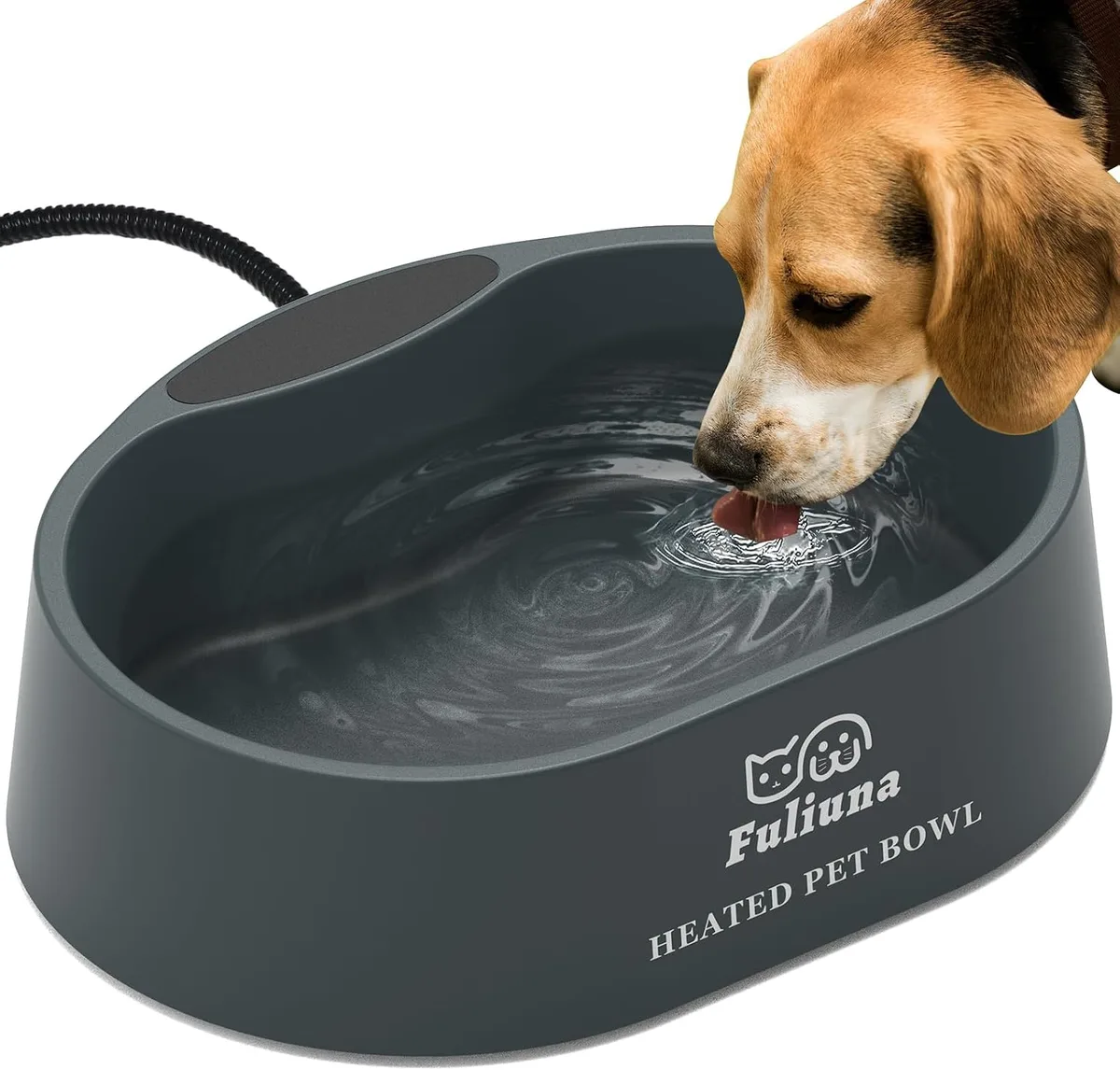
Image source: Bing (Web (fair-use with source credit))
Dry kibble requires a different technique. You can’t soak it without turning it into mush. Instead, add a small splash of warm water or low-sodium bone broth directly to the bowl.
Stir it thoroughly and wait two minutes.
This softens the exterior while keeping the center intact. It works brilliantly for older dogs missing teeth. Learning the right way to soften hard kibble prevents choking hazards in senior pets.
| Warming Method | Best For | Safety Level | Time Required |
|---|---|---|---|
| Warm water bath | Wet, fresh, raw | Highest | 3 to 5 minutes |
| Adding warm broth | Dry kibble | Very High | 2 minutes |
| Countertop resting | Any food type | High | 20 to 30 minutes |
| Stovetop double boiler | Large wet batches | Medium | 5 to 8 minutes |
| Microwave | None recommended | Low | 10 to 15 seconds |
Leaving refrigerated food on the counter works too. It takes about twenty to thirty minutes to lose its chill. Plan ahead and pull the meal out before your dog’s usual feeding time.
This passive method guarantees zero nutrient loss.
Stovetop warming is an option for large batches. Use a double boiler setup to keep direct flame away from the food. Stir constantly to prevent localized scorching.
Remove it from the heat well before it starts steaming.
Adding liquid enhancers serves dual purposes. It warms the food and boosts hydration simultaneously. Just ensure any added liquids are plain and unseasoned.
Spices meant for humans easily upset canine stomachs. Understanding which kitchen spices are safe for pets keeps accidental toxicity off the table.
If You Still Use the Microwave: The Safe Step-by-Step Process
We strongly advise against microwaving pet meals. But we know convenience wins sometimes. If you absolutely must use one, follow these strict rules to minimize harm.
Skipping steps here directly increases burn risks.
First, never microwave food in its original packaging. Metal cans cause arcing. Plastic trays leach chemicals when heated.
Foil pouches will spark instantly. Transfer everything to a verified microwave-safe glass or ceramic dish.
Second, only heat very small portions at a time. Think two tablespoons maximum per cycle. Large volumes guarantee massive temperature differences between the edges and the center.
Small amounts heat slightly more uniformly.
Third, use the lowest power setting available. Most machines default to 1000 watts or more. Drop that to 30 percent power if your model allows it.
Lower wattage slows the dielectric heating process down significantly.
Fourth, heat in extremely short bursts. Five seconds is plenty for a small scoop. Ten seconds is the absolute maximum limit.
Never press start and walk away. Stand there and watch the plate spin.
Fifth, stir aggressively after every single burst. Push the outside edges into the middle. Break up any clumps of fat or meat.
This manually distributes the trapped thermal energy around the bowl.
Finally, test the temperature before serving. Press the back of your clean wrist against the food. It should feel neutral or barely warm.
If it feels hot to you, it will burn your dog. Let it cool completely and stir again before offering it.
Never reheat a bowl your dog already licked. Saliva introduces bacteria rapidly. Warmed leftovers become a breeding ground within minutes.
Throw away uneaten portions promptly after the meal ends. Calculating exact portion sizes based on weight prevents leftover waste entirely.
Common Mistakes That Turn Warmed Dog Food Into a Health Hazard
Heating pet meals seems simple until you factor in canine biology. Dogs eat fast and rarely check temperatures first. One careless mistake during prep turns dinner into a vet visit.
Our research highlights several recurring errors owners make daily.
The biggest issue is trusting the surface temperature alone. Microwaves create thermal layers that fool your fingers. The top feels lukewarm while the bottom layer hides scalding fat pockets.
Always stir from the very bottom of the bowl upward.
Leaving food in the original plastic tray is another major problem. Many commercial containers lack FDA approval for reheating. High animal fat content pulls phthalates out of cheap plastics rapidly.
Those chemicals disrupt endocrine function over time. Transfer everything to glass or ceramic before applying any heat.
Overheating destroys the nutritional balance manufacturers worked hard to achieve. WSAVA guidelines emphasize preserving essential nutrients during meal prep. Pushing wet food past 140°F breaks down taurine quickly.
That specific amino acid keeps canine heart muscles functioning properly.
Feeding warmed meals too late invites bacterial growth. Salmonella multiplies aggressively in meat sitting between 40°F and 140°F. If your dog walks away from a warm bowl, toss it after twenty minutes.
Don’t put it back in the fridge for later. Reheating previously warmed food compounds every risk we just covered.
Mixing hot food with certain supplements also ruins them. Probiotics and digestive enzymes die instantly above 115°F. If you use beneficial meal additions for gut health, wait until the base meal cools completely.
Stir those sensitive powders in last.
Finally, never guess your portions when heating small amounts. Trying to warm a massive pile guarantees uneven results. Measuring exact servings ensures safer heating and prevents waste.
Knowing how volume translates to weight helps you scoop consistently every single time.
Frequently Asked Questions
Can you microwave raw dog food safely?
You should never microwave raw diets like BARF or frozen patties. Radiation destroys the beneficial bacteria and natural enzymes these diets rely on. It also cooks the outer layers while leaving the center frozen solid.
Thaw raw meals slowly in the refrigerator overnight instead.
Does warming kibble ruin its nutrients?
Adding warm water or broth to dry kibble does not destroy nutrients. The liquid only reaches about 100°F, which stays well below the degradation threshold. Avoid boiling water because extreme heat damages added vitamins.
Let the warm liquid soak for two minutes before serving.
What temperature should dog food be served at?
Aim for 98°F to 102°F when warming any pet meal. This matches a healthy canine body temperature perfectly. Anything exceeding 104°F risks burning their mouth or esophagus.
Test the food against your inner wrist before setting the bowl down.
Is it bad if my dog eats cold food straight from the fridge?
Cold food is entirely safe for healthy dogs to eat. The only drawback is reduced aroma, which might lower their interest. Picky eaters or senior dogs usually prefer it slightly warmed up.
Young, active dogs rarely care about the temperature at all.
Can microwaving dog food cause cancer?
Microwaves themselves do not make food carcinogenic. The real danger comes from heating food inside unapproved plastic containers. Chemicals like BPA and phthalates leach into fatty meats under high heat.
These compounds act as endocrine disruptors when consumed repeatedly over months or years.