Can Dogs Eat Food With Cinnamon?
Can dogs eat food with cinnamon? Usually, a small amount of plain cinnamon powder baked into a dog-safe treat won’t hurt most dogs. The trouble starts with how much, what form it’s in, and what else is sitting in the food.
Cinnamon sticks, essential oils, and supplements are a completely different story.
Here’s the number that changes everything: coumarin. Cassia cinnamon, the cheap kind in most spice aisles, can hold up to roughly 5,000 mg of coumarin per kilogram. The European Food Safety Authority sets a tolerable daily intake of 0.1 mg per kg of body weight for humans, and no safe dose has been established for dogs as of 2026.
So before you share that cinnamon roll, let’s break down what’s actually going on.
Quick Answer
Yes, small amounts of plain cinnamon powder are generally safe for dogs. Ceylon cinnamon is safer than cassia. Sticks, oils, and supplements are dangerous.
Xylitol, raisins, and chocolate in baked goods cause worse harm. Call your vet if your dog ate those.

Image source: Bing (Web (fair-use with source credit))
Why a Tiny Sprinkle of Cinnamon Can Be a Big Deal for Dogs
Most owners asking this question have the same scene in their head. The dog just licked the cinnamon roll, or knocked the spice jar off the counter, and now you’re reading fast with one eye on the dog.
Here’s the short version. Ground cinnamon on its own isn’t toxic to dogs in tiny amounts. The problems come from dose, form, and everything else on the plate.
Why cinnamon isn’t just a harmless spice
Cinnamon carries two compounds that matter for dogs. Coumarin affects the liver. Cinnamaldehyde irritates the mouth, stomach, and skin.
Both show up in every cinnamon product, just at wildly different levels.
A dusting on a sweet potato treat is nothing. A spoonful of powder, a chewed cinnamon stick, or a lick of concentrated oil is a different event entirely.
When the real danger is what’s hiding in the food
This is where most real poisonings happen. Cinnamon gum often contains xylitol, a sweetener the FDA warns is toxic to dogs. Cinnamon rolls bring butter, sugar, and sometimes raisins, which can trigger pancreatitis or kidney damage.
So the cinnamon itself is rarely the whole story. Check the label first, then judge the spice. If your dog raids the kitchen regularly, it’s worth knowing which table scraps are safe before the next slip-up.
Cinnamon Forms and Chemistry: Ceylon vs Cassia, Coumarin, Cinnamaldehyde, and Essential Oils
Cinnamon is not one thing. Ceylon cinnamon (Cinnamomum verum) and cassia cinnamon (Cinnamomum cassia) look almost identical in a jar, but they behave very differently inside a dog’s body. Most supermarket cinnamon is cassia.
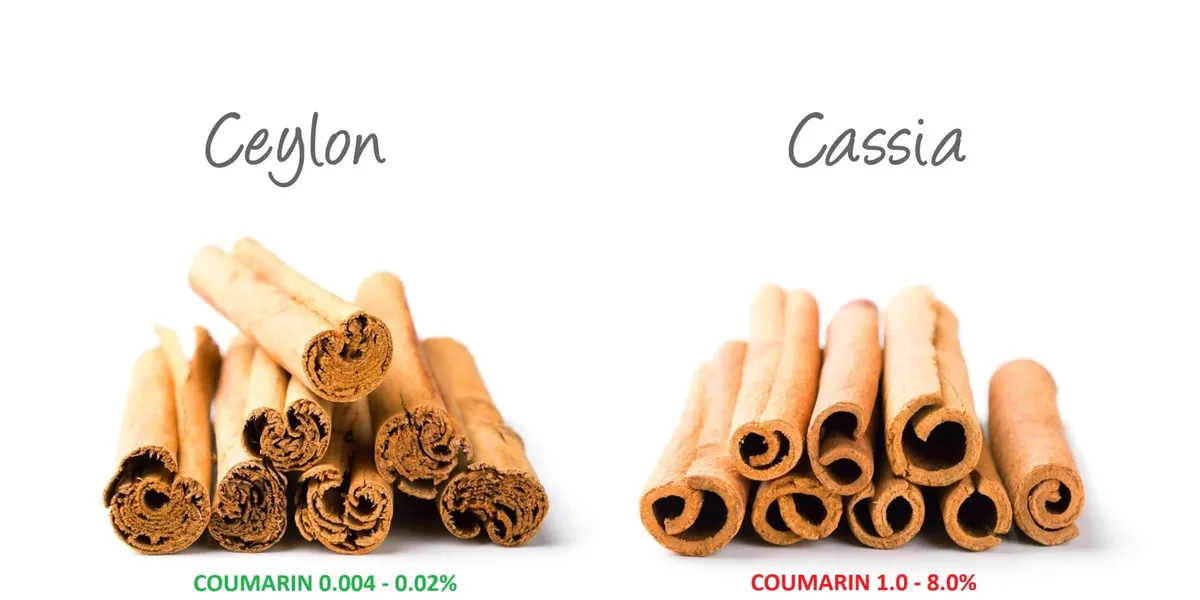
Image source: Web (Bing) / detroitchinatown.org (Web image (fair-use with source credit))
| Factor | Ceylon cinnamon | Cassia cinnamon |
|---|---|---|
| Coumarin level | Roughly 0.004 to 0.02 g/kg | Up to 5,000 mg/kg |
| Where you find it | Specialty shops, some health stores | Budget spice aisles, most baked goods |
| Relative dog risk | Lower | Higher |
Coumarin, cinnamaldehyde, and liver risk in dogs
Coumarin is the compound veterinary toxicologists worry about most. Dogs metabolize it poorly, and high doses can damage the liver. Liver injury often appears 24 to 72 hours after ingestion, not right away.
Cinnamaldehyde gives cinnamon its smell and bite. It irritates the mouth, esophagus, and stomach lining. It’s also the main component of cinnamon essential oil.
Cinnamon powder, sticks, extracts, supplements, and essential oils
Form changes everything. Powder is diluted by nature. Sticks are hard and splintery, and they can lodge in the throat or gut.
Extracts often carry alcohol.
Essential oils sit at the extreme end. Cassia bark oil can run 80 to 90 percent cinnamaldehyde. A few drops is a serious dose for a small dog.
How cooking and concentration change the risk
Baking spreads cinnamon through a larger food matrix, which lowers the dose per bite. Concentration does the opposite. A supplement capsule or a drop of oil delivers more active compound than a whole tray of cookies.
Risk Factors That Change the Answer: Dog Size, Health, Amount, and Other Ingredients
Every dog reacts differently, and four factors decide how worried you should be.
Body weight, breed size, puppies, and senior dogs
Dose scales with body weight. One teaspoon of ground cinnamon weighs about 2.6 grams. For a 70-pound Labrador, that’s a rounding error.
For a 5-pound Chihuahua, it’s a much heavier load.
Puppies and senior dogs clear compounds more slowly. Their livers are either still developing or already worn down.
Dogs with liver disease, diabetes, bleeding disorders, or medications
If your dog already has liver problems, even a small amount of cassia matters. Cinnamon may nudge blood sugar, which complicates insulin dosing. Some compounds can affect clotting.
Ask your vet before adding any spice to the bowl of a dog with a touchy gut or a dog on daily medication. Owners managing kidney disease should be just as careful.
How much cinnamon is too much?
There’s no established safe dose of cinnamon for dogs. That’s the honest answer. Poison control centers assess each case individually.
Hidden toxins and pancreatitis risk
Read the label. Xylitol, raisins, chocolate, macadamia nuts, nutmeg, and alcohol all cause worse harm than the cinnamon itself. Fatty, sugary baked goods can trigger pancreatitis, which is painful and sometimes fatal.
What to Do If Your Dog Ate Cinnamon: Identify, Call, Monitor, Treat
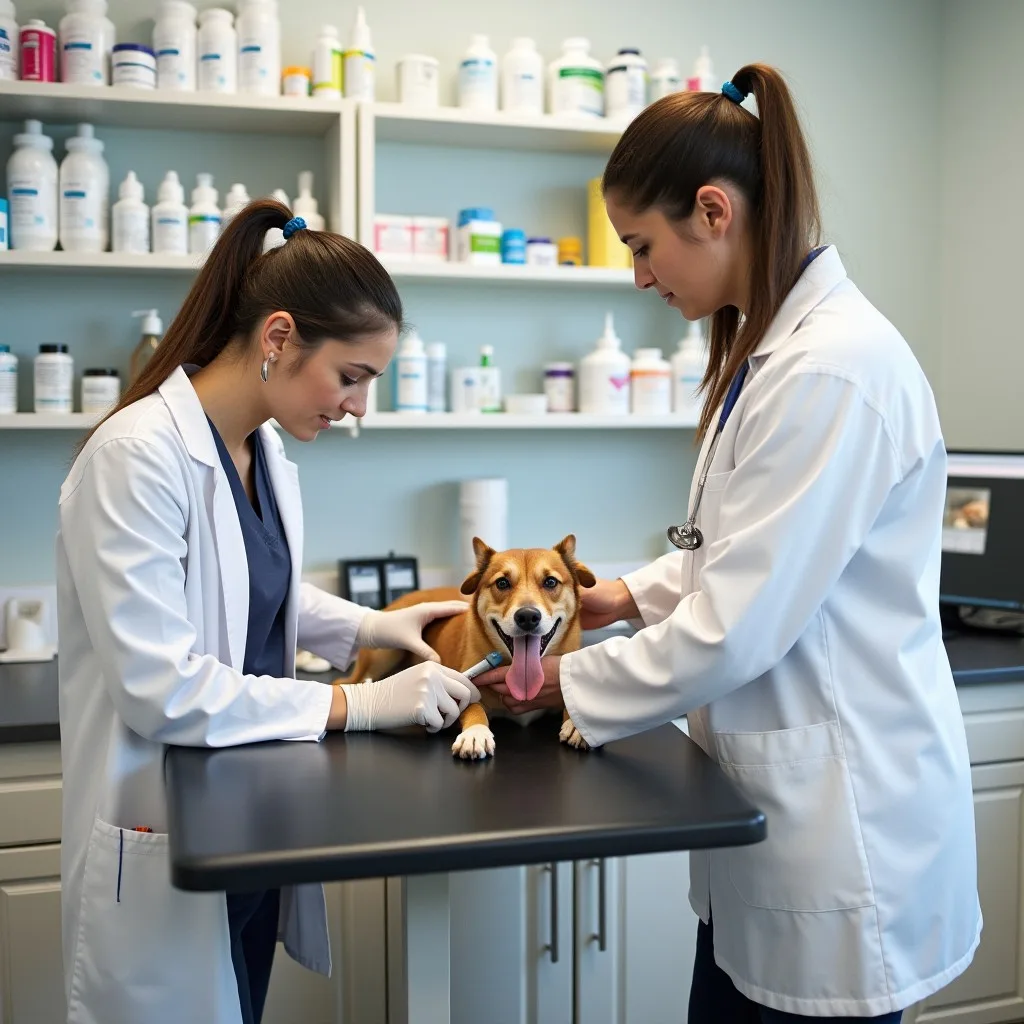
Image source: Web (Bing) / stablediffusionweb.com (Web image (fair-use with source credit))
Step 1: Identify the product and the amount
Figure out what went in the mouth. Powder, stick, oil, extract, supplement, or baked good. Estimate how much is missing.
Step 2: Check the ingredient label
Look for xylitol, raisins, chocolate, nuts, nutmeg, and alcohol. Those ingredients decide the urgency more than the cinnamon does.
Step 3: Call for guidance
Call the ASPCA Animal Poison Control Center, Pet Poison Helpline, or your own vet. The ASPCA poison control team handles these calls around the clock.
Step 4: Watch for symptoms
Symptoms usually start 30 minutes to 2 hours after eating. Watch for vomiting, diarrhea, drooling, lethargy, tremors, or seizures.
Step 5: What the vet may do
Expect bloodwork, including liver enzymes, glucose, and clotting times. Treatment is supportive: fluids, anti-nausea medication, liver protectants, and monitoring. This is also the moment to think about easing an upset stomach if your vet recommends a short break from meals.
What not to do
Don’t induce vomiting unless a vet tells you to. Don’t reach for activated charcoal on your own. Don’t wait for symptoms if your dog ate oil or a large amount of cassia.
Safe Cinnamon Use in Dog Treats and Everyday Prevention
Can you use cinnamon in homemade dog treats?
Yes, in small amounts of plain powder. A pinch stirred into a batch of treats is fine for most healthy dogs. Skip it entirely for puppies, seniors, and dogs with liver conditions.
Ceylon vs cassia for dog-safe baking
Use Ceylon when you can. Its coumarin level is a fraction of cassia’s, which lowers the long-term liver risk. If cassia is all you have, keep the amount tiny and occasional.
Safe spice alternatives
Ginger, turmeric, and parsley are gentler options for flavoring treats. Pumpkin puree and plain peanut butter add appeal without any spice risk. If you’re feeding a picky eater, flavor isn’t usually the real problem anyway.
Storage and prevention
Store spices, oils, gum, and candles out of reach. Skip essential oil diffusers in rooms where your dog spends time. Cinnamon brooms and pinecones are best kept outdoors.
Read labels before sharing
Check every label before sharing human food. When in doubt, don’t share. Building good habits early pays off, especially when you’re raising a young puppy who puts everything in their mouth.
Cinnamon vs Other Spices and Human Foods: Safer Alternatives and Hidden Toxins
Not all “warm spices” are equal, and not all human cinnamon foods are risky in the same way. Here’s how the common ones stack up.
| Item | Risk to dogs | Why |
|---|---|---|
| Plain Ceylon powder | Low in tiny amounts | Low coumarin |
| Cassia powder | Moderate | Higher coumarin |
| Cinnamon stick | High | Choking and obstruction |
| Essential oil | Very high | Concentrated cinnamaldehyde |
| Cinnamon gum | Very high | Often contains xylitol |
| Cinnamon roll | High | Fat, sugar, raisins |
| Applesauce pouch | Variable | Past lead recalls |
Cinnamon vs pumpkin spice, nutmeg, cloves, and allspice
Pumpkin spice is a blend, and that’s the problem. Nutmeg in large amounts can cause tremors and seizures in dogs. Cloves and allspice carry strong oils that irritate the gut.
So a pumpkin spice latte splash is worse than plain cinnamon.
Cinnamon vs ginger and turmeric
Ginger and turmeric are gentler choices for flavoring treats. Both are used in small amounts in many dog supplements. They’re not risk-free, but they don’t carry the coumarin concern.
Cinnamon gum, candy, toothpaste, and mouthwash
Skip all of these. Gum and candy frequently contain xylitol, which the FDA flags as toxic to dogs. Toothpaste and mouthwash add alcohol and fluoride.
A chewed pack of gum is an emergency, not a wait-and-see.
Cinnamon applesauce, oatmeal, cereal, and holiday desserts
Applesauce pouches drew FDA attention after lead contamination recalls. Oatmeal and cereal usually bring sugar and sometimes raisins. Churros and cinnamon toast add fried fat, which raises pancreatitis risk.
Natural remedies vs evidence-based care
Cinnamon supplements for dog diabetes or arthritis aren’t backed by veterinary evidence. If your dog has a real condition, the right diet for their needs plus vet-prescribed treatment beats any spice cabinet remedy.
Frequently Asked Questions
Can dogs eat food with cinnamon?
Yes, if it’s a small amount of plain cinnamon powder in a dog-safe food. Ceylon is the safer choice. Avoid sticks, oils, supplements, gum, and anything with xylitol or raisins.
What happens if a dog eats a cinnamon stick?
A cinnamon stick can splinter and lodge in the throat or intestines. Watch for gagging, drooling, or vomiting. Call your vet right away, even if your dog seems fine.
Is cinnamon essential oil toxic to dogs?
Yes, it can be. Cassia bark oil can run 80 to 90 percent cinnamaldehyde. Even a few drops can irritate the mouth and gut, and diffusers can bother a dog’s airways.
Can dogs have cinnamon for diabetes or bad breath?
No. There’s no established safe dose for dogs, and no veterinary evidence supports those uses. Treat diabetes with vet-prescribed insulin and diet, not spices.
Is cinnamon safe for dogs in small amounts?
For most healthy adult dogs, a pinch of plain powder is fine. Puppies, seniors, and dogs with liver disease should skip it entirely.
When should I call the vet?
Call if your dog ate a stick, oil, supplement, or gum. Also call for vomiting, diarrhea, lethargy, tremors, or seizures. When in doubt, call.
The Bottom Line: When to Share, When to Skip, and When to Call the Vet
Cinnamon isn’t poison on its own. The dose, the form, and the food around it decide the outcome. Keep those three things straight and you’ll know what to do.
A simple decision guide
- If it’s a pinch of Ceylon powder in a dog-safe treat, it’s fine.
- If it’s cassia powder in a large amount, keep it small and rare.
- If it’s a stick, oil, extract, or supplement, call your vet.
- If it contains xylitol, raisins, chocolate, or macadamia nuts, treat it as an emergency.
What to remember
Check the label before you share. Store spices and oils out of reach. Skip diffusers in rooms your dog uses.
When something goes wrong, call poison control or your vet rather than guessing.
Most cinnamon scares end with an upset stomach and a lesson learned. A few end in the emergency room. The difference usually comes down to one quick decision: read the label, or don’t.