Dogs & Human Food: What’s Safe?
Ever find yourself staring at your dog, that adorable face begging for a bite of your dinner, and wonder if slipping them a little something is actually okay? It’s such a common question, and honestly, it’s not as simple as a quick “yes” or “no.” As someone who’s spent a lot of time looking into this stuff, both from a practical, everyday perspective and from a science-backed angle, it’s clear that while some human foods are totally fine for our canine pals, others can be downright dangerous.
Let’s break this down so you can feel confident about what you’re putting in their bowl (or not putting in!). As of 2026, veterinary guidelines still emphasize safety first, making it crucial to understand the risks.
Quick Answer: It Depends. Some Human Foods Are OK, Many Are Dangerous.
Yes, some human foods are safe for dogs in small amounts. However, many common foods are toxic and can cause serious harm. Always prioritize your dog’s specific health needs and consult a veterinarian for personalized advice.
Core Explanation: Understanding Canine Digestion and Toxicity
Dogs digest food differently than humans do. Their gastrointestinal systems are optimized for a diet that, historically, would have been primarily meat-based, with some scavenged plant matter. This is why certain nutrients that are beneficial for us can be problematic for them, and vice-versa.
The biggest concern isn’t usually nutritional completeness, but rather specific ingredients that trigger toxic reactions or physical harm. Understanding these differences is key, rather than just assuming what’s safe for you is also safe for your canine companion.
The “Golden Rule”: Think About Your Dog First
Before we even get to the food itself, it’s super important to remember that every dog is an individual. What’s a harmless treat for one might cause tummy upset for another. Their age, breed, any existing health conditions, and even their general sensitivity all play a role.
So, while we’ll cover general guidelines, always keep your specific dog in mind. For instance, a senior dog with kidney issues might react very differently to a food than a healthy young pup.
Do All Dogs Have the Same Food Sensitivities?
No, absolutely not. Just like humans can be lactose intolerant or allergic to peanuts, dogs have their own unique sensitivities. Some breeds are predisposed to certain issues, and an individual dog’s health history is the most significant factor.
Always observe your dog for any signs of distress after trying a new food.
Snacks That Are Generally Safe for Dogs (In Moderation!)
Okay, so there are a bunch of things we eat that are generally considered safe for dogs. The key word here is moderation. We’re not talking about a whole pizza, but maybe a tiny, cooked piece of chicken or a small slice of apple.
For many dogs, these can be a good way to supplement their main diet, especially if you’re looking for healthy, low-calorie options.
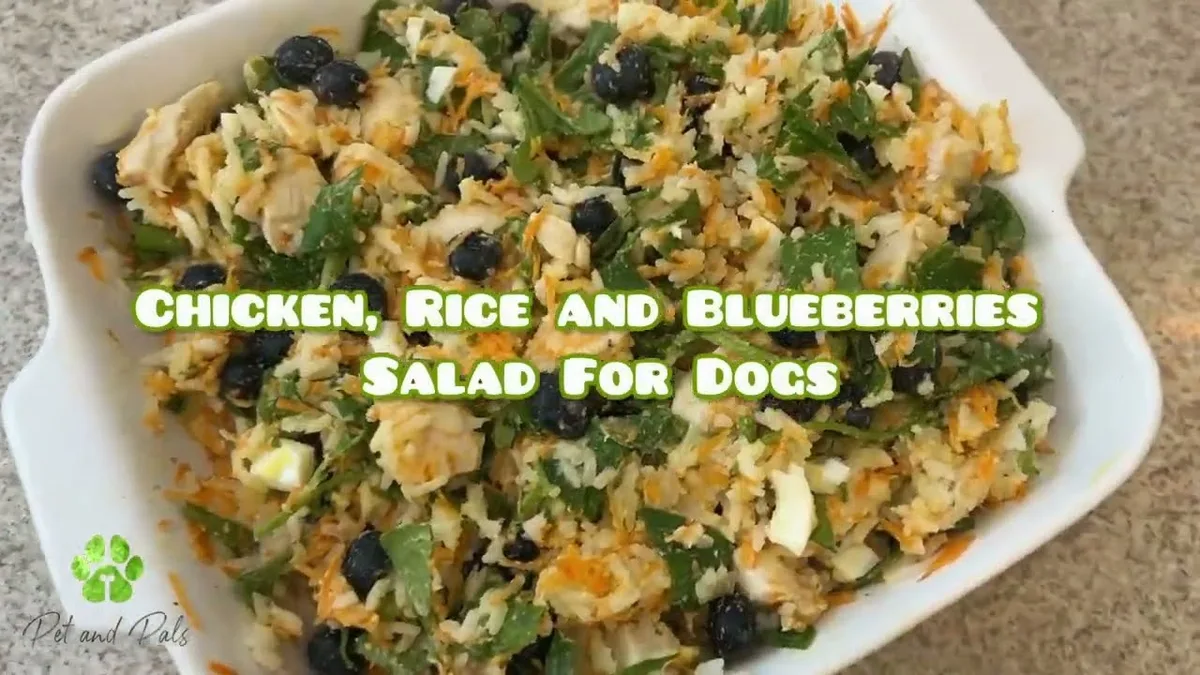
Image source: YouTube / Pet and Pals (YouTube thumbnail (fair-use with source credit))
Common Safe Foods:
- Cooked Meats: Plain, cooked chicken, turkey, beef, or lamb without any seasonings, sauces, or bones. Think boiled or baked, not fried or heavily spiced. Ensure it’s fully cooked to kill any bacteria.
- Certain Fruits: Apples (seeds and core removed, please!), blueberries, bananas, and watermelon (seeds and rind removed). These can be great little natural boosters, but watch the sugar content with bananas and watermelon.
- Certain Veggies: Carrots (great for teeth!), green beans, sweet potatoes (cooked and plain), and pumpkin (plain, canned pumpkin, not the pie filling!). These are often fiber powerhouses.
- Plain Yogurt: Unsweetened, plain yogurt with active cultures can be good for their gut. But make sure there’s no xylitol (an artificial sweetener that’s toxic to dogs). This can be helpful even for dogs with sensitive stomachs if introduced carefully.
- Peanut Butter: A classic doggy favorite! Again, always check the label for xylitol. And go for natural, unsalted varieties when possible.
Remember, even these safe foods should be given as occasional treats, not as a staple of their diet. If you’re concerned about your dog’s main nutrition, you might want to look into top-rated dry foods for small adult dogs or explore options for senior dogs on restricted diets.
Now, The “Uh-Oh” Foods: Things to Absolutely Avoid
This is where we need to be really careful. Some foods that are perfectly fine for us can be toxic or seriously harmful to dogs. It’s not worth the risk, so keep these clearly out of reach and out of their diet.
The U.S. Food and Drug Administration (FDA) lists numerous substances as toxic to pets, and many common human foods fall into this category.

Image source: YouTube / Keep Your Pets Healthy (YouTube thumbnail (fair-use with source credit))
Foods That Cause Digestive Upset & Toxin Reactions:
- Chocolate: This is a big one. The darker the chocolate, the more dangerous it is due to theobromine. It can cause vomiting, diarrhea, tremors, seizures, and even death. Even small amounts can be critical for smaller dogs.
- Onions, Garlic, Chives, and Leeks: These all belong to the Allium family and can damage a dog’s red blood cells, leading to anemia. Even in powdered form (like in some seasoned meats or sauces), they can be problematic.
- Avocado: The persin in avocados can cause vomiting and diarrhea in dogs. While the pit is a choking hazard, the flesh itself is also best avoided.
- Xylitol: You’ll find this artificial sweetener in sugar-free gum, candies, baked goods, and some peanut butters. It causes a rapid drop in blood sugar and liver failure in dogs. It’s incredibly toxic, and a small amount can be fatal to a 10-pound dog.
- Alcohol and Caffeine: Obviously not great. Alcohol can cause intoxication, coma, and death. Caffeine can lead to restlessness, rapid breathing, heart palpitations, and muscle tremors.
Foods That Cause Choking & Blockages:
- Grapes and Raisins: We still don’t know exactly why, but these can cause sudden, severe kidney failure in dogs. Even a small amount can be dangerous for some.
- Cooked Bones: While raw bones can sometimes be okay (with caution!), cooked bones become brittle and can splinter, leading to choking, internal obstructions, or tears in the mouth and digestive tract. This is a common cause of emergency veterinary visits.
It’s crucial to keep these items completely away from your pet. If your dog struggles with digestive issues, consulting a vet about specific dietary foods for allergy-prone dogs might be a better route than experimenting with human foods.
Why “Just a Little Bit” Can Still Be Risky
You might be thinking, “But my dog ate X once and was fine!” And yeah, that can happen. Dogs have different tolerances. However, consistent exposure to even small amounts of problematic foods can build up, or a single larger exposure could be catastrophic.
The danger isn’t always immediate, and some risks are cumulative.
Cumulative Effects & Long-Term Health
Some ingredients, like excessive salt or certain compounds in plants, might not cause an immediate crisis but can contribute to long-term health issues like kidney problems or digestive upset over time. Giving your dog regularly seasoned table scraps, for example, can lead to chronic issues that are harder to diagnose. Over the long haul, this kind of dietary indiscretion can impact their overall quality of life and may require specialized dog food for senior dogs with no teeth later on.
Specific Toxicities: The Danger Zone
For things like xylitol or chocolate, there isn’t really a “safe” amount for most dogs. It’s a matter of toxicity levels and the dog’s size and metabolism. A single 1-ounce piece of dark chocolate can contain enough theobromine to be dangerous for a 20-pound dog.
Similarly, a sugar-free candy containing xylitol can cause a life-threatening blood sugar crash and liver damage, even in very small quantities. This is why hyper-vigilance around these specific items is non-negotiable.
Mistakes to Avoid When Feeding Your Dog Human Food
When owners try to supplement their dog’s diet with human food, mistakes can happen. These often stem from misunderstanding ingredient safety, portion control, or the dog’s individual needs. Avoiding these common pitfalls is just as important as knowing what foods are safe.
- Assuming ‘Safe for Humans’ Means ‘Safe for Dogs’: This is the most common error. Human taste preferences and digestive capabilities don’t translate directly to dogs. What’s delicious and healthy for you could be poisonous to them.
- Overfeeding Treats: Even safe human foods, when given in large quantities, can lead to obesity and nutritional imbalances. Portion control is paramount. Dogs have different caloric needs based on weight and activity level, roughly outlined in guides on how much food to feed your dog by weight.
- Ignoring the Pitfalls of Processed Foods: Many human foods are heavily processed with added salts, sugars, and artificial ingredients. These are generally not good for dogs and can cause more harm than good.
- Feeding Raw Food Without Expertise: While some owners opt for raw diets, this carries its own risks of bacterial contamination (like Salmonella or E. coli) and nutritional imbalances if not handled and formulated with expert guidance.
- Giving Small Amounts of Toxic Foods ‘Just in Case’: For acutely toxic substances like grapes, raisins, or xylitol, there’s no ‘safe’ small amount. A single incident can have severe consequences.
Expert Tips for Safely Sharing Human Foods
When you want to share a bite of your meal with your furry friend, approach it with care and knowledge. It’s less about “sharing” in the human sense, and more about offering a safe, occasional, specially prepared treat.
Here are some pointers from veterinary professionals and animal nutrition experts:
- Cook It Plain: Always cook meats thoroughly without any added oil, salt, spices, garlic, or onions. Boiling or baking is best. This removes harmful bacteria and makes the food easier to digest.
- Measure Your Portions: Treats, including human food treats, should not exceed 10% of your dog’s daily caloric intake. For a 50-pound dog needing about 1,000 calories a day, that’s only about 100 calories of treats.
- Know Your Ingredients: Read labels carefully. If you’re offering something like plain cooked chicken, be sure it hasn’t been seasoned or injected with broth containing onion powder. If offering peanut butter, double-check for xylitol.
- Remove Seeds and Cores: For fruits like apples, always remove the core and seeds, as they contain cyanide compounds. Similarly, remove pits from fruits like peaches or plums, as they are a choking hazard and can cause blockages.
- Introduce New Foods Slowly: Offer only a tiny amount of a new food and monitor your dog for any signs of digestive upset, like vomiting, diarrhea, or lethargy, for the next 24-48 hours.
- Consider Breed-Specific Needs: Some breeds have unique dietary requirements or predispositions. For example, Golden Retriever puppies might benefit from specific puppy formulas, and experimenting with human food could interfere with that.
If you consistently find yourself looking for high-quality food options, exploring best dry dog food for arthritis or high-protein dog foods might be a more reliable long-term strategy than relying on table scraps.