Everything About What’s a Good Dog Food for Puppies
Picking what’s a good dog food for puppies can feel overwhelming. Every bag promises health and vitality, but the label doesn’t tell you the whole story. Your puppy’s growth rate, breed size, and health history all change the answer.
In our research, we found that AAFCO sets specific nutrient minimums for growth. Puppy food needs at least 22.5% protein and 8.5% fat on a dry matter basis. Large breed puppies also have a calcium cap of 1.8% to protect their joints.
So before you buy, let’s look at what actually matters.
Quick Answer
A good puppy food meets AAFCO growth standards. It matches your puppy’s breed size. Large breeds need controlled calcium.
Small breeds need dense calories. Always check the life-stage statement on the bag.
Why Puppy Food Is a Health Decision, Not Just a Label Choice
Puppy food isn’t just adult food in a smaller bag. A puppy’s body is still building bone, muscle, and brain tissue. Feed the wrong formula and you can set up problems that last a lifetime.
That’s why the stakes are higher than most people realize.
If you feed a large breed puppy an all-purpose diet with too much calcium, you raise the risk of hip dysplasia and osteochondrosis. If you underfeed a small breed puppy, they can miss critical growth milestones. The right food depends on your puppy’s expected adult size.
In our research, we found that many owners switch foods too fast. That leads to vomiting or diarrhea. If your puppy has a sensitive stomach, you need an even slower transition.
Always talk to your vet before making a change.
Think of puppy food as a medical decision, not a shopping preference. The label “complete and balanced” means it meets AAFCO standards for growth. But that claim doesn’t tell you if the food is right for your specific puppy.
You have to match the formula to the dog in front of you.
Core Facts: AAFCO Growth Profiles, Life Stages, and Breed Size
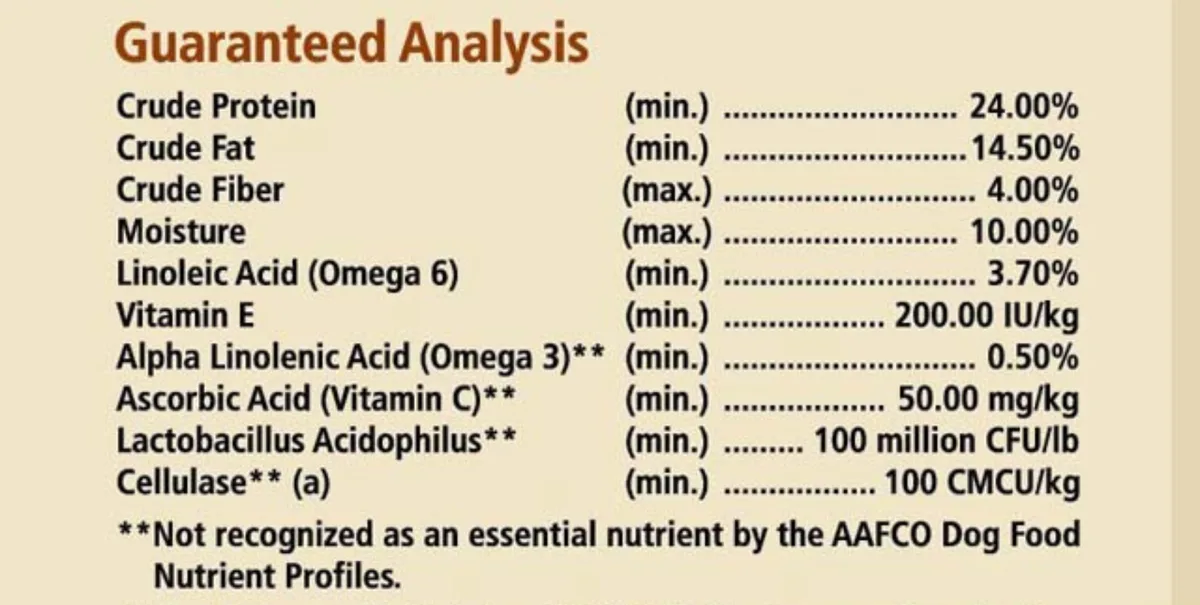
Image source: Web (Bing) / animalia-life.club (Web image (fair-use with source credit))
The AAFCO Dog Food Nutrient Profiles set the baseline for puppy nutrition. These profiles list minimum and maximum levels for every essential nutrient. A food must meet the growth profile to legally call itself puppy food.
Protein, Fat, Calcium, Phosphorus, and DHA Minimums
Here’s what the numbers look like on a dry matter basis.
| Nutrient | Growth Minimum | Adult Maintenance |
|---|---|---|
| Protein | 22.5% | 18.0% |
| Fat | 8.5% | 5.5% |
| Calcium | 1.2% | 0.5% |
| Phosphorus | 1.0% | 0.4% |
| DHA | 0.08% | No minimum |
Large breed puppies have an extra rule. Calcium must stay below 1.8% to prevent bone problems. DHA supports brain and vision development.
Most quality puppy foods include it.
Large Breed vs Small Breed vs All Life Stages
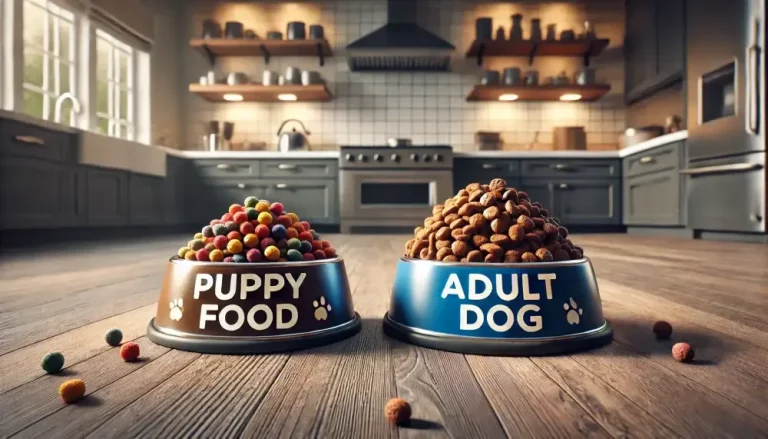
Large breed puppies grow slowly and need controlled calcium. Small breed puppies burn calories fast and need calorie-dense kibble. All Life Stages foods work if they meet growth minimums.
But they may not be ideal for large breed puppies.
If your puppy is a large breed, pick a formula labeled for large breed growth. If you have a small breed, look for higher calories per cup. If you’re unsure, ask your vet.
How to Read a Puppy Food Label Without Getting Fooled
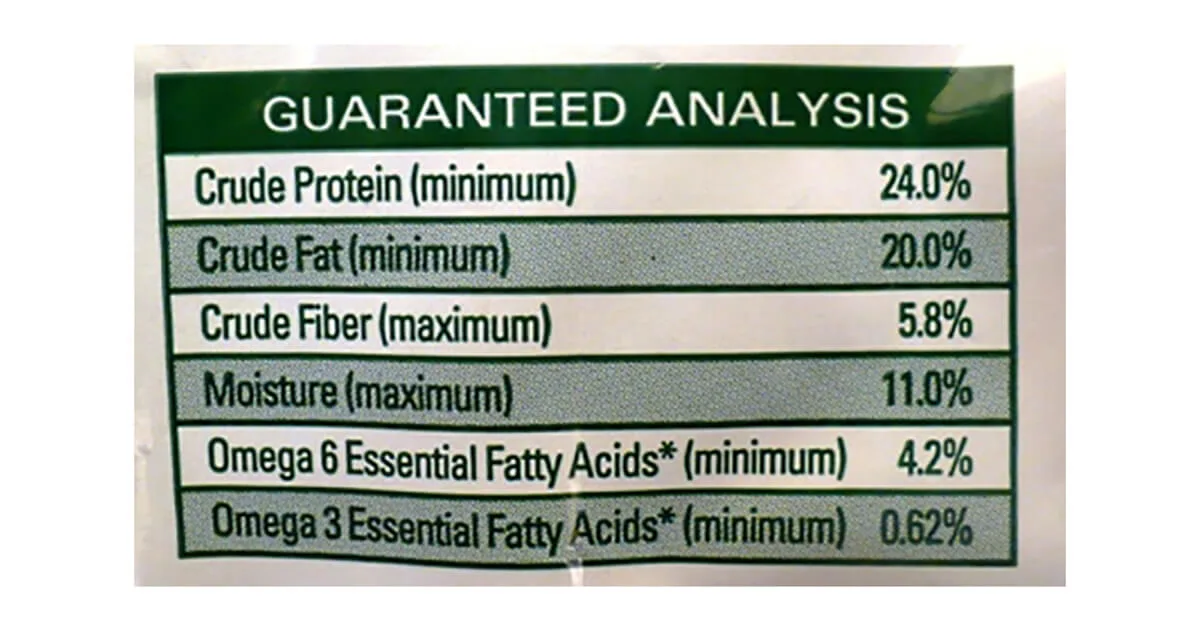
Image source: Bing (Web (fair-use with source credit))
The front of the bag is marketing. The back is where the facts live. You need to find three things: the guaranteed analysis, the nutritional adequacy statement, and the ingredient list.
Guaranteed Analysis, Nutritional Adequacy Statement, and Ingredient Splits
The guaranteed analysis lists minimum protein and fat, and maximum fiber and moisture. It doesn’t tell you exact amounts. But it’s a starting point.
The nutritional adequacy statement tells you which life stage the food meets. Look for “growth” or “all life stages.”
Ingredients are listed by weight. Whole meats like chicken come first. But that weight includes water.
A food with “chicken meal” may have more actual protein. Don’t judge by the first ingredient alone.
Marketing Terms That Don’t Mean What You Think
“Holistic,” “premium,” and “human-grade” have no legal definition in pet food. They’re marketing words. “Natural” has a narrow AAFCO definition.
It doesn’t mean organic or healthy. If your puppy struggles with hard kibble, you can try softening it with warm water.
Focus on the life-stage statement and guaranteed analysis. Ignore the buzzwords.
Matching the Food to Your Puppy: Age, Breed Size, Weight, and Health
A puppy’s needs change fast. A 6-week-old weaned puppy eats differently than a 6-month-old. Breed size also shifts the timeline.
Weaning, 8 to 12 Weeks, 3 to 6 Months, and Breed Maturity Timelines
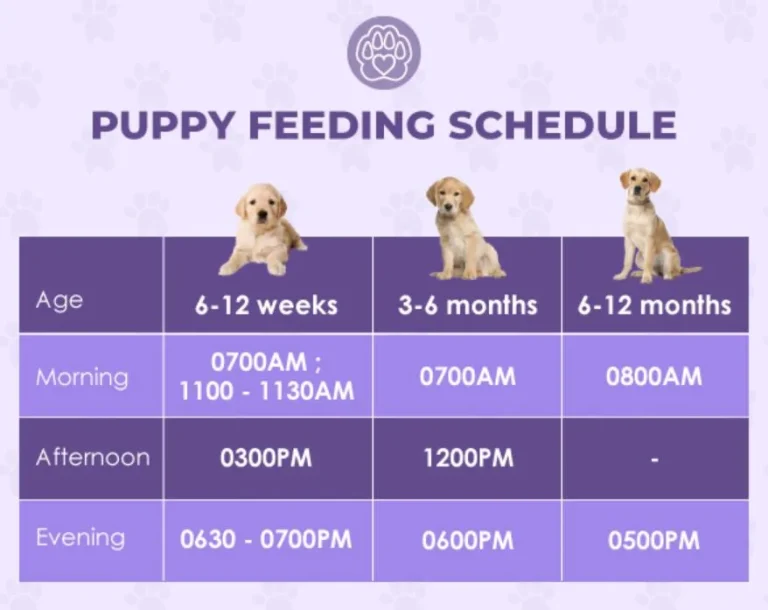
At weaning, puppies need moist food or milk replacer. By 8 to 12 weeks, they can eat dry kibble soaked in water. From 3 to 6 months, feed three to four meals a day.
Small breeds reach adult size around 9 to 12 months. Large breeds keep growing until 12 to 18 months. Giant breeds need puppy food until 18 to 24 months.
Picky Eaters, Sensitive Stomachs, Allergies, and Underweight Puppies
If your puppy is a picky eater, try warming the food or adding a topper. If they have a sensitive stomach, switch proteins slowly. If they vomit after eating, you may need to withhold food briefly.
Underweight puppies need more calories and a vet check.
Match the food to the puppy. Don’t force a formula that doesn’t work.
Red Flags and Risk Factors: Calcium, DCM, Raw Diets, Recalls, and Overfeeding
Some feeding choices carry real risk. Knowing the red flags can save your puppy from serious harm.
Bone and Joint Damage, Obesity, and Rapid Growth
Too much calcium or calories causes rapid growth. That stresses growing joints. Large breed puppies are especially vulnerable.
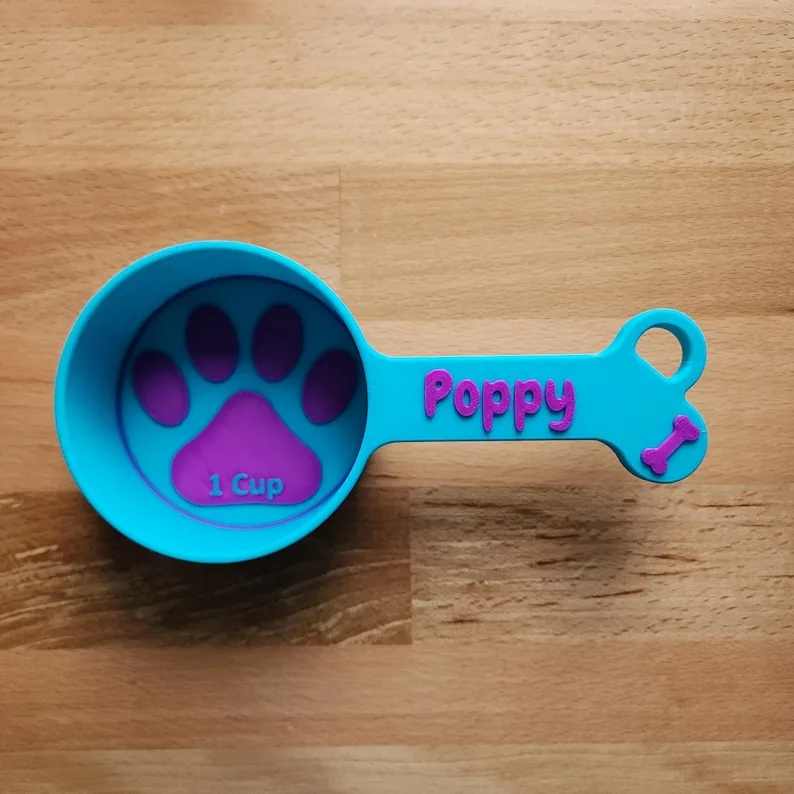
Obesity in puppies leads to arthritis later. Measure portions with a kitchen scale, not a scoop.
Pathogens, Toxic Foods, and Bloat Risk
Raw diets can carry Salmonella and Listeria. The FDA tracks pet food recalls for these risks. Keep toxic foods like chocolate, grapes, and xylitol away from your puppy.
Bloat is a sudden, life-threatening emergency. It’s more common in large, deep-chested breeds. Feed smaller meals and avoid vigorous exercise right after eating.
If you see vomiting, lethargy, or a swollen belly, call your vet right away.
Safe Feeding Practices: Portions, Transitions, Storage, and Monitoring
Portion control starts with calories, not cups. Every puppy food has a different calorie density. Check the kcal ME per cup on the bag.
Then use a kitchen scale to weigh portions. A measuring cup can be off by 30% or more.
Calorie Math, Meal Frequency, and Body Condition Score
Puppies under 6 months need 3 to 4 meals a day. After 6 months, drop to 2 to 3 meals. Use the feeding chart as a starting point.
Adjust based on your puppy’s body condition score. You want to feel ribs easily but not see them. A score of 4 to 5 on a 9-point scale is ideal.
If your puppy looks thin, add 10% more food. If ribs are buried, cut back by 10%. Weigh your puppy weekly and track the growth curve.
Slow Transitions, Bowl Hygiene, and Recall Checks
Transition to a new food over 7 to 10 days. Start with 25% new food and 75% old. Increase the new food every few days.
If diarrhea hits, slow down. Soften hard kibble with warm water for very young puppies.
Wash food and water bowls daily. Bacteria builds up fast, especially with wet food. Store dry food in a sealed container in a cool, dry place.
Check the FDA recall page monthly for your brand.
When to Call Your Vet or a Board-Certified Veterinary Nutritionist
Call your vet if your puppy stops eating for more than 24 hours. Also call if you see vomiting, diarrhea lasting more than a day, or sudden lethargy. These can signal serious problems.
For home-cooked or raw diets, talk to a board-certified veterinary nutritionist. They can balance the recipe to meet AAFCO growth minimums. General vets may not have that training.
If your puppy has a medical condition, you may need a prescription diet. These formulas are made for specific issues like kidney disease or allergies. Your vet can write a prescription.
A veterinary nutritionist can also help with picky eaters or puppies with food allergies. Don’t guess with homemade diets. Nutrient gaps can cause lasting damage.
Frequently Asked Questions
What is the best puppy food for large breed puppies?
Large breed puppies need a formula with controlled calcium under 1.8% and protein around 22.5%. Look for a large breed growth label. These diets also include joint-supporting nutrients like glucosamine.
Can I feed my puppy adult dog food?
No. Adult food doesn’t meet growth minimums for protein, fat, calcium, and phosphorus. Feeding it long-term can cause nutrient deficiencies.
Stick with a puppy or all-life-stages formula until your vet says otherwise.
How much should I feed my puppy?
Start with the bag’s feeding chart based on weight and age. Then adjust using body condition score. Weigh your puppy weekly.
If ribs are hard to feel, reduce portions slightly. If you can see ribs, feed more.
Is grain-free puppy food safe?
The FDA investigated a link between grain-free diets and canine dilated cardiomyopathy (DCM). As of 2026, the cause isn’t fully proven. Most vets recommend grain-inclusive diets unless your puppy has a diagnosed grain allergy.
When should I switch my puppy to adult food?
Small breeds can switch at 9 to 12 months. Large breeds need puppy food until 12 to 18 months. Giant breeds stay on puppy formula until 18 to 24 months.
Always transition slowly over 7 to 10 days.