Beginner’s Guide to What Thanksgiving Food Can Dogs Eat
Figuring out what thanksgiving food can dogs eat is a common worry for pet owners during the holiday. You want your dog to enjoy a treat, but you also don't want a trip to the emergency vet. The good news is that some Thanksgiving foods are safe in small amounts.
The bad news is that many popular dishes are dangerous.
As of 2026, the FDA still lists xylitol, chocolate, grapes, and onions as top pet toxins. A safe treat rule: keep Thanksgiving extras under 10% of your dog's daily calories. That's the standard most vets follow.
Let's break down which foods pass the test and which ones don't.
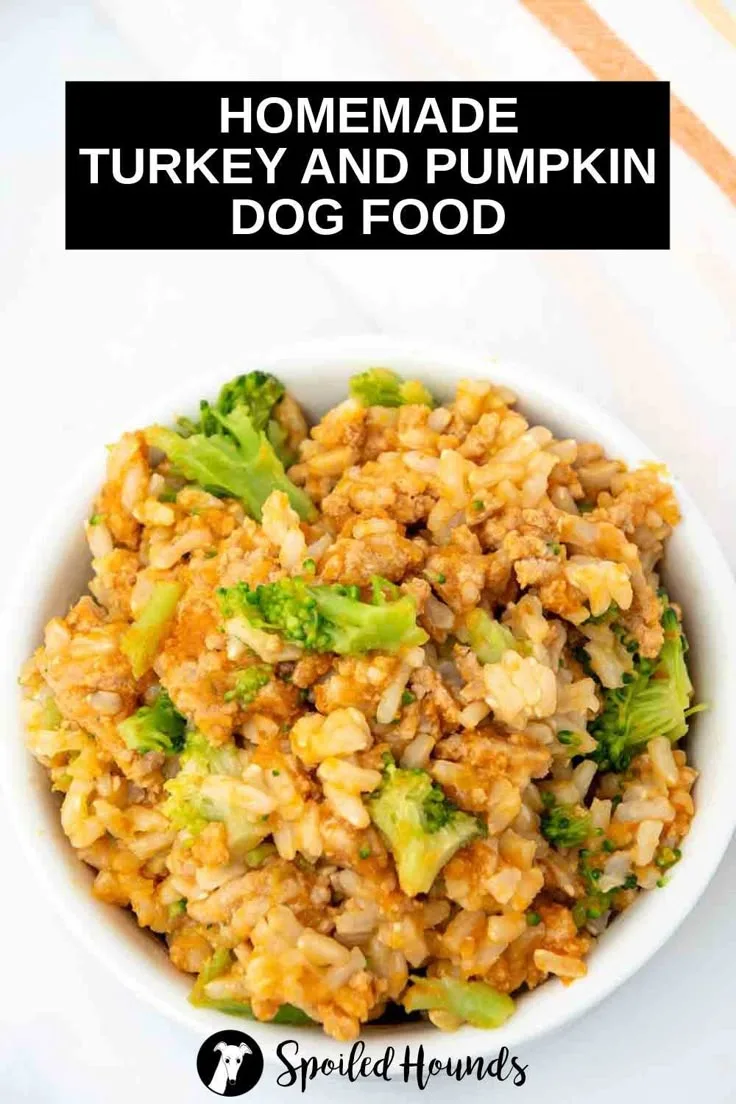
Image source: Web (Bing) / pinterest.com (Web image (fair-use with source credit))
Quick Answer: What Thanksgiving Foods Can Dogs Eat?
Plain, unseasoned turkey is safe for most dogs in small bites. Plain cooked pumpkin and green beans are also fine. Avoid stuffing, gravy, ham, bones, and desserts.
Xylitol, chocolate, grapes, and onions are toxic. Call your vet if your dog eats any of these.
Why Thanksgiving Is a High-Risk Holiday for Dogs
Thanksgiving throws a lot of hazards at dogs in one day. Rich, fatty foods sit within reach. Guests drop scraps.
Trash cans overflow with bones and wrappers. A dog's nose doesn't know the difference between safe and dangerous.
Pancreatitis is the big one. A single fatty meal can trigger severe inflammation of the pancreas. Symptoms include vomiting, belly pain, and lethargy.
Some dogs end up hospitalized for days.
Bloat, or GDV, is another risk. Large, deep-chested dogs eat a big meal and then exercise. The stomach twists.
This is a surgical emergency with a high death rate if untreated.
Toxins hide in common dishes. Xylitol in sugar-free gum or desserts causes low blood sugar and liver failure. Chocolate, grapes, raisins, onions, and garlic are all toxic to dogs.
Alcohol in punch or rum cake can cause coma or death.
The FDA tracks these poison calls every year. Their data shows a spike around holidays. The ASPCA Animal Poison Control Center sees the same pattern.
The best defense is prevention. Keep food off low tables. Tell guests not to feed the dog.
Secure the trash. Know your dog's risk level based on size, health, and history. Even safe foods need portion control, and some dogs have sensitive stomachs that react to any change.
For general table food rules, stick to plain, unseasoned bites.
Safe Thanksgiving Foods for Dogs (And How to Serve Them)
Not every Thanksgiving food is off-limits. A few items can make a safe, small treat if you prepare them right. The key is plain, unseasoned, and boneless.
Safe foods:
- Plain turkey meat: white or dark, no skin, no bones, no seasoning.
- Plain cooked pumpkin: canned pure pumpkin, not pie filling.
- Plain green beans: fresh, frozen, or canned without salt.
- Plain sweet potato: baked or boiled, no marshmallows or sugar.
- Plain carrots: raw or cooked, cut into small pieces.
- Apple slices: no seeds or core.
- Plain rice: white or brown, cooked without butter or salt.
| Safe Food | How to Serve |
|---|---|
| Turkey | Plain, boneless, skinless, small pieces |
| Pumpkin | Canned pure, 1 to 2 tablespoons |
| Green beans | Plain, cut small |
| Sweet potato | Plain, mashed or cubed |
Serve each in bite-sized pieces. A small dog gets a teaspoon. A large dog gets a tablespoon.
That's a general guide, not a rule. Your vet can give you exact amounts.
Always introduce one new food at a time. A sudden change can cause diarrhea or vomiting. If your dog is a picky eater, mix a tiny bit into their regular food.
Cook turkey to 165°F per USDA guidance. That kills bacteria like Salmonella. Never give raw or undercooked meat.
Dangerous Thanksgiving Foods: What to Avoid
Some Thanksgiving foods can kill your dog. Knowing the worst offenders helps you act fast.
Top dangers:
- Xylitol: found in sugar-free gum, mints, some peanut butters, and baked goods. Even a small amount drops blood sugar. It can cause liver failure.
- Chocolate: dark and baking chocolate are worst. Theobromine and caffeine cause tremors, seizures, and heart problems.
- Grapes and raisins: cause kidney failure. No safe dose exists.
- Onions, garlic, chives, leeks, shallots: damage red blood cells. Symptoms can take days.
- Alcohol: in punch, wine, beer, and desserts. Causes vomiting, disorientation, and coma.
- Macadamia nuts: cause weakness, tremors, and fever.
- Cooked bones: splinter and puncture the gut. Never give turkey bones.
- Ham and bacon: high fat and salt. Can trigger pancreatitis.
- Stuffing: often contains onions, garlic, and raisins. Also high fat.
- Gravy: loaded with fat and drippings.
- Nutmeg: in pumpkin pie and eggnog. Can cause seizures.
- Moldy foods: trash raids can lead to tremorgenic mycotoxins.
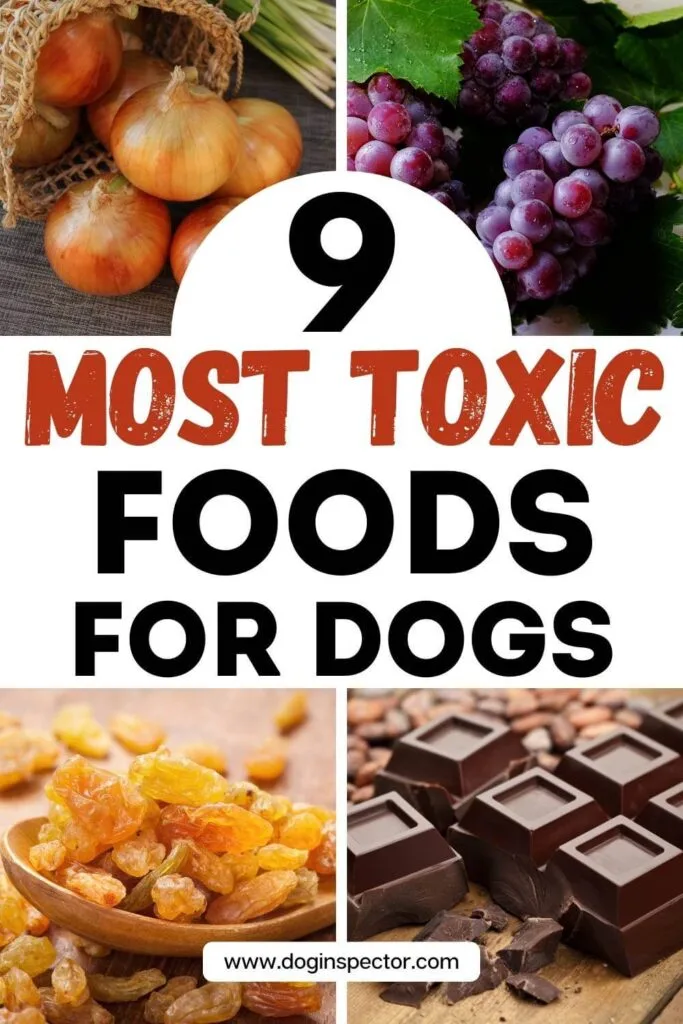
Image source: Web (Bing) / doginspector.com (Web image (fair-use with source credit))
If your dog eats any of these, call your vet or pet poison control right away. Do not wait for symptoms. The ASPCA Animal Poison Control Center is open 24/7.
If vomiting starts, you may need to know how long to withhold food.
How Much Thanksgiving Food Can Your Dog Have? Portion and Prep Rules
Portion size matters as much as food choice. A safe food can still cause problems in large amounts. The general rule: treats and extras should stay under 10% of your dog's daily calories.
Use this quick guide based on dog weight:
- Toy (under 10 lbs): 1 teaspoon
- Small (10 to 25 lbs): 1 tablespoon
- Medium (25 to 50 lbs): 1 to 2 tablespoons
- Large (50 to 100 lbs): 2 to 3 tablespoons
- Giant (over 100 lbs): 3 to 4 tablespoons
These are maximums, not targets. A single tablespoon of turkey is plenty for a medium dog.
Prep rules:
- Set aside plain portions before you season or add butter.
- Remove all skin, bones, and fat.
- Avoid gravy, stuffing, and casseroles entirely.
- Cut food into pea-sized pieces to prevent choking.
- Never feed from the table. Put the treat in your dog's bowl.
- Keep an eye on guests. Kids love to sneak scraps.
- Secure the trash can with a lid or in a cabinet.
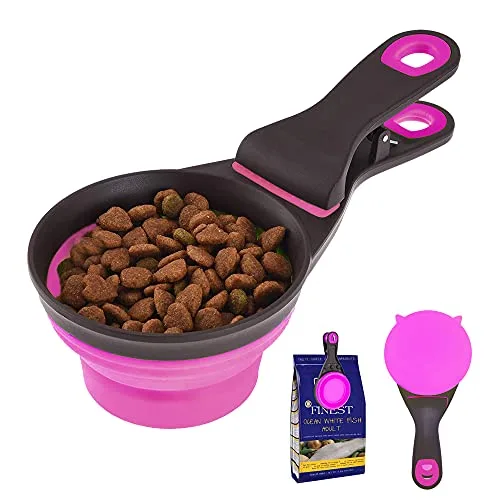
Image source: Web (Bing) / furryfolly.com (Web image (fair-use with source credit))
If your dog has a health condition like diabetes, kidney disease, or a sensitive stomach, talk to your vet first. Even safe foods can throw off their diet. For senior dogs, smaller portions and softer textures work better.
When to Call the Vet: Symptoms, Timelines, and Emergency Steps
Some symptoms mean you need to call your vet right now. Others can wait until morning. Knowing the difference can save your dog's life.
Call immediately if you see:
- Repeated vomiting or vomiting blood.
- Diarrhea with blood or black stools.
- A swollen, painful, or hard belly.
- Restlessness, pacing, or unproductive retching.
- Tremors, seizures, or stumbling.
- Collapse, weakness, or pale gums.
- Disorientation or coma.
If your dog ate a known toxin, call before symptoms start. Xylitol can drop blood sugar within 30 minutes. Chocolate signs show up in 6 to 12 hours.
Grape and raisin damage can take 24 to 72 hours. Allium toxicity may not appear for 1 to 5 days.
Have this info ready: your dog's weight, the food eaten, the amount, and the time. Bring the packaging if you have it. The ASPCA runs a 24/7 poison control hotline for pet owners.
Do not induce vomiting unless a vet tells you to. It can cause more harm with sharp bones or caustic foods. Do not give human medications like ibuprofen or acetaminophen.
Both are toxic to dogs.
If your dog is stable, call your regular vet or a telehealth service. If symptoms are severe, go straight to an emergency hospital. Holiday hours are limited, so call ahead to confirm they're open.
Common Mistakes That Land Dogs in the ER on Thanksgiving
Most Thanksgiving vet visits come from a handful of avoidable mistakes. Fix these and you cut your risk dramatically.
Mistake 1: Giving turkey bones. Cooked bones splinter into sharp shards. They can puncture the stomach or block the intestine.
That's surgery, not a stomachache.
Mistake 2: Feeding the skin and drippings. Fat is the top cause of pancreatitis in dogs. One rich meal can trigger days of vomiting and a hospital stay.
Mistake 3: Assuming "a little won't hurt." Small dogs react to tiny amounts. A single grape can damage a Chihuahua's kidneys. A stick of sugar-free gum can be lethal.
Mistake 4: Letting guests feed the dog. Kids and relatives mean well. They don't know what's toxic.
Set a firm rule and put treats in a bowl away from the table.
Mistake 5: Skipping the trash guard. Turkey carcasses, foil, string, and wrappers all end up in the bin. Use a locking lid or move it to a closed room.
Mistake 6: Waiting to see if symptoms pass. Time matters with toxins. Call first, watch second.
Mistake 7: Changing the dog's whole diet for the day. Even safe foods can cause GI upset. Keep their regular meals on schedule.
FAQs: Turkey, Stuffing, Pumpkin Pie, and More
Can dogs eat turkey on Thanksgiving?
Yes, in small amounts. Give plain, boneless, skinless turkey with no seasoning. Skip the skin, gravy, and drippings.
Cook it to 165°F and cut it into small pieces. A few bites are plenty for most dogs.
Can dogs eat stuffing?
No. Stuffing usually contains onions, garlic, and sometimes raisins, all of which are toxic. It's also high in fat and salt.
Keep it away from your dog entirely.
Can dogs eat pumpkin pie?
No. Pumpkin pie filling has sugar, nutmeg, and sometimes xylitol or alcohol. Plain canned pumpkin is safe.
The dessert version is not.
Can dogs eat mashed potatoes?
Plain mashed potatoes are okay in small amounts. Skip the butter, cream, garlic, and gravy. A tablespoon is enough for a medium dog.
Too much dairy can cause diarrhea.
Can dogs eat cranberry sauce?
A tiny taste of plain cranberry sauce is usually fine. Most holiday versions are loaded with sugar. Some contain raisins or xylitol.
Read the label first, or just skip it.
What if my dog already ate something dangerous?
Call your vet or a pet poison hotline right away. Don't wait for symptoms. Have your dog's weight and the food details ready.
Follow their instructions exactly.