How to Soften Dog Food ? Ultimate Guide
Many dogs struggle with hard kibble, especially seniors or those with dental pain. If you’re wondering how to soften dog food, the method you choose matters more than most people realize. A quick soak in warm water works for some dogs, but the wrong liquid or temperature can cause serious harm.
Our research shows that safe softening comes down to three things: the right liquid, the right ratio, and the right serving time.
A common mistake is using boiling water or seasoned broth. Per AAFCO nutrient profiles, dry kibble contains only about 10 to 12 percent moisture, while wet food sits near 75 to 80 percent. That gap explains why softening can help hydration and chewing.
But safety comes first. Let’s start with the risks.
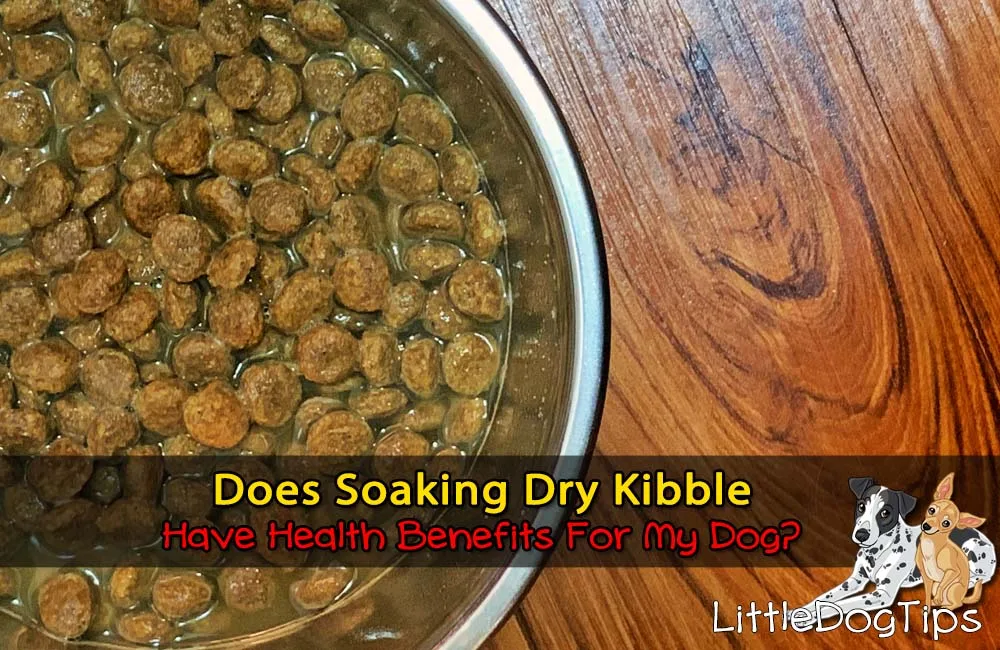
Image source: Bing (Web (fair-use with source credit))
Quick Answer
Add lukewarm water to kibble in a 1:1 ratio. Soak for 10 to 15 minutes. Mash if needed, then serve.
Never use boiling water or seasoned broth. Discard leftovers after two hours.
Why the Wrong Softening Method Can Harm Your Dog
Softening dog food isn’t just about making kibble easier to chew. It’s a health decision. Get it wrong, and you can cause burns, food poisoning, or nutritional gaps.
Our research shows that the most common errors involve water temperature and standing time.
Health risks you need to know
- Boiling water can scald your dog’s mouth and throat.
- Leaving softened food out over two hours invites Salmonella and E. coli.
- Draining the soak water throws away water-soluble nutrients.
- Using milk can trigger lactose intolerance and diarrhea.
If your dog is a picky eater, softening can help. But it’s not a cure for every appetite problem. Sometimes underlying nausea or pain is the real issue.
If you’ve dealt with vomiting recently, you may already know to wait before feeding.
When softening is medically necessary
Some dogs truly need softened food. Senior dogs with missing teeth. Puppies just starting solids.
Dogs recovering from dental surgery. Dogs with megaesophagus or dysphagia. For these dogs, softening isn’t a convenience.
It’s how they eat safely.
For healthy dogs with good teeth, softening every meal isn’t required. In fact, crunchy kibble can help scrape plaque. So think of softening as a targeted tool, not a default.
Safe Liquids, Ratios, and Temperatures: The Core Facts
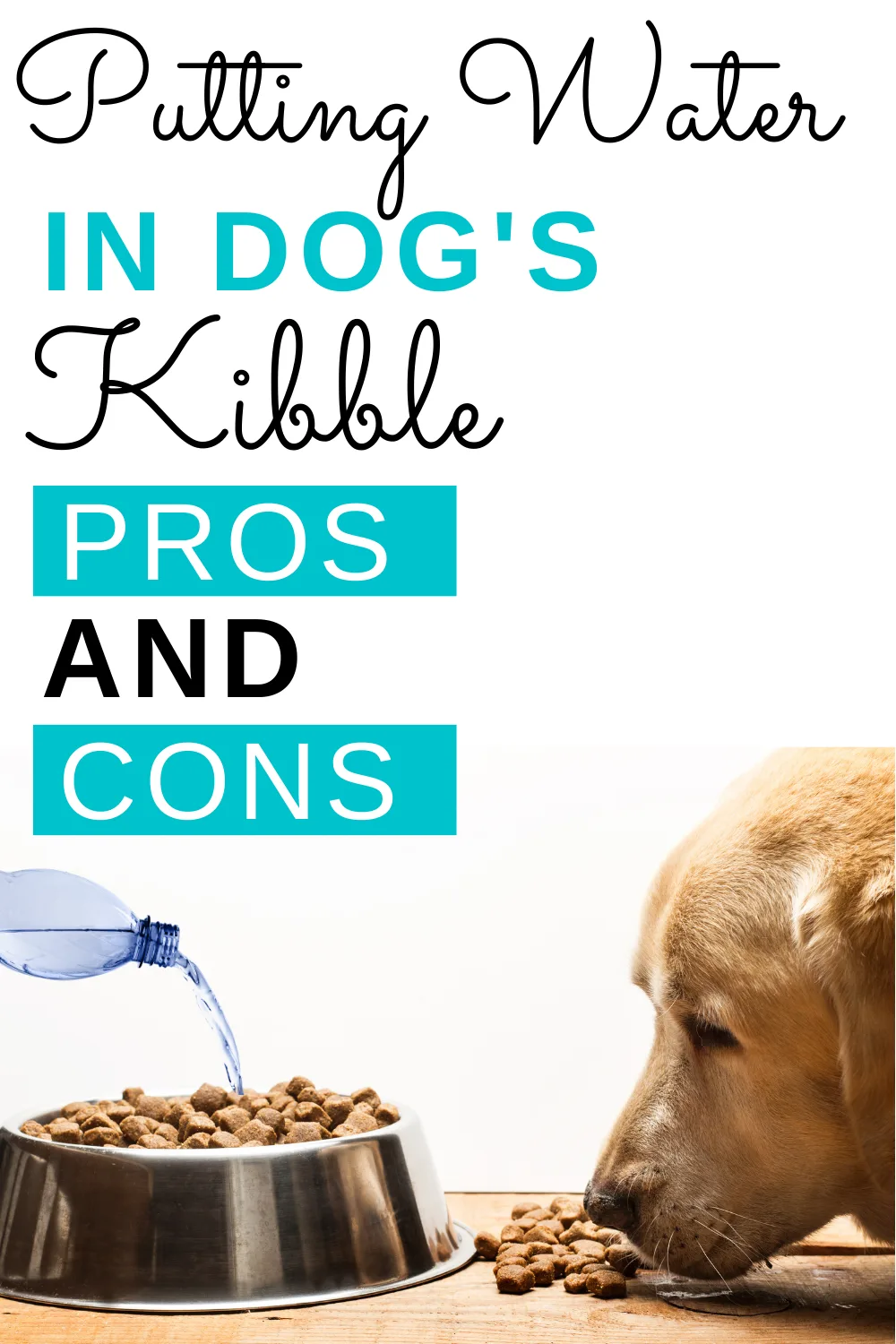
Image source: Web (Bing) / pinterest.com (Web image (fair-use with source credit))
The liquid you choose changes everything. Warm water is the safest default. Unsalted broth, bone broth, goat milk, kefir, and plain pumpkin puree are also options.
But each has rules.
Safe liquids for softening
| Liquid | Best for | Watch out for |
|---|---|---|
| Warm water | Most dogs | None |
| Unsalted chicken broth | Picky eaters | Onion or garlic additives |
| Bone broth | Senior dogs | High sodium |
| Goat milk | Sensitive stomachs | Lactose in some dogs |
| Pumpkin puree | Digestive upset | Added sugar or spices |
Ratios and temperatures
Use a 1:1 ratio for a soft mash. Use 1:2 for a slurry. Use 1:3 for a soupy gruel.
Water should be lukewarm, around 100°F or 38°C. Never boiling. Boiling water can destroy nutrients and burn your dog.
Soak times range from 5 to 30 minutes. Smaller kibble softens faster. Larger kibble needs longer.
As of 2026, manufacturer specs for most premium kibbles suggest 10 to 15 minutes for a standard soft texture.
If your dog has a sensitive stomach, plain water or goat milk is your best bet. Skip rich broths. And always check with your vet before using any dairy.
Step-by-Step: How to Soften Kibble, Wet Food, Freeze-Dried, and Raw Safely
Different foods need different methods. Here’s how to do each one safely.
For dry kibble
- Wash your hands and bowl.
- Measure kibble into a stainless steel or ceramic bowl.
- Add lukewarm water at a 1:1 ratio.
- Stir gently and wait 10 to 15 minutes.
- Mash with a fork if needed.
- Serve immediately.
For wet food
Wet food is already soft. You don’t need to soak it. If it’s too firm, add a splash of warm water.
Stir well. Serve at room temperature.
For freeze-dried and raw
Rehydrate freeze-dried food with warm water per package directions. Raw food should be served at fridge temperature or slightly warmed. Never microwave raw food.
It creates hot spots and bacterial risks.
Refrigeration and bowls
Leftover softened food must go in the fridge within two hours. Discard after 24 hours. Use stainless steel, ceramic, or glass bowls.
Avoid plastic if it’s scratched. Bacteria hide in scratches. For dogs who gulp, a slow feeder can help prevent bloat.
If you’re new to kibble, it helps to understand what it actually is. And if you add mix-ins, plain cooked rice is a safe choice for most dogs.
Match the Method to Your Dog: Seniors, Puppies, Dental Pain, and Megaesophagus
Image source: Web (Bing) / theseniordogs.com (Web image (fair-use with source credit))
Not every dog needs the same texture. Match the method to your dog’s specific needs.
Senior dogs
Older dogs often have dental disease or missing teeth. Soften kibble to a mash consistency. Warm water or bone broth works well.
For senior-friendly options, look for diets with joint support and easy digestion.
Puppies
Puppies being weaned need a gruel. Use warm water or puppy milk replacer. Soak kibble until it’s mushy.
Feed small amounts four times a day. Transition to dry kibble by 8 to 10 weeks.
Dental pain and oral surgery
If your dog has periodontal disease or just had a tooth removed, soft food is essential. Avoid hard kibble for at least two weeks. Your vet will tell you when to reintroduce crunch.
Megaesophagus and dysphagia
These conditions make swallowing dangerous. Softened food isn’t enough. Dogs with megaesophagus need upright feeding in a Bailey chair.
They also need small, frequent meals. Always follow your vet’s protocol.
For small seniors, wet food is often easier than soaked kibble. It’s already the right texture.
Toxic Ingredients, Bacterial Risks, and Common Softening Mistakes
The biggest danger with softening dog food is what you add to it. Some human foods are toxic to dogs. Others are just risky.
Toxic ingredients to avoid
- Xylitol (found in some peanut butters and sugar-free gums)
- Onion, garlic, chives, and leeks
- Grapes and raisins
- Chocolate and caffeine
- Alcohol
- Macadamia nuts
- Avocado
Many store-bought broths contain onion or garlic powder. Always read the label. Even “unsalted” broth can have hidden seasonings.
For a full list of safe and unsafe human foods, check our guide.
Bacterial risks
Softened food is a breeding ground for bacteria. Salmonella, Listeria, and E. coli can all grow quickly at room temperature. The FDA calls the range between 40°F and 140°F the “temperature danger zone.” Never leave softened food out for more than two hours.
If it’s above 90°F outside, cut that to one hour.
Common mistakes
- Using boiling water
- Draining the soak water
- Microwaving in plastic
- Reusing uneaten portions
- Adding milk to every meal
- Forgetting to brush teeth
Each mistake is easy to fix. Just stay mindful.
When to Call Your Vet Before Softening Dog Food
Some signs mean you should pick up the phone, not the water bowl. If your dog has stopped eating entirely, lost weight, or vomited more than once in a day, call your vet first. Softening food won’t fix an underlying medical problem, and waiting can make things worse.
Appetite loss and weight loss
A dog that skips one meal might just be picky. A dog that skips three meals needs a vet. Weight loss over a week or two is a red flag too.
These signs can point to dental pain, nausea, kidney disease, or cancer.
If your dog recently vomited, you may already know that waiting before the next meal matters. But repeated vomiting isn’t a texture issue. It’s a medical one.
Prescription diets and medical conditions
If your dog is on a prescription diet for kidney, gastrointestinal, or urinary health, ask your vet before changing the texture. Some therapeutic formulas are designed for specific water ratios. Adding too much water can dilute critical nutrients.
Dogs with kidney disease often need controlled hydration. If you’re exploring supporting kidney health through diet, your vet should guide the plan. Don’t improvise with a prescription formula.
Dental disease and surgery
After a tooth extraction or oral surgery, soft food is usually required for 10 to 14 days. But don’t guess. Your vet will give you a specific timeline.
They’ll also check for aspiration risk if your dog has swallowing issues. Aspiration pneumonia is a serious risk for dogs with megaesophagus or dysphagia. Softened food alone isn’t enough for those dogs.
They need upright feeding and often a Bailey chair.
When to stop and seek help
Stop softening and call your vet if your dog coughs while eating, gags, or shows pain when chewing. Also call if you see blood in the bowl or severe diarrhea. These aren’t texture problems.
They’re medical ones.
FAQs About Softening Dog Food
Can I soften dog food with milk?
No, milk isn’t a good choice for most dogs. Many dogs are lactose intolerant, and milk can cause diarrhea or gas. Stick with warm water or unsalted broth instead.
How long can softened dog food sit out?
Two hours maximum at room temperature. If it’s hotter than 90°F outside, cut that to one hour. After that, bacteria like Salmonella and E. coli multiply fast.
Refrigerate leftovers and discard after 24 hours.
Is it OK to soften kibble every day?
Yes, for dogs that need it. Senior dogs, puppies, and dogs with dental issues can eat softened kibble daily. Just watch their teeth.
Soft food doesn’t scrape plaque the way crunchy kibble does. Brush regularly or offer dental chews if your vet approves.
What if my dog won’t eat softened food?
Some dogs prefer crunch. Try a 1:2 ratio for a lighter soak. If that fails, mix in a small amount of wet food or a dog-safe topper.
For persistent pickiness, our guide to foods finicky dogs accept covers more options.
Can I use human chicken broth or gravy?
Plain unsalted chicken broth is usually fine. Gravy is not. Most gravies contain onion, garlic, or added salt, which are toxic or harmful to dogs.
Always read the label before pouring.
Does softening dog food cause dental problems?
It can contribute if you never brush. Soft food leaves more residue on teeth. If your dog eats softened food daily, commit to regular brushing.
Your vet can recommend dental chews or a professional cleaning schedule.
Quick Decision Guide: What to Do Based on Your Dog’s Needs
Here’s the simple version. Match your method to your dog’s situation.
For most healthy dogs
If your dog chews fine and has no health issues, you don’t need to soften. If you want to add hydration, a splash of warm water is enough. Use a 1:2 ratio and serve right away.
For seniors and dogs with dental pain
Soften to a mash with warm water or unsalted bone broth. Use a 1:1 ratio. If your dog has missing teeth or periodontal disease, wet food may be easier.
Our picks for aging companions offer soft textures and joint support.
For puppies
Make a gruel with warm water or puppy milk replacer. Use a 1:3 ratio. Feed four small meals a day.
Transition to dry kibble by 8 to 10 weeks.
For dogs with medical conditions
Follow your vet’s instructions exactly. Dogs with kidney disease may need controlled water intake. Dogs with megaesophagus need upright feeding.
Don’t improvise. If you’re unsure whether a food is safe, our guide to settling a sensitive gut can help you ask better questions.
Red flags: stop and call your vet
- Coughing or gagging during meals
- Blood in the stool or bowl
- Vomiting more than once
- Refusing food for more than 24 hours
- Pain when opening the mouth
If you see any of these, stop softening and seek professional help. For more texture tips, see our related guide on softening hard food.