Dog Food Toppers: Are They Worth It?
Thinking about adding some extra flair to your dog’s dinner bowl? Many pet parents wonder if special food toppers are a healthy way to entice a picky eater or boost nutrition. While the idea sounds appealing, determining whether food toppers benefit dogs isn’t straightforward, as it relies on what you add and your dog’s specific needs.
As of 2026, the market is flooded with options, making it tough to pick the right one.
Our research indicates that while toppers can offer benefits, they also come with potential downsides. Understanding these nuances is key to making a smart choice for your furry family member. It’s about more than just taste; it’s about balanced canine nutrition and potential health impacts.
Image source: YouTube / Doctor Orion the Veterinarian (YouTube thumbnail (fair-use with source credit))
Quick Answer
Toppers can be good for dogs needing enhanced palatability for picky eating. They boost appetite by adding flavor and aroma to regular meals. However, overuse or poor ingredient choices can lead to nutritional imbalances or excess calories.
Consulting a vet is crucial for dogs with health concerns.
Your Dog’s Appetite: The First Big Question
This is often the first thing that comes to mind when people consider toppers.
Is Your Dog a Picky Eater?
Most of us have a dog who can be a bit… particular about mealtime. If your dog is a notorious finicky eater, a topper could be a game-changer. It can add a burst of flavor and aroma that makes their regular kibble or wet food more appealing.
This can be especially helpful if your dog is also struggling to maintain a healthy weight due to poor appetite. Manufacturer specifications for many commercial toppers highlight improved palatability as a primary benefit.

Image source: YouTube / Casey Ray | Dog Behavior & Breed Expert (YouTube thumbnail (fair-use with source credit))
If your dog eats their food enthusiastically, finishes every last bite, and doesn’t seem bored, adding a topper might not be necessary and could even lead to them becoming picky over time, holding out for the good stuff. This is part of understanding canine nutrition; a dog that happily consumes a complete and balanced diet doesn’t usually need much in the way of additions.
Health First: Checking Your Dog’s Condition
What’s going on with your dog’s health can really steer the decision about food toppers.
Do They Have Any Specific Health Concerns?
This is where you really need to check in with your veterinarian. Some toppers can be fantastic for adding nutrients or palatability for dogs with specific health issues. For instance, a topper with glucosamine might help a dog with arthritis, or a hydrolyzed protein topper could be suitable for a dog with severe allergies.
However, it’s vital to remember that some ingredients could exacerbate existing problems. Aggregates of veterinary feedback suggest that toppers should complement, not replace, veterinarian-recommended diets.
If you’re dealing with a dog that has sensitivities, talking to your vet is non-negotiable before introducing any new food additive. They can help you identify appropriate ingredients or warn you away from those that might cause harm. For dogs already on a prescription diet, adding toppers can disrupt the carefully balanced nutrition designed for their condition.
You’ll find guidance on dietary management of specific health conditions through resources like university extension programs, such as those offered by University Extension (.edu).
Decoding What’s in the Topper
Not all toppers are created equal, folks. This is a crucial fork in the road for your dog’s health.
Simple, Whole-Food Toppers
These are generally safer bets. We’re talking about ingredients like plain, cooked chicken, unsweetened pumpkin puree, or a small amount of low-sodium bone broth. These can add moisture, fiber, or a bit of lean protein.
Plain pumpkin, for example, is often recommended by veterinarians for digestive support due to its fiber content. Their simplicity means fewer chances for hidden ingredients to cause issues.
For example, a tablespoon or two of plain, steamed green beans or carrots can add fiber and vitamins without many extra calories. Plain, unsweetened Greek yogurt (in small amounts, if your dog tolerates dairy) can also be a source of probiotics. Remember, the key here is “plain” and “unsweetened”, no added spices, salt, or artificial sweeteners.
Commercial Toppers: Reading the Labels
This is where you need to put on your detective hat. Commercial products marketed as “toppers” can have long lists of ingredients.
- Check the Ingredient List: Are there things like artificial colors, flavors, excessive fillers, or added sugars? If so, steer clear. Look for whole food ingredients listed first.
- Watch for Added Vitamins and Minerals: While some added nutrients can be beneficial, others can throw off the balanced diet your dog is already getting from their main food. It’s generally best to avoid toppers that are essentially just multivitamins for an already well-fed dog, as this can lead to over-supplementation. Per FDA guidelines, pet food labeling must be truthful and not misleading.
- Consider Protein and Fat Content: If your dog already eats a high-protein or high-fat diet, adding another topper high in these macronutrients might not be ideal and could contribute to unwanted weight gain.
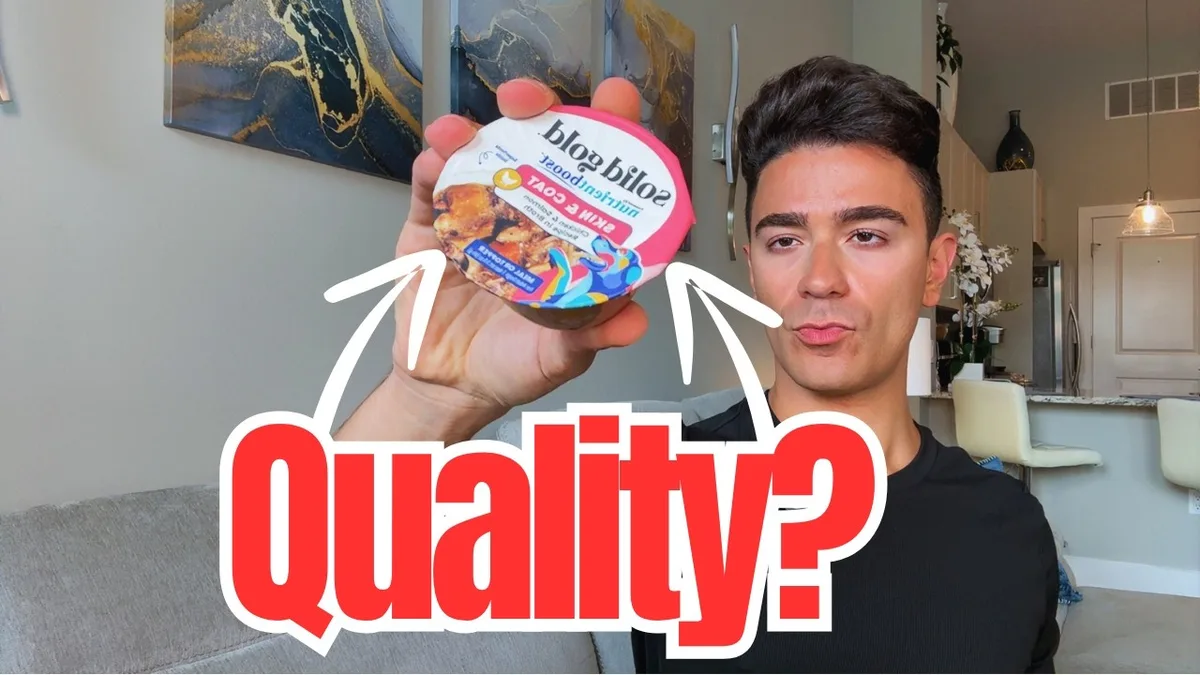
Image source: YouTube / John (YouTube thumbnail (fair-use with source credit))
If a commercial topper has a guaranteed analysis similar to dog food, it gives you clues about its nutritional makeup. This can be especially important if you’re feeding a dog with specific dietary needs, like those managed by a controlled weight management dog food.
How Much Topper Is Too Much?
Portion control is key, just like with anything else you add to your dog’s diet.
The Sprinkle vs. The Smother
A tiny sprinkle or a tablespoon of a healthy topper is unlikely to cause problems. It can serve its purpose of enhancing palatability or adding a little something extra without significantly altering their overall nutritional intake. This small addition is unlikely to create issues for a dog already consuming a complete and balanced diet, like a high-quality brand from DogFoodAdvisors.com.
However, if you’re adding enough topper that it’s making up a substantial part of your dog’s meal, you need to be extra careful. You’re essentially changing the nutritional balance of their diet and could be unintentionally creating an imbalance or adding too many calories. For instance, if you’re topping kibble with a significant portion of wet food or raw meat, you’re moving away from the intended balanced profile of the base food.
What Are You Trying to Achieve?
Are you aiming for a specific goal with your dog’s diet, or just looking to spoil your pup a bit more?
Practical Goals for Toppers
If your goal is to encourage your dog to eat, add moisture to their diet, or introduce a healthy fiber source for digestive regularity, toppers can be an excellent tool. These are practical applications that address common challenges faced by pet owners. For dogs who are recovering from illness or older pets with reduced appetites, a palatable topper can make a crucial difference in ensuring they consume enough to maintain their health.
Some owners use them to transition dogs to new food, making the experience less stressful.
Trends vs. True Needs
If it’s more about indulgence or following a trend without a clear benefit, you might be better off sticking to their regular food or using safe, whole-food treats in moderation. Sometimes, what seems like a beneficial addition can lead to a dog becoming suspicious of their regular food, always expecting the “flavor boost.” It’s important to distinguish between a genuine need and a fleeting desire for something different. Sticking to a veterinarian-approved feeding plan, whether it’s kibble, wet food, or even transitioning to a fresh food diet like those explored by DogFoodAdvisors.com, usually provides the most consistent nutritional support.
When Dog Food Toppers Shine (The Benefits)
Dog food toppers can absolutely earn a spot in your pet’s feeding routine when used correctly. Their primary advantage lies in enhancing palatability, making less appealing foods much more desirable for dogs with fussy appetites. This is crucial for ensuring your dog receives adequate nutrition, especially if they’re finicky or recovering from illness.
Think of it as a flavorful nudge towards a complete and balanced diet.
Furthermore, certain toppers can serve as a convenient way to introduce moisture into a dog’s diet, which is particularly beneficial for dogs who often have dry kibble or need extra hydration. For example, a spoonful of pureed pumpkin adds fiber that supports digestive health, a common recommendation for pet parents looking for dietary aids. This focus on dietary support aligns with recommendations from organizations like the FDA regarding pet food labeling and nutritional adequacy.
When to Be Wary (The Drawbacks and Risks)
While toppers offer benefits, it’s important to be aware of the potential drawbacks and risks. Over-reliance on toppers, particularly those with low nutritional value or high calories, can lead to an unbalanced diet. If a topper makes up too large a portion of the meal, it can displace the necessary nutrients from their primary, more complete food.
This is a significant concern for dogs whose primary food is a specialized diet, such as senior dog food or those designed for weight management.
Another risk is the inclusion of unnecessary ingredients in commercial toppers. Artificial colors, flavors, added sugars, and excessive fillers can be detrimental to a dog’s health. Some toppers can also contain high levels of sodium or fats, which should be avoided by dogs with certain health conditions.
For instance, a dog needing to gain weight might benefit from calorie-dense toppers if supervised, but a dog needing weight loss would suffer from them.
Common Topper To-Dos and Don’ts (Mistakes to Avoid)
There are a few common slip-ups that pet parents make when it comes to dog food toppers. One of the biggest mistakes is overdoing it with commercial products that are loaded with fillers. Always read ingredient labels carefully; if you can’t pronounce most of them, it’s probably not something you want to feed your dog regularly.
Prioritizing products with simple, recognizable ingredients is always a better approach.
Another common error is using toppers as a constant crutch for a dog that is actually healthy but has become accustomed to the extra flavor. This can inadvertently create a picky eater out of a dog that used to eat well. It’s also a mistake not to consider your dog’s overall diet.
If your dog is already eating a premium, nutritionally complete food, adding a topper that’s essentially just more of the same macronutrients can lead to consuming too many calories.
Who Truly Benefits from Dog Food Toppers?
Dog food toppers are most beneficial for specific situations and can genuinely improve a dog’s quality of life and health. They are excellent for dogs with diagnosed picky eating habits that are impacting their nutritional intake. If your dog consistently turns up their nose at their food, a topper can make mealtime a positive experience, helping them get the nutrients they need.
This is especially true for dogs who are recovering from illness or surgery, where good nutrition is paramount.
Toppers can also be a great addition for dogs who need a little extra hydration. Adding a small amount of pureed pumpkin or a low-sodium bone broth can increase their fluid intake subtly. For owners transitioning their dog to a different diet, like switching to a raw food diet, toppers can make the new food more appealing, easing the dietary change.
This approach aligns with strategies for helping dogs adjust to new food sources, such as those discussed for transitioning to raw food.
When to Talk to Your Vet About Toppers
Consulting your veterinarian about introducing food toppers is a critical step, especially if your dog has any underlying health conditions or is on a specialized diet. Vets can provide personalized advice based on your dog’s specific needs, offering recommendations for healthy ingredients or warning against potential allergens or contraindications. For example, if your dog has kidney disease, a vet can guide you on toppers that won’t negatively impact their condition.
They can also help you determine the appropriate quantity of topper to use, ensuring it complements rather than compromises your dog’s primary diet. This is particularly important if you’re considering a topper alongside a carefully formulated food like those designed for weight control. A vet’s guidance ensures you’re using toppers as a safe and effective tool for your dog’s well-being, not as a potential health hazard.
Common Topper To-Dos and Don’ts (Mistakes to Avoid)
There are a few common slip-ups that pet parents make when it comes to dog food toppers. One of the biggest mistakes is overdoing it with commercial products that are loaded with fillers. Always read ingredient labels carefully; if you can’t pronounce most of them, it’s probably not something you want to feed your dog regularly.
Prioritizing products with simple, recognizable ingredients is always a better approach.
Another common error is using toppers as a constant crutch for a dog that is actually healthy but has become accustomed to the extra flavor. This can inadvertently create a picky eater out of a dog that used to eat well. It’s also a mistake not to consider your dog’s overall diet.
If your dog is already eating a premium, nutritionally complete food, adding a topper that’s essentially just more of the same macronutrients can lead to consuming too many calories.
Who Truly Benefits from Dog Food Toppers?
Dog food toppers are most beneficial for specific situations and can genuinely improve a dog’s quality of life and health. They are excellent for dogs with diagnosed picky eating habits that are impacting their nutritional intake. If your dog consistently turns up their nose at their food, a topper can make mealtime a positive experience, helping them get the nutrients they need.
This is especially true for dogs who are recovering from illness or surgery, where good nutrition is paramount.
Toppers can also be a great addition for dogs who need a little extra hydration. Adding a small amount of pureed pumpkin or a low-sodium bone broth can increase their fluid intake subtly. For owners transitioning their dog to a different diet, like switching to a fresh food diet, toppers can make the new food more appealing, easing the dietary change.
This approach aligns with strategies for helping dogs adjust to new food sources.
When to Talk to Your Vet About Toppers
Consulting your veterinarian about introducing food toppers is a critical step, especially if your dog has any underlying health conditions or is on a specialized diet. Vets can provide personalized advice based on your dog’s specific needs, offering recommendations for healthy ingredients or warning against potential allergens or contraindications. For example, if your dog has kidney disease, a vet can guide you on toppers that won’t negatively impact their condition.
They can also help you determine the appropriate quantity of topper to use, ensuring it complements rather than compromises your dog’s primary diet. This is particularly important if you’re considering a topper alongside a carefully formulated food like those designed for weight control. A vet’s guidance ensures you’re using toppers as a safe and effective tool for your dog’s well-being, not as a potential health hazard.
Your Personal Dog Topper Decision Guide
So, how do you decide if a food topper is right for your dog? It boils down to a few key questions that help you map out the best path. First, consider if your dog’s current food intake is sufficient and their appetite is consistently good.
If they eat well and maintain a healthy weight, adding a topper might be unnecessary.
However, if your dog is a picky eater, showing signs of low appetite, or needs a dietary boost for specific, vet-approved reasons, then a topper could be a positive addition. Always choose toppers with simple, recognizable ingredients, and use them in moderation to avoid unbalancing their main diet. When in doubt, a conversation with your veterinarian is the most reliable way to ensure you’re making the healthiest choice for your furry friend.
Frequently Asked Questions
How much topper should I give my dog?
Start with a very small amount, like a sprinkle or a teaspoon, and observe your dog’s reaction and consumption. A general guideline for most toppers is to keep the amount to no more than 10% of your dog’s total daily food intake. For example, if their main food is 2 cups, aim for no more than 3-4 tablespoons of topper.
Can toppers cause allergies in dogs?
Yes, toppers can potentially cause allergies or sensitivities if they contain ingredients your dog is sensitive to. Always review the ingredient list for common allergens like certain proteins (chicken, beef), grains, or dairy, and introduce any new topper gradually while monitoring your dog for any adverse reactions, such as itching, digestive upset, or skin irritation.
Are dehydrated or freeze-dried toppers better than wet ones?
Both dehydrated and freeze-dried toppers can be excellent choices as they often retain more nutrients than traditional wet toppers due to the processing methods used. They typically consist of simple ingredients, like freeze-dried meat or vegetables. However, the best type ultimately depends on your dog’s individual needs and your preference for convenience and shelf stability.
How do I transition my dog to a new food topper?
When introducing a new topper, start by mixing a tiny amount with their regular food for a few days. Gradually increase the proportion of the topper over a week to 10 days. This slow transition helps your dog’s digestive system adjust and minimizes the risk of stomach upset or refusal of the food.