What Food Can I Give My Dog to Gain Weight?
Helping a beloved pet get back to a healthy size is a top priority when you notice their ribs or hips showing. Finding out exactly what food I can give my dog to gain weight requires focusing on calorie density and digestive safety to avoid causing painful stomach issues. Our research shows that a systematic approach combining high-quality proteins, clean fats, and simple starches is the safest way to rebuild canine muscle mass.
As of 2026, clinical guidance from veterinary institutions emphasizes that adding weight too rapidly can trigger metabolic disruption or acute pancreatic inflammation. By using a measured transition plan and incorporating nutrient-dense whole foods, you can safely help your companion thrive. Let us look at the quickest, safest food choices first.
Quick Answer
To help your dog gain weight safely, feed them high-calorie puppy kibble or an active adult performance formula. You can mix in lean boiled proteins like skinless chicken breast, unseasoned ground turkey, or scrambled eggs. Add healthy fats like wild-caught salmon oil or organic virgin coconut oil in tiny amounts.
Plain canned pumpkin or mashed sweet potato provides stable carbohydrates. Always introduce these rich additions gradually to prevent diarrhea.
Why Sudden Canine Weight Loss Is a High-Stakes Health Issue
A sudden drop in your dog’s body weight is a clinical signal that deserves immediate attention. When a dog loses weight without an intentional increase in exercise, their body is either burning more energy than it consumes or failing to absorb vital nutrients. This state of negative energy balance can quickly compromise their immune system, leaving them vulnerable to secondary infections.
For dogs recovering from recent trauma or medical procedures, restoring physical bulk is crucial. For instance, dogs who have recently gone through pregnancy require targeted nutrition, which you can read about in our comprehensive guide on the best food for dog after giving birth. Without sufficient calorie support, the body starts breaking down its own muscle tissue to harvest essential amino acids, leading to progressive muscle wasting.
This metabolic state can also affect specific breeds that naturally carry very little body fat. If you are caring for a scent hound or a working mix, check out our specialized advice on the best dog food for hound mix to help them retain athletic condition. In more serious clinical cases, unintended weight loss is linked to severe protein-malabsorption disorders, which require specific dietary management like the options analyzed in our review of dog food for protein losing enteropathy.
The Body Condition Score (BCS): How to Tell If Your Dog Is Truly Underweight
Veterinarians do not rely solely on the numbers on a scale to check a dog’s physical health. Instead, they use the Body Condition Score, which is a standardized diagnostic system rated from 1 to 9. An ideal score is a 4 or 5, where you can easily feel the ribs under a thin layer of fat, but cannot see them from a distance.
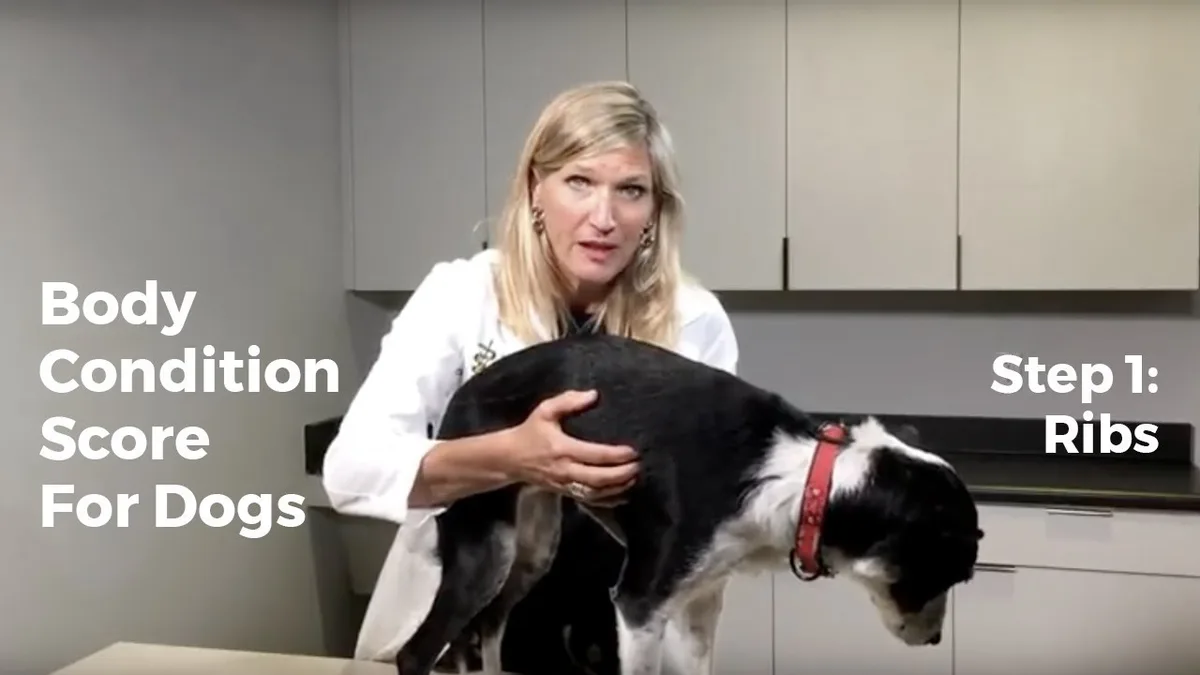
Image source: YouTube / PetCoach (YouTube thumbnail (fair-use with source credit))
When a dog’s score drops to a 3 or lower, they are clinically underweight. At this stage, their ribs, lumbar vertebrae, and pelvic bones become highly visible and have no palpable fat covering them. You will also notice a very dramatic upward tuck in the abdomen when viewing your dog from the side, and a highly pronounced hour-glass shape when looking down at them from above.
Using this visual scale helps you differentiate between a naturally lean dog and one that genuinely needs nutritional intervention. For large, muscular breeds like American Pit Bull Terriers, keeping a close eye on muscle mass is key to preventing joint strain, which we address in our guide to the best dog food brand for pitbulls. Always use the BCS chart as your physical baseline before starting any weight-boosting diet.
Step-by-Step Diagnostic Check: Ruling Out Underlying Medical Causes First
You must rule out internal illness before you try to change your dog’s weight by simply offering more food. If an underlying health issue is causing the weight loss, adding more food to the bowl will not help, and it might even make their symptoms worse.
If you suspect your dog’s thinness is caused by a medical condition, run through this key checklist:
- Schedule a Fecal Flotation Test: Internal parasites like roundworms, hookworms, and whipworms steal digested nutrients directly from your dog’s intestinal tract.
- Conduct a Comprehensive Blood Panel: Your veterinarian can run diagnostic blood tests to check for systemic conditions, such as high liver enzymes, which we discuss in our outline of the best dog food for high liver enzymes.
- Examine the Oral Cavity: Broken teeth, inflamed gums, or oral ulcers can make chewing hard kibble incredibly painful, causing dogs to avoid their meals entirely.
- Check Urination and Thirst Levels: Frequent urination paired with rapid weight loss is a classic indicator of canine diabetes or early-stage renal failure.
If your dog is battling chronic organ issues, their dietary needs change completely. For example, dogs suffering from deteriorating renal function need a strict, low-phosphorus diet rather than general high-protein foods. You can find safe, kidney-friendly recipes in our review of the best food for kidney failure in dogs.
Calorie Density vs. Volume: The Secret to Safe Weight Gain
When owners want their dog to gain weight, their first instinct is often to double the amount of food in the bowl. However, overloading your dog’s stomach with huge, bulky meals usually leads to indigestion, vomiting, or diarrhea. The correct anatomical approach is to increase the calorie density of the food, not the physical volume of the meal.
By feeding your dog nutrient-dense ingredients, they can absorb more calories per bite without overloading their raw digestive capacity. This approach is especially important for dogs struggling with sensitive stomachs or chronic acid reflux. To learn how to deliver highly concentrated nutrition while keeping the digestive tract calm, see our recommendations for the best wet dog food for acid reflux.
Calorie-dense foods rely on healthy fats and highly digestible proteins to supply energy. Fat contains roughly 9 calories per gram, whereas protein and carbohydrates contain only 4 calories per gram. While fats are a great tool for adding healthy weight, you must introduce them carefully to avoid shocking your dog’s digestive system.
Highly Digestible Whole Foods to Safely Add to the Bowl
Using whole-food toppers is an excellent, budget-friendly way to add clean calories to your dog’s regular dry kibble. These fresh additions have high biological value, meaning your dog’s body can easily break down, absorb, and use the nutrients.

Image source: YouTube / Oh, The Things We’ll Make! (YouTube thumbnail (fair-use with source credit))
Here are the safest whole foods you can add to your dog’s feeding routine:
- Plain Canned Pumpkin: Packed with soluble fiber, canned pumpkin regulates digestion and helps keep stools firm when you are introducing richer foods.
- Boiled Skinless Chicken Breast: A highly digestible, low-fat source of pure animal protein that supports lean muscle growth without upsetting the stomach.
- Scrambled or Soft-Boiled Eggs: Boiled eggs contain a complete profile of essential amino acids and healthy fats, making them an excellent protein boost.
- Mashed Sweet Potatoes: These provide clean, gluten-free complex carbohydrates that give active dogs sustained physical energy.
- Low-Fat Cottage Cheese: This dairy addition supplies calcium and digestible proteins, but you should only feed it to dogs who do not have any lactose sensitivities.
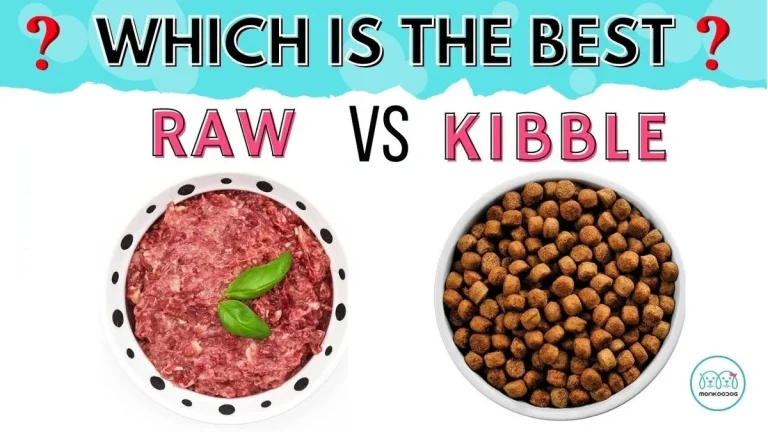
If you are looking for highly nutritious whole-food alternatives to standard kibble, raw diets are another highly digestible option. We evaluate these fresh formulas in our guide on the best raw food for dogs with skin allergies. Always make sure any whole-food toppers are completely unseasoned, free of salt, and served without onion or garlic powder.
When and How to Use Performance Kibble and Puppy Formulas
Commercial puppy food and specialized performance kibble are the most reliable options for helping an underweight dog rebuild muscle. These diets are specifically formulated with concentrated levels of amino acids and fats to support rapid muscle growth and high-calorie output. If you try to gain weight using cheap, poorly formulated food, your dog will struggle to build healthy tissue.
Our research shows that highly active breeds, such as hunting dogs or working mixes, do best on performance dry formulas designed for endurance. If you want to know what to look for when choosing these high-calorie foods, you can read our breakdown of what dog food has the highest protein. These premium diets pack more calories into every cup, meaning your dog does not need to eat massive, uncomfortable volumes of dry food.
For growing breeds that struggle to maintain a healthy bone-to-muscle ratio, selecting a customized recipe is essential. If you are raising a larger working breed, our guide on the best food for Bernese Mountain Dog puppy offers a great example of balanced, growth-supporting nutrition. These high-protein options ensure young dogs gain structural muscle rather than unhealthy visceral fat.
Step-by-Step Process for a Safe Dietary Transition
To transition your dog to a higher-calorie diet safely, you must change their food gradually over a full 10-day period. Shifting a dog to a rich, fat-dense recipe overnight almost always shocks their digestive system, leading to acute diarrhea and rapid fluid loss. This setback can actually cause your dog to lose more weight than they originally needed to gain.
To keep their digestive tract stable during this change, follow this systematic schedule:
- Days 1 to 3: Serve 75% of your dog’s original kibble mixed with 25% of the new, high-calorie food.
- Days 4 to 6: Mix a 50/50 ratio of both the old and new foods in their bowl.
- Days 7 to 9: Feed 25% of the original diet mixed with 75% of the new nutrient-dense food.
- Day 10 and beyond: Transition fully to 100% of the new high-calorie diet.
During this transition, you should also consider how you are serving the meals. Choosing the right bowl can reduce swallowed air and relieve physical strain on your dog, especially if they are highly eager to eat. You can read our round-up of the best food bowls for dogs reviews to find a comfortable option for their new feeding routine.
The Danger of High-Fat Table Scraps and Acute Pancreatitis
Feeding your dog greasy table scraps, butter, or fatty meat trimmings is highly dangerous and can trigger acute pancreatitis. The canine pancreas is not designed to process sudden, concentrated doses of saturated fats. When overloaded with these greasy foods, the pancreas can become severely inflamed, causing intense abdominal pain, persistent vomiting, and dehydration.
This serious clinical risk illustrates why simply adding human table scraps to your dog’s bowl is never a safe way to help them gain weight. If you have an active hound breed or a high-energy spaniel, you should focus on feeding clean, structured nutrients. You can find safe, balanced recipes in our diagnostic. Look at the best dog food for English Springer Spaniel.
If your dog develops pancreatitis, they will need immediate veterinary treatment and a strict, low-fat recovery diet. To keep their digestion safe, you should only use veterinary-approved fats, like wild-caught salmon oil or cold-pressed coconut oil, measured out in very small, controlled doses.
Safe Additions vs. Dangerous Pitfalls: A Side-by-Side Comparison
When trying to increase your dog’s calorie intake, you have to be very careful to separate safe ingredients from toxic hazards. Many human foods that help us gain weight can easily compromise a dog’s red blood cells, kidneys, or digestive tract.
| Nutritional Source | Safe Canine Option | Dangerous Human Pitfall |
|---|---|---|
| Proteins | Boiled skinless chicken, lean ground turkey, scrambled egg | Bacon, sausage, seasoned ribs, raw pork trimmings |
| Carbohydrates | Plain canned pumpkin, skinless sweet potato, oatmeal | Sweet baked goods, seasoned stuffing, onions, and garlic |
| Healthy Fats | Salmon oil, organic virgin coconut oil, flaxseed oil | Butter, lard, heavy cooking creams, vegetable shortening |
| Dairy Boosters | Plain low-fat Greek yogurt, unseasoned cottage cheese | Sweetened yogurt, cheese dips, and highly processed cheeses |
For specific breeds that need precise, sensitive nutrition, like flat-faced dogs prone to gassiness and weight fluctuation, customized ingredient lists are crucial. You can find tailored recommendations in our guide on the best dry dog food for English bulldogs. Keeping your ingredient choices clean prevents painful gas and abdominal discomfort.
Essential Safety Protocols: Toxic Ingredients and Additives to Avoid
You must carefully inspect the ingredient labels of any human foods or supplements before adding them to your dog’s food bowl. Many manufacturers use artificial additives and preservatives that are perfectly safe for humans but highly toxic to dogs.
When choosing whole-food toppers, make sure to avoid these dangerous chemicals:
- Xylitol (Birch Sap Sweetener): Often found in peanut butters and diet yogurts under names like wood sugar or birch extract, this sweetener causes a rapid, life-threatening drop in canine blood sugar.
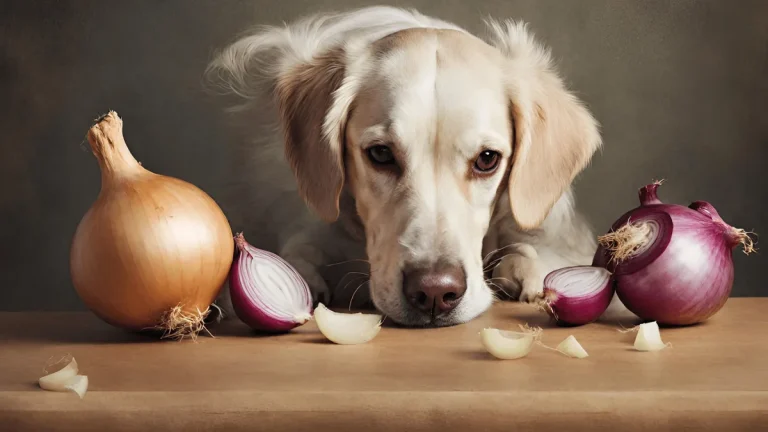
- Allium Seasonings (Garlic and Onion): These are common in savory broths and pre-seasoned meats, and they destroy a dog’s red blood cells, causing dangerous hemolytic anemia.
- Grape and Raisin Products: Even tiny amounts can cause sudden, irreversible kidney failure in dogs.
- Macadamia Nut Butter: Often used as a high-fat spread for human snacks, this nut causes temporary paralysis, weakness, and joint swelling in dogs.
For older dogs with specific nutritional issues, like those who chew their paws due to systemic allergies, keeping ingredients clean is even more critical. You can learn more about managing these sensitive cases in our review of the best dog food for dogs that chew their feet. Avoiding toxic additives keeps your dog’s immune system strong, allowing them to focus their energy on building healthy, lean muscle.
Tracking Progress: Metrics for Measuring Healthy Muscle Recovery
Measuring your dog’s weekly physical progress ensures they are gaining healthy muscle rather than excessive body fat. Relying only on a basic bathroom scale can be misleading, as your dog’s hydration level and meal times cause daily weight fluctuations. Instead, record their weight on the same scale, at the same time of morning, once every seven days.
For a safe and steady recovery, aim for a weight gain rate of 1% to 2% of their total body weight per week. For example, a 50-pound dog should safely gain about half a pound to one pound weekly. If your dog is a small breed, keep a close eye on their physical changes.
You can discover specialized nutritional options in our review of the best food for senior small dogs.
Alongside weekly weigh-ins, check their muscle thickness around the shoulders and hindquarters. If their ribs are starting to feel less prominent but their energy remains high, your calorie adjustments are working perfectly. For larger breeds that are growing older, keeping a close eye on this balance prevents joint stress.
You can check our guide to the best dog food for large breed senior dogs to see how to balance their nutrition.
FAQs: Common Veterinary Questions Answered
How long does it take for a dog to safely gain weight?
A dog can safely show visible physical improvement within three to four weeks of beginning a calorie-dense diet. Building healthy skeletal muscle is a gradual process that relies on steady, weekly weight increases of 1% to 2%. Attempting to speed up this timeline by overfeeding leads to bloating, indigestion, and excess body fat.
Can I give my dog peanut butter to help them gain weight?
Yes, you can feed your dog plain, unsalted peanut butter as a high-calorie supplement, provided it does not contain the toxic sweetener xylitol. Peanut butter is highly dense in fats and proteins, but you should only use it in moderation. Limit your portion to a single teaspoon for small dogs or a tablespoon for larger breeds.
Why is my dog eating more food but still losing weight?
Your dog may be losing weight despite eating plenty of food due to underlying issues like internal parasites, metabolic conditions, or malabsorption. Intestinal worms or diseases like canine diabetes prevent the body from processing nutrients. Schedule a checkup with your vet to run a blood panel and a fecal test before changing their diet.
Is wet food better than dry kibble for canine weight gain?
Wet food is often better for stimulating a stubborn appetite because it has a stronger aroma and higher palatability than standard dry kibble. However, dry food contains more calories per cup because it lacks water weight. For the best results, mix a high-quality wet food topper into a dense, performance-grade kibble.
Can senior dogs with missing teeth eat high-calorie food?
Yes, senior dogs with dental issues can safely eat high-calorie diets if you soften the food with warm water or unseasoned beef broth. This makes the kibble easy to chew and swallow without causing oral pain. For more solutions, read our guide on the best food for senior dogs with bad teeth.