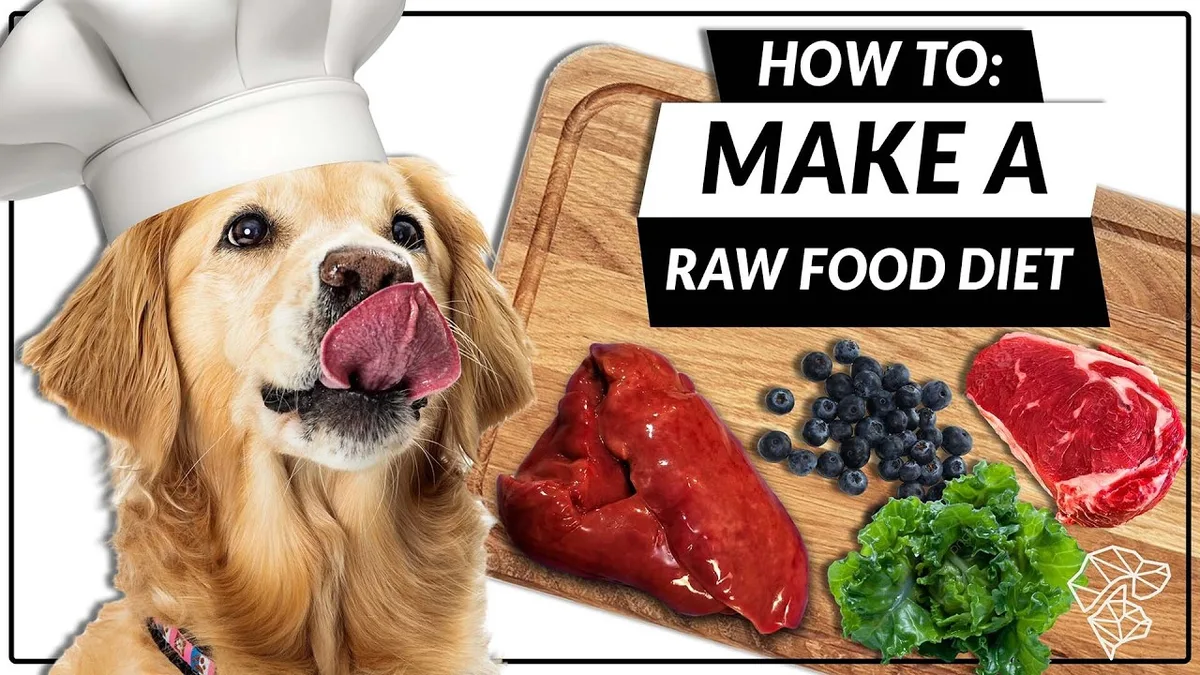
How to Start Raw Food Diet for Dogs: Easy Guide
You’ve heard the claims about raw dog food. Shiny coats, cleaner teeth, better energy. But you’ve also heard the warnings.
Bacteria. Bone splinters. Nutritional disasters.
So what’s the truth? If you’re searching for how to start raw food diet for dogs, you’re probably caught between the hype and the horror stories. This guide lays out what the research actually says, without the dogma.
The foundation of most raw diets is the 80/10/10 ratio. That’s 80% muscle meat, 10% edible bone, and 10% organ meat (half of that liver). As of 2026, the American College of Veterinary Nutrition still advises caution, but also acknowledges that properly formulated raw diets can meet AAFCO nutrient profiles.
The keyword is “properly.” Let’s break down where that number comes from and, more importantly, how to get it right the first time. Looking for top-rated options? Read our Best Dog Food for Protein-Losing Enteropathy guide.
Why Accuracy Matters (Not Just a Fad)
Raw feeding isn’t a trend you can half-ass. Get the ratios wrong, and you’re not just wasting money. You’re setting your dog up for a real health crisis.
Too much liver causes vitamin A toxicity. Too little calcium leads to a soft jaw and brittle bones. Too much bone packs the colon like concrete.
This is why the “just throw some chicken legs in a bowl” approach terrifies veterinarians. Per FDA guidelines, raw meat carries a real risk of Salmonella and E. coli. Your dog’s stomach acid is strong enough to handle most of it.
But your kitchen counter, your kids, and your other pets aren’t so lucky.
So accuracy matters. Not because raw feeding is inherently dangerous, but because sloppy execution is. You need to treat this like a dietary prescription, not a cooking experiment.
Quick Answer
Start by consulting a veterinarian. Choose a balanced recipe (80/10/10). Source fresh muscle meat, edible bone, and organ meat.
Introduce it slowly over 7 to 10 days. Monitor stool and energy levels closely.
The Core Facts: What Raw Feeding Actually Is
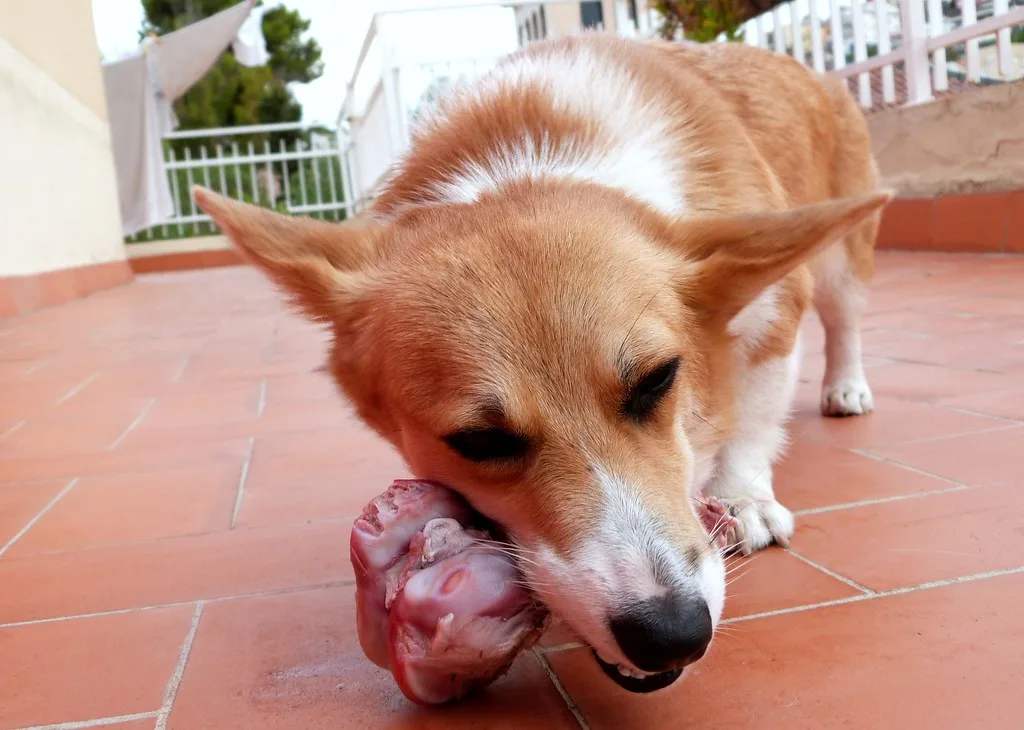
Raw feeding means exactly what it sounds like. You feed your dog uncooked muscle meat, organ meat, and raw bones. No grains.
No fillers. No heat processing.
There are two main schools of thought here. The Biologically Appropriate Raw Food (BARF) model includes some fruits and vegetables. Think blended spinach, blueberries, and pumpkin.
The Prey Model Raw (PMR) approach sticks closer to what a wolf would eat. Meat, bone, and organ. That’s it.
Both models agree on the core ratio. 80% muscle meat. 10% raw edible bone. 5% liver. 5% other secreting organ (kidney, spleen, pancreas).
The science backs the logic. Dogs produce amylase in their pancreas, but very little in their saliva. They’re built to digest protein and fat, not carbohydrates.
A raw diet removes the carbohydrate load entirely. Proponents argue this matches the evolutionary biology of a carnivore. Critics point out that domestic dogs have evolved somewhat alongside humans.
The truth probably sits in the middle.
One thing is clear. The ingredients in a raw diet are whole and unprocessed. You control exactly what goes in the bowl.
For dogs with food sensitivities, that alone can be a game-changer.
Risk Factors You Need to Know Before Starting
Let’s be honest about the downsides. They’re real, and they matter.
Bacterial contamination is the big one. A 2020 study from the FDA found that raw pet food tested positive for Salmonella in about 15% of samples. E. coli showed up even more often. Most healthy adult dogs can handle this.
Their stomach pH sits around 1 to 2, which kills most pathogens. But if you have young children, elderly people, or anyone immunocompromised in the house, the risk of cross-contamination is substantial.
Nutritional imbalance is the second risk. The 80/10/10 ratio is a starting point, not a guarantee. Every dog has different needs. A growing puppy needs a different calcium-to-phosphorus ratio than a senior dog.
A working breed needs more protein. A dog with kidney disease needs less phosphorus. Without proper formulation, deficiencies can creep in over months or years.
Blockages are a real concern. Raw bones are generally safer than cooked ones, which splinter. But a bone that’s too small can be swallowed whole. A bone that’s too large can cause constipation or, in rare cases, an intestinal blockage.
Size matters enormously.
Cost and commitment are often underestimated. High-quality raw meat costs more than kibble. Freezer space becomes a premium.
And you can’t just grab a bag of kibble when you’re running late. Raw feeding requires planning.
If you’re already dealing with a picky eater or a dog with a sensitive stomach, the transition can be rough. Switching diets too fast can cause vomiting and diarrhea. That’s true for any diet change, but raw seems to trigger it more dramatically.
Safe Practices: The Non-Negotiables
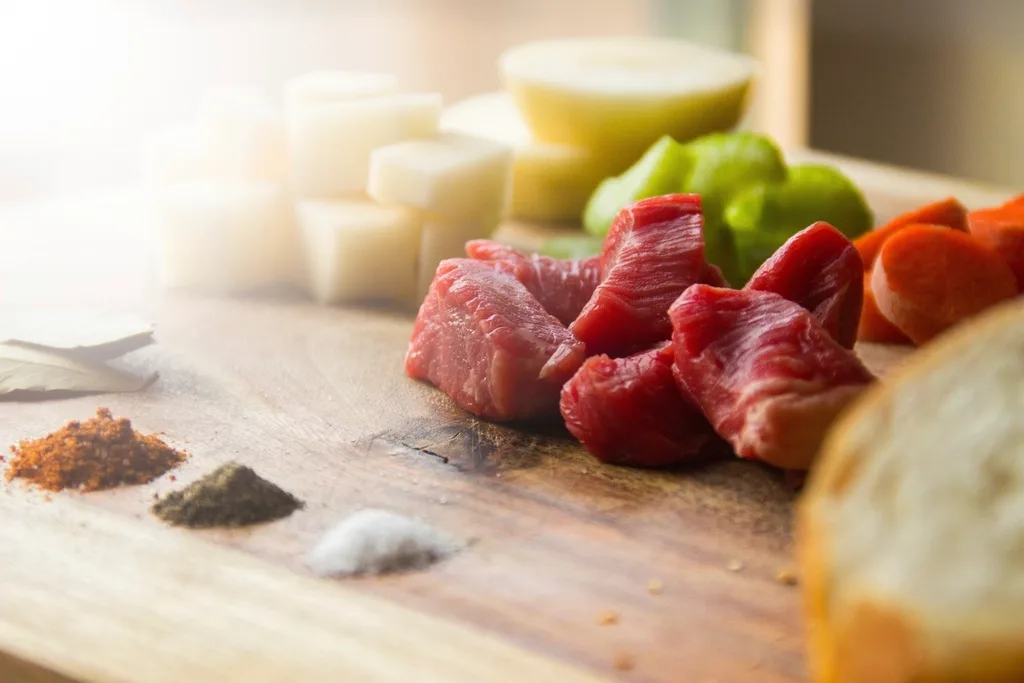
If you’re going to do this, do it safely. These rules aren’t optional. They’re the difference between a healthy dog and a sick household.
| Practice | What to Do | Why It Matters |
|---|---|---|
| Thawing | Always thaw in the fridge, never on the counter | Keeps bacteria growth below 40°F |
| Prep surface | Use a dedicated cutting board for raw meat only | Prevents cross-contamination to human food |
| Cleaning | Sanitize with a bleach solution (1 tbsp per gallon of water) | Kills Salmonella and E. coli on contact |
| Storage | Freeze portions for up to 6 months; refrigerate for 3 days max | Maintains freshness and safety |
| Handling | Wash your hands thoroughly after every contact with raw meat | Protects you and your family |
| Feeding bowls | Wash in hot soapy water or run through the dishwasher | Removes bacterial biofilm |
Your dog’s stomach is a powerful tool. But your kitchen sponge isn’t. Treat raw meat preparation the same way you’d handle raw chicken for yourself.
Actually, be stricter. You’re doing this every day.
A note on bone safety. Always feed raw bones that are large enough that your dog can’t swallow them whole. A chicken wing is fine for a small dog. A beef marrow bone is better for a large breed.
Supervise every bone meal until you’re confident in your dog’s chewing style. Some dogs are gulpers. They need ground bone, not whole pieces.
If you’re cooking for a dog with specific health issues like kidney problems, you’ll need to be even more careful with protein and phosphorus levels. That’s where a veterinary nutritionist becomes essential, not optional.
Start with one protein source for the first week. Chicken is the most common and most affordable. See how your dog’s stool, energy, and coat respond before adding variety.
That’s the safest way to isolate any problems.
Step-by-Step Guide to Transitioning Your Dog
You’ve done the research. You’ve bought the meat. Now comes the actual switch.
This part matters more than the recipe itself.
The transition period typically takes 7 to 14 days. Rushing it is the number one reason new raw feeders give up. Your dog’s gut microbiome needs time to adjust to a radically different food source.
Kibble is mostly carbohydrates and plant protein. Raw is fat, animal protein, and moisture. That’s a shock to the system.
Days 1 to 3. Start with 25% raw mixed into 75% of their current food. Pick a single protein source. Chicken thighs or ground turkey work well.
Keep the bone content low at this stage. A little ground bone is fine. Whole bones come later.
Days 4 to 6. Move to 50% raw and 50% old food. Your dog’s stool will likely soften. That’s normal.
If it turns into full diarrhea, hold at the current ratio for another two days before moving up. Never push through loose stool.
Days 7 to 10. Go to 75% raw and 25% old food. Add the full 10% bone content now if you’ve been holding back. Watch for constipation.
If your dog strains to poop, you’ve added too much bone too fast. Dial it back to 5% for a few days.
Day 10 to 14. Full raw. Your dog should be on 100% raw by now. Stool should be small, firm, and dark.
That’s the hallmark of a well-digested raw diet. Large, soft, or yellowish stool means something is off.
What about meal timing? Feed twice a day for adult dogs. Puppies need three or four smaller meals.
A 12-hour gap between meals gives the stomach time to empty and reset its acid levels. That acid is your dog’s best defense against bacteria.
If you’re switching from a high-protein kibble, the transition can be smoother. If your dog has been eating grocery store kibble with grains and fillers, expect a few days of gassiness and loose stool. That’s the gut flora changing over.
It passes.
Our research shows that dogs who transition slowly are far less likely to refuse the new food. A sudden switch triggers suspicion. Dogs are creatures of habit.
Give them time to trust the new bowl.
Common Mistakes to Avoid
Even experienced raw feeders slip up sometimes. Here are the pitfalls that trip up most beginners.
Feeding too much organ meat. Liver is nutrient-dense. A tablespoon for a small dog per day is plenty. Too much causes loose, yellow-orange stool and can lead to vitamin A toxicity over time.
Stick to the 5% rule.
Using cooked bones. This is dangerous. Cooking changes the bone structure. It becomes brittle and splinters into sharp shards that can perforate the intestine.
Raw bones are pliable. Cooked bones are a trip to the emergency vet.
Skipping variety. Feeding only chicken for months creates a nutrient gap. Chicken is low in certain B vitamins and minerals. Rotate proteins every week.
Beef, turkey, lamb, rabbit, and fish all bring different nutrient profiles. A varied diet is a balanced diet.
Ignoring your dog’s individual needs. The 80/10/10 ratio is a template, not a law. A senior dog with arthritis might need more omega-3s from fish. A working dog needs more fat for energy.
A dog with pancreatitis needs very low fat. You have to adjust. The ratio is the starting point, not the finish line.
Not weighing portions. Eyeballing raw meat leads to overfeeding or underfeeding. Use a kitchen scale. For an adult dog, the general rule is 2% to 3% of their ideal body weight per day.
A 50-pound dog gets 16 to 24 ounces total per day. That’s across both meals.
Forgetting about calcium balance. If you feed boneless meat without adding a calcium source, you’re asking for trouble. Dogs need a calcium-to-phosphorus ratio close to 1.2:1. Without bone or a supplement, you get too much phosphorus and not enough calcium.
That pulls calcium from the bones over time.
Adding too many vegetables. The BARF model includes veggies, but they should be blended or pureed. Whole vegetables pass through undigested. A dog’s digestive tract isn’t designed to break down plant cell walls.
Puree or skip them entirely.
When to Seek Help from a Vet or Nutritionist
Raw feeding doesn’t mean going it alone. There are times when professional input isn’t optional. It’s essential.
Before you start. A baseline blood test tells you where your dog stands. Kidney values, liver enzymes, and pancreatic function all matter. A dog with early kidney disease needs a lower phosphorus diet.
A dog with exocrine pancreatic insufficiency needs enzyme supplementation. You can’t know these things without bloodwork.
If your dog has a chronic condition. Diabetes, kidney disease, pancreatitis, epilepsy, and cancer all change what a safe raw diet looks like. A board-certified veterinary nutritionist (DACVIM or DACVN) can formulate a recipe that supports treatment. Your general practice vet may not have this training.
Don’t be afraid to ask for a referral.
If your dog is a puppy. Growing dogs have different calcium requirements than adults. Too much or too little calcium causes skeletal deformities. The margin for error is narrow.
Work with a veterinary nutritionist who specializes in growth diets. The cost is worth avoiding hip dysplasia and angular limb deformities.
If your dog refuses to eat for more than 24 hours. Some dogs are stubborn about new food. But a full day without eating can lead to hypoglycemia in small breeds. Three days can cause hepatic lipidosis.
If your dog won’t eat raw after a gradual transition, consult your vet. There may be an underlying issue.
If you see persistent digestive problems. A few days of loose stool during transition is normal. Two weeks of diarrhea is not. Blood in the stool, vomiting, or dramatic weight loss all warrant a vet visit.
Raw feeding should improve health. If it worsens, something is wrong. See our Best Wet Dog Food for Acid Reflux for more tips.
The American College of Veterinary Nutrition maintains a directory of board-certified specialists. That’s a good place to start. Many offer remote consultations and can review your recipe without you traveling anywhere.
Costs and Data: What to Expect
Raw feeding is more expensive than kibble. How much more depends on your protein choices and source.
| Protein Source | Cost per Pound (Approx.) | Notes |
|---|---|---|
| Whole chicken | $1.50 to $3.00 | Most affordable; good starter protein |
| Ground turkey | $3.00 to $5.00 | Leaner than chicken; good for weight management |
| Beef trim | $4.00 to $7.00 | Higher fat content; good for active dogs |
| Lamb | $5.00 to $9.00 | Good for dogs with poultry allergies |
| Rabbit | $8.00 to $12.00 | Novel protein; hard to find in some areas |
| Venison | $9.00 to $15.00 | Very lean; best for protein-sensitive dogs |
A 50-pound dog eating 2.5% of body weight per day needs about 17.5 ounces of food. At $4 per pound average, that’s roughly $4.38 per day or $130 per month. Compare that to a premium kibble at $2 to $3 per day.
The difference adds up.
But there are savings too. Raw-fed dogs produce smaller stools. That means less waste and fewer poop bags.
Dental cleanings may be less frequent because raw bones clean teeth mechanically. Some owners report lower vet bills overall, though this is anecdotal and depends on the dog.
Bulk buying helps. A whole chicken costs less per pound than chicken parts. A case of chicken backs from a butcher costs pennies per pound.
Freezer space is the limiting factor. A chest freezer pays for itself within a year for a medium or large dog.
Commercial raw food is another option. Freeze-dried raw and frozen raw patties cost more than DIY but save time. A 5-pound bag of commercial raw runs $15 to $30.
For a small dog, that’s manageable. For a large breed, DIY is the only way to keep costs reasonable.
Verified Summary: Is Raw Right for Your Dog?
Raw feeding works well for many dogs. It also fails for some. The difference is in the preparation, not the philosophy.
Dogs with confirmed food allergies often improve dramatically on raw. The ingredient list is short and transparent. You control every variable.
Dogs with skin issues, chronic ear infections, and inflammatory bowel disease frequently show improvement within weeks.
But raw feeding requires consistency. You can’t batch prep for a month, then get lazy and switch back to kibble. The digestive system adapts to raw.
Switching back and forth causes stress on the gut. If you travel frequently or have an unpredictable schedule, raw may not fit your lifestyle.
The science supports raw feeding when done correctly. A properly formulated raw diet meets AAFCO nutrient profiles. Studies show improved dental health and better digestibility compared to kibble.
But no major veterinary organization endorses raw feeding as superior. The AVMA’s official stance is one of caution due to bacterial risks and nutritional imbalance concerns.
Here’s the honest bottom line. If you’re willing to learn the ratios, invest in a freezer, source quality meat, and handle it safely, raw feeding can be a fantastic choice. If you’re looking for something quick and convenient, stick with a high-quality commercial diet.
There’s no shame in that.
Your dog’s health depends on your consistency, not the label on the bag. Choose the approach you can maintain long-term. That’s what matters most.