How to Transition Dog to Raw Food Step by Step
Switching your dog’s diet from commercially processed kibble to a biologically appropriate raw food diet is one of the most significant wellness decisions you can make. Understanding how to transition a dog to raw food safely ensures that your companion avoids the sudden digestive distress, vomiting, or nutrient imbalances that often happen during a rushed dietary switch.
In our research of veterinary guidelines, a successful dietary transition relies on respecting your dog’s ancestral biology, while carefully managed steps are taken. Feeding raw requires a clear, practical approach backed by established canine nutrition standards, such as those published by the Association of American Feed Control Officials as of 2026.
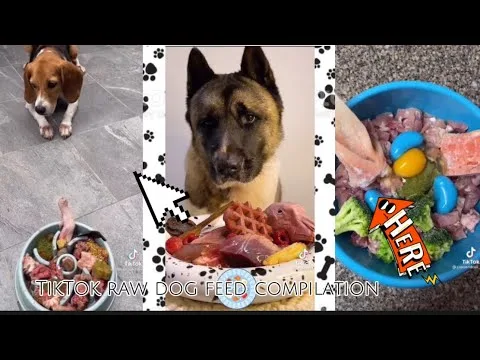
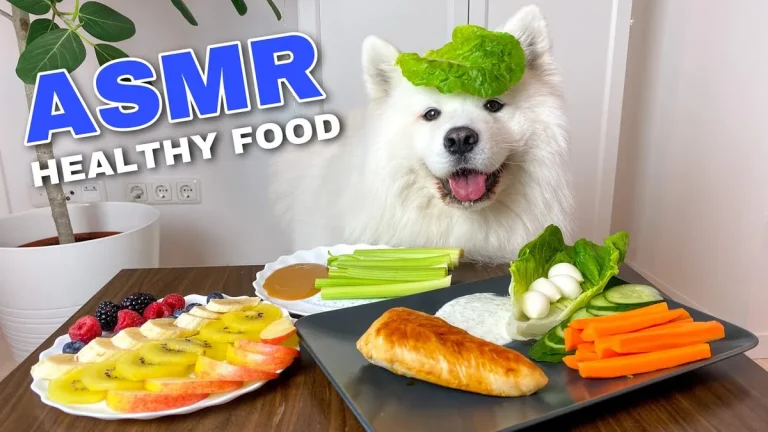
Image source: YouTube / Primal Pets (YouTube thumbnail (fair-use with source credit))
Quick Answer
To transition a dog to raw food, feed their normal food on day one, fast them for 12 to 24 hours, and then introduce a single, lean protein like bland turkey. Feed this single source for one week before slowly adding new proteins. Monitor their stools daily to ensure successful digestion.
Why Getting This Transition Right Matters for Your Dog’s Health
Preparing raw meals is not as simple as placing raw chicken breasts from the local supermarket into a bowl. When done incorrectly, an abrupt change can trigger severe acute gastroenteritis, manifesting as intense diarrhea, painful cramping, or dehydration.
A gradual approach gives the canine gut microbiome time to adjust. The beneficial bacteria that digest processed carbohydrates are very different from the microbes needed to process raw meat, bones, and organs.
Additionally, long-term health risks like skeletal issues or systemic organ strain can occur if you do not strictly balance essential minerals. For example, if you feed a growing pup a diet lacking proper calcium, they can develop metabolic bone disease. Taking your time with this transition protects your dog’s internal organs while their stomach environment adapts to processing fresh, live nutrients.
The Core Science: Understanding Your Dog’s Digestive System and Gastric pH
A pet’s body is built to process raw meat, but years of eating dry kibble can alter its natural defenses. To successfully make the switch, it helps to understand how the canine digestive tract operates under different feeding routines:
- Acidity Levels: A kibble-fed dog typically has a gastric pH of around 2.5 to 3.5, which is not acidic enough to quickly break down raw bones or neutralize harmful bacteria. A raw-fed dog possesses a highly acidic stomach with a gastric pH of 1 to 2, similar to battery acid.
- Anatomical Structure: Dogs have a short, smooth, highly efficient digestive tract designed to move raw meat through the body within 4 to 8 hours, preventing colonizing bacteria from multiplying.
- Enzymatic Activity: The canine pancreas produces specific enzymes, like protease and lipase, designed to break down target proteins and animal fats instead of complex plant starch.
When you begin the transition, you must give your dog’s stomach time to lower its pH back to its natural, highly acidic state. This natural acidity is their primary defense mechanism, allowing them to digest bone tissue safely and destroy common pathogens before they can do harm.
Choosing Your Transition Strategy: Cold Turkey vs. The Gradual Method
There are two primary ways to introduce a raw diet, and the right choice depends on your dog’s age, breed, and current health status.
The Cold Turkey Method
This method involves fasting your dog for 12 to 24 hours to empty their digestive tract, then introducing a 100% raw meal the following morning.
This approach is highly effective for young, resilient dogs, such as those accustomed to eating high-protein ingredients without experiencing digestive issues. However, older dogs or those prone to chronic acid reflux may struggle with a sudden, complete change.
The Gradual Method
The gradual method slowly introduces the new raw food alongside their current diet over a period of 7 to 10 days.
This is the safest path for senior pets, dogs with sensitive stomachs, or those recovering from illness. During this transition, keep in mind that dry kibble and raw meat digest at different rates. If you choose a gradual transition, it is best to feed kibble for breakfast and raw food for dinner, keeping the two meals spaced at least 12 hours apart.
| Transition Feature | Cold Turkey Method | Gradual Method (7–10 Days) |
|---|---|---|
| Fasting Required | Yes (12 to 24 hours) | No |
| Best For | Young, healthy dogs | Sensitive, senior, or compromised dogs |
| Digestive Risk | Higher risk of loose stool on day one | Minimal risk of stomach upset |
| Meal Planning | Simple, immediate shift | Requires dual-diet calculations |
Choosing the right approach depends on your dog’s specific needs. For example, if you are caring for a mother dog recovering from whelping, a slow and gentle transition is usually much safer than a sudden cold-turkey switch.
Step-by-Step: The 10-Day Gradual Transition Blueprint
For most pet owners, a controlled, step-by-step transition over 10 days is the safest way to avoid digestive issues. This structured schedule gives your dog’s digestive system plenty of time to adapt:
- Days 1 to 3: Feed 75% of your dog’s calculated daily calories as their old dry food in the morning, followed by 25% of their daily calories as raw food in the evening, keeping the meals 12 hours apart.
- Days 4 to 6: Move to a 50/50 split, feeding half of their daily calories as old food for breakfast and the other half as raw food for dinner.
- Days 7 to 9: Transition to 25% of their daily calories as old food in the morning and 75% as raw food in the evening.
- Day 10: Discontinue the old food entirely and transition to 100% raw food, split into morning and evening meals.
Throughout this process, monitor your dog’s behavior and energy levels. If you notice soft stools at any stage, keep the ratios the same for an extra two to three days before increasing the amount of raw food.
The Baseline Formulation: Understanding the 80/10/10 BARF Metric
A balanced raw diet relies on precise mathematical ratios to ensure your dog receives all the essential vitamins, minerals, and fatty acids they need to thrive.
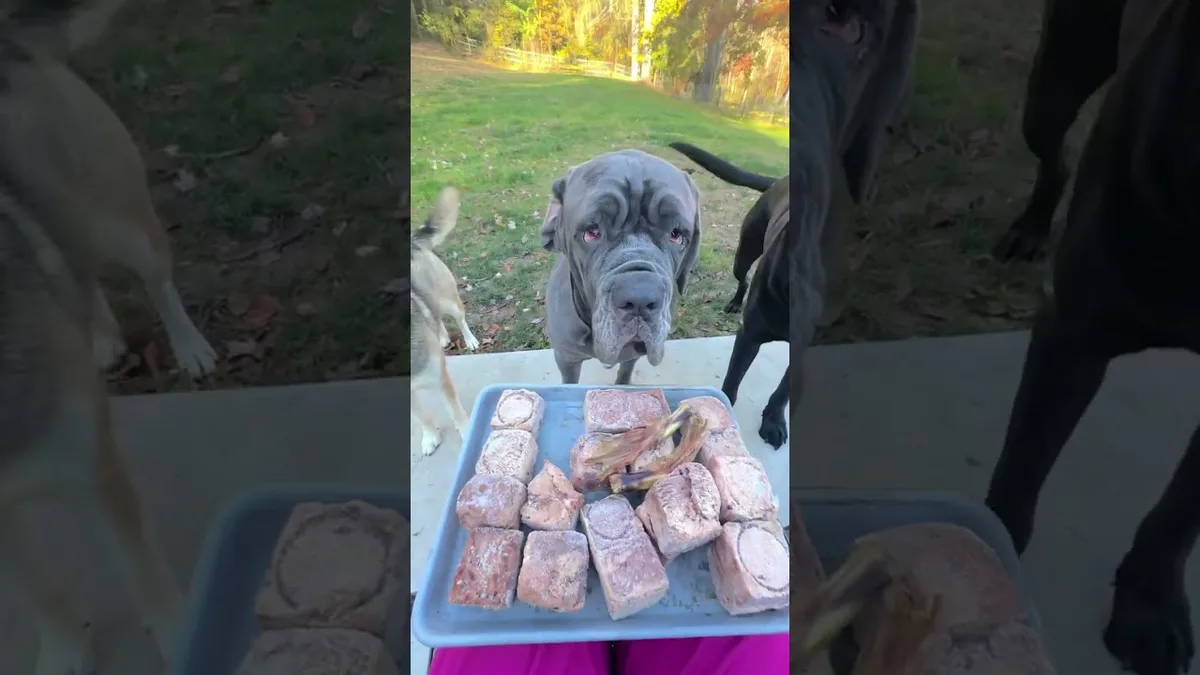
Image source: YouTube / Taylor 👩🏼 (YouTube thumbnail (fair-use with source credit))
The Biologically Appropriate Raw Food (BARF) guidelines recommend a baseline ratio of 80/10/10:
- 80% Muscle Meat: This serves as the primary source of protein, essential amino acids, and calories. It includes skeletal muscle, tongue, lung, trachea, and gizzards. Heart meat is also counted as muscle meat due to its rich protein profile.
- 10% Raw Bone: This supplies vital calcium, phosphorus, and trace minerals. Suitable options include soft, pliable, raw meaty bones that can be completely consumed.
- 10% Organ Meat: This must be split into 5% liver and 5% other secreting organs (such as kidneys, spleen, pancreas, or brain) to provide necessary fat-soluble vitamins and iron.
You can prepare these balanced meals at home using raw ingredients, or you can buy pre-packaged commercial raw patties that are pre-formulated to meet these precise nutritional standards. If you are feeding a dog with specific health concerns, such as signs of renal disease, you may need to adjust these ratios under veterinary supervision to lower their phosphorus intake.
Selecting Your Starter Protein: Why Turkey and Chicken Rule Week One
Choosing the right starter protein is the most critical decision you will make during the first seven days of the transition. Chicken and turkey are highly recommended as introductory proteins because they are incredibly lean, naturally bland, and exceptionally easy for a compromised digestive tract to process.
If you start with rich, fatty meats like beef, pork, or wild game, you run a high risk of triggering acute pancreatitis or severe diarrhea. Poultry provides a gentle baseline that allows your dog’s stomach acidity to gradually increase without overworking the pancreas. Highly digestible proteins are especially crucial if you are transitioning a dog with historical gut sensitivities, such as dogs that suffer from protein-losing enteropathy symptoms.
Stick to your chosen poultry source exclusively for at least seven full days. Once your dog is producing consistently firm, dark, well-formed stools, you can gradually introduce a second protein over the course of three to four days.
If your dog has a known poultry allergy, rabbit or lamb can serve as an excellent, hypoallergenic alternative starter protein.
How to Handle Organ Meat and Raw Meaty Bones Safely
Raw meaty bones and organs are the foundational components that transform a simple portion of meat into a complete, balanced meal. However, feeding bones and organs requires strict adherence to safety rules to prevent physical injury or digestive distress.
Guidelines for Raw Meaty Bones
- Never feed cooked bones: Cooking changes the cellular structure of bone tissue, making it brittle and prone to splintering, which can pierce your dog’s stomach wall or intestines.
- Match bone size to your dog’s breed: Appropriate choices for small dogs include chicken necks, chicken wings, or duck feet. For larger breeds, opt for chicken frames, turkey necks, or lamb ribs.
- Avoid dense weight-bearing bones: Large beef marrow bones or knuckle bones are highly mineralized and can easily fracture a dog’s teeth. These should only be used as recreational bones, not as consumable raw meaty bones.
Tips for Introducing Organ Meat
Organ meat is incredibly rich in fat-soluble vitamins, meaning a sudden introduction can quickly cause dark, watery stools. Introduce organs slowly, starting with a sliver of liver on day eight of your transition.
If you notice loose, runny stools after adding organs, temporarily reduce the portion size and increase the raw bone content slightly. Bone acts as a natural binder in the canine digestive tract, helping to firm up their poop.
Managing the Detoxification Phase: What is Normal and What Isn’t
As your dog’s body sheds the chemical residues, synthetic additives, and heavy starches left behind by a lifetime of dry kibble, they will enter a temporary detoxification phase. This physical transition can be alarming to watch, but most symptoms are simply signs of the immune and digestive systems rebalancing themselves.
Common Signs of Detox
During the first two to six weeks, you might notice your dog shedding their coat excessively. This is a normal process as they dump their dry, brittle fur to make room for a thick, soft, and glossy new coat.
You may also observe a temporary increase in eye discharge, wax buildup in the ears, or a distinct, yeast-like skin odor. These symptoms should naturally resolve within a few weeks as their immune system stabilizes.
Monitoring Stool Changes
Your dog’s stool will change dramatically when you switch them to a raw food diet. Because their body is now absorbing almost all of the nutrients you feed them, their poop will be up to 75% smaller, much firmer, and virtually odorless.
It is completely normal to see a thin, jelly-like mucus sheath wrapping the stool during the first week. This is simply the old, built-up mucus lining of the colon shedding as the gut biome transitions to a healthier state.
However, if you observe consistent lethargy, projectile vomiting, or dark blood in the stool, contact your veterinarian immediately. These are not standard detox symptoms, and they require professional medical attention.
Critical Mistakes to Avoid: From Cooked Bones to Calcium Deficiencies
Even the most well-meaning pet owners can make critical errors when learning how to transition their dog to raw food. Overlooking these essential guidelines can lead to long-term skeletal damage, nutritional deficiencies, or severe physical choking hazards:
- Underfeeding Raw Meaty Bones: Skipping raw bones altogether leads to an immediate calcium deficiency. Without systemic calcium from bone tissue, your dog’s body will begin pulling calcium directly from its own skeleton to maintain heart and muscle function.
- Overfeeding Organ Meat: Feeding too much liver or kidney can quickly cause vitamin A toxicity, which leads to joint pain, bone spurs, and lethargy. Keep organs capped strictly at 10% of their total daily intake.
- Transitioning Too Quickly: Rushing your pet through the process can overwhelm their digestive tract. For example, a senior dog with few or no teeth needs a very slow transition using finely ground raw diets rather than whole bones to prevent choking.
- Ignoring Safe Sourcing: Sourcing wild game or poorly handled meat can expose your pet to harmful parasites. Always freeze wild game for at least three weeks at -4 degrees Fahrenheit to kill any active microscopic pathogens before feeding.
Paying close attention to these common pitfalls will keep your dog safe and comfortable as their body adjusts.
Pathogen Control and Safe Kitchen: Kitchen Hygiene Protocols for Humans
Your dog’s stomach is highly acidic and naturally equipped to handle common environmental bacteria like Salmonella or Listeria without getting sick. However, your own digestive system is highly vulnerable to these same pathogens, making strict kitchen hygiene a top priority.
Food Prep and Storage Rules
Treat your dog’s raw food with the same care you would use when preparing a raw chicken dinner for your human family. Always thaw frozen raw meals inside your refrigerator rather than leaving them out on the kitchen counter, where bacteria can quickly multiply at room temperature.
Store raw pet food in airtight, leak-proof containers on the bottom shelf of your fridge to prevent raw juices from dripping onto your own food.
Selecting the Right Feeding Tools
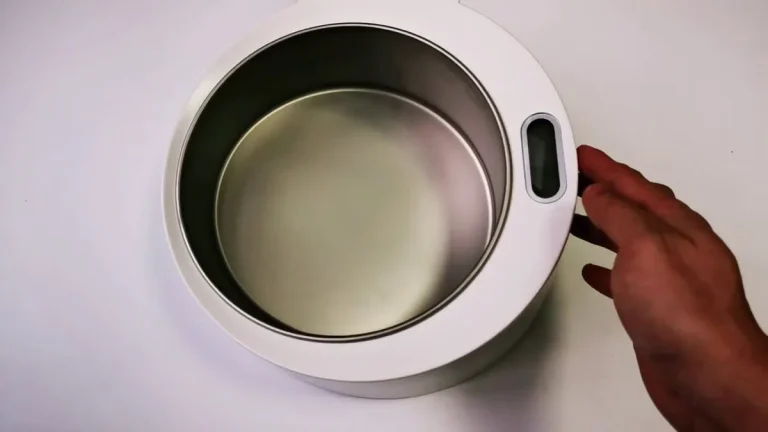
The materials you choose for your dog’s dining setup play a major role in keeping your home sanitary. Avoid using plastic bowls, as plastic scratches easily, creating microscopic grooves where harmful bacteria can hide and multiply.
Instead, invest in high-quality stainless steel dog bowls or heavy ceramic dishes. These materials are non-porous and can be easily sanitized in your dishwasher using hot water and high heat.
Daily Cleanup Routine
Once your dog finishes eating, pick up their bowl immediately and wash it with hot, soapy water. Use a dedicated sponge and scrub brush exclusively for your pet’s dishes to avoid cross-contaminating your household utensils.
Finally, thoroughly spray your countertops, prep surfaces, and hands with a pet-safe disinfectant after every mealtime. These simple, daily cleaning habits keep your home safe while your dog enjoys the natural benefits of a fresh food diet.
FAQs: Answering Common Owner Concerns About Raw Feeding
Can I mix kibble and raw food in the same bowl?
No, you should avoid mixing raw food and dry kibble in the same meal. Kibble requires a higher gastric pH and takes much longer to digest, while raw meat digests quickly in a highly acidic stomach. Combining them can cause food to ferment in the gut, leading to painful gas, bloating, and light culinary foaming.
Will raw bones splinter and hurt my dog?
Raw bones will not splinter, meaning they are completely safe for your dog to chew and swallow. Only cooked bones become brittle and dangerous. Raw poultry bones are soft, pliable, and easily dissolved by highly acidic canine gastric juices.
How much raw food should I feed my dog daily?
Feed your adult dog between 2.5% and 3% of their ideal target body weight each day. If your dog weighs 50 pounds, you will feed them roughly 1.25 to 1.5 pounds of food daily. You can adjust this portion size up or down based on their activity levels and weekly body condition scores.
Can puppies transition to a raw diet?
Yes, puppies can transition to raw food, but their meals require incredibly precise calcium and phosphorus ratios to prevent severe skeletal developmental issues. If you are raising high-energy pups, such as growing hunting dogs, checking breed-specific resources like a guide on nutrients for hound mixes can provide a great baseline for tracking. Many owners prefer using AAFCO-approved commercial puppy grinds for safety.
When to Consult a Board-Certified Veterinary Nutritionist
Developing a custom raw diet at home can be incredibly rewarding, but certain health conditions require professional veterinary formulation. If your dog suffers from systemic medical issues, attempting a DIY approach without expert guidance can result in life-threatening complications.
Specialized medical histories require precise dietary adjustments that go far beyond standard feeding rules:
- Chronic Organs and Endocrine Issues: Pets diagnosed with diabetes, pancreatitis, or compromised liver health require strict fat caps. Special protein selections are also necessary if you are managing a dog with high liver enzymes.
- Urinary and Renal Conditions: Dogs prone to bladder stones or kidney failure must have their purine, phosphorus, and moisture levels strictly regulated.
- Severe Atopic Allergies: When managing pets with intense skin issues, a veterinary nutritionist can help design a clean, single-protein elimination diet. This is often the most effective route, especially when utilizing highly targeted raw options for skin allergies.
Working alongside a board-certified veterinary nutritionist allows you to customize the raw diet to your pet’s exact lab results. This collaborative approach ensures your dog receives all the health benefits of fresh, unprocessed nutrients while keeping their biological systems perfectly balanced and safe.