What Is the Best Weight Control Dog Food in 2026?
You’re searching for what is the best weight control dog food, and you probably want a straight answer. But here’s the truth: there isn’t one single “best” food. What works for a 12‑year‑old Labrador with arthritis will not work for a 3‑year‑old Beagle who just got neutered.
The food that helps a Frenchie drop weight safely might be dangerous for a senior Great Dane with kidney issues.
That’s not meant to frustrate you; it’s meant to point you in the right direction. According to the Association for Pet Obesity Prevention, over 56% of dogs in the US are overweight or obese. That’s a lot of dogs eating the wrong amount of the wrong food.
The real question isn’t which bag to buy, it’s which food fits your dog’s specific body, health, and lifestyle. Let’s walk through exactly how to figure that out.
Quick Answer
No single weight control dog food works for every dog. The best choice depends on your dog’s age, breed, activity level, and health conditions. Start with a veterinary checkup to get a Body Condition Score.
Then pick a food with moderate calorie density, high protein, high fiber, and added L‑carnitine. Prescription diets work best for medical cases; OTC “light” formulas are fine for healthy dogs needing a few pounds off. Weigh portions with a kitchen scale, not a measuring cup.
Why “Best” Weight Control Dog Food Doesn’t Exist (and What to Ask Instead)
If you’ve ever stood in a pet store aisle staring at six different “weight management” bags, you’re not alone. The marketing makes it seem like one bag is clearly superior. But a food that’s perfect for a couch‑potato Golden Retriever could be way too rich for a high‑energy Border Collie who just needs to maintain weight while losing fat.
So instead of asking “which is best,” ask these three questions first:
- What is my dog’s Body Condition Score (BCS)? This 1‑9 scale (5 is ideal) tells you if your dog is truly overweight or just built solid. Your vet can score it in seconds.
- Does my dog have any underlying health issues? Conditions like hypothyroidism, pancreatitis, kidney disease, or diabetes dramatically change what’s safe and effective in a weight loss diet. Never start a weight control food without ruling these out first.
- What’s my dog’s typical daily activity? A dog who gets two long walks plus fetch will burn more calories than a dog who mainly naps. The same food and portion size won’t produce the same result.
Once you answer those, you can start narrowing down food options. The best food is the one that creates a safe, steady weight loss of 1, 2% of body weight per week while keeping all essential nutrients in balance. In our research, that rarely happens with a generic “light” formula alone unless you also adjust portions and treats carefully.
How Weight Control Dog Food Actually Works
Weight control dog foods aren’t magic. They work through three main mechanisms: lower calories per cup, higher satiety (so your dog feels fuller), and nutrient adjustments that help preserve muscle while burning fat.
Here’s a quick breakdown of how a typical weight control formula differs from an adult maintenance formula:
| Attribute | Adult Maintenance | Weight Control Formula |
|---|---|---|
| Caloric density (kcal/cup) | 350–450 | 250–350 |
| Crude protein | 20–25% | 25–35% |
| Crude fat | 12–18% | 8–12% |
| Crude fiber | 3–5% | 8–15% |
| L‑carnitine (mg/kg) | usually none | 250–500 |
The higher protein helps your dog retain lean muscle during caloric restriction. The higher fiber adds bulk and slows digestion, your dog feels full on fewer calories. L‑carnitine helps shuttle fatty acids into cells to be burned for energy.
Lower fat reduces overall calorie density without cutting protein.
Not all weight control foods hit these numbers. Some OTC “light” formulas skimp on protein, which leads to muscle loss instead of fat loss. That’s a problem because muscle burns more calories than fat.
If your dog loses muscle, their metabolism slows down, and weight loss stalls. A proper weight control food keeps muscle intact.
Prescription Therapeutic Diets vs. OTC Light Formulas
This is where most owners get confused. You see “prescription” diets from brands like Hill’s, Royal Canin, and Purina Pro Plan, and you see “light” or “weight management” formulas on the shelf at any pet store. Both can help your dog lose weight, but they are not interchangeable.
| Factor | Prescription Therapeutic Diet | OTC Light Formula |
|---|---|---|
| Calorie density | 250–300 kcal/cup | 300–350 kcal/cup |
| Protein (minimum) | 30%+ | 22–28% |
| Fiber | 8–15% | 6–10% |
| L‑carnitine | always included | often missing |
| Prescription needed | yes (from your vet) | no |
| Cost per bag | $55–$85 | $30–$55 |
| When to use | medical conditions, stubborn weight, high risk | healthy dog, 1–3 lbs over ideal, budget concern |
When a prescription diet is your best bet: If your dog has a medical condition like hypothyroidism, pancreatitis, or diabetes, or if your dog is more than 20% over ideal weight, a prescription diet gives you tighter control. These diets are formulated with specific nutrient ratios that support the condition while driving weight loss. They also include L‑carnitine, which is often absent in OTC formulas.
In our research, dogs on prescription metabolic diets lose weight significantly faster and maintain muscle better than dogs on OTC light foods, but only when the condition warrants it.
When an OTC light formula is fine: If your dog is a few pounds over ideal, has no health issues, and is otherwise healthy, a good OTC light formula can work. You just have to be stricter with portions. Look for one that has at least 28% protein and 8% fiber.
Skip any “light” food that drops protein below 22%; that’s a warning sign.
If you’re unsure which category your dog falls into, a quick vet check is cheap insurance. Many owners waste months on the wrong food because they assume “light” is enough.
What to Look For on the Label: Calories, Protein, Fiber, and L‑Carnitine
The guaranteed analysis panel on the back of the bag is your cheat sheet. Ignore the cute pictures on the front and read the numbers. Here’s what matters:
Calories (kcal per cup or per kg)
This is the single most important number. Weight control foods should be 250- 350 kcal per cup. Anything above 350 is maintenance food, not weight loss food.
Keep in mind that “cup” is imprecise; use a kitchen scale for accuracy (more on that later).
Protein
Look for at least 25% crude protein. Better yet, 30% or more if you can find it. High protein protects muscle during weight loss.
A study from the Journal of Veterinary Internal Medicine found that dogs eating a high‑protein weight loss diet lost more fat and less muscle than dogs on a lower‑protein diet. If the label shows 18% protein, put it back.
Fiber
Aim for 8, 15% crude fiber. This helps with satiety; your dog feels full longer. Some fibers (like beet pulp or chicory root) also feed healthy gut bacteria.
If the fiber is below 6%, the food probably won’t keep your dog from begging an hour after eating.
L‑Carnitine
This amino acid derivative helps turn stored fat into energy. Prescription diets typically contain 250, 500 mg/kg. Many OTC foods don’t list it at all.
If you’re using an OTC food, you can ask your vet about a supplement, but check with them first, because dosage matters.

Do not rely on “feeding guidelines” on the bag; they are almost always too generous for weight loss. A 40‑lb dog on a 300 kcal/cup food might be listed at 2 cups per day, but for weight loss, that dog may need only 1.25 cups. Always calculate your own target using your vet’s recommendations.
If your dog is on a special diet for a condition like kidney failure, you need to be extra careful with protein levels. Too much stress can cause failing kidneys. Always run any weight loss plan by your vet first, especially if your dog is already on a therapeutic diet for something else.
You can also check our guide on picking the right food for kidney issues to understand how protein and phosphorus interact.
Matching the Food to Your Dog’s Specific Condition
One size does not fit all. Here’s how to match food choices to common health situations that affect weight loss.
For dogs with hypothyroidism
Weight gain is common, but weight loss is still possible. You need a diet that supports thyroid medication (ask your vet about interactions with high‑fiber foods; some fibers can affect drug absorption). Prescription metabolic diets often work well here because they are low in calories but high in nutrients.
Make sure your dog’s thyroid levels are stable before starting a weight loss plan.
For dogs with pancreatitis
Low fat is non‑negotiable. Look for a weight control food with less than 10% fat (some prescription diets go as low as 6%). High‑protein, low‑carb formulas can be risky because they may contain moderate fat.
Stick with low‑fat, high‑fiber foods. Our article on best wet food for acid reflux covers low‑fat options that also reduce gastric upset.
For senior dogs with arthritis
Weight loss is critical because every extra pound adds pressure to sore joints. But senior dogs also need joint supplements (glucosamine, chondroitin, omega‑3s). Look for a weight control food that includes these, or plan to add a supplement.
More protein is also important to stave off sarcopenia (age‑related muscle loss). Aim for 30%+ protein and moderate calories. Our guide on best food for senior small dogs includes weight‑friendly options with joint support.
For diabetic dogs
Weight loss helps improve insulin sensitivity, but you have to coordinate food changes with insulin timing. High‑fiber, moderate‑fat, moderate‑protein foods are usually recommended. Avoid high‑carb foods (rice, potatoes, corn).
Prescription diabetic diets are formulated specifically for this balancing act. Never change a diabetic dog’s food without a vet’s direction; it can cause dangerous blood sugar swings.
For food‑sensitive dogs
If your dog has allergies or intolerances, you can still lose weight. Choose a limited‑ingredient weight control diet or a novel protein source (duck, venison, kangaroo). Check that the protein and fiber numbers still meet the weight loss targets.
Many hypoallergenic foods are lower in protein, so you may need a supplementation strategy. See our breakdown of highest protein dog foods for ideas that also fit sensitive stomachs.
In every case, the first step is a conversation with your vet. They can run bloodwork, confirm the condition, and recommend a specific formula. The internet can give you options, but only your vet can give you the right one for your dog’s body.
How to Safely Feed for Weight Loss (Step by Step)
This process works for any dog, any food, any condition. Follow it in order.
Step 1: Get a baseline from your vet
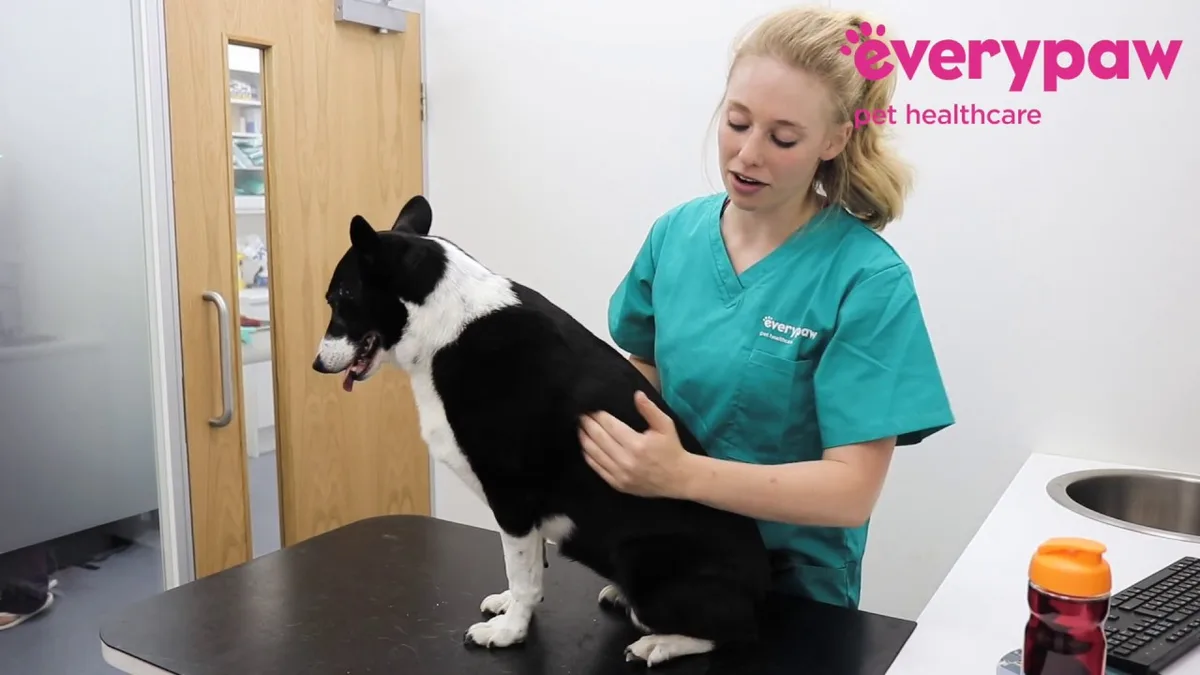
Before you change a single kibble, have your vet weigh your dog, score their body condition, and run basic bloodwork. This catches hidden issues like thyroid problems or kidney disease before they derail your plan. Your vet can also calculate your dog’s Resting Energy Requirement (RER), the number of calories needed at rest, and set a target for weight loss.
Step 2: Calculate your calorie target
For weight loss, most dogs need about 80% of their RER. The formula is:
- RER = 70 x (body weight in kg ^ 0.75)
- Weight loss target = RER x 0.8
A 50‑lb dog (22.7 kg) has an RER of roughly 700 kcal. Their weight loss target would be about 560 kcal per day. That’s a concrete number.
Write it down.
Step 3: Pick a food and figure out the portion
Find the calorie density on the label (kcal per cup or per kg). Divide your daily target by that number. For a 560 kcal target and a food with 300 kcal per cup, you need about 1.87 cups total per day.
Split that into two or three meals.
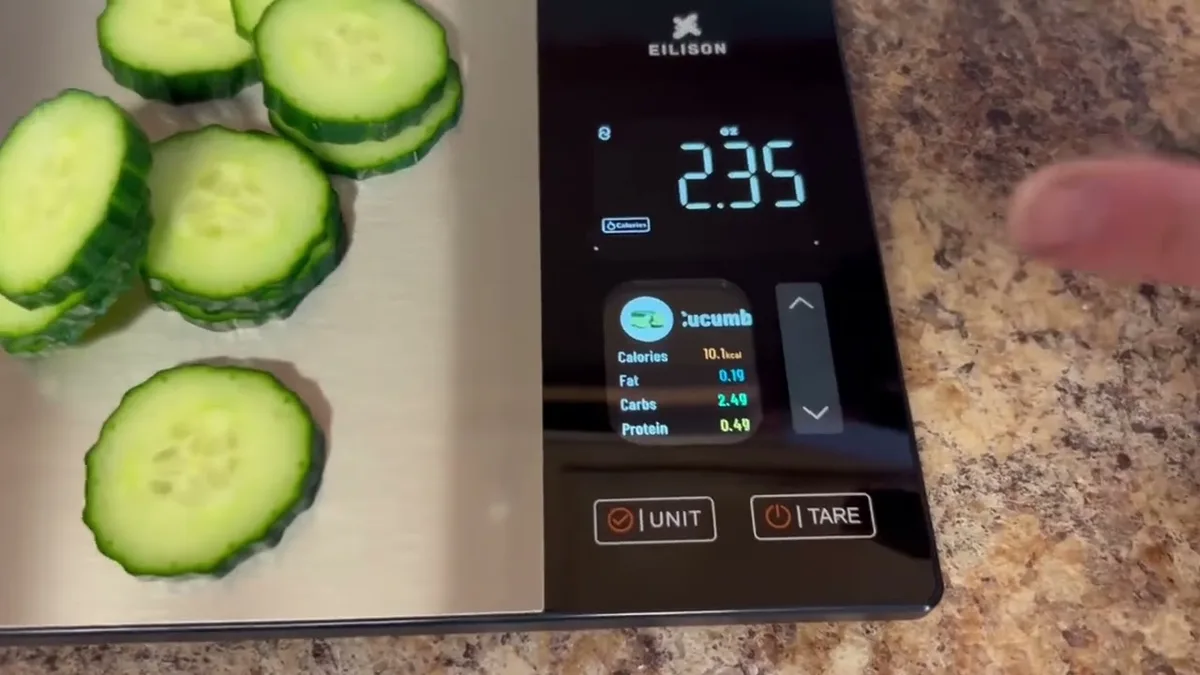
Step 4: Use a kitchen scale, not a measuring cup
This is the single most effective change you can make. A cup of kibble can vary by 20 30% depending on how tightly it settles. A digital kitchen scale gives you exact grams.
Weigh your food once, measure out the portion, and stick to it. If you’re feeding multiple dogs, check that each one gets the right amount, not the same amount.
Step 5: Account for treats
Treats should make up no more than 10% of daily calories. That’s about 56 kcal for a 560 kcal target. A single milk‑bone can be 30, 40 kcal.
Two treats and you’re over. Use vegetables like green beans, cucumber, or carrot sticks for low‑calorie alternatives. Or simply break treats into smaller pieces.
Step 6: Weigh your dog weekly
Pick the same day and time each week (before breakfast is easiest). Use a consistent scale. Track the number.
If your dog is losing 1- 2% of body weight per week, you’re on track. If they’re losing faster, increase calories slightly. If they’re losing slower, cut back by 10% and recheck in two weeks.
Step 7: Adjust as you go
Weight loss is not linear. After four to six weeks, you may need to recalculate because your dog’s metabolism adapts. If progress stalls, don’t cut calories drastically; try a different food with higher protein or fiber, or increase exercise.
If your dog is already on a prescription diet, ask your vet before making any changes.
A complete guide on portioning fresh dog food can help if you’re using a fresh or raw diet instead of kibble.
The Mistakes That Keep Dogs Overweight
Most weight loss failures are not the food’s fault. They come from a handful of common mistakes.
Mistake 1: Free feeding
Leaving food out all day is the fastest way to overfeed. Scheduled meals let you control exactly what goes in. If you have multiple dogs, feed them separately so one doesn’t steal from the other.
Mistake 2: Trusting the bag’s feeding guidelines
Those numbers are designed for dogs at an ideal weight, not for weight loss. They’re also generous. Use your vet’s calorie target instead.
Mistake 3: Ignoring treats from other family members
One person may be following the diet strictly while another slips table scraps or extra treats. Get everyone on the same page. Keep a treat log if you have to.
Mistake 4: Overestimating exercise
A 15‑minute walk burns maybe 30 to 40 kcal for a medium dog. That’s not enough to justify extra food. Use exercise for health and bonding, not as a calorie budget.
Mistake 5: Giving up too soon
Weight loss takes time. A dog that needs to lose 10 pounds may need 4 to 6 months of consistent effort. If you don’t see progress in the first two weeks, check your portion sizes again.
If you’re following the plan and nothing changes, revisit the food choice; some dogs just don’t respond well to certain formulas.
When to See a Vet Before Changing Food
You should never start a weight control diet without veterinary guidance if any of these apply:
- Your dog is more than 20% over ideal weight
- Your dog has a known medical condition (diabetes, kidney disease, pancreatitis, hypothyroidism, heart disease)
- Your dog is on any medication
- Your dog is a senior (over 7‑8 years, depending on breed)
- Your dog is a puppy or adolescent (under 12 months)
- Your dog is pregnant or nursing
- Your dog has a history of food allergies or sensitivities
If none of these apply and your dog is just a few pounds over ideal, an OTC light formula with careful portioning is usually fine. But if you’re unsure, a quick vet visit is cheap and safe.
Fresh Food, Homemade, and Other Alternatives: Do They Work for Weight Loss?
Fresh and homemade diets can work for weight loss, but they require more careful planning.
Fresh food delivery services
Companies like Nom Nom, Ollie, and The Farmer’s Dog offer weight management plans. They calculate calories for your dog based on age, weight, and activity. The advantage is convenience and portion control.
The disadvantage is cost, typically $2.50, $5.00 per day, which is 2 to 3 times more than kibble.
Homemade diets
You can absolutely make a weight loss diet at home, but you need a board‑certified veterinary nutritionist to formulate it. A homemade diet that is unbalanced can cause serious deficiencies over time, especially in vitamins, minerals, and essential fatty acids. Never just guess the recipe.
If you’re interested in this route, ask your vet for a referral to a DACVIM or DACVN specialist.
Raw diets
Raw diets for weight loss are tricky. They are often high in fat and low in carbohydrates, which can work for some dogs but not for others. The risk of bacterial contamination is also higher, especially for dogs with compromised immune systems.
If you go raw, use a commercial raw diet formulated for weight loss rather than DIY.
The bottom line: fresh and homemade foods can be effective, but they require more discipline and usually more money. If you’re already using a kibble that works and your dog is losing weight steadily, there’s no reason to switch.
Your Decision Guide: Which Path to Take First
Here’s a simple decision tree to follow:
Step 1: Book a vet visit for a weigh‑in, BCS score, and bloodwork. If your dog has a medical condition, start with a prescription diet.
Step 2: If your dog is healthy but overweight, choose an OTC light formula with at least 25% protein and 8% fiber. Or use a fresh food service with a weight management plan.
Step 3: Calculate your dog’s daily calorie target using the RER formula. Use a kitchen scale for portioning.
Step 4: Feed two or three meals per day. No free feeding. Limit treats to 10% of daily calories.
Step 5: Weigh your dog weekly. Adjust portions by 10% if progress stalls after two weeks.
Step 6: If you hit a plateau that lasts longer than three weeks, revisit the food choice or talk to your vet about a metabolic prescription diet.
This system works. It’s not complicated, but it does require consistency. The best weight control dog food is the one you can stick to safely and accurately.
Frequently Asked Questions
How long does it take for a dog to lose weight on a weight control food?
Most dogs lose 1, 2% of their body weight per week. A 50‑lb dog that needs to lose 10 lbs will take about 10, 15 weeks. Some dogs lose faster initially, then slow down.
Can I mix weight control food with regular food?
It’s better not to. Mixing makes it harder to calculate calories accurately. If you want to transition, do it over 7 to 10 days by gradually increasing the proportion of weight control food.
Is grain‑free weight control food better for weight loss?
No. Grain‑free does not automatically mean lower calorie or higher protein. Some grain‑free foods are actually higher in fat.
The FDA has also linked certain grain‑free diets to dilated cardiomyopathy. Focus on the nutritional numbers, not the marketing labels.
What if my dog is still hungry on a weight control diet?
That’s normal. The high fiber in weight control foods helps, but some dogs still beg. You can add low‑calorie bulk like canned green beans, pumpkin (plain, no sugar), or zucchini.
These add volume without many calories. Do not feed extra kibble.
Can I feed weight-control food to a dog that’s already at a healthy weight?
You can, but it’s not ideal. Weight control foods are lower in fat and calories, so a healthy dog might lose weight they don’t need to lose. If you want to maintain weight, use an adult maintenance food instead.
If you’re using a prescription diet, ask your vet before switching.
How do I transition my dog to a weight-control food?
Over 7, 10 days, mix increasing amounts of the new food with decreasing amounts of the old food. Start with 25% new / 75% old, then 50/50, then 75/25, then 100% new. Watch for digestive upset.
If your dog has a sensitive stomach, stretch the transition to 14 days.
When Weight Loss Stalls: What to Do Next
A plateau lasting three weeks or more means something needs to change. First, reweigh your dog and confirm your kitchen scale is accurate. Then reduce calories by 10% for two weeks.
If nothing moves, swap to a higher protein or higher fiber formula. Prescription metabolic diets often break a stall because they contain L‑carnitine and a tighter nutrient profile. If you’re already on one, ask your vet about adjusting the target.
Never slash calories below 70% of RER, as that risks muscle loss and nutrient deficiencies.
How to Manage Treats and Table Scraps
Treats are the #1 reason weight loss plans fail in practice. A single medium biscuit can be 40 to 50 kcal. If your dog gets three a day, that’s 120, 150 extra calories, often 20% of their daily allowance.
Replace commercial treats with fresh vegetables (green beans, cucumber, zucchini, carrot sticks). Keep treats to no more than 10% of daily calories. If other family members feed the dog, make everyone aware of the limit.
One person slipping scraps can undo a week of progress.
Weight Maintenance After Reaching Goal
Once your dog hits their target weight, you cannot simply go back to their old food. Transition to a maintenance formula with similar protein (25%+) but slightly higher calories (300, 350 kcal/cup). Increase portions by 10, 20%, and weigh your dog weekly for the first month.
If they start gaining, cut back. If they lose, add a little more. Many dogs do well staying on the same weight control food, but at a higher volume.
Your vet can help set the maintenance target.
Special Considerations for Small vs Large Breeds
Small breeds (under 20 lbs) have higher metabolic rates per pound but tiny stomachs. They need calorie‑dense but portioned food; avoid bulky high‑fiber formulas that fill them up without enough nutrients. Large breeds (over 50 lbs) need lower calorie density per cup to avoid overfeeding volume.
They also need joint support (glucosamine, omega‑3s) during weight loss. Medium breeds fall in between. Choose a formula matched to your dog’s size category when possible.
Tracking Your Dog’s Progress
Use a simple log: date, weight in lbs or kg, BCS score, and daily calorie intake. Weigh at the same time each week on the same scale. Take a “profile photo” (from above and from the side) every two weeks.
Visual changes often appear before the scale moves noticeably. If weight loss slows after 4 or 6 weeks, recalculate the calorie target based on the new lower body weight. The formula is the same: RER = 70 x (kg ^ 0.75), target = RER x 0.8.