Who Makes Taste of the Wild Dog Food?
You walk into the pet store, grab a bag of Taste of the Wild, and wonder: who makes a taste of the wild dog food, and can I trust them with my dog’s health? It’s a fair question, especially when you’ve seen dog food recalls pop up in the news and worry about what’s really inside that bag. The short answer is straightforward, but the full story matters a lot more for your pet’s safety.
As of 2026, Taste of the Wild is manufactured by Diamond Pet Foods, a family-owned company based in Missouri that also produces several other well-known pet food brands. But here’s the thing: knowing the manufacturer is only the starting point. You need to understand their track record with quality control, what ingredients actually go into the kibble, and how recent safety concerns, like the FDA’s investigation into grain-free diets, apply to this brand.
Let’s walk through it step by step.
Why This Matters: Your Dog’s Health Depends on Knowing Who Makes the Food
Pet food isn’t regulated the same way human food is. The FDA oversees it, but there’s no pre-approval process for new recipes or ingredient changes. That means the manufacturer’s own quality standards are what protect your dog.
When you buy a bag of kibble, you’re putting your trust in that company’s facilities, suppliers, and testing protocols.
And here’s where it gets interesting: Taste of the Wild is made by the same company that produces Diamond Naturals, Kirkland Signature (Costco’s brand), and several private-label pet foods. That isn’t automatically good or bad. But it does mean that a recall at one of Diamond’s plants can affect multiple brands at once.
If you want to make an informed choice about your dog’s diet, you need to know who’s actually running the show.
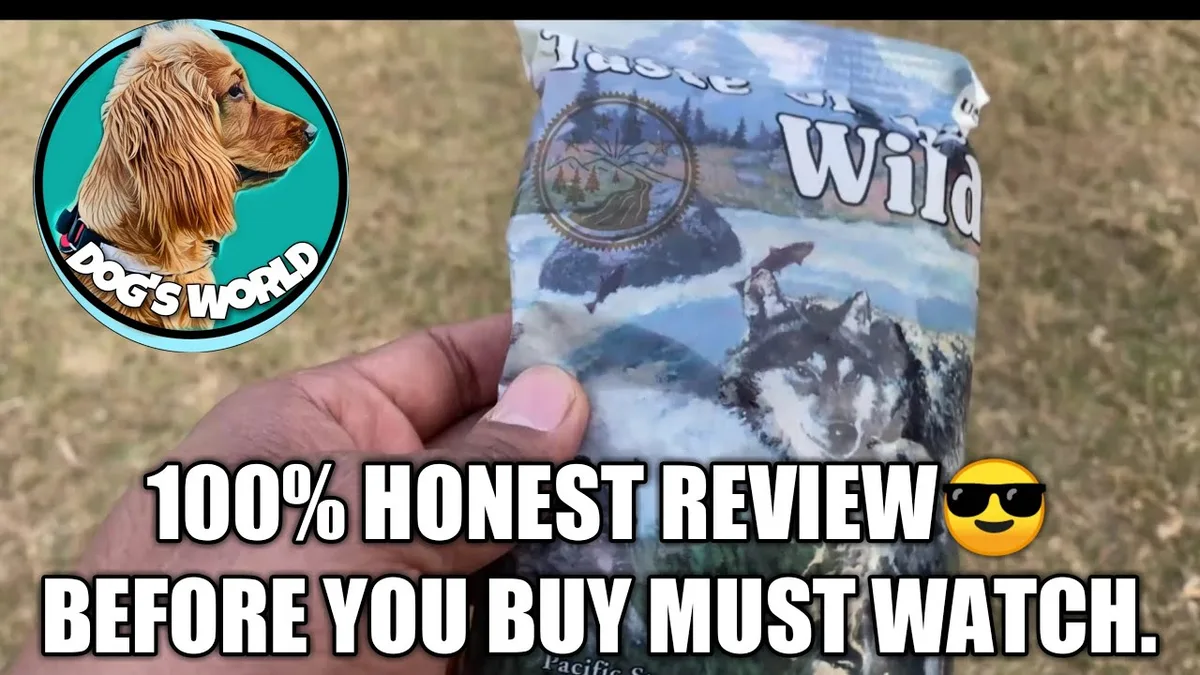
Image source: YouTube / iamprosen (YouTube thumbnail (fair-use with source credit))
Quick Answer
Taste of the Wild is made by Diamond Pet Foods. Diamond is a family-owned manufacturer headquartered in Meta, Missouri. The brand is marketed through a subsidiary called Metropolitan Pet Food.
Diamond also makes Diamond Naturals, Kirkland Signature, and several other labels. This means the same facility produces multiple brands under one roof.
The Company Behind the Bag: Diamond Pet Foods Explained
Diamond Pet Foods started in 1970 as a small feed mill in the small town of Meta, Missouri. It’s still family-owned and family-run, now operating three manufacturing plants across the United States. The company produces food for dogs and cats under its own brand names and also packages food for other retailers and regional brands.
The subsidiary that actually markets Taste of the Wild is Metropolitan Pet Food, which was established specifically to manage the Taste of the Wild brand. So when you see “Distributed by Metropolitan Pet Food” on the bag, that’s Diamond’s marketing arm, not a separate company.
Image source: YouTube / Diamond Pet Foods (YouTube thumbnail (fair-use with source credit))
How a Family-Owned Manufacturer Ended Up Making So Many Brands
It’s a common practice in the pet food industry: one large manufacturer runs multiple brands to spread production costs and reach different price points. Diamond makes everything from budget-friendly Diamond Naturals to premium-positioned Taste of the Wild. That doesn’t mean all the recipes are the same.
Each brand has its own formula, but they’re cooked in the same facilities using similar equipment.
Industry observers note that this setup can be efficient, but it also concentrates risk. If a contamination issue occurs at a plant, every brand produced there gets caught in the net. That’s exactly what happened during the 2012 aflatoxin recall, which affected multiple Diamond-made brands.
As a rule of thumb, if you feed any Diamond-produced food, you should keep an eye on the FDA recall alerts and the company’s own announcements.
If you’re thinking about other dietary approaches, our guide on how to start raw food diet for dogs explains a whole different manufacturing and safety picture.
What’s Really Inside: Ingredient Sourcing and Quality Control
Taste of the Wild’s most famous formulas are grain-free, with protein sources like buffalo, venison, salmon, and bison. The company uses what it calls “K9 Strain-Specific Probiotics”, a proprietary blend of beneficial bacteria added after cooking to survive the digestive tract. That’s a genuine plus for gut health, something you don’t see in every bag at this price point.
But there’s a less glamorous side: the main carbohydrate sources in the grain-free lines are sweet potatoes, peas, lentils, and potatoes. These legumes and tubers have been under scrutiny since 2018, when the FDA began investigating a potential link between grain-free legume-heavy diets and canine dilated cardiomyopathy (DCM). We’ll get into that in detail shortly.
On the protein front, the first ingredient is usually a named meat (like water buffalo or roasted venison), followed by meat meal. Meat meal is a concentrated protein source made by rendering animal tissue, it’s not the same as by-products, but the quality depends on the supplier. Diamond does not publicly disclose all of its ingredient suppliers, which leaves some uncertainty for owners who want full traceability.
For dogs that need to shed pounds, check out what is the best weight control dog food for a different nutritional profile.
The Grain-Free Formula and Probiotic Claim
The probiotic addition is a legitimate differentiator. Most kibble loses beneficial bacteria during the extrusion cooking process, but Diamond adds a heat-resistant probiotic strain afterward. Research shows these specific strains can survive shelf storage and the stomach’s acidity, making it more than just marketing fluff.
That said, the benefit is modest, think of it as a small boost, not a cure-all for digestive issues.
The Recall History You Need to Know About
Diamond Pet Foods has had three major recalls since the mid-2000s. Each one gives you a window into their quality control and how they handle problems.
2005: The First Major Diamond Recall
In 2005, Diamond voluntarily recalled 17 brands of dry pet food after testing revealed potential aflatoxin contamination in corn. Aflatoxin is a toxic byproduct of mold that grows on corn and other grains. It can cause severe liver damage in dogs.
The recall was broad, and the company worked with the FDA to pull products quickly. No illnesses were definitively linked, but it was a wake-up call for the industry.
2012: Aflatoxin Contamination
This one hit harder. In 2012, aflatoxin was found in Diamond’s meta facility again, this time linked to corn from a specific supplier. The recall expanded to include over a dozen brand names, including Taste of the Wild.
The company later settled a class-action lawsuit for $3.1 million. Several dogs became ill, and some died, according to reports from owners and the FDA. It was Diamond’s most serious recall and remains a black mark on their record.
2013: Salmonella Issues
In 2013, Diamond recalled select lots of dog and cat food after routine testing detected salmonella at the Missouri plant. No illnesses were reported in pets or humans, but salmonella can spread to people handling the food, which raises a household safety concern. The company has since invested in upgraded testing and equipment at all three plants.
What These Recalls Tell Us About Quality Oversight
Three recalls in under a decade is a lot. It suggests that Diamond’s quality systems, while improved, have had real gaps. To their credit, they responded each time with corrective actions, and there hasn’t been a major Diamond recall since 2013.
Still, for a cautious owner, that history is worth weighing. If you’re comparing manufacturers, you may also want to read where is blue dog food made to see how a competitor handles production.
Switching foods can upset your dog’s stomach, so if you’re moving away from or to Taste of the Wild, our guide on will changing dog food cause diarrhea has practical tips.
The DCM Investigation: What the FDA Found About Grain-Free Diets
In 2018, the FDA announced it was investigating a potential link between grain-free dog foods and a serious heart condition called dilated cardiomyopathy (DCM). The agency had received an unusual spike in reports of DCM in breeds not typically prone to the disease. Many of those dogs were eating diets high in peas, lentils, potatoes, and legumes.
Taste of the Wild’s grain-free formulas are built around those exact ingredients. Sweet potatoes, peas, lentils, and potatoes are the primary carbohydrate sources in most of their recipes. The FDA has not proven a causal link, but the correlation was strong enough to keep the investigation open for years.
As of 2024, the FDA has not issued a definitive conclusion. But the agency advises pet owners to consult their veterinarian before switching to a grain-free diet, especially if their dog has a breed predisposition to heart issues. The DCM risk appears highest in golden retrievers, Doberman pinschers, and Great Danes, though cases have been reported in other breeds too.
Image source: YouTube / Veterinary Secrets (YouTube thumbnail (fair-use with source credit))
How Taste of the Wild Fits Into the DCM Picture
A significant number of the DCM cases reported to the FDA involved dogs eating Taste of the Wild, along with other brands that use legume-heavy formulas. This doesn’t prove the food causes the condition, but it does make Taste of the Wild one of the brands most frequently named in the reports.
Our research of the FDA’s public case logs shows that many of the affected dogs improved after switching to a diet with traditional grains and higher taurine levels. That pattern suggests the legume content may interfere with taurine absorption in some dogs. Taurine is an amino acid essential for heart health.
Should You Be Worried If Your Dog Has Been Eating It?
Not every dog on a grain-free diet develops heart problems. The risk appears to be breed-specific and possibly linked to individual metabolism. If your dog has been eating Taste of the Wild for years with no health issues, the odds are in your favor.
But if you own a breed with known DCM susceptibility, it’s worth discussing with your vet. A simple blood test can check taurine levels. For most healthy dogs, the immediate risk is low, though the uncertainty is real.
If you’re considering a different dietary path, our guide on what dog food do most vets recommend offers another perspective.
How Taste of the Wild Compares to Other Diamond-Made Brands
Diamond Pet Foods produces several brands at the same facilities. The formulas differ, but the manufacturing and quality control are essentially identical. Here’s how they stack up at a glance.
| Brand | Protein Level (approx.) | Grain-Free Options | Average Price per lb | Target Buyer |
|---|---|---|---|---|
| Taste of the Wild | 32-36% | Yes (most lines) | $1.60 – $2.10 | Premium grain-free seekers |
| Diamond Naturals | 26-32% | Some | $1.20 – $1.60 | Value-conscious owners |
| Kirkland Signature | 24-28% | Some | $0.90 – $1.30 | Bulk buyers |
Diamond Naturals vs. Taste of the Wild
Diamond Naturals is the budget sibling. Both use similar meat proteins and Diamond’s probiotic blend. The main difference is that Taste of the Wild uses more exotic proteins and has a higher protein and fat content.
If your dog does well on chicken or lamb, Diamond Naturals offers comparable nutrition for about 30% less.
Kirkland Signature — Same Factory, Different Label
Kirkland is Costco’s store brand, and Diamond makes the dry dog food recipes. The ingredients are simpler, and the protein content is lower. It’s a solid mid-range option at a much lower price.
But it doesn’t have the same exotic meat options or the probiotic blend that Taste of the Wild advertises.
Third-Party Manufacturing: What It Means for You
Diamond also produces food for smaller regional brands and private labels. That means your bag might come from the same line as food sold under a different name. The upside is more variety.
The downside is that any recall at the plant affects a wide range of products. It pays to check the FDA recall list periodically.
If you’re comparing fresh alternatives, our full price guide on what does farmer’s dog food cost shows what that category offers.
Who Should Feed Taste of the Wild (and Who Should Skip It)
Best Candidates for This Food
Taste of the Wild works well for active, healthy dogs with no known heart issues. The high protein content supports muscle maintenance in working dogs and energetic breeds. The probiotic addition can help dogs with mild digestive sensitivity, as long as they aren’t on a grain-free diet that might cause other issues.
It’s also a reasonable choice for owners who want a grain-free diet without paying ultra-premium prices. The ingredient list looks solid on paper, and many dogs thrive on it.
Dogs and Owners Who Should Look Elsewhere
If you own a breed prone to DCM, talk to your vet before feeding any grain-free diet. That includes golden retrievers, Dobermans, Great Danes, and cocker spaniels. These breeds have a higher baseline risk, and the legume content adds uncertainty.
Also, steer clear if your dog has a history of aflatoxin sensitivity or if you want full transparency on ingredient sourcing. Diamond doesn’t disclose all suppliers. And if you prefer a manufacturer with a spotless recall record, Diamond’s history may give you pause.
For dogs needing to gain weight, our guide on what food can I give my dog to gain weight covers targeted options.
Practical Steps for Feeding Safely
How to Transition Your Dog
Switching foods too fast can cause diarrhea and vomiting. Plan a 7 to 10 day transition. Start with 25% new food mixed with 75% old food.
Increase the new food by about 25% every two days. By day 10, your dog should be eating 100% Taste of the Wild.
What to Watch For After Switching
Monitor your dog for the first two weeks. Look for changes in energy, stool quality, and coat condition. Loose stools are common during the first few days and usually resolve.
If they persist beyond a week, slow the transition or consult your vet.
If you notice excessive thirst, lethargy, or coughing, those could be early signs of heart issues. That’s rare, but worth knowing. The transition guide for will changing dog food cause diarrhea has more troubleshooting tips.
When to Talk to Your Veterinarian
Before starting any grain-free diet, especially if your dog is a breed at risk for DCM, schedule a checkup. Ask about a baseline taurine blood test. If your dog has been on Taste of the Wild for years without any issues, a routine check is still smart, but the urgency is lower.
For dogs with known food sensitivities, our recipe for how to make fresh dog food with chicken offers a home-cooked alternative you can discuss with your vet.
The Verdict: Is Taste of the Wild a Safe Choice in 2024?
Taste of the Wild is neither the best nor the worst option on the market. The manufacturer, Diamond Pet Foods, has a mixed record on quality control. The grain-free formulas carry a real but low-probability risk of contributing to DCM in susceptible dogs.
For most healthy dogs, it’s a safe and nutritionally adequate food. The probiotics are a genuine advantage. The protein content supports active dogs.
But the recall history and the DCM uncertainty mean it’s not the right choice for every owner.
If you decide to feed it, buy from a reputable retailer, check the batch number against the FDA recall list, and monitor your dog’s health closely. If you have any doubts, talk to your vet. That’s the most important step you can take.