
Mastering Can Dog Food Make Cats Sick
Can dog food make cats sick? Yes, it can, and sometimes the damage is serious. Cats are obligate carnivores, meaning their bodies need nutrients that dog food simply doesn't provide in the right amounts.
A single bite might only cause an upset stomach. Repeated meals can lead to dangerous deficiencies.
In our research, we found that AAFCO cat food profiles require taurine at 0.10% dry matter for adult maintenance. Dog food has no such minimum. That gap matters because taurine deficiency can cause dilated cardiomyopathy in cats.
So how do you know when a stolen bite is harmless and when it's a real emergency? Let's break it down.
Image source: Web (Bing) / munch.zone (Web image (fair-use with source credit))
The Short Answer: Can Dog Food Make Cats Sick?
Yes, dog food can make cats sick. It lacks essential nutrients like taurine and arachidonic acid. It may contain propylene glycol or onion powder.
A single bite rarely causes lasting harm. Regular meals can lead to heart disease, blindness, or pancreatitis. Cats need cat food, not dog food.
When It's Usually Not an Emergency
If your cat sneaks one piece of dry dog food, the risk is low. Most healthy adult cats tolerate a small amount without symptoms. Watch for vomiting or diarrhea over the next 24 hours.
Call your vet if you're unsure.
When It Becomes a Real Risk
If your cat eats dog food as a main meal for days or weeks, that's dangerous. Long-term feeding causes taurine deficiency. Symptoms include weakness, breathing trouble, and vision loss.
Kittens and cats with heart or kidney disease face higher risk. Our guide on stopping a cat from stealing dog food can help you prevent access.
Why Dog Food Doesn't Meet a Cat's Nutritional Needs
Dog food is formulated for dogs, not cats. The two species have different metabolic needs. A cat's body cannot make certain nutrients from scratch.
So it must get them from food. Dog food doesn't supply them in the right amounts.
Taurine Deficiency and Dilated Cardiomyopathy
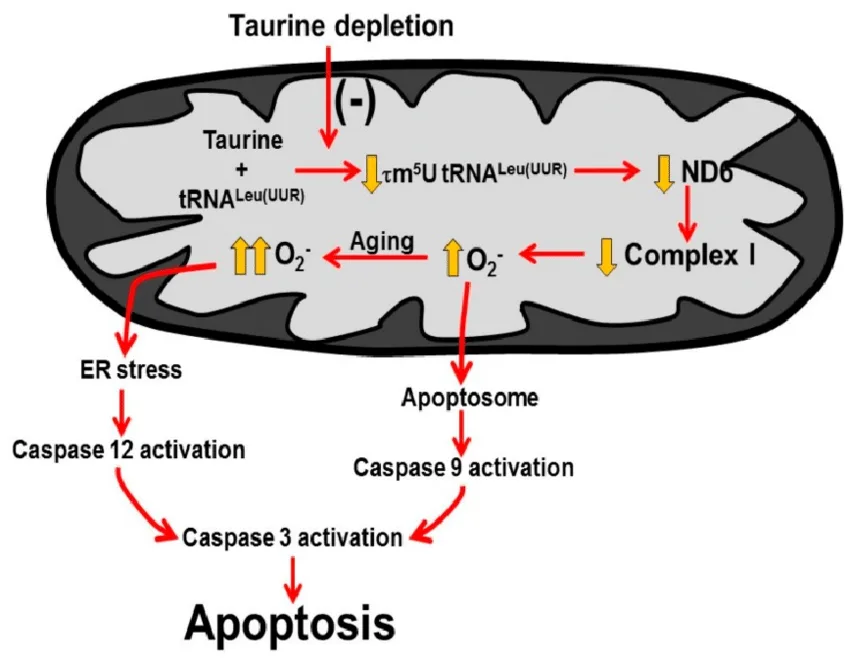
Image source: Web (Bing) / researchgate.net (Web image (fair-use with source credit))
Taurine is an amino acid that cats cannot synthesize in sufficient quantities. Dog food often lacks added taurine. A deficiency can lead to dilated cardiomyopathy (DCM), a heart condition that weakens the heart muscle.
Per veterinary cardiology research, DCM from taurine deficiency is reversible if caught early.
But if you wait too long, heart failure can develop. We've seen cases where cats fed dog food for months developed labored breathing and needed emergency care. As of 2026, AAFCO still requires taurine in all complete cat foods.
Arachidonic Acid, Arginine, and Vitamin A Gaps
Cats need preformed arachidonic acid, which dog food may not include. Arginine is another essential amino acid. Without it, cats can develop hyperammonemia within hours.
Vitamin A must also be preformed. Dogs can convert beta-carotene, but cats cannot. These gaps mean dog food is incomplete for cats.
Protein, Fat, and Carbohydrate Differences
Cats need more protein than dogs. AAFCO sets cat protein minimum at 26% for adults. Dog food often has 18% or less.
If you're curious about high-protein formulas for dogs, that's a different world. Cats also need higher fat for energy.
And they have a limited ability to digest carbohydrates. Dog food often contains more carbs than cats need. That can lead to obesity and diabetes.
Here's a quick comparison of AAFCO minimums:
| Nutrient | Cat Adult Minimum | Dog Adult Minimum |
|---|---|---|
| Protein | 26% | 18% |
| Fat | 9% | 5% |
| Taurine | 0.10% | No minimum |
| Arachidonic Acid | 0.02% | No minimum |
Harmful Ingredients and Contaminants in Dog Food
Some dog foods contain ingredients that are safe for dogs but toxic to cats. Others can be contaminated with bacteria or toxins. Here's what to watch for.
Propylene Glycol and Onion/Garlic Powder
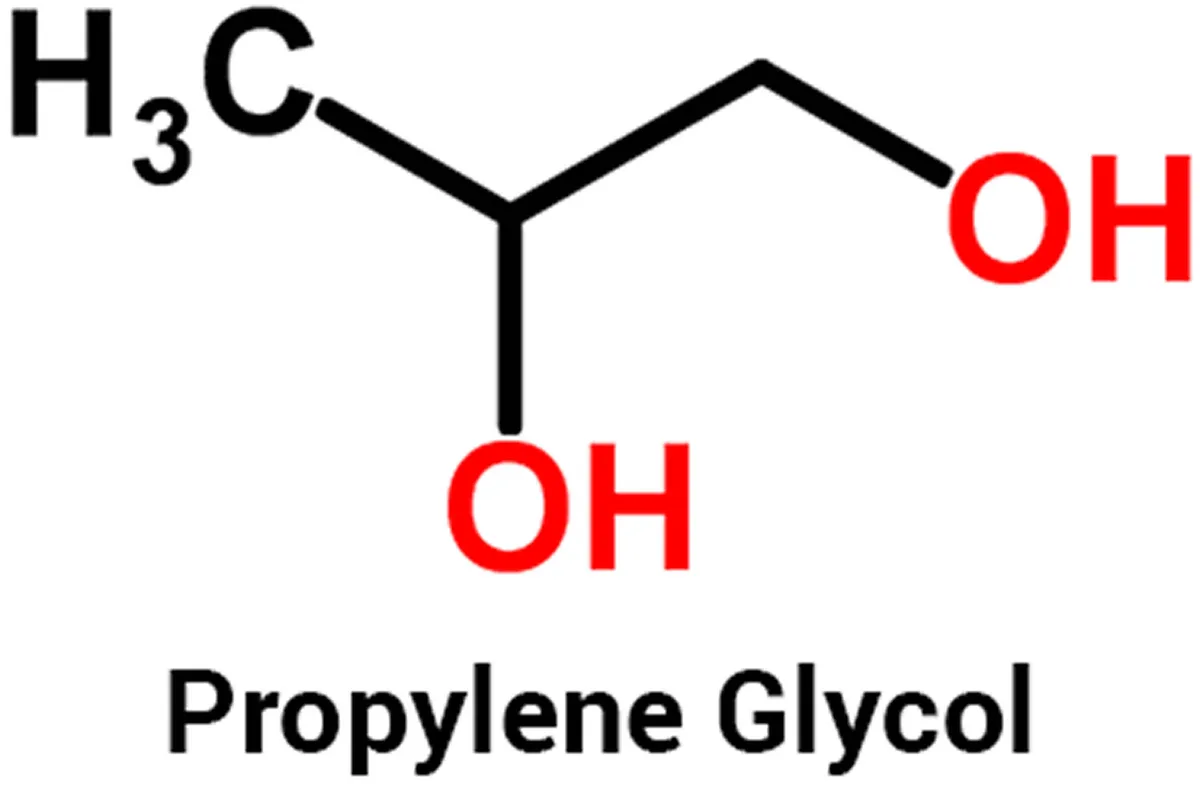
Image source: Bing (Web (fair-use with source credit))
Propylene glycol is a humectant used in some semi-moist dog foods. The FDA prohibits it in cat food because it can damage red blood cells. Onion and garlic powder are common dog food flavorings.
They can cause Heinz body anemia in cats.
Even small amounts repeated over time can be harmful. Check the label if your cat steals dog food. The FDA keeps a list of pet food recalls and warnings on its animal and veterinary page.
High-Fat Pancreatitis Triggers
Dog food often has higher fat than cat food. A sudden high-fat meal can trigger pancreatitis in cats. Symptoms include vomiting, abdominal pain, and lethargy.
Pancreatitis can be life-threatening. Cats with a history of pancreatitis should never eat dog food.
Salmonella, Aflatoxin, and Melamine Risks
Raw or poorly stored dog food can carry Salmonella. Cats can get food poisoning just like humans. Aflatoxin is a mold toxin that can cause liver damage.
Melamine contamination caused deaths in 2007. These risks exist in any pet food, but dog food isn't held to cat food safety standards for some ingredients.
How Amount and Duration Change the Danger
The danger depends on how much your cat ate and for how long. One bite is different from a week of meals.
One Bite vs a Full Bowl
If your cat ate one piece of kibble, the risk is minimal. If your cat ate a full bowl of dog food, that's a larger load. A full bowl can cause GI upset.
It can also trigger pancreatitis if the food is high-fat. Monitor for 24 to 48 hours.
Short-Term Stomach Upset vs Long-Term Malnutrition
Short-term, you might see vomiting or diarrhea. That usually resolves in a day or two. Long-term, dog food causes malnutrition.
Taurine deficiency takes months to develop. But by the time symptoms appear, damage may be advanced. If you need tips on sensitive stomach formulas for dogs, that's for dogs, not cats.
For cats, the answer is always cat food.
Cats with Existing Health Conditions
Cats with heart disease, kidney disease, or diabetes are more vulnerable. A single high-fat meal can worsen pancreatitis. Cats with kidney disease need controlled protein and phosphorus.
Dog food doesn't provide that balance. If your cat has a chronic condition, call your vet immediately. Our guide to kidney-friendly diets is for dogs, but the principle of species-specific food applies to cats too.
Here's a risk breakdown:
| Scenario | Risk Level | Action |
|---|---|---|
| One piece of kibble | Low | Monitor 24 hours |
| Full bowl, once | Moderate | Call vet if symptoms |
| Daily dog food for weeks | High | Vet visit and bloodwork |
| Cat with heart disease | Severe | Emergency vet |
Symptoms That Mean Your Cat Needs a Vet
Not every cat shows symptoms right away. But some signs mean you shouldn't wait.
Mild GI Signs to Monitor
Mild vomiting or diarrhea can happen after a dietary change. If your cat vomits once and then acts normal, monitor at home. Never withhold food from a cat for more than 12 hours without vet advice.
That can cause hepatic lipidosis, a dangerous liver condition.
Offer small amounts of cat food instead. If symptoms persist beyond 24 hours, call your vet. For dogs, the approach to withholding food after vomiting is different, but cats need food to keep their liver working.
Emergency Red Flags: Vomiting, Lethargy, Jaundice, Breathing Trouble
Go to an emergency vet if your cat has repeated vomiting, extreme lethargy, yellow gums or eyes (jaundice), or difficulty breathing. These signs can indicate pancreatitis, heart failure, or anemia. Don't wait for a regular appointment.
What to Bring to the Vet
Bring the dog food label or a photo of it. Note how much your cat ate and when. List any symptoms you've seen.
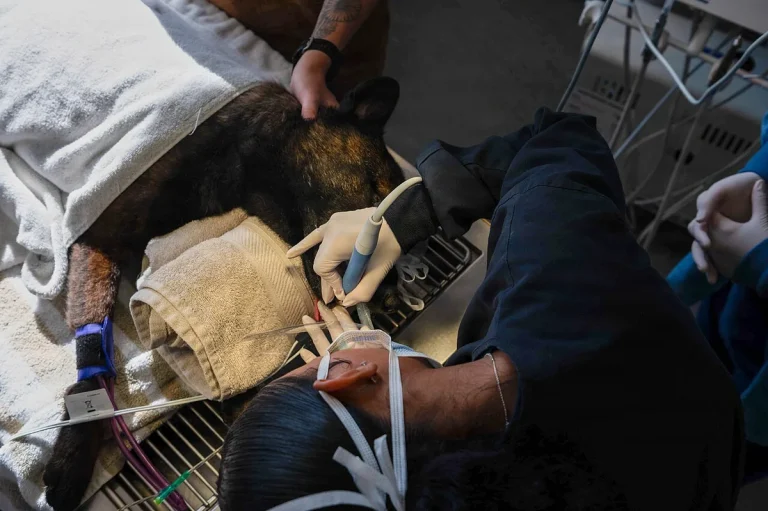
This helps your vet decide on treatment. They may run bloodwork, an echocardiogram, or an ultrasound.
What to Do If Your Cat Ate Dog Food
Immediate Steps for a One-Time Ingestion
If your cat sneaks a piece of dog food, take a breath. One bite rarely causes lasting harm in a healthy adult cat. Pick up the dog food bowl and put it out of reach.
If your cat ate a full bowl, treat it as a potential poisoning. Call your vet or a pet poison hotline for guidance.
Safe Monitoring at Home
Watch for vomiting, diarrhea, or unusual tiredness over the next 24 to 48 hours. Offer fresh water and your cat's normal food. Don't starve your cat to "flush out" the dog food.
Cats need to eat regularly to avoid hepatic lipidosis, a dangerous liver condition.
If your dog is the one with eating issues, our tips on coaxing a picky dog to eat can help. But keep cat food and dog food separate during meals.
Mistakes to Avoid: Don't Induce Vomiting Without Vet Guidance
Never make your cat throw up unless a vet tells you to. Some ingredients cause more damage on the way back up. Onion powder can burn the esophagus.
High-fat food can trigger pancreatitis during vomiting.
Call your vet or a pet poison control hotline first. They'll tell you if inducing vomiting is safe for your cat.
When to Call the Vet
Call your vet if your cat has heart disease, kidney disease, or diabetes. Also call for kittens, seniors, and pregnant cats. These groups face higher risk from dietary mistakes.
If you're unsure whether a food is safe for your dog, our guide on human food safety for dogs covers that. For cats, the rules are stricter.
Preventing Dog Food Access in Multi-Pet Households
Separate Feeding Stations and Microchip Feeders
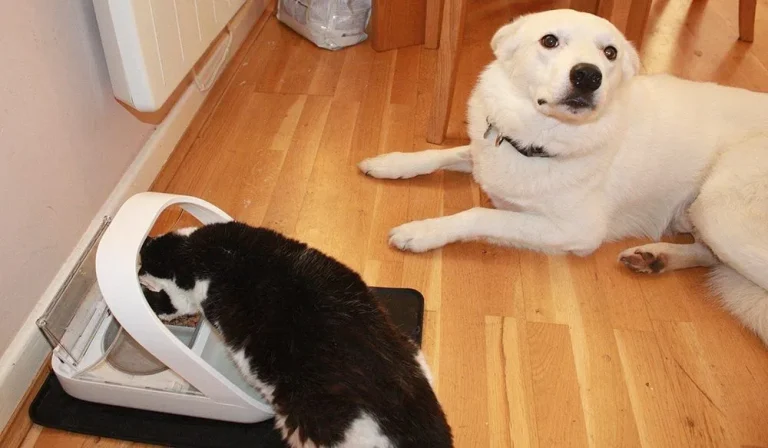
Feed your cat and dog in different rooms if possible. Close the door during meals. Microchip feeders are another option.
They open only for the pet with the right chip. That keeps your cat out of the dog's bowl.
Elevated Feeding, Baby Gates, and Timed Meals
Put the dog's food on an elevated surface if your cat can't jump that high. Baby gates work for dogs but not cats. Cats jump.
Timed meals help too. Feed both pets at set times and pick up the bowls after 15 minutes.
Storing Dog Food Safely and Watching Recalls
Store dog food in a sealed container your cat can't open. A locking bin or a high shelf works. Also check recall alerts regularly.
The FDA posts pet food recalls on its animal health page. A recalled dog food is dangerous for dogs and cats alike.
If you're shopping for dog food and want to know where a brand is made, our guide on where Jinx dog food is produced can help you check quality. But the main takeaway is simple: keep species-specific food separate.
FAQs: Dog Food and Cat Safety
Can a cat live on dog food?
No. A cat cannot live on dog food long-term. Dog food lacks taurine, arachidonic acid, and enough protein.
Per AAFCO standards, cat food must meet nutrient profiles that dog food doesn't. Cats fed dog food for months can develop heart disease, blindness, and malnutrition.
Will one bite of dog food hurt my cat?
Usually, no. One piece of kibble rarely causes harm in a healthy adult cat. But watch for vomiting or diarrhea.
If your cat has a health condition, call your vet just in case.
What if my cat eats dog food every day?
That's dangerous. Daily dog food leads to nutritional deficiencies. Taurine deficiency can cause dilated cardiomyopathy.
Symptoms may not show for months. Get your cat to a vet for bloodwork if this has been happening.
Is wet dog food safer for cats than dry dog food?
No. Wet dog food still lacks the right nutrients. It may also have higher fat, which can trigger pancreatitis.
Some wet dog foods contain onion or garlic powder. Neither is safe for cats.
Should I induce vomiting if my cat ate dog food?
Not without vet guidance. Inducing vomiting at home can cause more harm than good. Call your vet or a poison hotline first.
They'll decide if it's safe for your cat.
Do I need to take my cat to the vet after one bite of dog food?
Not usually. If your cat is healthy and acting normal, monitor at home. But call your vet if your cat has a chronic condition or shows symptoms.


2 Comments