Does Dog Food Attract Roaches? Complate Guide
If you’re wondering whether dog food attracts roaches, the short answer is yes. Cockroaches actively hunt for protein, carbohydrates, and moisture. Your pet’s dinner bowl provides all three in one convenient spot.
Leaving kibble out overnight practically guarantees a visit from scavenging insects.
In our research into pest behavior, we’ve found that German cockroaches can survive weeks without solid food but only days without water. Moist kibble solves both problems at once. Manufacturer specifications for standard dry pet food show protein levels between 18% and 30%.
That rich nutritional profile makes an open bag or unwashed bowl a primary target. Let’s look at exactly how this happens and what to do about it.
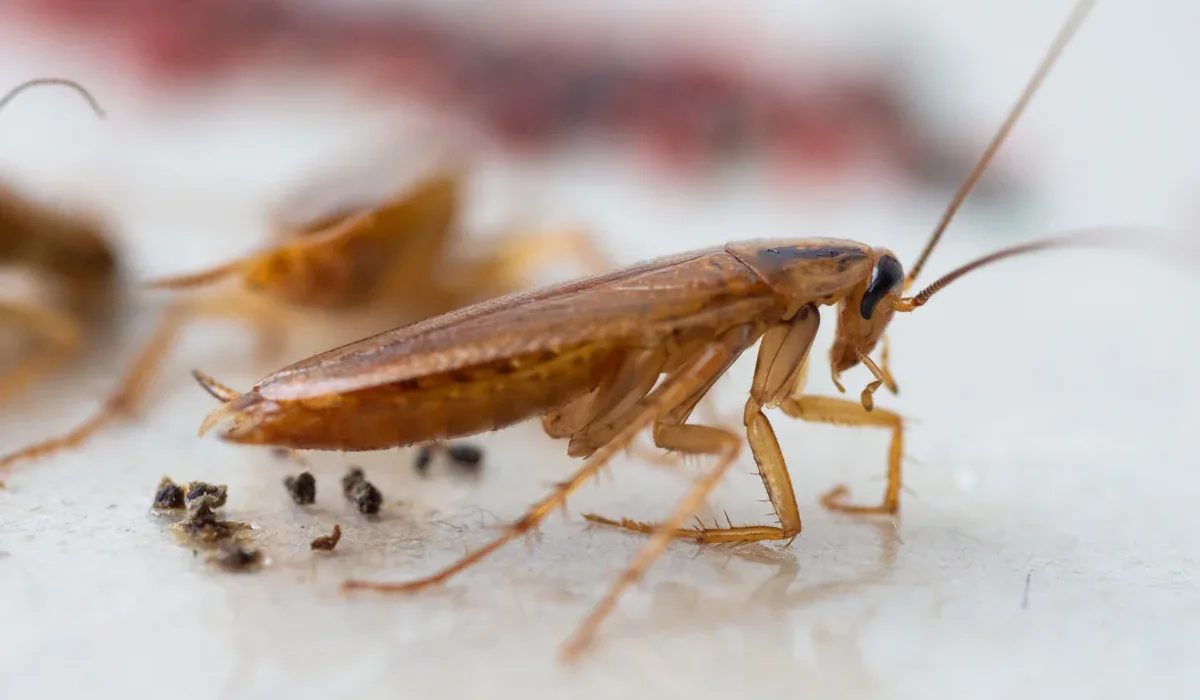
Image source: Bing (Web (fair-use with source credit))
Quick Answer
Yes, dog food attracts roaches quickly. Cockroaches need protein, carbs, and water. Pet bowls offer all three daily.
Unwashed dishes leave grease residue behind. Open kibble bags spread strong scent trails.
Why Roaches Target Pet Food (Protein, Moisture, and Grease)
Roaches are opportunistic scavengers. They don’t care about your dog. They care about survival.
Commercial pet food hits every biological trigger they rely on to breed and multiply.
Dry kibble contains high concentrations of animal proteins and fat. These macronutrients fuel rapid reproduction in species like the German cockroach. Even budget brands pack enough lipids to sustain a growing colony indoors.
Moisture is the real draw. Wet canned food obviously holds water. But dry kibble also absorbs ambient humidity once the bag is opened.
This turns hard pellets into soft, hydrating meals for pests.
Grease film is another massive factor. Kibble leaves a thin lipid residue on plastic bowls. If you only rinse the dish with cold water, that invisible layer stays behind.
Roaches track these scent trails directly to the feeding station.
Carbohydrate binders make things worse. Manufacturers use corn, wheat, and soy to hold kibble shapes together. These starches break down easily and provide quick energy for crawling insects.
Cockroaches are nocturnal. They hide in tight crevices during the day due to thigmotaxis, which is their preference for snug spaces. When the lights go out, they follow pheromone scent trails straight to accessible food.
A bowl left on the kitchen floor at midnight acts as a beacon. You won’t see them eating. You’ll only notice the population growing weeks later.
Understanding these dietary triggers explains why measuring portions by weight helps limit leftover crumbs. Less spilled food means fewer reasons for pests to linger near your home.
Decision Tree: Is Your Feeding Routine Inviting Cockroaches?
Not every dog owner ends up battling an infestation. The difference comes down to your daily habits. Run through these conditions to figure out your actual risk level.
Do you leave the bowl out all night?
If yes, your risk is high. Free-feeding gives nocturnal scavengers unlimited access. Even if your dog licks the bowl clean, saliva and grease remain.
If no, your risk drops significantly. Picking up the dish after 15 minutes removes the food source before roaches become active.
How do you store bulk kibble?
If you keep it in the original paper or thin plastic bag, your risk is high. Cockroaches chew through flimsy packaging easily. Rolled-down tops let odors leak into the pantry.
If you transfer kibble to a rigid polypropylene bin with a silicone gasket seal, your risk is low. Hard plastic blocks physical entry and traps odors inside.
Where does your dog eat?
If the bowl sits in a dark corner next to the refrigerator, your risk is high. Appliances generate heat and condensation. Those gaps provide perfect harborage sites right next to the buffet.
If you feed your dog in an open, well-lit area that gets swept daily, your risk is low. Exposed floors give bugs nowhere to hide while they eat.
Are you using the right equipment?
Standard plastic bowls scratch easily. Those micro-scratches trap grease and bacteria. Switching to stainless steel or ceramic makes degreasing much more effective.
You can also try specialized hardware. Bug-proof designs create physical barriers against crawling insects.
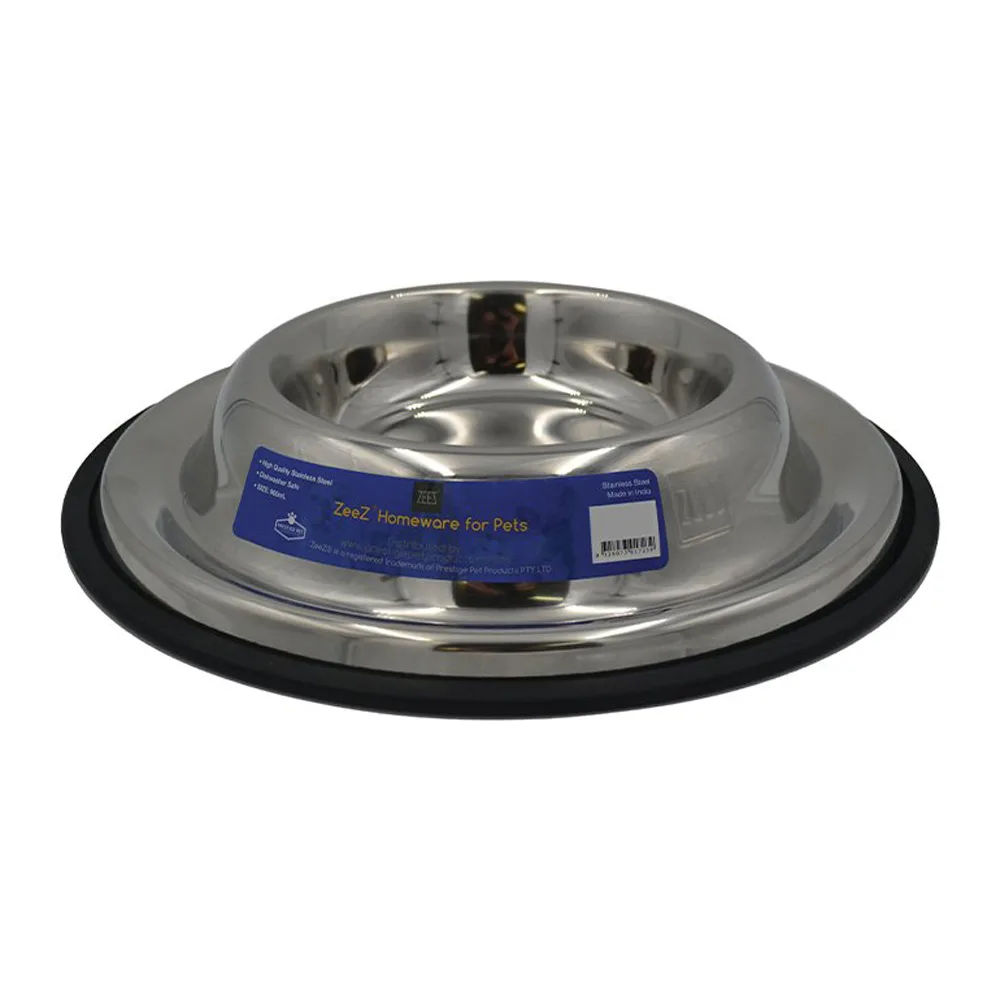
Image source: Bing (Web (fair-use with source credit))
A moat bowl features an outer ring you fill with water. It acts like a castle moat. Roaches cannot swim across it to reach the kibble in the center.
Choosing sturdy feeding dishes eliminates another easy access point for pests.
If you answered “yes” to any of the high-risk conditions above, you need to change your workflow immediately.
Dry Kibble vs. Wet Canned Food: Which Triggers Infestations Faster?
People always ask which type of food causes more trouble. Both attract pests, but they do it in different ways. Here is how they compare side by side.
| Factor | Dry Kibble | Wet Canned Food |
|---|---|---|
| Odor profile | Low when sealed, high when exposed | Very strong immediately upon opening |
| Moisture content | Absorbs room humidity over time | Naturally high water weight |
| Storage vulnerability | High if left in original bags | Low if unused portions stay refrigerated |
| Bowl residue | Leaves stubborn grease films | Dries into sticky crusts quickly |
| Overall pest risk | Moderate to high due to bulk storage | High if left unrefrigerated on counters |
Wet food smells stronger. Its high moisture content appeals directly to thirsty roaches. However, most owners serve it immediately and refrigerate leftovers in sealed containers.
It spends very little time exposed.
Dry kibble presents a different problem. Owners buy it in massive 30-pound or 50-pound bags. It sits in pantries or garages for weeks.
If stored poorly, it becomes a permanent breeding ground.
Kibble dust settles into cabinet corners. That fine powder is pure carbohydrate and protein. A single handful scattered under a fridge can support dozens of nymphs.
Wet food requires vigilance during prep. Wiping down counters after opening cans prevents cross-contamination. But dry food demands long-term storage discipline.
If you feed raw diets or freeze-dried meals, treat them like wet food regarding exposure time. Thawed raw meat emits strong odors that draw American cockroaches from outdoors. Knowing how much raw meat your dog actually needs prevents over-prepping and leaving excess food sitting out.
As of 2026, integrated pest management standards still rank accessible dry pet food as a top-three indoor attractant. The sheer volume kept in homes makes it a bigger structural issue than a single can of wet food.
The Workflow: How to Feed Your Dog Without Attracting Pests
You don’t need to change your dog’s diet. You just need to change the logistics. Follow this exact process to cut off the food supply completely.
Step 1: Switch to scheduled feeding
Stop free-feeding immediately. Put the bowl down at set meal times. Give your dog 15 to 20 minutes to finish eating.
If they walk away, pick the bowl up. Throw away leftover wet food or seal it in the fridge. Never leave a dish sitting on the floor overnight.
Calculating exact portion sizes based on weight ensures your dog eats everything quickly. Less leftover food means less temptation for scavengers.
Step 2: Upgrade your storage bins
Ditch the manufacturer bag as soon as you open it. Pour the entire contents into a hard-plastic container. Look for thick polypropylene with snap-lock latches.
Paper bags offer zero protection. Thin polyethylene tears easily. A proper bin blocks pheromone scent trails from leaking into your home.
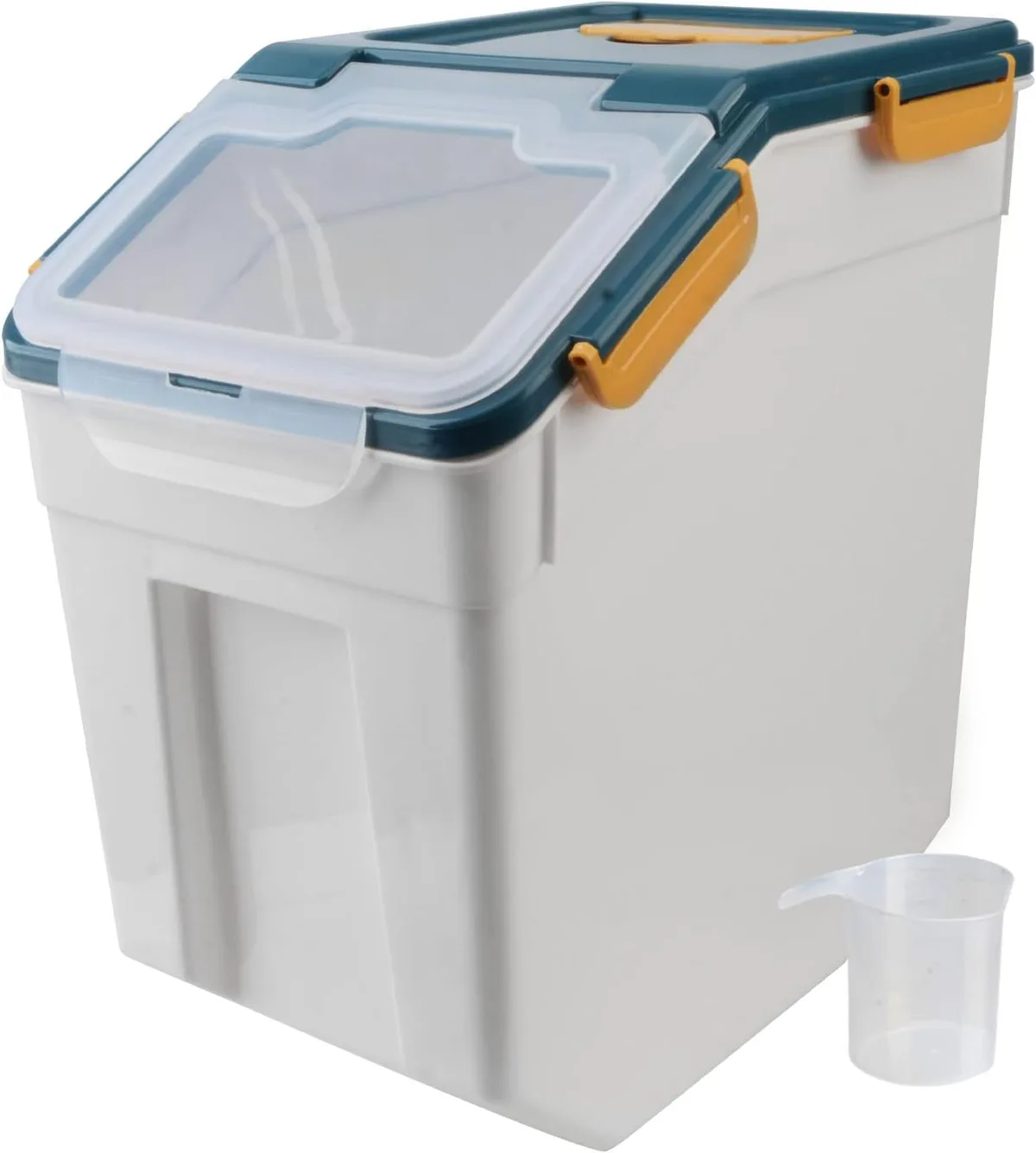
Image source: Bing (Web (fair-use with source credit))
Wipe the outside of the bin weekly. Dust and grease accumulate during pouring. If you can smell the dog food when the lid is closed, a roach can definitely smell it too.
Step 3: Wash the bowl properly
Rinsing with cold water doesn’t work. Kibble leaves a lipid film that binds to plastic and metal. Use hot water and dish soap every single time.
Degreasing breaks down the chemical markers roaches use to find food. Stainless steel bowls clean easier than scratched plastic ones.
Step 4: Manage the perimeter
Sweep or vacuum under the feeding station daily. Pay attention to baseboards and appliance gaps. Crumbs hidden in dark crevices act as anchor points for new colonies.
Move the bowl away from the refrigerator if possible. Heat and condensation from appliances create ideal microclimates for Oriental cockroaches.
Step 5: Inspect incoming bags
Before pouring new kibble into your bin, check the bag. Look for frass, which resembles black pepper flakes. Check for oothecae, the small brown egg cases roaches carry.
If you see signs of pests in the fresh bag, return it. Don’t pour contaminated food into your clean storage bin. You’ll introduce the problem directly into your supply.
If your dog shares space with other pets, keep their supplies separated. Dogs sneaking bites from feline dishes creates multiple messy feeding zones. Understanding why mixed diets cause issues helps you enforce stricter boundaries around every bowl in the house.
The EPA warns against applying aerosol pesticides near pet feeding areas. Chemical sprays pose severe toxicity risks to dogs. Rely on exclusion techniques and sanitation instead of spraying poison where your pet eats.
Safety Warnings: Keeping Bug Baits Away From Your Dog
If you already see roaches near the food bin, you need to act fast. But standard pest control methods create serious risks for pets. Aerosol sprays and chemical foggers are incredibly dangerous around feeding areas.
Pyrethroid-based sprays settle on floors and bowls. Dogs lick these surfaces constantly. Ingesting even small amounts of pesticide residue causes neurological issues and stomach distress.
Never spray bug killer where your dog eats or sleeps.
Boric acid powder is another common mistake. People sprinkle it under appliances thinking it’s safe. Dogs track it on their paws and ingest it while grooming.
The EPA strictly regulates indoor pesticide applications for this exact reason.
Safe bait placement protocols
Gel baits containing hydramethylnon work well against German cockroaches. You just have to place them correctly. Apply tiny dots inside wall voids or behind heavy appliances.
Your dog must never reach these spots. If a roach eats the gel and dies in the open, a dog might eat the bug. Secondary poisoning is rare with modern gels but still possible.
Enclosed bait stations offer better protection than loose gel. Look for heavy plastic stations that lock shut. Slide them under the refrigerator where only flat insects can enter.
Always check university extension entomology guidelines before buying traps. Verified research confirms which active ingredients pose the lowest toxicity risk to mammals. Following safe feeding routines means protecting their environment from harsh chemicals too.
Never use essential oil repellents as a natural alternative. Tea tree oil and eucalyptus are highly toxic to dogs. Stick to physical exclusion and sanitation instead of homemade chemical mixtures.
Frequently Asked Questions
Will roaches get into sealed plastic bins?
Roaches cannot chew through thick polypropylene plastic. They easily tear through thin bags and paper packaging. Always use rigid containers with silicone gaskets to block scent trails completely.
Do elevated dog bowls stop roaches?
Raising the bowl makes access slightly harder for crawling insects. It won’t stop a severe infestation on its own. Combine stands with scheduled feeding times for actual results.
Can roaches live inside dry kibble bags?
Yes, they burrow deep into bulk bags if left unsealed. Look for black pepper-like frass near the bag opening. Discard any contaminated food immediately rather than trying to save it.
Does washing the bowl really matter?
Grease film holds pheromone markers that guide scavengers back nightly. Rinsing with cold water leaves that lipid layer intact. Hot water and dish soap destroy the chemical trail completely.
Are outdoor feeding stations worse for bugs?
Garages and patios expose food to larger American cockroaches. Outdoor humidity also softens kibble faster, releasing stronger odors. Bring outdoor bowls inside immediately after your dog finishes eating.