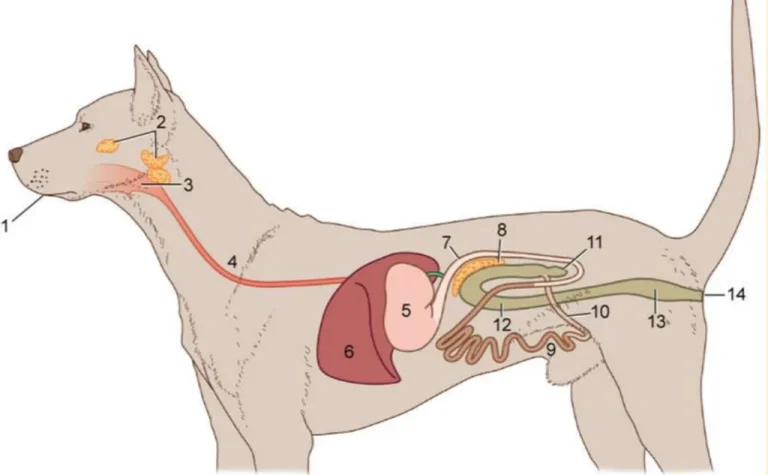
Why Did My Dog Stop Eating His Food?
If you are wondering why did my dog stop eating his food, you need to look at the whole picture. Skipping a single meal is usually fine. Refusing food for days requires action.
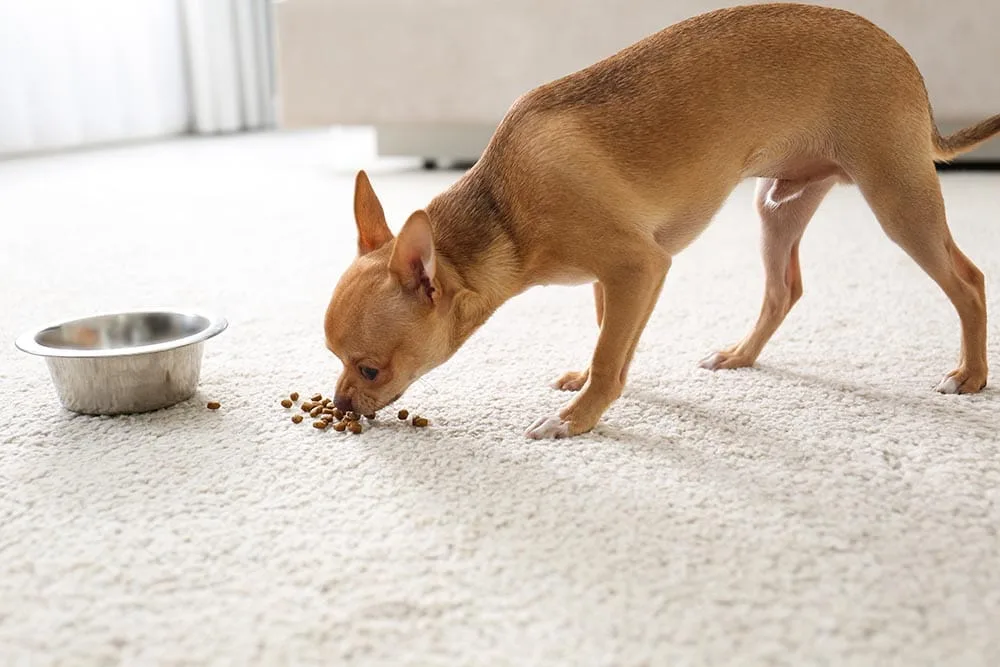
Image source: Bing (Web (fair-use with source credit))
Our research shows healthy adult dogs can safely fast for about 24 hours. Puppies under six months face dangerous blood sugar drops much faster. We will walk through exactly how to figure out what is happening.
Quick Answer
Dogs stop eating for many reasons. Some causes are purely behavioral. Others signal serious illness.
Watch your dog closely. Call a vet if fasting lasts over 24 hours.
The 60-Second Red Flag Check: When Skipping a Meal Is an Emergency
A skipped meal is rarely an emergency on its own. But inappetence paired with other symptoms means you need a vet right now. Before you try coaxing them with treats, run through this physical check.
Lift your dog’s lip and press gently on their gums. Healthy gums should be bubblegum pink. If they look pale, white, or grayish blue, that is a massive red flag.
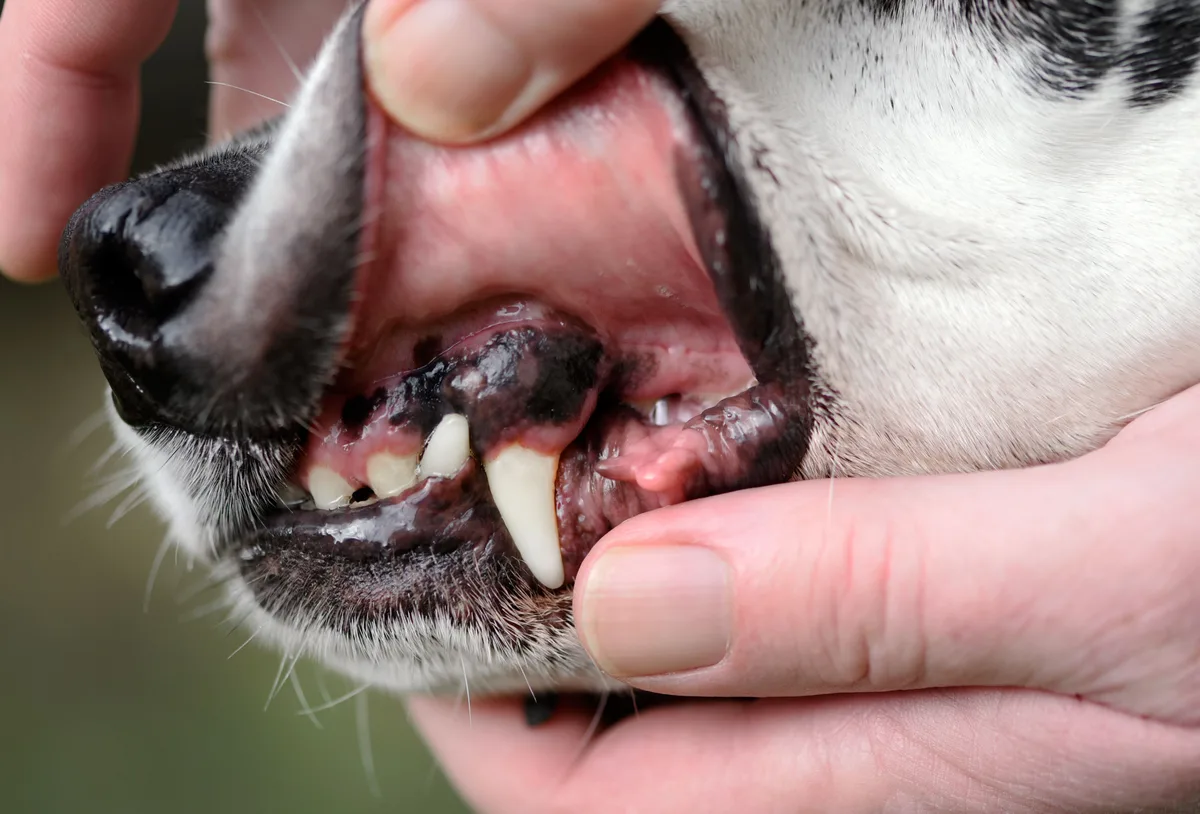
Image source: Bing (Web (fair-use with source credit))
You can also test capillary refill time by pressing the gum until it turns white. It should return to pink in under two seconds. Anything slower points to poor circulation or shock.
Next, watch how they move. Are they pacing, panting heavily, or hunching their back? These are classic signs of severe abdominal pain.
Conditions like gastric dilatation volvulus require immediate surgery.
Dry heaving without producing anything is another major warning sign. Their stomach might be twisting. Do not wait to see if they feel better by morning.
Finally, think about what they had access to recently. Toxins like xylitol, chocolate, and grapes cause rapid organ failure. If you suspect ingestion, call the ASPCA Animal Poison Control Center immediately.
If your dog hits any of these markers, skip the rest of this guide. Get to an emergency clinic. If they are drinking water and acting totally normal, we can troubleshoot further.
The Fasting Timeline: How Long Can Your Dog Safely Go Without Eating?
The timeline dictates your next move. You cannot treat a puppy the same way you treat a senior dog. Age and duration change everything.
Here is how veterinary guidelines generally break down safe fasting windows as of 2026.
| Dog Type | Safe Fasting Window | Primary Risk | Action Required |
|---|---|---|---|
| Adult dog | Up to 24 hours | Dehydration | Monitor water intake closely |
| Puppy (under 6 months) | 12 hours maximum | Hypoglycemia | Call your vet today |
| Senior dog | 24 to 36 hours | Hepatic lipidosis | Book a vet appointment |
Adult dogs have fat reserves that let them handle a missed meal. Puppies do not. Their blood sugar can crash dangerously fast.
You can read more about adjusting feeding schedules when transitioning young dogs to adult diets to prevent metabolic stress.
Hepatic lipidosis is a serious concern for older dogs. This happens when the liver gets overwhelmed processing fat during prolonged starvation. Even if your senior dog seems fine, a 48 hour fast can cause real organ damage.
Water intake matters just as much as food. A dog refusing kibble but drinking normally is in a much safer position. If they refuse both, the clock speeds up dramatically.
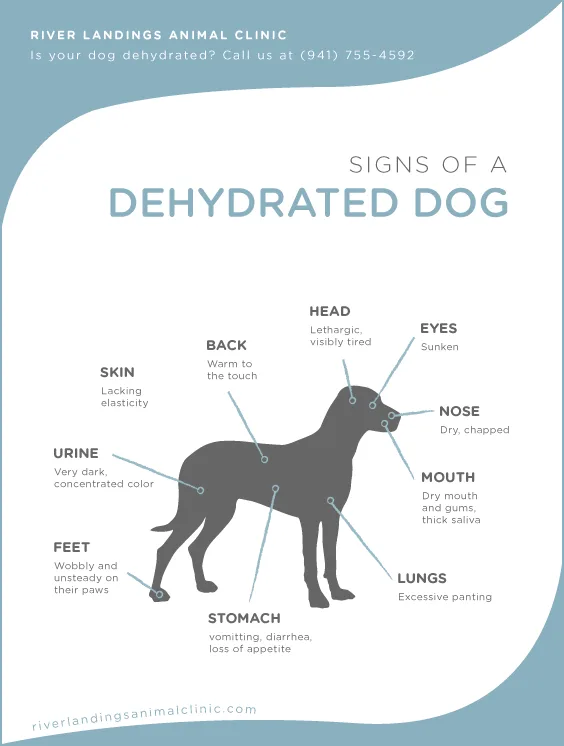
Dehydration compounds every other issue. Check their skin elasticity by gently pinching the scruff of their neck. It should snap back instantly.
Slow return means they are already dehydrated. Understanding daily hydration needs helps you gauge their overall baseline health accurately.
Decision Tree: Matching the Cause to Your Dog’s Behavior and Symptoms
Figuring out the root cause requires asking specific questions. Think of this as a branching path. Your answers will point you toward either a simple fix or a medical workup.
Behavioral vs. Environmental Triggers
Did someone in the house slip them table scraps yesterday? Dogs are incredibly smart. If they learn that ignoring dry kibble earns them a piece of cheese, they will hold out every single time.
This is the most common reason for sudden food strikes in otherwise healthy dogs. The fix is strict consistency. No treats, no human food, and no sympathy toppings for at least 48 hours.
Environmental stress is another huge factor. Moving houses, bringing home a new baby, or changing your work schedule disrupts their routine. Stress hormones directly suppress appetite.
Heat waves also play a role. Digestion generates internal body heat. During summer months, dogs naturally eat less to keep their core temperature down.
Feed them early in the morning instead.
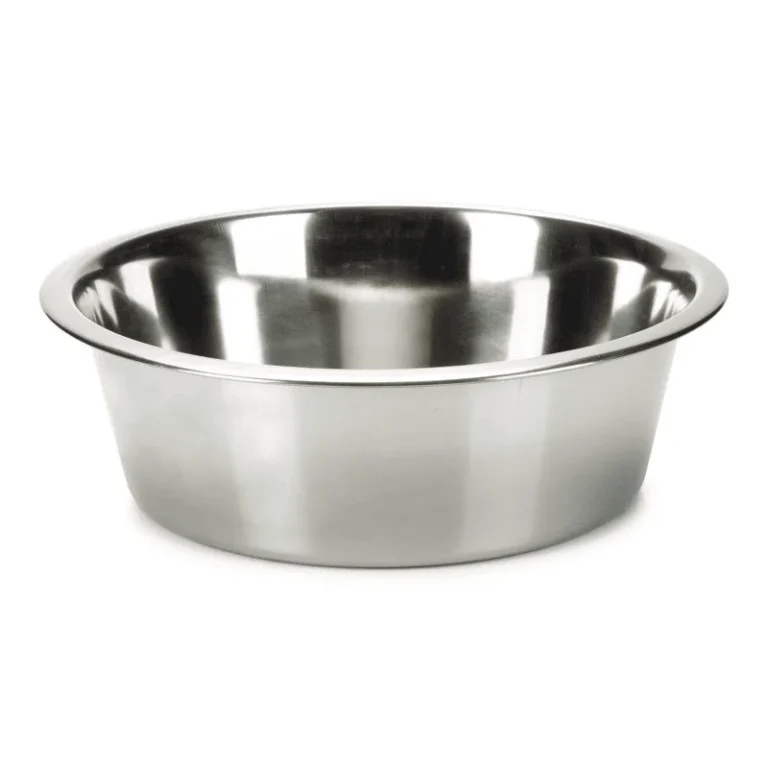
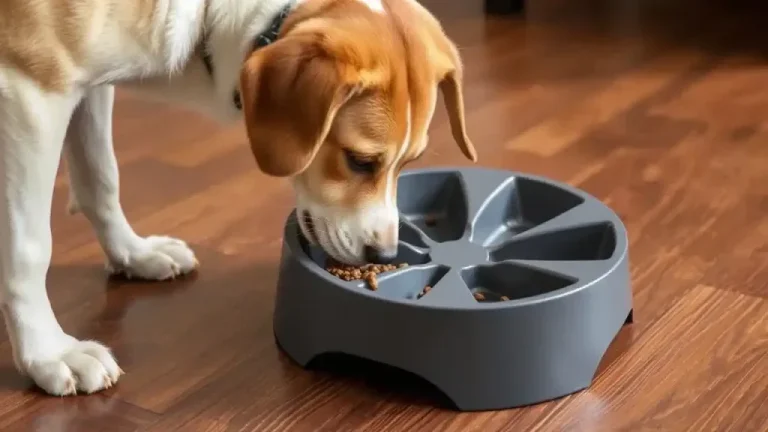
Sometimes the bowl itself is the problem. Metal bowls can reflect light or make loud noises that spook anxious dogs. Switching to ceramic or using elevated feeding stations often solves this overnight.
Proper bowl height reduces neck strain for larger breeds.
Did you recently switch their diet? Neophobia is a fear of new things, including unfamiliar food textures or smells. Sudden diet changes almost always trigger refusal.
Hidden Medical Causes (Pain, Nausea, and Blockages)
If behavior and environment check out, we look at physical pain. Dental disease is a silent appetite killer. Fractured teeth, severe tartar buildup, or oral tumors make chewing agony.
Smell their breath. A faint odor is normal. A smell like rotting meat means bacteria are destroying tissue inside their mouth.
They need a veterinary dental exam.
Nausea works the same way in dogs as it does in us. Acid reflux, eating toxic plants, or early kidney issues make them feel queasy. Lip smacking and excessive drooling are subtle nausea signs.
Foreign body ingestion is a constant threat. Dogs swallow socks, rocks, and corn cobs. If an object partially blocks their GI tract, food simply cannot pass through.
They might take a bite, drop it, and walk away. This often progresses to vomiting water. Abdominal radiographs or ultrasounds are the only way to confirm a blockage.
Medication side effects frequently cause hyporexia, which is a partial loss of appetite. NSAIDs prescribed for arthritis can cause gastric ulceration. Antibiotics often disrupt gut bacteria.
If the timeline matches a new prescription, call your prescribing vet.
Some dogs develop adverse reactions to specific proteins over time. Identifying dietary triggers early prevents chronic inflammation and long term food aversion.
Step-by-Step Fixes: What to Do Right Now Based on Your Findings
Once you identify the likely branch from the decision tree, apply the matching protocol. Do not guess. Pick the scenario that fits your dog perfectly.
Scenario 1: The Treat Holdout
If your dog is energetic but ignoring meals, cut all extras immediately. Put their measured kibble down for exactly 15 minutes. If they do not eat, pick the bowl up and put it away.
Do not offer snacks between meals. Do not feel guilty. You are resetting their hunger drive.
Most dogs cave within 24 to 36 hours of strict scheduled feeding.
Scenario 2: The New Food Refusal
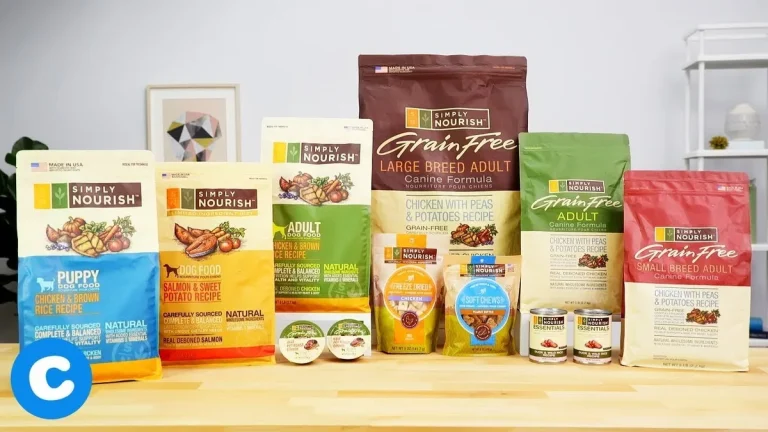
If you changed brands without a proper transition, go back to the old food. If you threw the old bag away, you need to build a bridge.
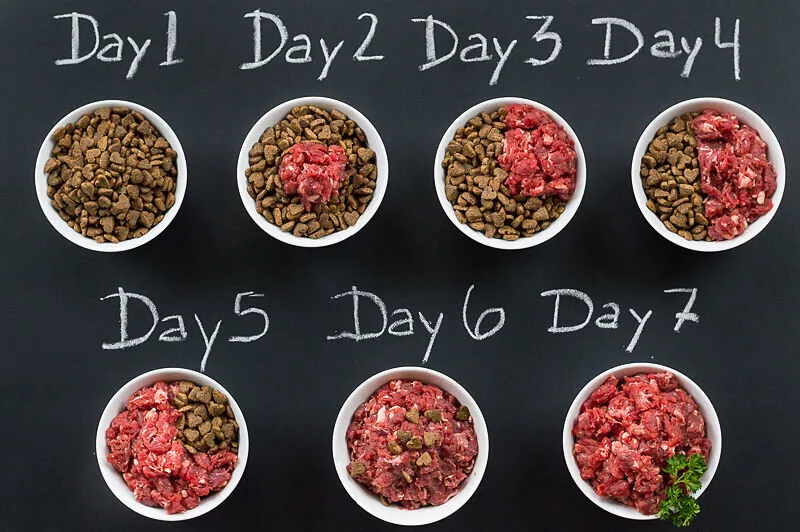
Image source: Bing (Web (fair-use with source credit))
Start by mixing 75 percent of the old formula with 25 percent of the new one. Increase the new food ratio slowly over seven to ten days. Rushing this process guarantees GI upset.
Warming wet food slightly releases volatile aroma compounds. This makes a huge difference for senior dogs losing their sense of smell. Ten seconds in the microwave is plenty.
Always stir and test the temperature before serving.
Scenario 3: Stress or Heat Induced Fasting
Keep their feeding location identical every day. Move the bowl away from high traffic areas, loud appliances, or other pets that might resource guard.
During hot weather, shift meal times to the coolest parts of the day. Ensure constant access to shade and fresh water. Calculating exact portions based on weight prevents overfeeding inactive dogs.
Scenario 4: Suspected Dental Pain or Joint Stiffness
Elevate their bowl so they do not have to bend painfully. If hard kibble hurts, you need to alter the texture. Adding warm water or low sodium bone broth softens the pieces quickly.
If they still refuse softened food, the pain is likely severe. Book a veterinary exam. Do not try to treat oral pain at home with human medications.
Dangerous Mistakes That Make Inappetence Worse
Panic leads to bad decisions. Owners trying to force their dogs to eat often create secondary emergencies. Avoid these common traps completely.
Never leave a full bowl out all day. Free feeding destroys a dog’s natural hunger cues. It also attracts pests and allows bacteria to multiply rapidly in warm kitchens.
Scheduled meals are non negotiable for troubleshooting.
Stop topping kibble with high value human food. Every time you add roasted chicken to convince them to eat, you train them to wait for the chicken. You are building a picky eater in real time.
Never give human over the counter medications. Ibuprofen, acetaminophen, and Pepto Bismol are highly toxic to dogs. Salicylates cause severe gastric bleeding.
Treating canine nausea requires veterinary prescribed antiemetics, not your medicine cabinet.
Force feeding via syringe is incredibly risky unless a vet explicitly showed you how. Dogs easily inhale liquid into their lungs when stressed. Aspiration pneumonia develops fast and carries a high mortality rate.
Ignoring the water bowl is another critical error. Owners focus entirely on food while missing dehydration. A dog can survive longer without calories than without hydration.
Track their water intake obsessively.
Mixing up portion sizes confuses their digestive system. Knowing standard volume measurements keeps their caloric intake stable while you troubleshoot the underlying issue.
Frequently Asked Questions
Why is my dog not eating but drinking water?
A dog drinking normally but refusing food usually has mild nausea or behavioral pickiness. Hydration keeps them stable while you troubleshoot the root cause. If this lasts beyond 24 hours, schedule a veterinary exam to rule out hidden pain or early organ dysfunction.
How do I get my picky dog to eat kibble?
Stop offering table scraps and high value treats immediately. Put their measured kibble down for exactly 15 minutes. Pick it up if they ignore it.
Repeat this at the next scheduled mealtime until their natural hunger drive returns.
Should I be worried if my puppy skips a meal?
Yes, puppies require immediate attention when they stop eating. Their small bodies lack fat reserves and face rapid hypoglycemia risks. Call your vet if a puppy under six months refuses food for more than 12 hours.
Finding appropriate nutrition for growing dogs helps maintain steady blood sugar levels between meals.
Can changing dog food brands cause appetite loss?
Sudden diet switches frequently trigger neophobia and gastrointestinal upset. Dogs notice changes in texture, fat content, and smell instantly. Always use a gradual transition protocol over seven to ten days to prevent refusal and diarrhea.
Is it normal for senior dogs to eat less?
Older dogs naturally experience slower metabolic rates and require fewer daily calories. However, sudden complete fasting is never normal aging. Weight loss combined with inappetence in seniors often signals dental disease, kidney decline, or cognitive changes requiring veterinary diagnostics.