Do Dog Hotels Provide Food? A Complete Guide for Owners
If you are wondering whether dog hotels provide food, the answer depends on the facility. Most boarding places offer a standard house kibble included in your nightly rate. You can usually bring your own meals instead.
Sudden diet changes often cause stomach upset for boarded dogs. Knowing how these kitchens operate helps you make the right choice before dropping off your pet.
Image source: Bing (Web (fair-use with source credit))
In our research across dozens of boarding facilities as of 2026, daily prep fees for owner-supplied meals typically range from $5 to $10. The American Kennel Club recommends sticking to your dog’s regular diet during travel to prevent digestive distress. Let us look at exactly how these feeding systems work behind the scenes.
Quick Answer
Most dog hotels provide basic house food. This kibble is included in the nightly boarding rate. You can also bring your own meals.
Facilities often charge a small daily prep fee. Always ask about their specific food policy first.
How Kennel Kitchens Work: House Food vs. Owner-Provided Meals
Boarding facilities generally run one of three meal service models. Understanding them helps you decide what works best for your dog.
The first model relies entirely on house food. The hotel buys commercial kibble in bulk and serves it to every guest. Your nightly rate covers this completely.
You just drop your dog off without packing extra bags.
The second model requires owner-provided food. These luxury dog boarding facilities do not keep bulk inventory. You must supply your dog’s exact meals.
Staff simply follow your written instructions at feeding time.
The third model is a hybrid setup. The hotel offers included house food but accepts personal meals for an upcharge. Managing individual bins takes extra staff time.
That is why they pass a small fee along to you.
Behind the scenes, a proper kennel kitchen runs like a strict protocol. Staff check a daily prep sheet listing each dog’s portion size and medications. They pull sealed containers from climate-controlled storage bins.
Everything gets measured out using a dedicated portion control scoop.
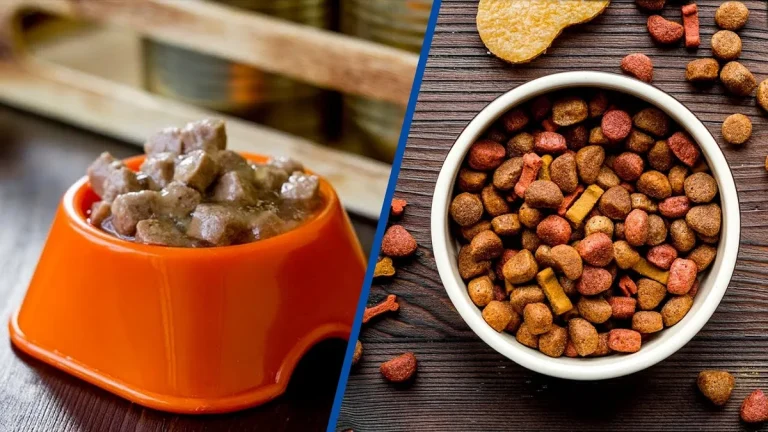
Image source: Bing (Web (fair-use with source credit))
Reputable places never guess your dog’s dietary needs. They follow your boarding intake form exactly. If your dog eats twice daily, they schedule AM and PM service blocks.
Bowls get collected and sanitized immediately after eating.
Knowing how many cups equal a pound helps you measure portions accurately when prepping bags for the staff. Precision prevents overfeeding while you are away.
Decision Guide: Should You Use Their Kibble or Pack Your Own?
Choosing between house food and personal meals comes down to your dog’s health history. Use this simple logic to decide.
If your dog has known food allergies, always pack your own food. A generic chicken-and-corn blend might trigger a reaction. You control the ingredients at home, so keep that control while boarding.
Check which proteins work if your pet reacts to common poultry.
If your dog eats a prescription diet like Hill’s or Royal Canin, bringing your own is mandatory. Facilities do not stock specialized veterinary formulas. Skipping these meals risks serious health setbacks.
If your dog eats raw or fresh-cooked meals, call ahead first. Not all places accept raw diets due to FDA handling guidelines for cross-contamination. Some urban luxury pet hotels have dedicated refrigeration for this.
Rural standard kennels usually refuse it entirely.
If your dog has an iron stomach and eats anything without issue, house food is fine. A single overnight stay rarely causes problems for tough digestions. Just verify the brand they use beforehand.
Picky eaters often refuse unfamiliar food due to boarding anxiety. Familiar scents encourage them to eat. Packing their usual bowl and kibble makes a huge difference here.
Puppies transitioning between growth stages need consistent nutrition. Changing their diet mid-trip disrupts their development. Keep their current formula stable until you return home to adjust their feeding schedule.
Here is a quick breakdown of who should choose which option:
| Dog Profile | Recommended Choice | Why It Matters |
|---|---|---|
| Allergies or sensitivities | Owner-provided | Prevents allergic reactions |
| Prescription diet | Owner-provided | Required for medical management |
| Raw or fresh-fed | Owner-provided (if allowed) | Maintains gut microbiome stability |
| Iron stomach, short trip | House food | Convenient and cost-effective |
| Picky eater | Owner-provided | Reduces fasting risk from anxiety |
| Senior dog | Owner-provided | Avoids sudden digestive shock |
Costs, Upcharges, and What to Expect at Check-In
Feeding policies directly affect your final bill. Standard house food is almost always baked into the base nightly rate. You will not see a separate line item for it on checkout.
Bringing your own food usually triggers a daily prep fee. In our research, this upcharge sits between $5 and $10 per day as of 2026. You are paying for the labor of storing, measuring, and cleaning individual containers.
Some high-end pet resorts waive this fee for extended stays. Others charge it flatly regardless of trip length. Always ask about meal prep fees during your initial phone call.
Surprise charges at pickup frustrate everyone.
If your dog needs medication hidden in food, mention it at check-in. Mixing pills into peanut butter or wet food takes extra effort. Some facilities include this service, while others add a small medical administration fee.
You also need to calculate total volume correctly. Packing too little forces the hotel to substitute emergency house kibble. Knowing your dog’s baseline intake by weight ensures you supply enough for the whole trip.
Add a 20% buffer for delayed flights or extended pickups.
Check-in is when you hand everything over. Staff will review your labeled containers against the boarding intake form. They will ask about meal frequencies and any specific add-ins like bone broth or warm water.
Be ready to explain your exact routine clearly.
Packing and Labeling Your Dog’s Food for Boarding (Without the Mess)
How you pack matters just as much as what you pack. Tossing a half-open paper bag into your trunk guarantees a mess. Kennel kitchens need rigid, sealable food containers to keep pests out and prevent spills.
Use heavy-duty plastic bins or thick zippered bags. Write your dog’s full name and your last name directly on the container with a permanent marker. Sticky notes fall off easily in a busy prep area.
Include exact portion sizes right on the label. “Two scoops” means nothing if the staff uses a different scoop than you do. Write “1.5 cups twice daily” instead.
Clear numbers eliminate guesswork.
Image source: Bing (Web (fair-use with source credit))
Pre-portioned daily meal baggies are the gold standard for longer trips. Put each day’s servings into individual Ziploc bags. Label them “Day 1 AM,” “Day 1 PM,” and so on.
This saves staff time and reduces measuring errors.
Keep supplements and medications in a separate labeled baggie. Tape it securely to the main food container. Fish oil pumps or joint chews get lost easily if tossed loosely into a big bin.
Always pack extra food. We recommend adding 15% to 20% above your calculated requirement. Travel plans change constantly.
Running out on the last day forces an unwanted diet switch.
If your dog eats kibble that gets stale quickly, check where the manufacturer produces it to understand its shelf life and packaging standards. Fresher food holds up better in temporary storage bins.
Finally, bring your dog’s actual food bowl if the hotel allows it. Familiar smells reduce stress. Eating from a strange metal pan can deter anxious dogs from finishing their meals.
Common Feeding Mistakes That Cause Boarding Diarrhea
Diet-induced stress diarrhea is the most frequent complaint after a boarding stay. It usually happens when staff feed the wrong kibble or owners pack poorly. A few specific mistakes cause almost all of these tummy troubles.
The biggest culprit is a sudden diet switch. If you rely on house food without checking the ingredients, your dog might get a completely new protein source. Switching from beef to chicken overnight triggers osmotic diarrhea in sensitive dogs.
Their gut bacteria simply cannot adapt that fast.
Another common error involves portion sizes. Owners often write “one scoop” on the bag without specifying the exact volume. Kennel staff use standard commercial scoops that vary wildly in size.
Your dog ends up eating double their normal intake. Overfeeding stressed dogs leads directly to loose stools and vomiting.
Medication timing also causes problems. If you mix pills into peanut butter but forget to tell the prep team, the dog skips their dose. Alternatively, staff might accidentally double up if instructions are unclear.
Always list medications separately on your dietary instruction sheet.
Cross-contamination in shared prep areas poses a real risk for allergic dogs. If a staff member uses the same scoop for a fish-based diet and then a poultry one, trace proteins transfer between bowls. This matters immensely if your dog requires specific allergy-friendly nutrition to stay healthy.
Ask the facility if they color-code utensils for allergen management.
Finally, owners frequently forget to account for travel days. If your flight gets delayed and you packed exact portions, the hotel runs out. Staff will substitute emergency house kibble to prevent fasting.
That unplanned substitution ruins the digestive stability you tried to protect. Always pack that 20% buffer we mentioned earlier. Knowing exactly how long a dog can safely go without eating anything at all helps you judge whether skipping a meal is safer than switching foods abruptly.
Frequently Asked Questions
Do luxury pet resorts charge extra for special diets?
Most luxury dog boarding facilities charge a daily prep fee for owner-provided meals. This typically costs between $5 and $10 per day as of 2026. The fee covers the extra labor required to store, measure, and serve individual containers safely.
House food remains included in the base nightly rate.
Can I send raw food with my dog to a boarding hotel?
Some urban pet hotels accept raw diets, but many refuse them entirely. Handling raw meat requires strict sanitation protocols to prevent bacterial cross-contamination. The FDA outlines clear safety standards for raw animal foods.
Always call ahead to confirm their refrigeration capabilities and raw feeding policies before booking.
What happens if my dog refuses to eat at the hotel?
Anxiety often suppresses a boarded dog’s appetite temporarily. Good facilities try warming the food or adding low-sodium bone broth first. If your dog skips more than two consecutive meals, staff should contact you immediately.
Familiar scents from home-packed food usually encourage them to start eating again.
Should I bring my dog’s food bowl to the boarding facility?
Bringing a familiar bowl helps reduce environmental stress. Dogs recognize the scent and shape of their own dishes. Eating from a strange metal pan might deter anxious pets.
Check with the hotel first, as some require stainless steel bowls for industrial sanitization cycles.
How do kennels handle dogs that need multiple daily meals?
Facilities accommodate puppies or seniors needing three or four daily feedings. You must specify this clearly on the boarding intake form. Staff schedule these extra meals during their standard prep blocks.
Pre-portioned daily meal baggies make this process much smoother for the kitchen team.