How Long Can a Dog Go Without Water and Food
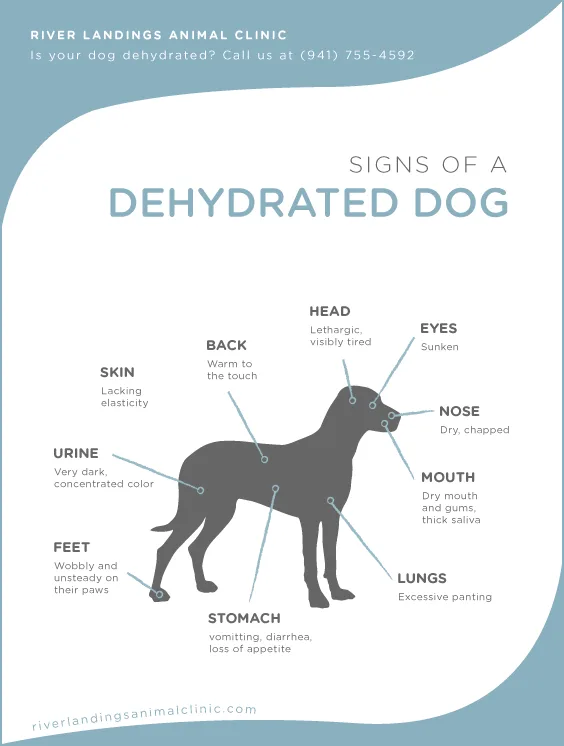
Image source: Bing (Web (fair-use with source credit))
If you’re wondering how long can a dog go without water and food, the answer depends entirely on your dog’s size, age, and health. A flat timeline will only mislead you. Dehydration damages organs fast, while skipping meals creates a slower but equally dangerous decline.
Water makes up roughly 60% of an adult dog’s body weight, per veterinary physiology standards. Losing even 5% of that fluid triggers clinical dehydration. Let’s break down exactly what happens when intake stops and how to triage it safely.
Quick Answer
A healthy adult dog survives about three days without water. Food deprivation is safe for roughly five days. Puppies and toy breeds face danger much faster.
Always contact a vet after 24 hours of water refusal.
Why Flat Timelines for Canine Fasting and Dehydration Are Dangerous
Generic timelines fail because dogs are not built the same. A 70-pound Labrador handles a missed meal completely differently than a four-pound Chihuahua. Giving you a single number ignores basic biology.
Our research into veterinary emergency protocols shows that context dictates survival. Variables like ambient temperature, underlying illness, and baseline hydration change everything. A dog vomiting in summer heat dehydrates critically within hours.
That same dog resting in air conditioning has significantly more time.
Treating starvation or water deprivation as a simple countdown leads to bad decisions. Owners wait too long because they read “three to five days” online. By then, acute kidney injury or hypoglycemia has already set in.
You have to evaluate the individual animal.
Underlying comorbidities accelerate the damage. Dogs with chronic kidney disease or diabetes mellitus lack physiological buffers. Their bodies cannot compensate for missing fluids or calories.
Even brief fasting can trigger severe metabolic crashes in these patients.
Size matters just as much as health status. Toy breeds possess almost no adipose reserves. They burn through available glucose rapidly.
Understanding when young dogs transition off puppy diets helps explain why their metabolic engines run so hot.
How Long a Dog Can Actually Go Without Water (And When Kidneys Take the Hit)
A healthy adult dog generally survives 48 to 72 hours without water. But surviving does not mean staying healthy. Organ damage begins well before that 72-hour ceiling.
If your dog refuses water for 24 hours, call your veterinarian immediately.
Water deprivation causes hypovolemia, which means low blood volume. The kidneys rely on steady blood flow to filter toxins. When fluid drops, the kidneys start shutting down to conserve water.
This leads to acute kidney injury very quickly.
You will notice decreased urine production first. Vets call this oliguria. Eventually, urine stops entirely, known as anuria.
Uremia follows as waste products build up in the bloodstream.
Environmental factors compress this timeline drastically. High ambient temperatures force dogs to pant heavily. Panting expels massive amounts of moisture.
Working dogs or highly active breeds lose fluid even faster during exertion.
Gastrointestinal issues make water refusal an immediate emergency. If your dog is vomiting or has diarrhea, they are losing fluids from both ends. Oral rehydration fails if they cannot keep water down.
Subcutaneous fluid administration or intravenous therapy becomes necessary.
Do not try to guess the exact hour your dog will crash. Watch for physical signs instead. Dry mucous membranes and tacky gums are early warnings.
Sunken eyes indicate late-stage, critical dehydration. Knowing the right daily portions by weight ensures they get enough moisture from their regular diet too.
Food Deprivation Timelines: Toy Breeds, Puppies, and Healthy Adults
Food refusal operates on a longer timeline than water deprivation. A healthy adult dog can typically go three to five days without eating. Serious nutritional deficits start causing problems after that window closes.
Skipping a single meal rarely warrants panic.
Puppies and toy breeds change the math completely. Small dogs have incredibly fast metabolic rates. They develop hypoglycemia within 12 to 24 hours of fasting.
Low blood sugar causes weakness, tremors, and eventually seizures.
Adult large breeds handle fasting better due to fat reserves. However, prolonged starvation forces the liver to process fat too quickly. This causes hepatic lipidosis, or fatty liver disease.
It is a life-threatening complication of extended anorexia.
Context determines whether fasting is voluntary or involuntary. A picky eater might skip kibble waiting for something better. An involuntary faster refuses food due to nausea, pain, or blockages.
You must tell the difference.
If your dog ate something unusual recently, fasting might be a symptom of toxicity. Accidental ingestion of other species’ diets can cause sudden gastrointestinal distress. We often see owners ask what happens when dogs eat feline diets after finding an empty bag.
Foreign objects or toxic plants also stop appetite instantly.
Involuntary anorexia always requires medical investigation. Voluntary fasting in a healthy adult might just need a dietary adjustment. Adding moisture-rich options or warming up dry kibble slightly can sometimes coax a hesitant eater.
Never assume a multi-day fast is just pickiness.
At-Home Triage: Checking Skin Turgor, Capillary Refill Time, and Gum Moisture
Don’t just watch the clock. Watch your dog. Physical assessments give you real-time data on their hydration status.
These checks take seconds and provide critical information for your vet.
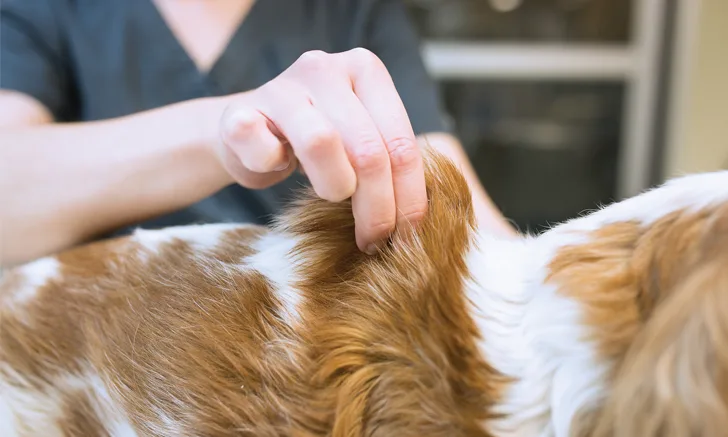
Image source: Bing (Web (fair-use with source credit))
The skin turgor test is your most reliable at-home tool. Gently pinch the loose skin between the shoulder blades. Lift it slightly and let go.
Hydrated skin snaps back instantly. Dehydrated skin stays tented or falls slowly.
Next, check capillary refill time. Press your finger firmly against your dog’s gums until the spot turns white. Release the pressure and count the seconds.
Normal color returns in under two seconds. Anything longer indicates poor perfusion from low fluid volume.
Evaluate gum texture while you are there. Healthy gums feel wet and slick. Dehydrated gums feel sticky or completely dry.
Pale or brick-red gums signal systemic distress requiring immediate intervention.
Combine these physical signs with behavioral observations. Extreme lethargy means they won’t engage or move normally. Hiding, whining, or a hunched posture suggests abdominal pain.
Document everything clearly.
Vets rely on precise data to act fast. Note the exact hours since their last drink or meal. Count episodes of vomiting or diarrhea.
The American Veterinary Medical Association emphasizes that accurate owner observations speed up emergency diagnostics. Bring this log directly to the clinic.
Step-by-Step Protocol: Coaxing Intake Safely vs. Driving to the Emergency Vet
When your dog stops eating or drinking, follow a structured triage protocol. Do not jump straight to forcing water into their mouth. Start with environmental checks and gentle encouragement.
Escalate to professional care based on specific thresholds.
Phase 1: Environmental Check
First, rule out simple annoyances. Wash the water bowl thoroughly. Dish soap residue deters many dogs.
Offer fresh, room-temperature water. Ensure the feeding area is quiet and free from stressors like new pets.
Phase 2: Gentle Encouragement
If the environment is fine, try coaxing them. Add a splash of warm, low-sodium chicken broth to their water. Avoid anything containing onions or garlic.
Warm up wet food slightly to release aromatic compounds.
Offer a small amount of a bland diet. Boiled chicken breast and plain white rice work well. If they refuse this, the issue is likely medical rather than behavioral.
Understanding appropriate serving sizes for larger breeds prevents overfeeding during recovery.
Phase 3: Symptom Logging
Track everything. Write down the last confirmed water intake. Note the last meal consumed.
Record any abnormal behaviors, panting, or bathroom habits. This data forms the foundation of your veterinary consultation.
Phase 4: Triage Decision Matrix
Use this table to decide your next move. Match your dog’s current state to the appropriate action.
| Condition | Action Required | Timeline |
|---|---|---|
| Skipped one meal, acting normal | Monitor closely, offer bland food | Reassess in 12 hours |
| No water for 12 hours, mild lethargy | Call primary vet for phone triage | Immediately |
| No water for 24 hours | Drive to veterinary clinic | Now |
| No food for 48 hours (adult) | Schedule urgent vet appointment | Today |
| No food for 12 hours (toy breed/puppy) | Emergency veterinary visit | Immediately |
| Vomiting plus refusing water | Emergency veterinary visit | Immediately |
| Suspected toxin or foreign body | Emergency veterinary visit | Immediately |
Phase 5: Safe Transport
If the matrix says go, do not delay. Keep the car cool during transport. Do not attempt to syringe water into a lethargic dog’s mouth.
Aspiration pneumonia is a fatal mistake owners make in panic.
Let the professionals handle fluid resuscitation. Intravenous catheterization restores blood volume safely. Antiemetic medications like maropitant stop the nausea preventing intake.
Trust the clinical workflow once you arrive.
Choosing a high-quality recovery diet matters after a fasting period. Our editorial analysis suggests looking into nutrient-dense formulas for growing dogs if your pet is young and recovering from illness. Proper nutrition rebuilds depleted reserves safely.
Critical Mistakes That Turn a Missed Meal Into a Medical Emergency
Panic causes the worst mistakes when your dog stops eating or drinking. Owners try to force solutions at home and accidentally create new emergencies. Avoiding these specific errors keeps your dog safe while you arrange veterinary care.
Never syringe water into a lethargic dog’s mouth. If they lack the energy to swallow normally, fluid enters the lungs instead of the stomach. This causes aspiration pneumonia.
It turns a dehydration problem into a respiratory crisis instantly.
Do not offer rich human food to coax a fasting dog. A heavy meal shocks an empty gastrointestinal tract. Dogs recovering from prolonged fasting need strict portion control.
Using standard volume measurements for kibble prevents accidental overfeeding during recovery.
Refeeding syndrome is a real danger after extended starvation. Feeding a starved dog too much too fast causes fatal electrolyte shifts. Phosphorus and potassium levels crash as insulin spikes.
Veterinary professionals manage this with calculated, gradual feeding protocols.
Avoid masking symptoms with high-value treats. Giving table scraps might get them to eat temporarily. But it hides the underlying cause of their inappetence.
You lose critical diagnostic clues your vet needs to find the real issue.
Don’t wait out vomiting alongside water refusal. Some owners think a 12-hour fast settles the stomach. That works for mild dietary indiscretion.
If vomiting continues without any water intake, hypovolemia accelerates rapidly.
Skipping a physical assessment is another major error. Relying only on the clock ignores what the body shows you. Checking gum moisture and skin turgor takes ten seconds.
Those findings dictate whether you monitor at home or drive to the clinic.
Finally, never assume picky eating explains multi-day fasting in sick dogs. Behavioral refusal looks different than medical anorexia. A picky dog begs for alternatives.
A sick dog turns away from everything, including favorites. Recognizing that difference saves lives.
Frequently Asked Questions
Can a dog survive three days without water?
A healthy adult dog can technically survive roughly 72 hours without water. However, irreversible kidney damage often begins well before that limit. You should contact a veterinarian if your dog refuses water for 24 hours.
Waiting three days risks fatal organ failure.
Why is my dog drinking water but refusing food?
Drinking but not eating usually points to nausea or oral pain rather than systemic collapse. Dental disease, gastrointestinal upset, or foreign bodies commonly cause this pattern. If food refusal lasts beyond 48 hours in an adult dog, schedule a veterinary exam.
Puppies need faster evaluation.
How do I hydrate a dog that will not drink?
Offer low-sodium chicken broth or ice cubes to encourage voluntary intake. Never force liquid into their mouth using a syringe if they are lethargic. Aspiration pneumonia is a severe risk.
If gentle coaxing fails within 24 hours, veterinary subcutaneous fluids are required.
Is it normal for a dog to skip a meal occasionally?
Yes, healthy adult dogs occasionally skip a single meal due to stress or minor stomach upset. Monitor them closely for other symptoms like vomiting or lethargy. If they resume eating within 24 hours and act normally, it is rarely an emergency.
Persistent refusal requires professional evaluation.
What happens if a puppy does not eat for 24 hours?
Puppies have minimal fat reserves and extremely fast metabolisms. Fasting for 24 hours puts them at severe risk for hypoglycemia. Symptoms include tremors, weakness, and seizures.
Take a fasting puppy to an emergency veterinarian immediately rather than waiting to see if their appetite returns.
Can changing food brands cause a dog to stop eating?
Sudden diet transitions frequently cause temporary inappetence or mild gastrointestinal upset. Dogs often reject unfamiliar textures or smells. Transition slowly over seven to ten days by mixing old and new formulas.
If total refusal lasts more than two days, consult your vet to rule out illness.