How Much Food to Give Dog With Medicine: Helpful Tips
Figuring out how much food to give dog with medicine is stressful when your pet feels sick. You don’t want them spitting the pill back out on the kitchen floor. Getting the portion wrong can block absorption or cause stomach damage.
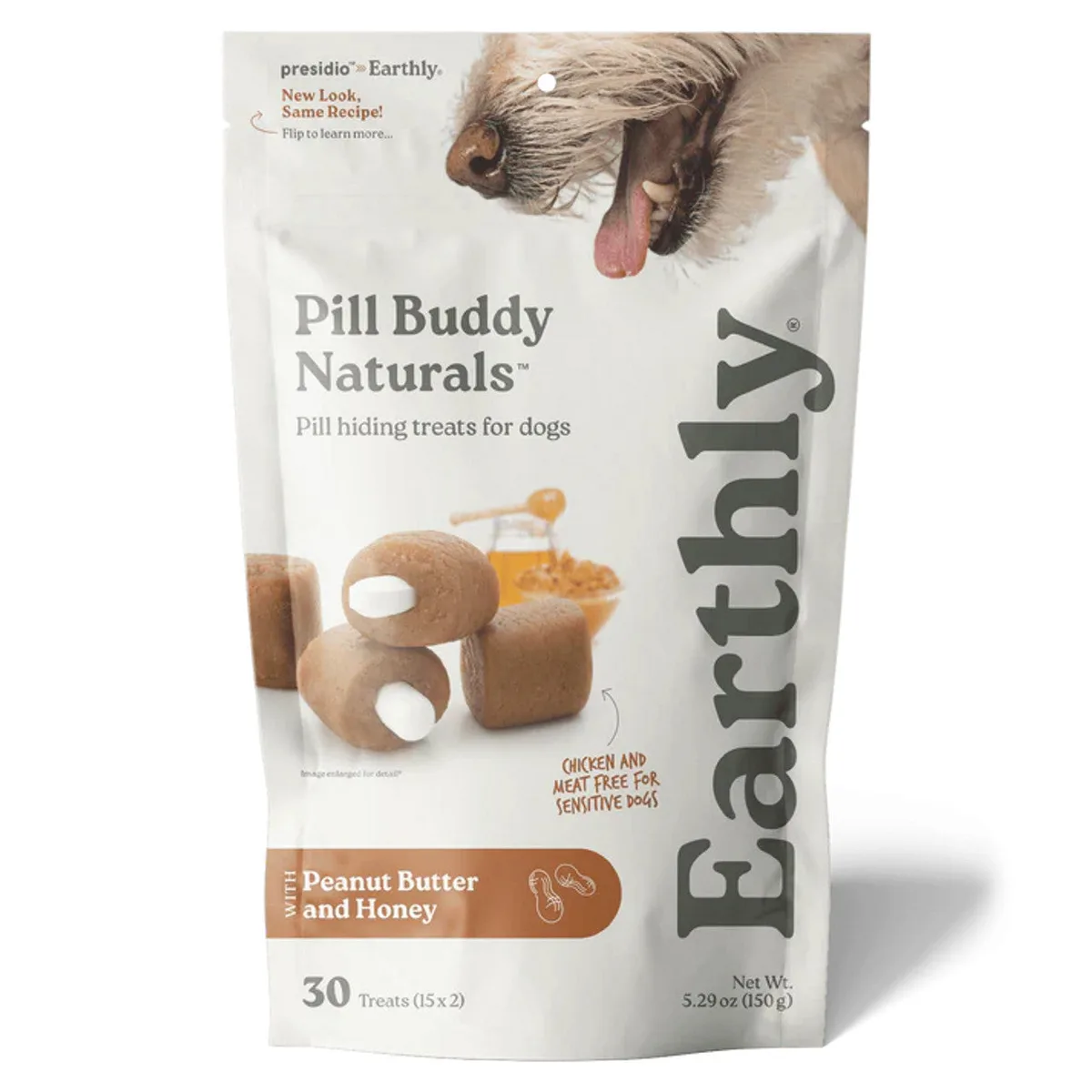
Image source: Bing (Web (fair-use with source credit))
Our research into veterinary pharmacology shows that drug bioavailability changes drastically based on gastric contents. The FDA Center for Veterinary Medicine regulates these oral medications and their specific feeding requirements. As of 2026, prescribing guidelines remain strict about pairing certain drugs with exact food volumes.
Let’s break down exactly what your dog needs to safely process their prescription.
Quick Answer
How much food to give dog with medicine depends on the drug type. Most pills need just one teaspoon of soft food. Fat-soluble drugs require a small handful of kibble.
Empty-stomach meds need zero food at all. Always read your specific prescription label first.
Why Guessing How Much Food to Give Your Dog With Medicine Is Risky
Giving medication blindly is dangerous because canine digestive tracts process drugs differently than ours. If you guess the food amount, you risk two major outcomes. The medicine might fail to absorb into the bloodstream.
Or it could burn through the stomach lining entirely.
Bioavailability refers to the percentage of a drug that actually enters circulation. Per veterinary pharmacology standards, an NSAID like Carprofen given without food buffering drops in safety. It increases the chance of gastrointestinal ulceration significantly.
That means internal bleeding from a simple arthritis pill.
Some owners think a bigger meal protects the stomach better. But dumping a pill into a massive bowl of kibble creates a new problem. Your dog might eat around the pill or leave half the bowl unfinished.
Then you have no idea if they swallowed the dose.
This is especially true if you recently changed their diet. Dogs adjusting to new formulas might skip meals anyway. Understanding when to transition their regular meals helps keep their appetite predictable during treatment.
Predictable eating habits make dosing far safer.
If a dog goes off their food completely due to illness, the timeline shifts. You need to know how long they can safely fast before forcing the issue. Fasting too long while needing oral meds requires immediate veterinary intervention.
Never let a sick dog skip both food and critical prescriptions.
The Quick Answer: How Much Food Actually Works for Most Pills
For most standard tablets and capsules, you only need one to two teaspoons of soft food. This is often called the meatball method in veterinary clinics. You wrap the pill tightly so the dog swallows it whole without chewing.
Chewing breaks the pill open and exposes bitter coatings.
Why so little food? Because you need absolute certainty the dog ate the entire dose. One teaspoon of low-sodium deli turkey disappears in a single gulp.
A full dinner bowl leaves room for the pill to get abandoned at the bottom. Small portions guarantee delivery.
However, this rule changes if the drug is fat-soluble. Medications like Itraconazole, an antifungal, require dietary fat to dissolve properly. Without fat, the drug passes through the intestines unabsorbed.
For these specific prescriptions, vets usually recommend mixing the pill into a small handful of regular food.
Always check if your dog has dietary restrictions before choosing a carrier. If your pet reacts poorly to poultry, you’ll need to find safe alternative protein sources to hide the pill. Using an allergen as a pill pocket defeats the purpose of treating them.
Stick to ingredients you already know their stomach tolerates well.
Here is a quick breakdown of standard food carriers and their best uses:
| Food Carrier | Portion Size | Best Used For |
|---|---|---|
| Xylitol-free peanut butter | Pea-sized dab | Standard solid tablets |
| Low-sodium deli meat | One small square | Picky eaters refusing treats |
| Canned wet food | One teaspoon rolled up | Bitter-tasting capsules |
| Commercial Pill Pockets | One pre-formed pouch | Daily chronic medications |
| Regular kibble mixed with fat | Small handful | Fat-soluble prescriptions |
Make sure you are measuring accurately if you track daily intake closely. Knowing how volume translates to weight prevents accidental overfeeding when adding treats for medication. Those extra teaspoons add up fast over a two-week antibiotic course.
Keep the treat portion strictly separated from their main caloric intake.
Empty Stomach vs. Full Meal: Timing Rules by Medication Type
Does every medication require food? No. Some drugs demand a completely empty stomach to work.
In veterinary medicine, “empty stomach” means giving the pill one hour before a meal. Alternatively, you can wait two hours after they finish eating.
Thyroid medications like Levothyroxine fall into this category. Food binds to the hormone in the gut and blocks absorption. If you give thyroid meds with breakfast, your dog essentially gets a zero dose.
Their metabolic levels will stay dangerously unregulated.
Antibiotics vary wildly depending on the exact compound prescribed. Amoxicillin is generally forgiving and absorbs fine with a small snack. But fluoroquinolones like Enrofloxacin interact heavily with minerals found in meals.
Giving them alongside a heavy dinner ruins the therapeutic blood levels.
NSAIDs and corticosteroids sit on the opposite end of the spectrum. Drugs like Meloxicam or Prednisone should almost never hit an empty gut. They are harsh on the mucosal lining.
Giving them without food buffering risks severe hemorrhage or vomiting.
| Medication Category | Stomach State Required | Reason |
|---|---|---|
| Thyroid (Levothyroxine) | Empty | Food blocks hormone absorption |
| Certain Antibiotics | Empty | Minerals bind to the drug |
| NSAIDs (Carprofen) | Fed | Prevents stomach ulcers |
| Steroids (Prednisone) | Fed | Reduces nausea and GI damage |
| Antifungals (Itraconazole) | Fed with fat | Requires fat to dissolve |
Liquid suspensions follow similar rules but absorb much faster. If a liquid requires an empty stomach, the timing window is stricter. Use the provided oral syringe to squirt it gently into the cheek pouch.
Don’t chase it immediately with a large meal unless directed.
Portion sizes matter here too. If a drug requires a fed state, you still don’t need a massive feast. Just ensure the portion matches their overall body weight requirements so you aren’t throwing off their daily caloric balance.
Overfeeding during a week of antibiotics causes unnecessary weight gain.
The Meatball Method vs. Mixing It In: Choosing the Right Delivery
Which delivery method works best? The meatball method wins for almost all solid pills. Mixing a pill into a full bowl should only happen when a vet specifically orders it for fat-soluble drugs.
Otherwise, hiding pills in large meals leads to missed doses.
To build a proper meatball, take one teaspoon of soft food. Press the pill deep into the center. Roll it between your fingers until the medicine is completely hidden.
Toss it to your dog like a normal high-value treat.
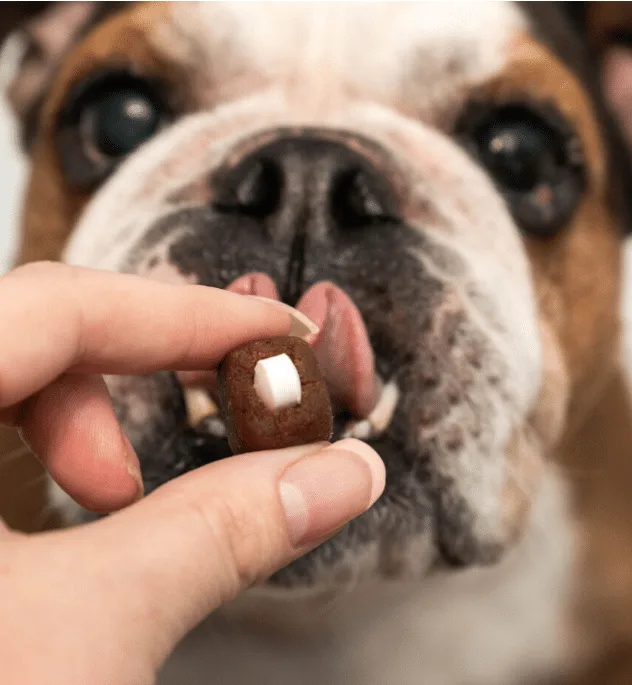
Image source: Bing (Web (fair-use with source credit))
The goal is speed. You want the dog to swallow it before sniffing it out. Warming the food slightly in the microwave for five seconds helps.
Heat releases aromatics that drive dogs crazy and mask chemical smells.
Commercial options like Greenies Pill Pockets work on the same principle. They are pre-molded pouches designed to seal around a tablet. They save time if you are managing multiple daily doses.
Just verify the flavor doesn’t contain ingredients your dog can’t handle.
Mixing powders or liquids into food requires different tactics. Powders often taste bitter and turn dogs off their entire bowl. If you must mix a powder, use a tiny amount of highly palatable food first.
Once they lick that clean, offer their normal dinner.
Sometimes owners try using table scraps to make the meatball more appealing. Be careful with seasoned human foods. Spices can upset a recovering stomach quickly.
Check which common holiday ingredients are actually safe before raiding the fridge for pill wrappers. Plain boiled chicken remains the safest bet.
You also need to consider the physical size of the capsule. Giant horse-pills are hard to hide in a teaspoon of peanut butter. If your dog struggles to swallow large formats, ask your vet about compounding.
Compounding pharmacies can shrink massive tablets into flavored liquid suspensions.
Dangerous Mistakes That Block Absorption or Harm Your Dog
What mistakes ruin a medication dose? The biggest error is using dairy products to hide antibiotics. Cheese seems like a perfect hiding spot, but calcium binds directly to many drugs.
This process is called chelation, and it renders the medicine useless.
Tetracyclines and fluoroquinolones are notorious for this interaction. When calcium wraps around the drug molecule, the intestines cannot absorb it. The expensive antibiotic passes straight into the waste.
Your dog’s infection continues growing unchecked while you think they are treated.
Image source: Bing (Web (fair-use with source credit))
Crushing pills without veterinary approval is another major hazard. Many capsules feature enteric coatings. These coatings protect the stomach acid from destroying the drug prematurely.
They also protect the stomach lining from harsh chemicals.
When you crush an enteric-coated pill, you destroy that engineered barrier. The drug dissolves in the wrong place. It can burn the esophagus or degrade instantly in stomach acid.
Never alter a pill’s physical shape unless the pharmacist explicitly says it is safe.
Xylitol toxicity is a fatal mistake waiting to happen. Xylitol is a sugar substitute found in many human peanut butters and baked goods. It causes rapid insulin release in dogs, leading to hypoglycemia and liver failure.
Always read the ingredient label on any jar you use as a carrier.
Accidental cross-contamination happens in multi-pet homes too. If you hide dog medicine in food left on the floor, cats might eat it. Certain canine medications are highly toxic to felines.
Learn why sharing meals between species causes harm to prevent secondary poisoning incidents. Keep dosing areas strictly separated.
Finally, don’t assume human logic applies to canine digestion. We often think a heavier meal cushions a stronger drug. But a dog’s gastric emptying rate differs from ours.
Too much food delays absorption past the therapeutic window. Stick to the one-teaspoon rule unless instructed otherwise.
What to Do When Your Sick Dog Refuses to Eat the Dose
A sick dog refusing food creates a dosing emergency. You cannot force a “give with food” medication into an empty stomach safely. If they reject the meatball three times, stop pushing it.
Forcing the issue usually ends with vomit on your kitchen floor.
Try warming the carrier first if you haven’t already. Five seconds in the microwave changes everything for a nauseous pet. Heat amplifies the scent of plain boiled chicken or canned wet food.
That extra aroma often triggers a reflex swallow even when appetite is gone.
If warming fails, switch up the texture entirely. Some dogs hate soft peanut butter when feeling ill but accept dry kibble. Others prefer a tiny lick of something sweet like mashed banana.
Just ensure any fruit additions don’t clash with their specific prescription.
Liquid medications require a different approach when appetite drops. Use the oral syringe to place the liquid deep in the cheek pouch. Follow it immediately with a tiny drop of water from a second syringe.
This washes the drug down without requiring them to chew anything.
Sometimes the problem isn’t nausea but sheer pill size. Massive capsules trigger a gag reflex in smaller breeds. Ask your vet about compounding pharmacies that shrink giant tablets into flavored liquids.
A cherry-flavored suspension is much easier to manage than a horse-pill.
Never skip doses just because your dog won’t eat. Missing critical antibiotics allows bacterial resistance to build rapidly. Call your veterinary clinic immediately if two consecutive meals are refused.
They can prescribe anti-nausea medication like Cerenia to restore appetite temporarily.
You might also need to adjust their regular diet during recovery. Finding out which ingredients offer the most protein helps maintain muscle mass when portions shrink. High-value nutrition matters more when they only take a few bites.
Every calorie needs to count while they heal.
Frequently Asked Questions
Can I crush my dog’s pill and mix it into wet food?
Only do this if your veterinarian explicitly approves it. Crushing enteric-coated capsules destroys the protective barrier designed for intestinal absorption. The exposed drug can burn the esophagus or degrade instantly in stomach acid.
Always ask before altering a tablet’s physical shape.
How long should I wait after feeding to give an empty-stomach medicine?
Wait at least two hours after a meal before giving drugs that require an empty stomach. Alternatively, administer the pill one hour before their next scheduled dinner. This window ensures the stomach has emptied enough for proper bioavailability.
Thyroid medications like Levothyroxine strictly follow this rule.
Is peanut butter safe for hiding daily dog medications?
Peanut butter works well as a carrier if it contains absolutely no xylitol. Xylitol is a sugar substitute that causes fatal hypoglycemia and liver failure in dogs. Read every ingredient label carefully before scooping from a new jar.
Stick to natural brands using only peanuts and salt.
What happens if my dog spits the pill out after eating the food?
Do not double the dose without calling your vet first. Giving twice the prescribed amount risks severe toxicity depending on the drug class. Wipe their mouth gently and check the floor for the missing tablet.
Contact your clinic for instructions on whether to retry immediately.
Should I use cheese to hide bitter antibiotic pills?
Avoid dairy products when dosing fluoroquinolones or tetracycline antibiotics. Calcium binds directly to these drug molecules through a process called chelation. This blocks the intestines from absorbing the medicine properly.
Use low-sodium deli turkey or commercial Pill Pockets instead.
Does the amount of food change based on my dog’s weight?
The food carrier portion stays small regardless of body size. A Great Dane still only needs one teaspoon of meat to hide a standard tablet. However, larger dogs taking fat-soluble drugs might need slightly more kibble to meet absorption requirements.
Base the carrier size on the drug type, not the dog’s scale weight. Knowing how large breed portions scale up prevents overfeeding treats alongside actual prescriptions.