When Do Dogs Switch to Adult Food? Complete Guide
When Do Dogs Switch to Adult Food? Complete Guide
Figuring out exactly when dogs switch to adult food can feel confusing. You want to support their growing bones safely. Transitioning too early can strip them of essential nutrients.
Waiting too long often causes rapid weight gain. We are here to clear up the confusion with a simple growth-based roadmap.
Our research shows that physical maturity dictates the timeline entirely. Breed size categories determine when those growth plates close. Guidelines from the Association of American Feed Control Officials designate specific nutrient profiles for growth.
Let us explore exactly how to time this shift for your specific dog.
Quick Answer
Knowing when dogs switch to adult food depends on their breed size. Toy and small breeds switch at nine to twelve months. Medium dogs normally transition around twelve to fourteen months.
Large breeds need puppy food for twelve to eighteen months. Giant breeds stay on puppy food for up to two years.
The Short Answer: It All Depends on Adult Weight
Most owners assume a dog becomes an adult at exactly one year old. This simple milestone works well for human birthdays. It is not accurate for canine physical development.
A dog reaches maturity based entirely on their genetics and skeletal structure.
A tiny Chihuahua will reach physical maturity long before a Great Dane. Their bones stop growing at completely different rates. Their calorie needs shift at different points in their lives.
This is why a single calendar date fails as a reliable guide.
You must base your feeding timeline on their expected adult weight. If you have a purebred dog, breed standards offer an accurate target. Mixed-breed owners should look at the parents for clues.
You can also ask your veterinarian to estimate their final size.
Switching diets at the right weight marker protects their joints. It also ensures steady muscle development. Moving to an adult recipe too soon risks calcium deficiencies.
Keeping them on a calorie-heavy growth formula too long leads to obesity early in life.
Puppy vs. Adult Dog Food: Why the Difference Matters
Puppy and adult formulas look similar inside the bowl. Their nutritional makeup is vastly different on a microscopic level. Growing dogs burn massive amounts of energy building new tissues.
They require dense calories to support this rapid cellular growth.
Puppy food contains higher levels of both protein and fat. If you are comparing kibble versus canned options, both formats follow this rule for puppies. They also feature very specific calcium and phosphorus ratios.
These minerals combine to build a strong skeletal frame.
An adult formula focuses on bodily maintenance. Adult dogs no longer need extra fuel to build bone density. Their baseline metabolic rate drops significantly.
They just need enough energy to play and sustain their existing muscle mass.
Feeding an adult dog a puppy formula is dangerous over time. The excess protein and fat quickly turn into stored body fat. Overweight dogs suffer from severe joint stress and heart issues.
You must respect the transition to protect their long-term health.
When to Make the Switch Based on Breed Size
Breed size provides the most accurate roadmap for dietary transitions. Growth plates in the legs close according to a predictable genetic schedule. We can break this down into four easily defined categories.
You just need to know your dog’s projected adult weight class.
Toy and Small Breeds (Under 20 lbs)
Small breeds mature much faster than their larger relatives. Dogs like Pomeranians and Yorkshire Terriers develop rapidly. They usually reach their full physical frame by nine or ten months of age.
You should initiate the food switch between nine and twelve months.
Toy breeds stop growing vertically very early. They might fill out slightly in the chest over the next few months. Continuing to serve puppy food past one year usually causes rapid fat accumulation.
Many small breeds are prone to obesity related joint stress.
Providing a dedicated feeding dish with measured portions prevents overeating. Small kibble pieces remain important during adulthood. You want a formula designed specifically for smaller jaws.
Medium Breeds (21 to 50 lbs)
Medium breeds represent the traditional one-year timeline. This category includes popular dogs like Beagles and Border Collies. They experience a steady growth curve throughout their first year.
You can safely switch them between twelve and fourteen months.
By twelve months, their bone structure is fully fused. They are no longer building major skeletal components. Their energy levels might remain very high into their second year.
However, their physical nutritional needs have stabilized.
It is completely fine to wait until fourteen months if your dog is highly active. A working farm dog burns more calories than a standard house pet. Just monitor their ribs and waistline closely during these transition months.
Large Breeds (51 to 99 lbs)
Large breeds require a very careful nutritional approach. Golden Retrievers and German Shepherds grow for much longer periods. Rushing their development causes severe orthopedic problems.
You should switch them between twelve and eighteen months.
Large breed puppy foods boast heavily controlled calcium levels. This stops the bones from growing too quickly. Fast bone growth often causes hip dysplasia and elbow issues.
They need these specific nutrient limits until their skeletal frame finishes fusing.
Some lean large breeds are ready at fourteen months. Stockier breeds might need the full eighteen months. Consult with your vet to confirm when their growth plates actually close.
Checking dense protein levels in their new food ensures they maintain their muscle mass.
Giant Breeds (100+ lbs)
Giant dogs live on an entirely different physiological schedule. Great Danes and Mastiffs take incredible amounts of time to finish growing. Their massive frames require slow and steady development.
They stay on puppy food for eighteen to twenty-four months.
Their massive bones take nearly two full years to solidify. Giving them standard adult food at twelve months is a dangerous mistake. It deprives them of the essential minerals needed for their immense skeletal support.
Always use a formula created specifically for large or giant breeds. Standard puppy foods do not restrict calcium tightly enough for a Mastiff. The Association of American Feed Control Officials requires specific nutritional labels for large-breed growth formulas.
Look for a label stating the food is suitable for the growth of large-sized dogs.
The Spay and Neuter Factor: Adjusting for Metabolism Shifts
Surgical sterilization changes how your dog processes energy. A spayed or neutered dog experiences a sudden drop in circulating hormones. This biological shift directly lowers their resting metabolic rate.
Their daily calorie requirements can drop by up to thirty percent.
Many owners mistakenly blame the surgery for sudden weight gain. The real culprit is the combination of a slower metabolism and high-calorie puppy food. If your dog is altered early, they still need puppy food for bone growth.
You must simply reduce their daily portion size after the surgery. Monitor their body condition score every single week. You should easily feel their ribs without pressing hard through a layer of fat.
They should also maintain a visible abdominal tuck when viewed from the side.
If they become severely overweight before their maturity date, speak to a vet. Do not switch them to an adult food just to cut calories. They still require the puppy formula vitamins.
You just need to restrict the total volume in the bowl.
The 7-Day Diet Transition Schedule

You should never change a dog’s food abruptly. The canine digestive tract contains specific bacterial colonies adapted to their current diet. A sudden change shocks this gut microbiome.
This shock almost always results in terrible diarrhea and stomach cramps.
A gradual transition gives their digestive system time to adapt. We recommend a structured seven-day schedule to blend the old and new meals. This slow approach prevents messy accidents on your living room rug.
Transition Day Old Puppy Food New Adult Food
Days 1 and 2 75% 25%
Days 3 and 4 50% 50%
Days 5 and 6 25% 75%
Day 7 Onward 0% 100%
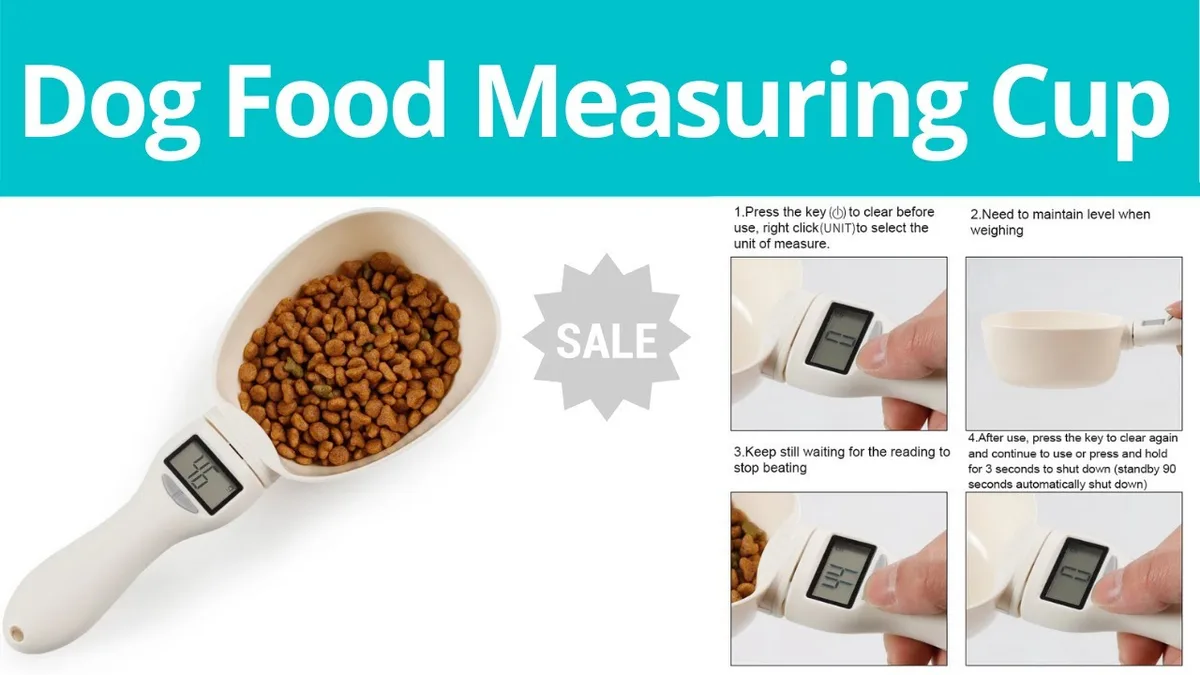
Measure the total volume carefully during this mixing phase. Do not just add new kibble on top of a full scoop of the old recipe. You must reduce the old food proportionally.
A common mistake is accidentally overfeeding during the transition week.
If your dog develops loose stools on day three, pause the process. Keep the ratio at fifty percent for an extra two days. Allow their stomach to settle completely before increasing the new food ratio again.
Patience ensures a smooth and painless transition process.
Signs You Switched Too Early (Or Too Late)
Timing the transition incorrectly produces visible physical symptoms. If you switch to adult food too early, you jeopardize their development. The lack of adequate calcium impacts their bone density.
Their coat might become dull or brittle due to lower fat content.
An early switch can also stunt their final height. Without sufficient protein, they cannot build adequate muscle structures. You might notice them acting lethargic or lacking their normal puppy energy.
These are clear signs of a nutritional deficit.
Switching too late creates an entirely different set of problems. The most obvious sign is rapid bodily weight gain. You will lose the ability to feel their ribs under their skin.
Their waistline straightens out and becomes blocky.
You might also notice chronic soft stools if they stay on puppy food too long. Their mature digestive tract struggles to process the excessive fat levels. Transitioning older dogs to later life stage diets requires similar careful monitoring.
Catching these signs early helps you correct the timeline before long-term damage occurs.
What About “All Life Stages” Dog Food?
Some pet food brands offer an “all life stages” label on their bags. This terminology can be very confusing for new owners. An all-life stages formula is legally required to meet the nutritional needs of a growing puppy.
It is essentially a puppy food branded differently.
These formulas contain enough calories and calcium to support canine growth. They are highly convenient for households managing multiple dogs of different ages. You can feed the same bag to a puppy and a mature adult.
However, they pose a significant risk for inactive adult dogs. The high caloric density easily leads to weight gain in older pets. If you feed this style of food, portion control becomes your most critical task.
You must restrict the daily volume strictly to prevent obesity.
Common Dietary Mistakes to Avoid During the Switch
Changing diets seems straightforward, but carries several minor traps. The biggest mistake is free feeding during the transition. Leaving a massive bowl out all day makes portion tracking impossible.
You cannot monitor your dog’s true caloric intake with a free feeding schedule.
Another frequent error is ignoring the feeding guidelines on the new bag. Adult food has a completely different caloric density than puppy food. One cup of the new brand might contain fifty more calories than the old brand.
Always consult the new label to determine the correct baseline portion.
We also see owners switching brands entirely without needing to do so. The easiest physical transition happens within the same brand family. Moving from a chicken-based puppy formula to a chicken-based adult formula minimizes digestive stress.
The base ingredients remain largely familiar to their gut microbiome.
Do not introduce new treats or human food during the transition week. If your dog gets an upset stomach, you need to know exactly what caused it. Adding external variables makes troubleshooting a digestive issue incredibly difficult.
Keep their diet strictly limited to the mixed kibble until day seven passes.
Frequently Asked Questions
How do I know my mixed-breed dog’s estimated adult weight?
Consult your veterinarian directly for an estimation. They evaluate paw size, bone structure, and current growth rate to predict final weight. You can also use online growth calculators based on their weight at sixteen weeks.
This gives a reliable baseline for planning.
Should I wet the new adult kibble?
Wetting the kibble helps dogs who refuse to eat the new food. Putting warm water over the bowl enhances the smell and softens the texture. This appeals to picky eaters during the transition week.
Just remember to discard any uneaten wet food after thirty minutes to avoid bacteria.
Do large-breed dogs need special adult food?
Yes. Large breed adult foods contain joint-supporting supplements like glucosamine and chondroitin. They also feature larger kibble pieces that force slower chewing.
This helps prevent dangerous conditions like gastric bloat. Standard adult food often lacks these specific preventative features.
Can my puppy eat adult food occasionally?
A few pieces of adult kibble dropped on the floor will not hurt a puppy. However, substituting whole meals with adult food causes nutritional gaps. Puppies absolutely rely on dense calcium and protein levels every single day.
Stick strictly to their designated growth formulas.
Does the feeding schedule change as of 2026?
The basic timeline for canine physical maturity remains unchanged by modern trends. Breed size still perfectly dictates when growth plates fuse. However, specialized formulations for aging terriers and other specific breeds continue to improve.
The proven seven-day mixing transition schedule is still the absolute standard.
Evaluating Stool Quality Post-Transition
Even after a careful mixing week, your dog’s digestive tract needs time to settle. You should monitor their bowel movements closely for the first fourteen days. Stool quality provides the most accurate reflection of how well they digest the new protein sources.
Healthy canine waste should be firm, segmented, and easy to pick up.
If their stool becomes consistently loose, the new adult formula might contain too much fat. You might also see mucus, which indicates mild intestinal inflammation. Feeding a temporary bland diet can help reset their stomach.
If flare-ups include vomiting, you might need a specialized recipe for soothing digestive disruption while they recover over the next few weeks.
Adjusting Portions for Adult Activity Levels
Feeding guidelines on dog food bags only provide a starting average. Every adult dog processes energy at a different rate based on their daily routine. A working border collie burns significantly more fuel than a couch-loving bulldog.
You must tailor the daily scoop to match their actual energy output.
Start with the manufacturer’s recommended amount for their target weight. Check their waistline every few weeks to see if they are storing excess fat. If they start gaining unwanted weight, drop their daily ration by ten percent.
You can choose specific kibble formats for brachycephalic jaws to help slower dogs chew properly and feel full.
Coping With Picky Eaters Refusing the New Kibble
Some dogs completely reject their new adult food during the transition. Puppy formulas often contain higher fat levels that taste much richer. Dropping down to a leaner adult recipe can seem unappealing to a stubborn dog.
Giving in and returning to the puppy kibble only reinforces this picky behavior.
You can encourage eating by adding a splash of warm water or low-sodium chicken broth. Heating the food releases aromatic oils that trigger their appetite. Just ensure you remove any uneaten moistened food after twenty minutes to prevent bacterial growth.
Over time, their hunger will easily override their stubbornness.
Tracking Core Body Condition Scores
Your dog’s weight on a scale does not tell the whole story. Muscle weighs more than fat, so athletic dogs might seem heavy on paper. Vets rely on the Body Condition Score system, supported by the World Small Animal Veterinary Association, to evaluate true physical health.
This visual scale measures physical shape rather than exact numbers.
Run your hands gently along their ribcage every week. You should easily feel the individual ribs beneath a thin layer of fat. A healthy dog also displays a clear hourglass shape when viewed from above.
Maintaining this lean profile protects their joints and improves their overall lifespan.
When to Consult a Veterinary Nutritionist
Most owners manage the dietary switch without major complications. However, certain medical flags require professional intervention. If your dog suffers from chronic diarrhea after switching, their gut might be rejecting a specific protein.
Severe itching or red paws also point toward an adverse dietary reaction.
In these cases, a board-certified veterinary nutritionist can formulate a safe alternative. They might suggest a prescription diet or addressing coat and dermis flare-ups with specialized novel proteins. Never try to diagnose a complex food allergy on your own.
Professional guidance ensures your dog receives complete nutrition without triggering painful symptoms.