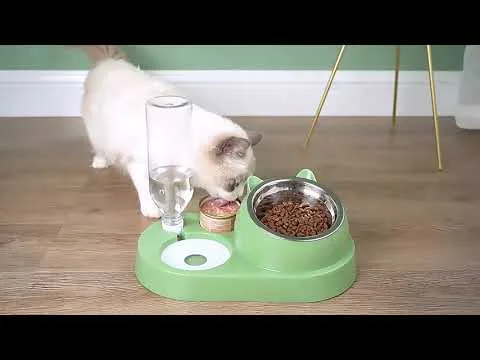
How to Get Ants Out of Dog Food
Figuring out how to get ants out of dog food usually starts with a nasty surprise at mealtime. You pour the kibble, and a line of sugar ants is already marching across the rim. That’s frustrating, but fixing it doesn’t require harsh chemicals.
Our research shows that leaving fatty residue under feeding stations attracts scout ants within hours. The FDA guidelines on animal feed safety confirm that pest contamination ruins nutritional value fast. Let’s walk through exactly how to stop them based on your specific situation.
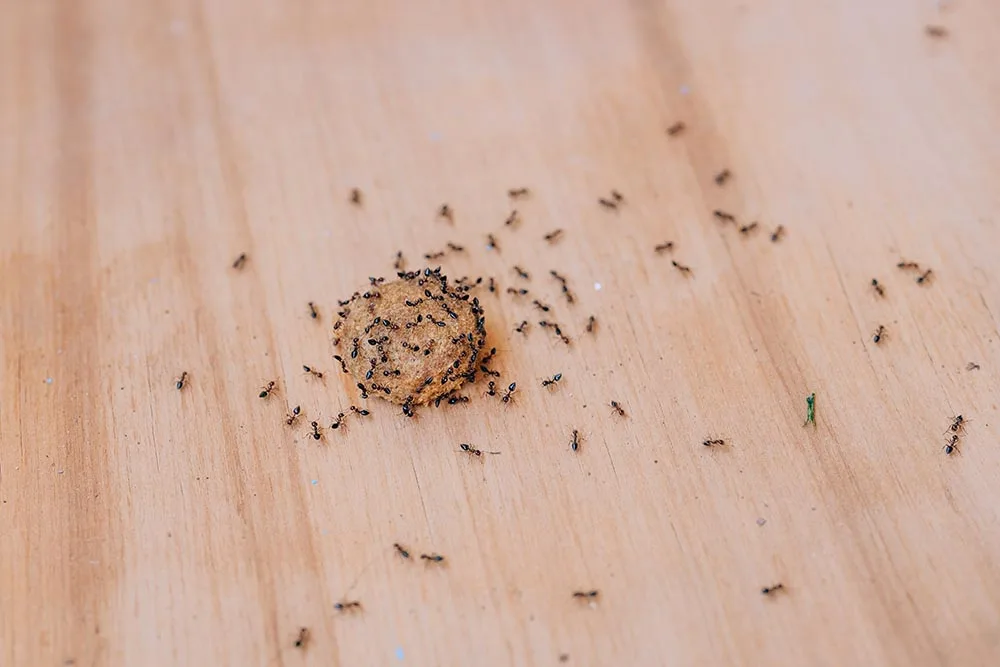
Image source: Web (Bing) / dogster.com (Web image (fair-use with source credit))
Quick Answer
Getting ants out of dog food requires removing the bowl immediately. Wipe the floor with white vinegar to erase scent trails. Transfer remaining kibble into an airtight container.
Use a water moat bowl to prevent future invasions.
Why Ants Target Your Dog’s Kibble (And When to Toss It)
Ants don’t just wander into your kitchen by accident. Scout ants leave invisible pheromone trails when they find fat or protein. Dry dog food is packed with both.
Once a scout marks your feeding station, the rest of the colony follows.
Kibble coated in animal fats acts like a beacon for grease ants and odorous house ants. They can smell lipids from a surprising distance. If you free-feed your dog, you’re basically running an all-you-can-eat buffet for local pests.
Sometimes the damage is already done before you even open the bag. If you find ants inside a sealed bulk bag, the infestation started at the warehouse or store. In that case, tossing the whole bag is your safest bet.
Don’t try to salvage heavily swarmed kibble. Ants secrete formic acid, which can irritate your dog’s stomach lining. Aggregate veterinary reports suggest that eating large amounts of contaminated food causes mild gastrointestinal upset.
If only a few scouts found the storage bin, you might save the batch. Freeze the kibble at 0°F for 24 to 48 hours to kill any hidden bugs. Then sift it outside using a fine mesh colander.
Proper storage stops this cycle entirely. Decanting bulk bags into gasket-sealed containers immediately after purchase prevents most issues. We’ve covered similar strategies for keeping opened cans fresh if your dog prefers meals with higher moisture content.
Moisture-heavy diets spoil faster and attract different pests. Understanding why bugs target certain ingredients helps you choose better storage methods. Choosing the right diet matters for pest control too, especially when comparing kibble against canned options.
The Decision Tree: Which Fix Matches Your Situation?
The right fix depends entirely on where the ants are right now. You need a different approach for a swarmed bowl versus a breached bag. Follow these branches to solve your exact problem safely.
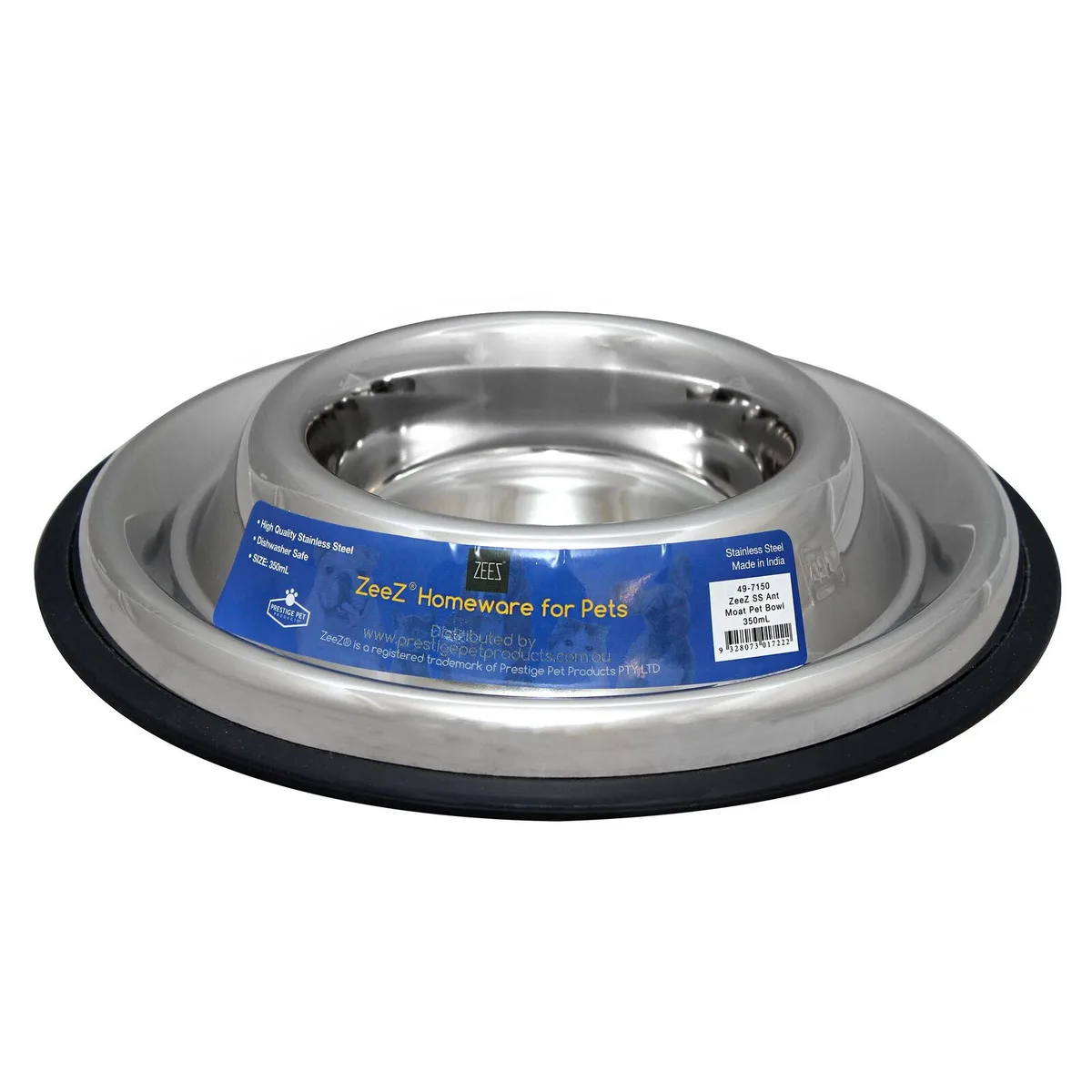
Image source: Web (Bing) / petstation.com.au (Web image (fair-use with source credit))
Branch 1: Ants Are Already Swarming the Bowl
If ants are actively crawling over the kibble, move the bowl outside immediately. Don’t dump it in your indoor trash can. That just relocates the swarm to your kitchen floor.
Next, break the pheromone trail. Mix equal parts white vinegar and water in a spray bottle. Wipe down the floor, baseboards, and walls where the bowl sat.
Vinegar destroys the chemical map the scout ants left behind.
Wash the stainless steel or plastic bowl with hot soapy water. Pay special attention to the rim and the bottom. Fat residue hides in scratches, and standard rinsing won’t remove it.
Once the area is clean, set up a physical barrier before putting fresh food down. A DIY water tray works perfectly here. Place a shallow baking pan on the floor, fill it with half an inch of water, and set the dog bowl in the center.
Branch 2: Scout Ants Found the Bag or Storage Bin
If you caught one or two scouts near your storage area, act fast. Check the seams and zip locks of your kibble bag. Ants exploit microscopic tears in plastic packaging.
Transfer all remaining food into a rigid, airtight pet food storage container. Look for bins with silicone gaskets and snap-lock lids. Flimsy plastic totes with loose covers won’t stop determined worker ants.
Apply a perimeter defense around the new container. Draw a continuous ring of food-grade diatomaceous earth around the base. This natural powder dries out the exoskeletons of insects that cross it.
Make sure you buy food-grade DE, never pool-grade. Pool-grade DE contains crystalline silica that damages lungs. Food-grade amorphous silica is safe for use around pets when applied as a light dusting.
Branch 3: You Need a Permanent Barrier for Daily Feeding
If you live in a warm climate where ants forage year-round, temporary fixes won’t cut it. You need a permanent daily setup. An ant moat bowl is the most reliable option as of 2026.
These bowls feature a built-in trench around the food dish. You fill the trench with plain water. Ants cannot swim across the moat to reach the kibble.
For dogs that tip their bowls, add weight. Place heavy river stones inside the outer water ring of the moat. Alternatively, stick double-sided tape to the floor around the feeding mat.
Ants get trapped before reaching the dish.
If your dog refuses to eat from a new setup, that creates another issue. Picky behavior during transitions happens frequently, so understanding why dogs reject meals helps you troubleshoot without giving up the ant-proof design.
| Scenario | Immediate Action | Long-Term Fix |
|---|---|---|
| Active swarm in bowl | Move outside, wipe floors with vinegar | Install water moat bowl |
| Scouts near storage bag | Transfer to sealed bin, apply DE ring | Buy silicone-gasket container |
| Year-round outdoor feeding | Elevate bowl, apply petroleum jelly rim | Double-sided tape perimeter |
Pet-Safe Barriers vs. Household Sprays: What Actually Works
You might be tempted to grab a can of ant spray from under the sink. Don’t do it. Standard household insecticides contain pyrethroids and permethrin.
These chemicals are highly toxic to dogs and cats.
The ASPCA Animal Poison Control Center handles thousands of calls every year regarding accidental pesticide exposure in pets. Spraying near a food bowl guarantees your dog will ingest those residues. Always choose physical barriers over chemical sprays.
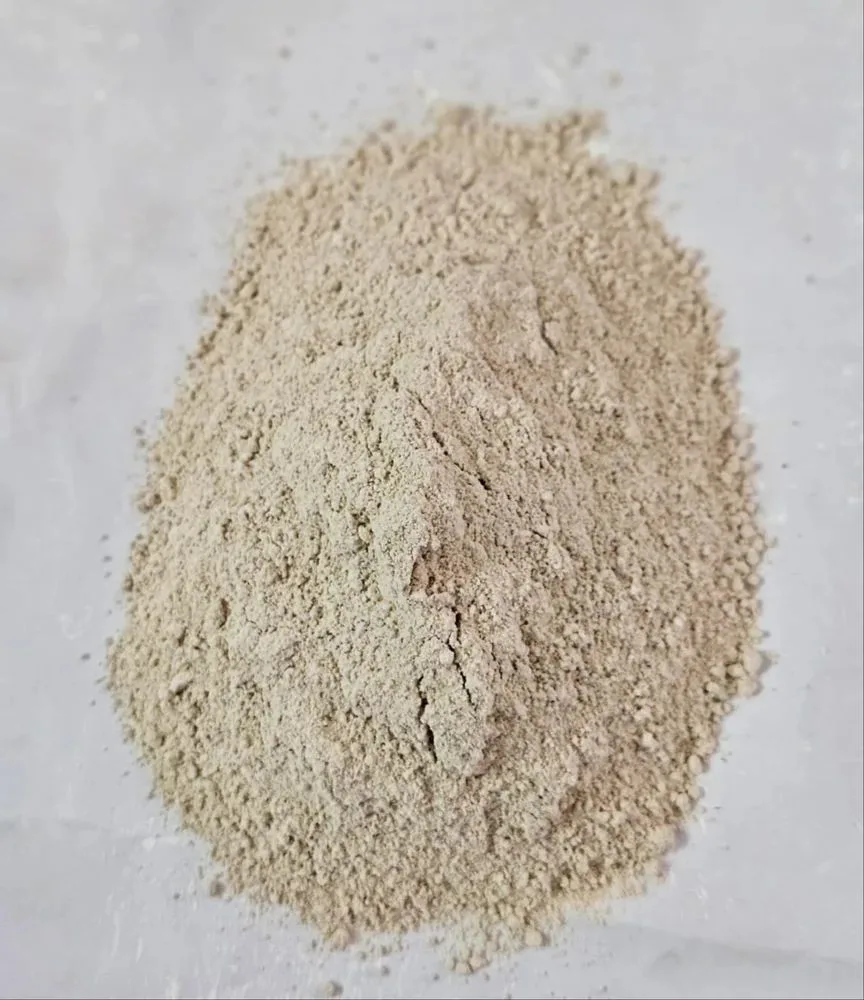
Image source: Web (Bing) / indiamart.com (Web image (fair-use with source credit))
Physical barriers work by blocking access without introducing toxins. Water moats are completely harmless. Even if your dog drinks from the moat, they’re just getting tap water.
Food-grade diatomaceous earth is another excellent choice. It costs about $15 for a large bag and lasts months. Just remember to reapply it if you mop the floor or if it gets wet.
DE only works when it remains dry.
Petroleum jelly creates a slick surface ants cannot climb. Smear a thin layer around the bottom exterior edge of the feeding stand. It’s messy, but it works incredibly well for elevated feeders.
Many people recommend essential oils online. Peppermint, tea tree, and eucalyptus oils repel insects effectively. However, university extension entomology departments warn that these oils cause severe liver damage in dogs if ingested.
Skip them entirely.
If you must use bait stations to control a massive home infestation, use borax-based traps. Place them high up on shelves or behind heavy appliances. Your dog should never be able to sniff or lick them.
Choosing the right equipment makes these barriers easier to maintain. Heavy, stable dishes prevent spills that attract pests in the first place. Upgrading to sturdy, easy-to-clean dishes eliminates the greasy residue ants love.
Stainless steel is always better than plastic for pest control. Plastic absorbs fats and develops micro-scratches. Stainless steel wipes completely clean, leaving zero scent markers for scout ants to follow.
Mistakes That Put Your Dog at Risk
The biggest mistake we see is treating the symptom instead of the source. Killing the ants in the bowl does nothing if the pheromone trail still leads to your kitchen. You have to erase the trail with vinegar or soapy water every single time.
Another common error is assuming a closed bag is a sealed bag. Those thin plastic zip locks on bulk kibble bags fail constantly. The plastic degrades, and the zipper tracks separate.
Always decant food into a hard-sided bin.
Leaving food out all day practically invites trouble. Free-feeding means the bowl sits full for hours. If you struggle with pests, switch to scheduled meals.
Put the bowl down, let your dog eat for fifteen minutes, and pick it up.
Using the wrong type of diatomaceous earth is a serious health hazard. We mentioned this earlier, but it bears repeating. Pool filter DE is sharp and dangerous.
Only use products explicitly labeled “food-grade.”
Ignoring the space underneath the bowl is a trap. Dogs drool, and kibble dust falls. That greasy film on the floor acts like a runway for grease ants.
Wash the floor under the feeding station daily.
Finally, don’t panic and throw away expensive premium food over one stray ant. If a single scout wanders in, pick it out and monitor the area. But if the bag has a visible entry hole and dozens of workers inside, cut your losses.
Replacing ruined food gets expensive fast. Some owners try making meals at home to avoid storage issues entirely. If you go that route, handling homemade chicken recipes safely requires strict refrigeration to avoid attracting other pests.
Sudden dietary changes during an ant crisis can also backfire. If you toss the old bag and buy a totally different brand, watch your dog’s digestion closely. Switching formulas abruptly often triggers sudden stomach upset while you’re already stressed about bugs.
Frequently Asked Questions
Will my dog get sick from eating ants?
Most dogs handle a few swallowed ants without any issues. Ants secrete formic acid, which tastes bitter but rarely causes harm in small amounts. If your dog eats a large swarm, watch for drooling or mild vomiting.
Contact your vet if symptoms persist beyond a few hours.
How do I get ants out of a sealed bag of kibble?
Place the entire bag inside your freezer for 24 to 48 hours at 0°F. This kills the ants safely without using chemicals. Afterward, pour the kibble through a fine mesh colander outside to sift out the dead insects.
Transfer the clean food into an airtight container immediately.
Are ant traps safe to use near dog bowls?
Standard liquid and gel baits contain borax or insecticides that are toxic if swallowed by pets. Never place open bait stations on the floor near feeding areas. If you must use traps, secure them behind heavy appliances or high on shelves where your dog cannot reach them.
Does vinegar really stop ants from finding pet food?
Yes, white vinegar effectively destroys pheromone trails. Scout ants leave chemical markers that guide the rest of the colony directly to your dog’s bowl. Wiping the floor with a 50/50 mix of water and white vinegar erases those invisible paths completely.
Reapply after mopping.
What is the best type of bowl to keep ants away?
Stainless steel bowls paired with a water moat offer the strongest defense. Plastic retains fats and develops scratches that hold scent markers. Stainless steel wipes perfectly clean.
A built-in water trench physically blocks worker ants from crossing over to reach the dry food.
Can I use essential oils to repel ants around my dog?
Avoid using peppermint, tea tree, or eucalyptus oils near your pet. While these oils repel insects, they are highly toxic to dogs and cats if ingested or absorbed through their paws. Stick to physical barriers like water moats or food-grade diatomaceous earth instead.