How to Can Dogs Eat Cat Wet Food
If you're wondering whether dogs can eat cat wet food, the short answer is no. A tiny lick won't poison your dog, but making it a habit causes real harm. Feline diets pack far too much fat and protein for a canine digestive system.
Per AAFCO nutrient profiles, adult cat food requires at least 26% crude protein compared to just 18% for dogs. That gap drives every issue we'll cover below. Let's look at exactly why this matters.
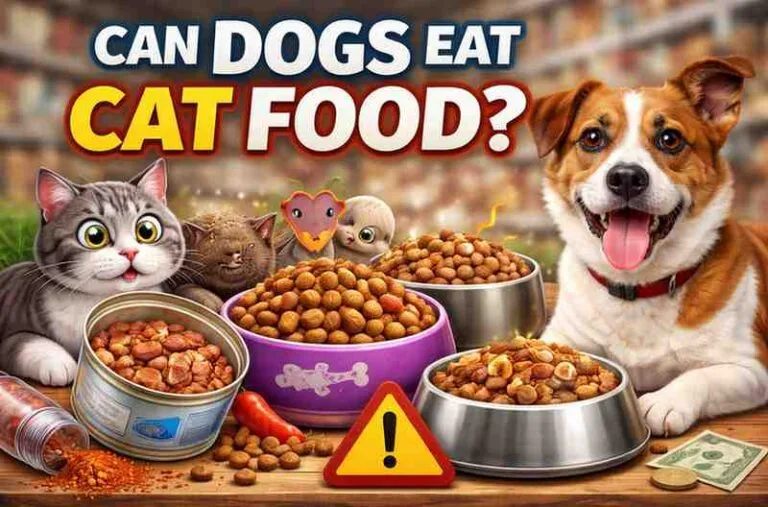
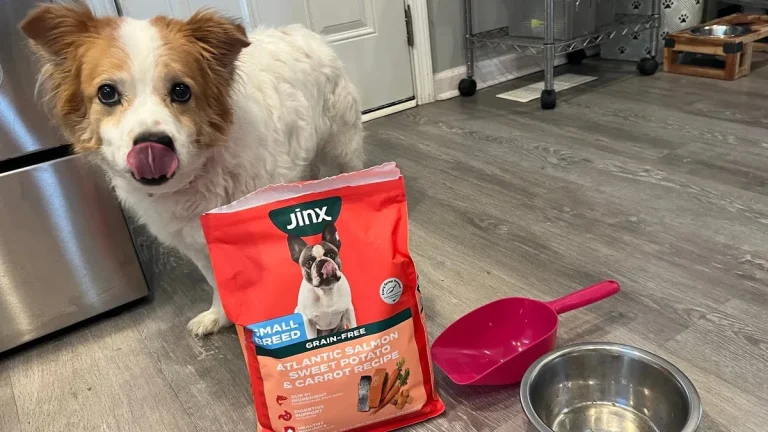
Image source: Bing (Web (fair-use with source credit))
Quick Answer
Dogs should not eat cat wet food regularly. A single bite rarely causes an emergency. Cat food contains excess fat and protein for dogs.
This triggers stomach upset or pancreatitis over time. Keep their bowls strictly separate.
Can Dogs Eat Wet Cat Food? The Short Answer
Can dogs eat wet cat food safely? No, they really can't. A quick lick off the floor won't send you rushing to the emergency vet.
But treating feline canned food like a harmless snack is a mistake.
Cats are obligate carnivores. Their bodies demand heavy loads of animal protein and fat just to survive. Dogs are omnivores.
They thrive on a balanced mix of proteins, fats, and carbohydrates.
When your dog eats food formulated for a cat, their body gets flooded with nutrients it doesn't need. We've seen aggregate veterinary reports consistently flag dietary indiscretion as a top cause of sudden canine GI distress. The math simply doesn't work in your dog's favor.
This isn't about flavor preferences. It comes down to metabolic limits. Your dog's liver and kidneys have to work overtime filtering out excess amino acids and fats.
Over time, that strain leads to real clinical problems.
Small breeds feel this impact fastest. A three ounce can packing 90 calories might be a light snack for a ten pound cat. For a small dog, that same can blows past their daily caloric limit.
Choosing appropriate feeding dishes helps manage portions for both pets.
You don't need to panic if your dog sneaks a bite. Just don't let it become routine. Understanding the nutritional mismatch explains exactly why veterinarians push back against cross feeding.
Why Feline Nutrition Profiles Actively Work Against a Dog's Digestive System
Feline diets contain excess protein, fat, and specific vitamins that overwhelm a dog's organs. The numbers tell the whole story. Manufacturer specifications confirm these gaps exist across almost every commercial brand as of 2026.
The Association of American Feed Control Officials sets the baseline nutrient profiles for pet foods in the US. Looking at their minimums makes the mismatch obvious.
| Nutrient | Adult Dog Minimum | Adult Cat Minimum |
|---|---|---|
| Crude Protein | 18% | 26% |
| Crude Fat | 5.5% | 9.0% |
| Taurine | Not required | Required |
| Vitamin A | Beta carotene conversion | Preformed only |
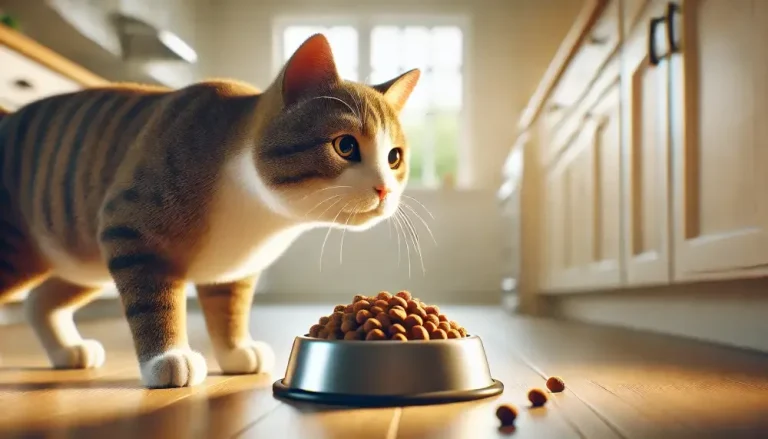
Image source: Web (Bing) / storage.googleapis.com (Web image (fair-use with source credit))
That jump in crude fat is where the immediate danger hides. Typical commercial wet cat food often exceeds 15% fat on a dry matter basis. Some rich pâté formulas push past 20%.
Dogs aren't built to process that much dense fat at once. Their pancreas has to pump out massive amounts of enzymes to break it down. That sudden workload frequently triggers acute inflammation.
Then there's taurine. Cats cannot synthesize this amino acid naturally, so manufacturers add heavy doses to every can. Dogs make their own taurine internally.
Flooding them with extra serves zero purpose.
Preformed vitamin A creates another bottleneck. Cats require it directly from animal tissue. Dogs convert plant based beta carotene into vitamin A on their own.
Excess preformed vitamin A accumulates in a dog's liver. Over months, this buildup risks toxicity.
Niacin follows the exact same pattern. Felines lack the enzyme to convert tryptophan into niacin. Canines do it easily.
Feeding a dog a diet loaded with synthetic niacin just forces their kidneys to excrete the surplus.
If your dog struggles with sensitive digestion normally, you'll want to review how moisture content affects their meals. Wet feline formulas amplify those moisture and fat variables simultaneously.
Every single one of these nutritional differences works against your dog. The formulation isn't slightly off. It's engineered for an entirely different biological machine.
What Happens When Your Dog Eats the Cat's Dinner (Risks and Red Flags)
Eating cat food triggers gastrointestinal upset, rapid weight gain, or acute pancreatitis in dogs. The severity depends entirely on your dog's size, age, and health history. Symptoms usually appear within 12 to 24 hours.
Let's break down what actually happens inside their body after ingestion.
Immediate stomach revolt. High fat loads irritate the canine gastric lining fast. You'll likely hear loud borborygmus, which is the medical term for stomach gurgling. Vomiting or loose stool often follows within a few hours.
Pancreatitis risk spikes. This is the most dangerous outcome. The pancreas becomes inflamed trying to process the heavy fat surge. Acute pancreatitis causes severe abdominal pain, repeated vomiting, and total loss of appetite.
Breeds like Miniature Schnauzers, Cocker Spaniels, and Yorkshire Terriers carry genetic predispositions to hyperlipidemia, making them highly vulnerable.
Caloric overload. A standard three ounce can of wet cat food packs 70 to 100 calories. That sounds small until you realize a ten pound dog only needs about 250 calories daily. One stolen bowl ruins their entire caloric budget.
Repeated incidents guarantee unhealthy weight gain.
Long term organ strain. If your dog scavenges regularly, their liver and kidneys face constant stress. Processing excess protein metabolites taxes renal function over time. Senior dogs or those with existing kidney issues handle this burden poorly.
Research into diets supporting compromised kidneys shows how delicate canine renal balance truly is.
Warning signs requiring immediate veterinary attention
Watch closely if your dog ate a full bowl. Call your vet immediately if you spot any of these red flags:
- Hunched posture indicating severe abdominal pain
- Repeated vomiting that won't stop
- Bloody diarrhea
- Extreme lethargy or visible shaking
- Refusing water for more than 12 hours
Don't guess with these symptoms. Pancreatitis requires IV fluids and prescription medication. Home remedies won't fix an inflamed pancreas.
Even healthy medium sized dogs struggle with rich feline diets. Sudden dietary shifts alone cause problems. Understanding why abrupt food changes trigger loose stools explains why adding high fat cat food compounds the issue.
How to Handle Accidental Ingestion: A Step-by-Step Triage Guide
Accidents happen. You turn your back for two minutes, and the bowl is empty. Don't panic.
Follow this triage workflow to decide your next move.
Step 1: Estimate the amount eaten. Did your dog get a single lick or consume a full five ounce can? A taste rarely causes clinical issues in large dogs. A full can demands closer observation.
Step 2: Assess your dog's risk profile. Healthy adult large breeds process accidental fat loads better than small, senior, or predisposed dogs. If your dog has a pancreatitis history, skip to calling the vet.
Step 3: Remove access immediately. Pick up the bowl. Wipe the floor. Secure the cat in another room if necessary.
Prevent them from eating a second helping while stressed.
Step 4: Provide fresh water only. Skip all treats and extra meals for the rest of the day. You need to balance out the sudden caloric and fat spike. Let their digestive system rest.
Step 5: Monitor for 24 hours. Watch for the red flags listed above. Check their stool consistency. Note any changes in energy levels or posture.
Should you induce vomiting?
Never try to induce vomiting at home unless your veterinarian specifically instructs you to do it over the phone. Wet cat food digests quickly. Forcing emesis unnecessarily risks aspiration pneumonia or esophageal irritation.
Sometimes doing nothing but monitoring is the safest route.
If your vet recommends fasting followed by a gentle restart, keep it simple. Boiled chicken breast mixed with plain white rice works well. Alternatively, preparing a basic homemade meal gives you total control over the fat content during recovery.
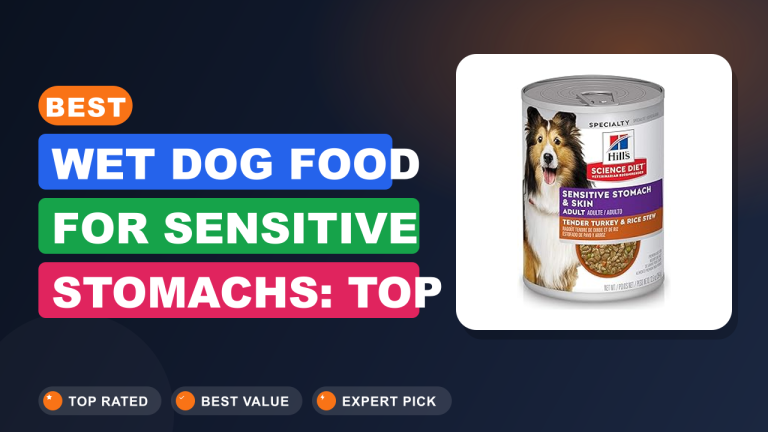
For dogs prone to acid reflux after eating rich foods, exploring gentler canned formulations designed for canines prevents future flare ups. Stick to species appropriate nutrition while their stomach settles.
Keep leftover cans sealed properly. Knowing how to store open containers safely prevents bacterial growth that could compound your dog's stomach upset.
Proven Ways to Stop Bowl-Swapping in Multi-Pet Households
You can't reason with a food motivated dog. Telling them to leave the cat food alone doesn't work. You have to engineer the environment so stealing becomes physically impossible.
Here are the methods that actually hold up in busy homes.
Elevate the feeding station. Cats climb. Most dogs don't. Place the wet food on a sturdy counter, a tall cat tree base, or a wall mounted shelf.
Make sure the surface supports the bowl without tipping.
Install physical barriers. Use baby gates equipped with small cat doors at the bottom. Your cat slips through into a private dining room. Your dog hits a wall.
This works exceptionally well in apartments where space is tight.
Switch to scheduled feeding. Stop leaving smelly meat sitting out all day. Put the wet food down for 20 to 30 minutes. Whatever remains goes straight into the fridge.
Free feeding practically invites scavenging.
Use microchip activated feeders. If you have a smart cat and a determined dog, technology solves the problem. These bowls feature motorized lids that only open when your cat's specific RFID collar tag gets close.
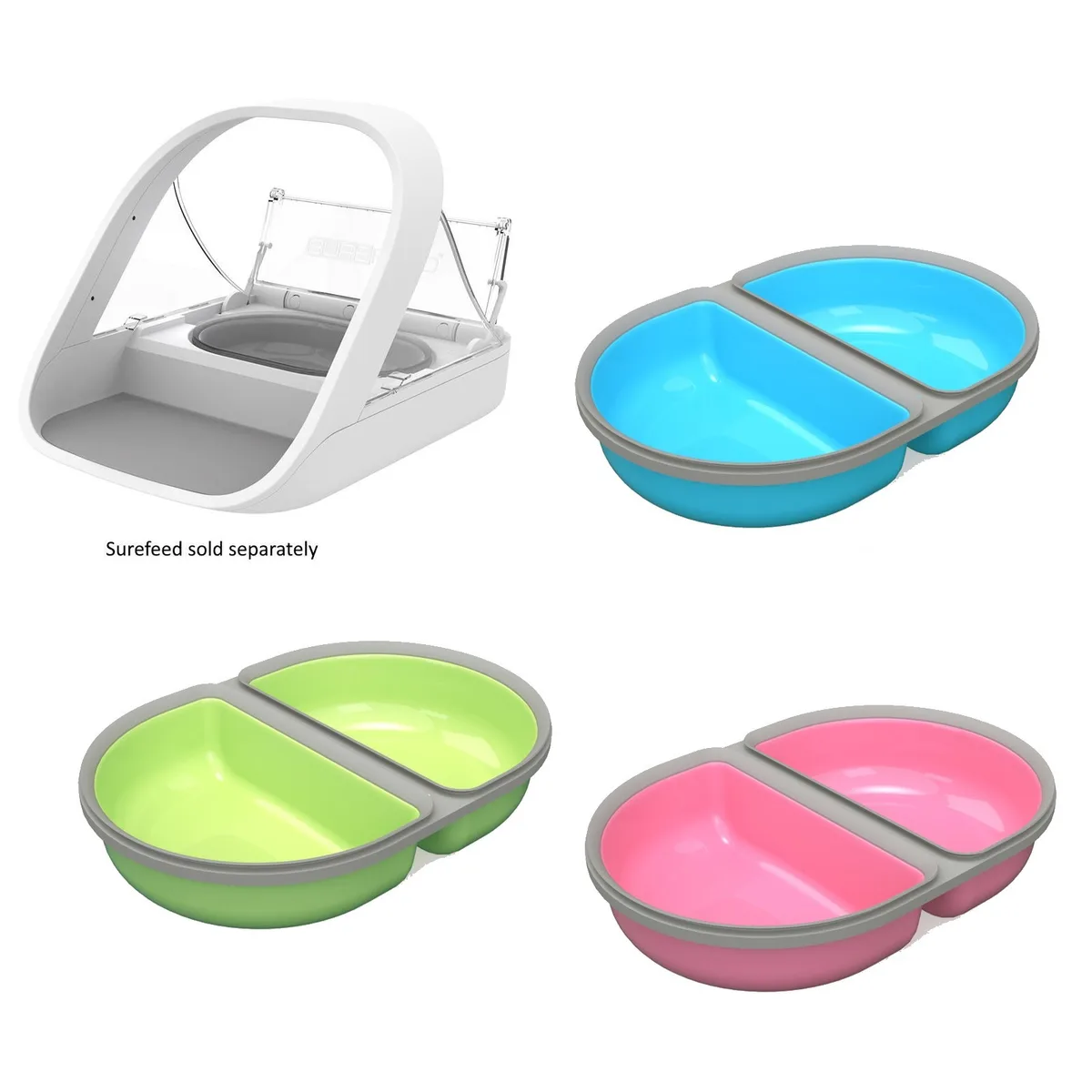
Image source: Web (Bing) / luckypet.com.au (Web image (fair-use with source credit))
Aggregate user reviews show these devices drastically reduce multi pet feeding conflicts. They cost more upfront than standard bowls, but they prevent expensive emergency vet visits.
Train the "leave it" command. Environmental management is your first line of defense. Obedience training acts as your backup. Start practicing with low value items before working up to high value targets like meat based cat food.
Consistency builds impulse control over weeks.
Combine these strategies based on your home layout. Elevation plus scheduled feeding handles most situations. Add microchip feeders if your dog figures out the spatial workarounds.
Managing a house with multiple species takes effort. But keeping their diets strictly separated protects your dog's pancreas, waistline, and long term health.
Common Questions About Dogs Eating Cat Food
Will one bite of cat food hurt my dog?
A single lick rarely causes harm to a healthy adult dog. Their stomach can process a tiny amount without triggering clinical symptoms. Just monitor them for mild loose stool over the next twelve hours.
Why does my dog prefer the cat's wet food?
Feline formulas contain heavy loads of animal fat and strong smelling proteins. That intense aroma drives canine scavenging behavior wild. Your dog smells a high value treat, not an inappropriate diet.
Can puppies eat wet cat food safely?
Puppies should never eat feline diets. Their developing organs cannot handle the extreme protein and fat concentrations. Feeding them the wrong species formula risks severe gastrointestinal distress and skeletal growth issues.
Is cat food toxic to dogs like chocolate?
Wet cat food contains no inherently poisonous ingredients like theobromine. The danger comes entirely from chronic nutritional imbalance and acute fat overload. It damages their system through excess rather than toxicity.
What if my dog eats cat food every day?
Daily consumption guarantees long term health complications. You will likely see rapid weight gain followed by potential renal stress or pancreatitis. Keep their meals strictly separated using the physical barriers we discussed earlier.