Is the Honest Kitchen Good Dog Food? What to Know Now
If you are wondering is the honest kitchen good dog food, the short answer is yes. It uses whole ingredients and gentle processing. That makes it a solid choice for many dogs.
But premium quality always comes with a higher price tag.
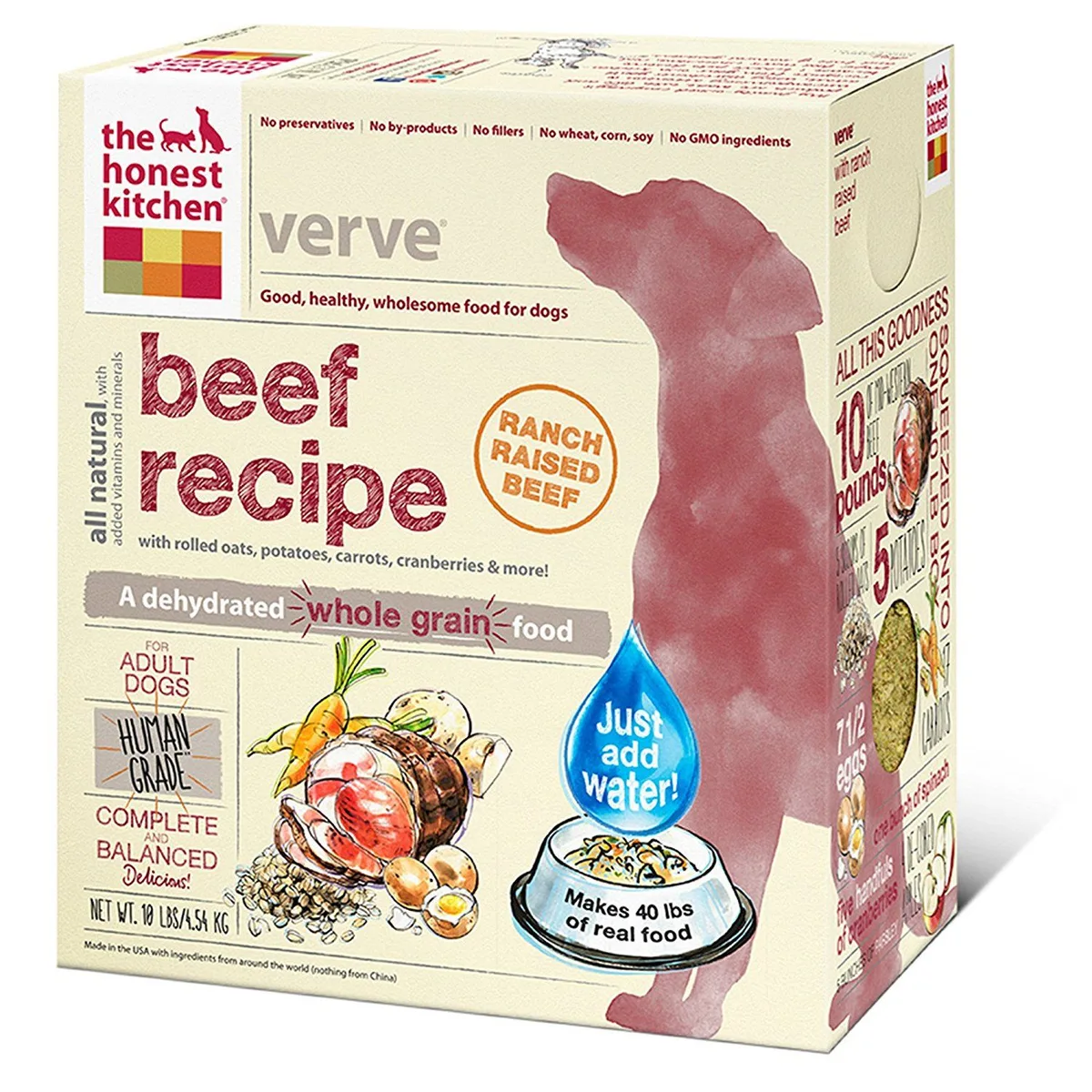
Image source: Web (Bing) / pinterest.com (Web image (fair-use with source credit))
Manufacturer specs confirm their recipes meet AAFCO nutrient profiles for complete feeding. Every batch is produced in human food facilities under strict FDA standards. Let us look at how this dehydrated diet actually performs day to day.
Quick Answer
Yes, The Honest Kitchen is good dog food. It uses whole, minimally processed ingredients. Recipes meet AAFCO nutritional standards for all life stages.
Production happens in human food facilities. It costs more than standard kibble.
How Dehydrated Human-Grade Dog Food Works (And Why It Matters)
Dehydrated dog food starts as whole ingredients. Think real chicken, sweet potatoes, oats, and spinach. A low heat air drying process slowly removes the moisture.
This preserves natural nutrients without cooking them away.
Extruded kibble uses extreme heat and heavy pressure. That destroys some vitamins before they reach your dog’s bowl. Dehydration keeps those nutrients intact.
You end up with a shelf stable product that looks like dried herbs and meat.
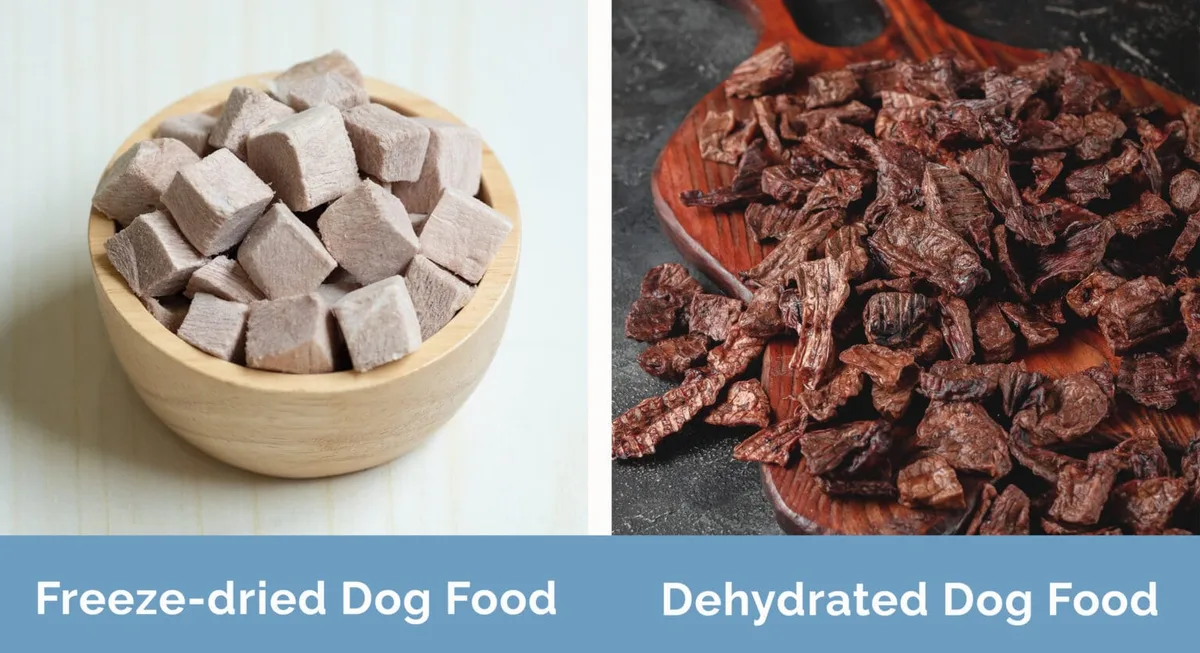
Image source: Bing (Web (fair-use with source credit))
The term “human grade” has a very specific legal meaning here. According to FDA labeling guidance, every single ingredient must be edible by humans. The final product must also be processed in a human food facility.
Most commercial pet foods use feed grade ingredients instead. Those are processed in plants with lower safety standards. The Honest Kitchen avoids that entirely.
Their manufacturing follows the same rules as human food production.
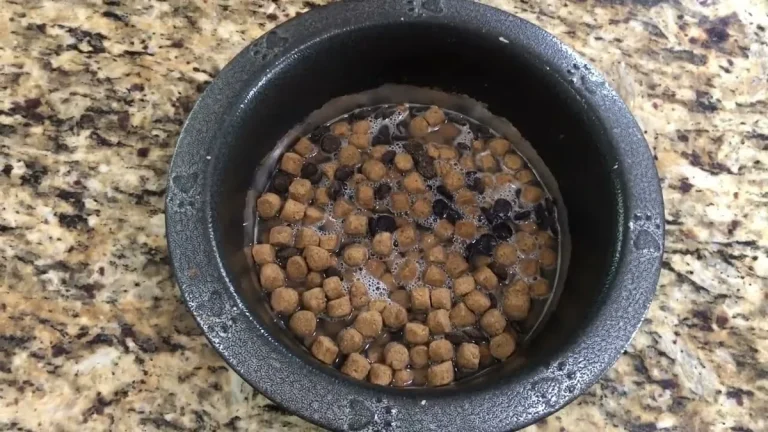
You just add warm water before serving. The food expands back to its original volume. Our research shows this rehydration step takes about three to five minutes.
It turns dry flakes into a moist, aromatic meal.
This format bridges the gap between raw diets and fresh delivery meals. You get the convenience of pantry storage. You also get the nutritional benefits of whole foods.
That combination is hard to find elsewhere.
Honest Pros and Cons: Ingredients, Digestion, Prep Time, and Cost
Every feeding style has tradeoffs. Dehydrated food is no different. We have broken down the real advantages and limitations based on formulation data and aggregate user reviews.
Here is what works well.
- Whole food transparency: You can see actual carrots, oats, and meat pieces. There are no mystery meals or vague animal byproducts hiding in the mix.
- Better digestion: Gentle processing means less stomach upset. Dogs with sensitive systems often produce firmer stools on this diet.
- Shelf stability: No freezer space required. It sits safely in your cupboard for months. Just follow proper steps for keeping opened bags fresh to avoid moisture issues.
- Hydration boost: Adding water builds extra fluid intake directly into the meal. This helps dogs who do not drink enough from their bowls.
Now for the drawbacks.
- High daily cost: Feeding a large breed exclusively gets expensive fast. As of 2026, premium whole food diets carry a significant markup over standard kibble.
- Prep time: You cannot just scoop and walk away. Waiting three to five minutes for rehydration adds a step to your morning routine.
- Portion confusion: Dry volume does not equal hydrated weight. Measuring mistakes happen easily if you ignore the expansion rate.
- Grain free concerns: Some recipes rely heavily on peas and lentils. The FDA continues investigating potential links between these legumes and canine heart issues.
Image source: Web (Bing) / reddogbluekat.com (Web image (fair-use with source credit))
If your dog refuses meals regularly, adding moisture and aroma helps. Picky eaters usually respond well to the strong scent of real broth. Understanding why some dogs turn away from dry bowls explains why this format works so effectively.
The guaranteed analysis typically shows crude protein around 24% to 28% on a dry matter basis. Crude fat usually lands between 12% and 15%. These numbers support active adult maintenance perfectly.
Always check the specific recipe label for exact percentages.
How The Honest Kitchen Stacks Up Against Kibble, Fresh Delivery, and Raw Diets
Choosing a diet means comparing formats. Dehydrated food sits right in the middle of the spectrum. It offers better nutrition than most kibble but requires less effort than raw feeding.
Here is how the main options compare side by side.
| Feature | Dehydrated (The Honest Kitchen) | Premium Kibble | Fresh Delivery | Commercial Raw |
|---|---|---|---|---|
| Processing | Low heat air drying | High heat extrusion | Gently cooked | None |
| Prep Required | Add water, wait 3 mins | None | Thaw in fridge | Thaw safely |
| Shelf Life | Months in pantry | Months in pantry | Days in fridge | Weeks in freezer |
| Ingredient Visibility | High | Low | High | High |
| Travel Convenience | Excellent | Excellent | Poor | Poor |
Kibble wins on pure convenience. You pour it and leave. But high heat processing degrades amino acids and natural enzymes.
If you want to understand how processing changes nutritional value, comparing wet and dry formats reveals major differences in digestibility.
Fresh delivery services cook whole foods gently. They ship frozen portions straight to your door. The downside is the price and the freezer space.
You also need to plan ahead for thawing times.
Raw diets skip cooking entirely. They preserve all natural enzymes and nutrients. However, handling raw meat carries bacterial risks for both you and your dog.
Safe preparation demands strict hygiene protocols every single time.
Dehydrated food splits the difference. You get whole food nutrition without the freezer dependency. It travels incredibly well for camping trips or hotel stays.
Just pack a baggie of dry food and find a water source.
Some owners prefer cooking meals themselves at home. Preparing poultry based recipes from scratch gives you total control over ingredients. It does take significantly more time than simply pouring warm water over dehydrated flakes.
Who Should Feed It (And Who Should Skip It or Use It as a Topper)
Not every dog needs the exact same diet. The best choice depends on your dog’s size, health status, and your daily schedule. Dehydrated food fits certain lifestyles much better than others.
It works best for these situations.
- Small to medium breeds: A ten pound terrier eats very little per day. The monthly cost stays reasonable for smaller appetites.
- Senior dogs needing soft food: Older dogs often struggle with hard kibble. Rehydrated meals are gentle on aging teeth and gums. Selecting appropriate textures for older companions prevents unnecessary discomfort during dinner.
- Picky eaters: The strong aroma of real meat encourages reluctant dogs to eat. Warming the water slightly releases even more scent.
- Frequent travelers: Dry weight makes packing easy. You avoid hauling heavy coolers full of frozen patties on road trips.
- Kibble feeders wanting an upgrade: You do not have to switch completely. Scooping a small amount over regular food adds whole food nutrients cheaply.
You might want to reconsider if these apply to you.
- Giant breed owners: Feeding a Great Dane or Mastiff exclusively will drain your budget. The sheer volume required makes the math difficult. Look into formulations designed specifically for larger frames if cost is a concern.
- Rushed morning routines: If you need to feed your dog in thirty seconds flat, waiting for hydration will frustrate you.
- Strict budget constraints: Premium whole food pricing reflects the sourcing quality. If money is tight, use it as a supplement rather than a primary diet.
How to Transition Safely
Switching foods too fast causes digestive upset. Always introduce new meals gradually over seven to ten days. Start by mixing twenty percent new food with eighty percent old food.
Increase the ratio every two days. Watch your dog’s stool quality closely during this window. Sudden dietary shifts frequently cause loose bowels.
Taking a slow approach protects their gut bacteria while they adjust.
Proper portioning matters just as much as the transition speed. Measure the dry food by weight using a kitchen scale if possible. Volume measurements vary wildly depending on how tightly the flakes settle in the scoop.
Once hydrated, the food should look like a thick stew. If it seems too watery, use slightly less liquid next time. Too thick means your dog might not get enough moisture from the meal.
Adjust until you find the right consistency for your specific dog.
Common Feeding Mistakes to Avoid With Dehydrated Dog Food
Dehydrated food is simple to prepare, but small errors happen constantly. The most frequent issue involves measuring by volume instead of weight. Dry flakes settle differently every time you scoop them.
A cup packed tightly holds significantly more calories than a loosely filled one. Manufacturer specs confirm that weighing portions on a basic kitchen scale fixes this instantly. You get the exact caloric intake your dog needs without guessing.
Water temperature is another common stumbling block. Boiling water destroys heat sensitive vitamins and natural enzymes. That defeats the entire purpose of buying a minimally processed diet in the first place.
Use warm tap water instead. It should feel comfortable against your wrist, just like warming a baby bottle. This gentle heat speeds up rehydration while keeping the nutritional profile completely intact.
Skipping the resting period causes problems too. Serving the bowl immediately means your dog eats half dry crunchy bits. Those hard pieces expand later inside their stomach, which leads to uncomfortable bloating.
Always wait the full three to five minutes after stirring. Mash any large chunks with a fork to help them absorb liquid evenly. The final texture should resemble a thick stew rather than a watery soup.
Storage mistakes ruin perfectly good food. Leaving the bag open exposes the dry flakes to ambient humidity. Moisture triggers mold growth long before the printed expiration date arrives.
Roll the top down tightly and squeeze out excess air after every use. Keep the box or bag in a cool pantry away from direct sunlight. If you live in a humid climate, transferring the contents to an airtight container adds extra protection.
Finally, do not ignore the guaranteed analysis when rotating recipes. Different protein sources carry different fat percentages. Switching from a lean turkey recipe to a rich beef formula changes the daily caloric load.
Adjust your scoop size accordingly whenever you introduce a new flavor.
Frequently Asked Questions
Is The Honest Kitchen safe for puppies?
Yes, specific recipes meet AAFCO nutrient profiles for all life stages, including puppy growth. Check the packaging for the nutritional adequacy statement before buying. Puppies need precise calcium and phosphorus ratios for proper bone development.
Always follow the feeding chart based on their expected adult weight.
Can I mix dehydrated food with regular kibble?
Mixing works perfectly as a budget friendly strategy. Scoop your normal kibble portion first, then add a smaller amount of hydrated whole food on top. This boosts flavor and adds essential nutrients without doubling your monthly grocery bill.
Stir it together so your dog cannot pick out only the tasty bits.
Does rehydrated food spoil quickly in the bowl?
Once you add water, treat it exactly like fresh meat. Bacteria multiply rapidly at room temperature. Discard any uneaten portion after thirty minutes.
If your dog grazes slowly throughout the day, serve smaller meals more frequently instead of leaving one large bowl out.
Why does my dog have loose stools after switching?
Sudden dietary changes disrupt gut bacteria. Loose stools usually mean you transitioned too fast. Go back to eighty percent old food and twenty percent new food.
Increase the new ratio by ten percent every three days until their digestion stabilizes completely.
How much does feeding The Honest Kitchen actually cost?
Pricing depends entirely on your dog’s size. A ten pound dog might cost two to three dollars daily as of 2026. An eighty pound dog could easily exceed eight dollars per day.
Using it as a meal mixer cuts that expense drastically while still providing whole food benefits.