Can You Get Dog Food With EBT? Rules and Exceptions
If you are wondering if you can get dog food with EBT, the answer depends on your specific benefits. Your Electronic Benefit Transfer card holds different types of aid. Each program follows its own strict purchasing rules.
The United States Department of Agriculture sets clear boundaries for these programs as of 2026. SNAP funds only cover human groceries under federal law. TANF cash assistance operates under entirely different state guidelines.
Let us break down exactly how this works at the register.
Image source: Bing (Web (fair-use with source credit))
Quick Answer
You cannot buy regular pet food using SNAP benefits. Federal law restricts those grocery funds to human meals. You can purchase dog food using withdrawn TANF cash assistance.
Service animal nutrition is the single exception for SNAP shoppers.
Why Your EBT Card Might Decline Dog Food at the Register
Your EBT card declines dog food because retail point-of-sale systems read product barcodes instantly. Every item in a store has a specific code. The checkout terminal checks that code against approved USDA categories.
Pet food barcodes fall outside the allowed list for grocery assistance.
When you swipe your card, the system splits your balance into separate ledgers. One ledger holds your food stamps. The other holds any cash assistance you receive.
The register automatically routes eligible groceries to the food ledger. It tries to route everything else to the cash ledger.
If you only have food stamps loaded on your card, the transaction fails immediately. The terminal flashes an error message. The cashier sees a decline code for ineligible items.
This happens even if you have plenty of money left in your account.
This automated blocking prevents accidental misuse of federal funds. Retailers authorized by the USDA Food and Nutrition Service must follow these strict technical standards. Their registers are programmed to reject non-human food items automatically.
You cannot bypass this system by hiding kibble under frozen vegetables.
Understanding this split ledger setup explains why mixed carts cause so much trouble. We see this confusion constantly when families try buying human groceries and pet supplies together. Separating them before you reach the belt saves everyone time.
The Core Difference: SNAP Grocery Rules vs. TANF Cash Benefits
Supplemental Nutrition Assistance Program benefits exist solely to feed people. The USDA defines eligible items as breads, meats, dairy products, fruits, and vegetables. Seeds and plants that produce food also qualify.
Everything else gets blocked at the register.
Temporary Assistance for Needy Families provides direct financial support to low-income households. States administer these funds differently than federal grocery aid. TANF dollars act like regular cash loaded onto your plastic card.
You face zero restrictions on what you purchase with them.
Here is how the two programs compare side by side when shopping for pets.
| Feature | SNAP Grocery Funds | TANF Cash Funds |
|---|---|---|
| Primary Purpose | Buying human food | Covering basic living expenses |
| Pet Food Eligible | No | Yes |
| Checkout Method | Swipe directly at register | Withdraw physical bills first |
| Allowed Retailers | Authorized grocery stores | Any store accepting cash |
| ATM Access | Not permitted | Permitted via Quest network |
Many families receive both types of assistance simultaneously. Both balances live on the exact same piece of plastic. That shared delivery method creates massive confusion at checkout lanes.
Shoppers assume all the money works the same way.
If you rely purely on grocery assistance, you need alternative feeding strategies. Our research shows many owners look into homemade options when budgets tighten. Preparing simple meals from scratch stretches limited resources further.
You might explore cooking fresh chicken meals using affordable pantry staples.
Knowing which balance pays for what keeps you out of awkward situations. Always check your receipt to verify which ledger took the charge. Mixing up the two accounts causes unnecessary stress during tight months.
Decision Branch 1: Using SNAP for Service Animal Food (The ADA Exception)
Can you use SNAP benefits to feed a service dog? Yes, federal policy explicitly allows grocery funds to cover working animal nutrition. This rule applies strictly to dogs trained to perform disability-related tasks.
It does not apply to emotional support animals or therapy pets.
The Americans with Disabilities Act defines a service animal as a dog individually trained to do work for someone with a disability. Guiding blind individuals qualifies. Alerting deaf owners to sounds qualifies.
Sensing blood sugar drops or impending seizures also counts. Comfort alone does not meet the legal threshold.
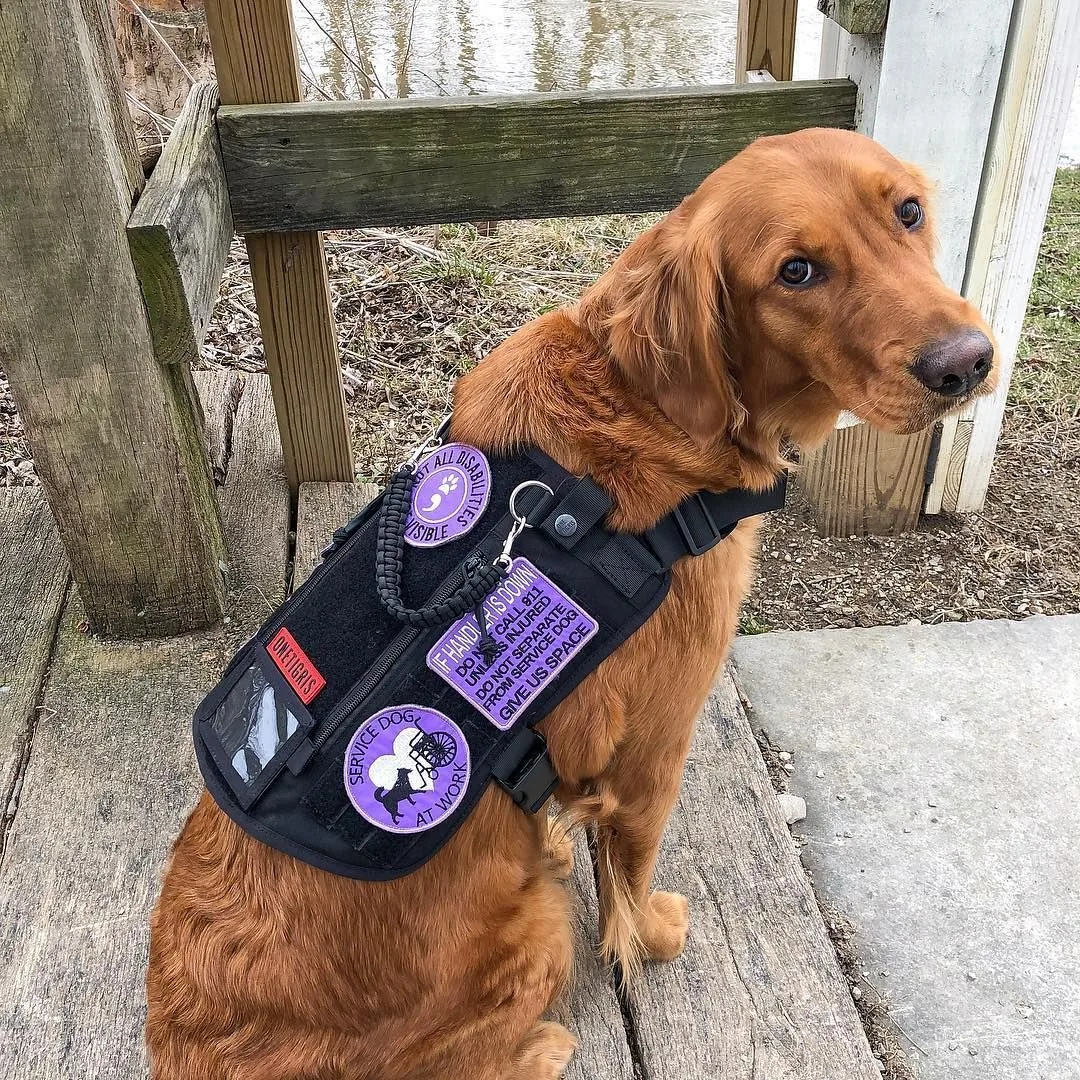
Image source: Web (Bing) / pinterest.com (Web image (fair-use with source credit))
If your dog meets that ADA definition, their food becomes a medical necessity. The USDA recognizes this distinction within its eligibility guidelines. You can legally run a bag of kibble through the SNAP ledger.
The register should approve it without triggering a decline code.
Getting past the cashier requires patience sometimes. Store employees rarely memorize every obscure USDA exception. If the terminal flags the item, ask politely for a manager.
Explain that the purchase falls under the service animal exemption.
Keep your workflow simple when shopping for a working dog. Buy their food in a separate transaction from your family groceries. This prevents the POS system from lumping ineligible barcodes together.
Splitting the purchases guarantees a smoother checkout experience.
Working dogs often require specific nutritional profiles to maintain stamina. Owners managing tight budgets still need to prioritize quality ingredients. Checking which formulas pack the most protein helps ensure your service dog stays healthy on duty.
Proper fueling directly impacts their ability to assist you safely.
Remember that this exception exists solely for legitimate working animals. Attempting to pass off a standard family pet as a service dog violates federal regulations. Misrepresenting an animal risks losing your benefits entirely.
Decision Branch 2: Withdrawing TANF Cash to Buy Pet Supplies
How do you buy dog food using TANF assistance? You withdraw the cash from an ATM first, then pay the retailer with physical bills. Swiping your EBT card directly at a pet store usually fails.
Most specialty shops lack the authorization to process government benefit cards.
Even major retailers struggle with direct TANF swipes for non-grocery items. Their point-of-sale software often defaults to the SNAP routing protocol. That automatic routing blocks pet supplies instantly.
Pulling cash beforehand completely sidesteps this technical limitation.
Locate a surcharge-free machine before heading to the store. State agencies partner with the Quest ATM network to provide fee-free withdrawals. Check your state handbook to see exactly how many free transactions you get monthly.
Exceeding that limit triggers out-of-network fees ranging from $1.50 to over $3.00 per visit.
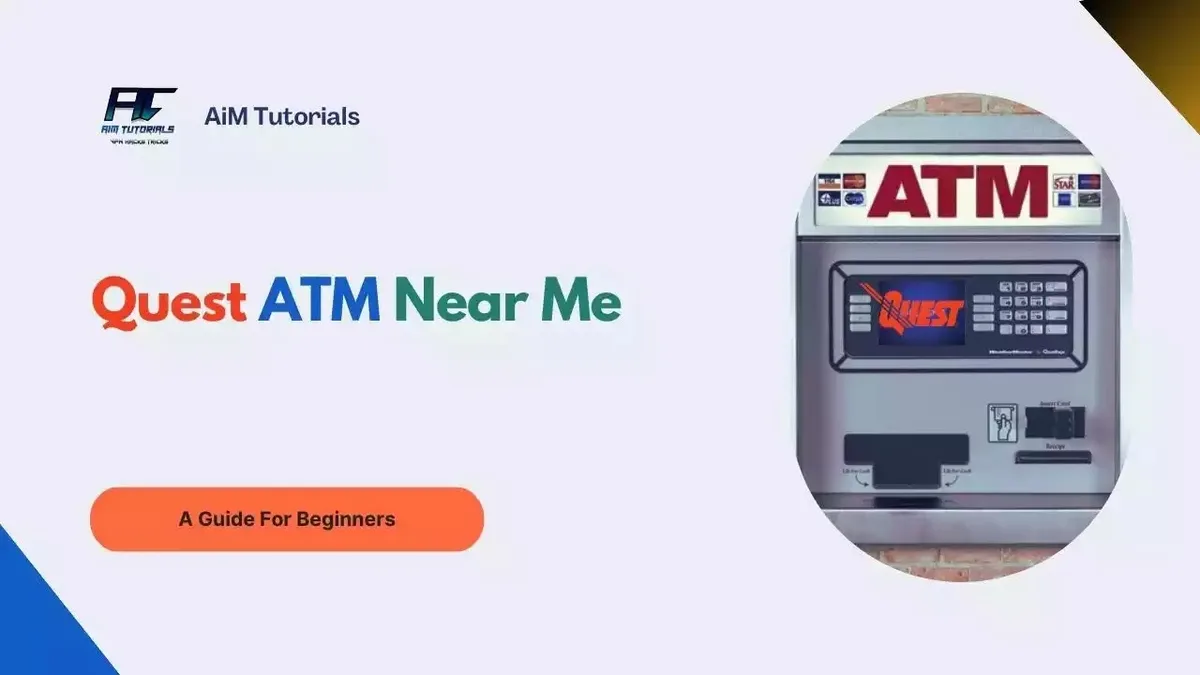
Image source: Web (Bing) / aimtuto.com (Web image (fair-use with source credit))
Follow this exact sequence to avoid wasting your limited funds.
- Check your available cash balance using your state portal or provider app.
- Visit a participating Quest machine to pull the exact amount needed.
- Keep the withdrawal receipt for your personal records.
- Shop normally at your preferred retailer and hand the cashier physical bills.
This workaround gives you total purchasing freedom. You can buy dry kibble, canned meals, flea treatments, or new bowls. Nothing gets declined because you are just spending regular cash.
Planning ahead prevents last-minute panic when your dog runs out of dinner.
Once you bring those supplies home, proper storage matters just as much. Keeping opened bags sealed tightly prevents spoilage and waste. Learning how to keep canned portions fresh ensures every dollar spent actually feeds your pet.
Wasting food defeats the purpose of stretching your budget carefully.
Mistakes That Trigger Declines and Drain Your Balance
What errors cause problems when using EBT for pet needs? Trying to swipe SNAP funds directly for dog food remains the biggest mistake. Shoppers also drain their cash assistance through careless ATM habits.
Small oversights add up fast when money is already scarce.
Mixing human groceries and pet supplies in one transaction causes frequent headaches. The register scans everything sequentially. When it hits the pet food barcode, it attempts to pull from your grocery ledger.
The whole transaction stalls while the cashier figures out what went wrong.
Paying unnecessary bank fees eats into your monthly allowance quickly. Many users grab cash from convenience store machines without checking network status. Those out-of-network surcharges chip away at your purchasing power.
Stick exclusively to approved locations listed by your state agency.
Assuming emotional support animals qualify for the SNAP exception leads to embarrassing denials. Therapy dogs provide incredible comfort, but they lack task-specific ADA training. Registers do not care about doctor letters for ESAs.
Only legally defined service animals trigger the approval override.
Ignoring your receipt after checkout hides dangerous accounting errors. Sometimes the system accidentally pulls from the wrong ledger. You might spend cash funds meant for rent on a bag of treats.
Reviewing the printed slip confirms exactly where the money came from.
Switching diets abruptly due to budget constraints causes health issues too. If you are forced to buy whatever is cheapest, watch your dog closely. Sudden changes in ingredients frequently upset sensitive stomachs.
Understanding why new meals cause loose stools helps you transition cheaper brands safely.
Avoiding these pitfalls keeps your benefits intact. Treat your EBT card like a specialized tool rather than a universal debit card. Precision at the register protects your monthly budget from unnecessary losses.
Alternatives When You Only Have SNAP and No Service Dog
If your card only holds grocery funds, you cannot buy commercial pet food at the register. The POS system will block it every time. That leaves you needing alternative ways to keep your dog fed without breaking federal rules.
Community resources fill this gap better than anything else. Many local food banks now stock donated bags of kibble alongside canned vegetables. Organizations like Feeding Pets of the Homeless maintain directories of these pantries nationwide.
You just have to ask the volunteers if they keep supplies in the back.
Breed rescues offer another lifeline during rough patches. Even if you adopted your dog elsewhere, rescue groups often run emergency funds for their specific breeds. They understand that owners facing financial hardship still want their pets healthy.
Reaching out to a local coordinator can unlock access to donated inventory.
Stretching what you already have matters too. If you manage to buy affordable meat scraps with your grocery benefits, you can supplement your dog’s bowl safely. Learning which formulas suit older dogs helps you target cheap additions that actually provide nutritional value.
Older animals especially need careful calorie management when budgets shrink.
Don’t overlook veterinary social workers if your clinic employs one. These professionals connect struggling owners with regional grants covering basic supplies. They maintain updated lists of charities distributing emergency rations.
A quick phone call to your vet’s front desk can point you in the right direction.
| Resource Type | Best For | How to Access |
|---|---|---|
| Pet Food Pantries | Immediate short-term supply | Search local directories online |
| Breed Rescues | Specific breed emergencies | Contact regional rescue coordinators |
| Vet Social Workers | Ongoing chronic assistance | Ask your veterinary clinic directly |
| Community Drives | Seasonal bulk donations | Check local church or civic boards |
Relying on these networks keeps your SNAP benefits compliant. You avoid risking your account status while ensuring your dog eats daily. Federal regulations take fraud seriously, so sticking to approved channels protects your household long term.
Can You Get Dog Food With EBT? (FAQs)
Can I use my SNAP balance for puppy formula?
No, standard puppy milk replacers fall under non-human food categories. The USDA restricts SNAP ledgers strictly to human nutrition. Unless that puppy is a documented service animal in training, the register will decline the purchase automatically.
You must use TANF cash or community resources instead.
Do emotional support animals qualify for the service dog exception?
Emotional support animals do not meet the ADA definition required for this exception. Therapy pets provide comfort but lack task-specific disability training. Registers only approve SNAP overrides for legally defined working dogs.
Attempting to pass an ESA off as a service animal violates program rules.
Which stores let me pull TANF cash for pet supplies?
Any ATM participating in the Quest network allows TANF withdrawals. Major grocery chains, pharmacies, and bank lobbies usually host these machines. Once you hold physical bills, you can spend them at any retailer selling pet products.
Walmart, Tractor Supply, and local feed stores all accept cash.
Will buying dog food with TANF affect my monthly benefit amount?
Spending withdrawn cash does not change your future eligibility calculations. State agencies determine your monthly allotment based on income and household size. How you spend physical withdrawals remains entirely up to you.
Just ensure you stay within your state’s allowed free withdrawal limits to avoid fees.
What happens if my card gets flagged for ineligible purchases?
Accidental swipes usually just result in a declined transaction at the register. However, repeated attempts to buy prohibited items can trigger a fraud review. Your state agency might freeze your account pending an investigation.
Always separate human groceries from pet supplies before reaching the checkout belt.
Are there delivery services that accept EBT for dog food?
Standard grocery delivery platforms accepting EBT only process SNAP-eligible human items. They cannot route pet food through the grocery ledger. Some states pilot online purchasing programs, but restrictions mirror in-store rules perfectly.
You would still need to rely on TANF cash withdrawals for delivered pet supplies.