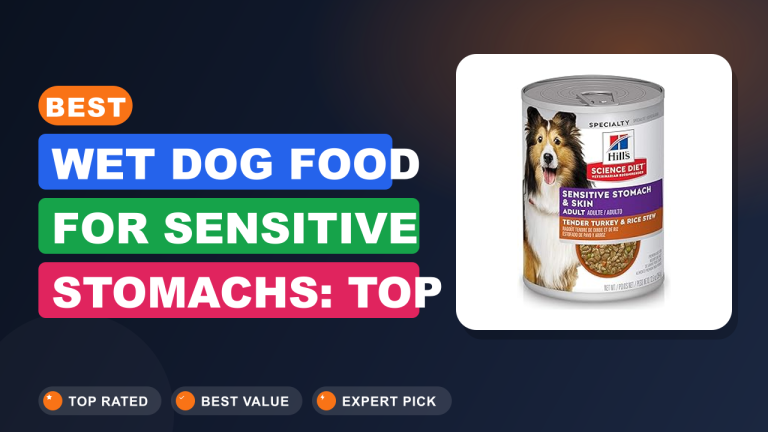
Will Cat Food Hurt a Dog? Risks Every Owner Should Know
If your dog just raided the cat bowl, you are probably wondering if cat food will hurt a dog. A few bites usually cause nothing more than a mild upset stomach. But eating large amounts or specific veterinary diets can trigger serious medical emergencies.
The real danger depends entirely on what they ate and how much they weigh.
Cat food contains significantly higher fat and protein levels than canine formulas. Per AAFCO nutrient profiles, feline adult maintenance diets require a minimum of 26% crude protein compared to just 18% for dogs. That massive difference is exactly why dietary indiscretion causes so many emergency vet visits.
Let us look at what actually happens inside your dog’s body when they eat feline kibble.
Quick Answer
A small amount rarely hurts healthy adult dogs. Large quantities often trigger severe digestive upset. Prescription feline diets can be genuinely toxic.
Small breeds face the highest risk of pancreatitis. Always monitor your pet closely after ingestion.
Will Cat Food Hurt a Dog? The Short Answer
A single mouthful of standard commercial cat food will not poison a healthy adult dog. Their digestive system can process small amounts without major issues. You might notice slightly softer stool or a brief bout of gas the next day.
That is usually the extent of it for a one time snack.
The problem starts when dogs eat large volumes or make a daily habit of raiding the cat bowl. Feline diets are built for obligate carnivores. They pack intense caloric density into every bite.
Your dog views this as a high value treat, but their pancreas sees a massive workload.
We need to separate over the counter grocery store brands from veterinary prescription diets right now. Standard dry kibble poses a moderate risk of gastrointestinal upset. Veterinary diets designed to treat feline kidney disease or urinary crystals contain concentrated additives that can harm dogs quickly.
Knowing which type your dog ate changes everything about your next steps.
Size matters just as much as the food type. A sixty pound Labrador eating half a cup of feline kibble faces very different odds than a five pound Chihuahua eating the exact same amount. Body weight determines how fast those heavy fats and proteins overwhelm their system.
Keep that ratio in mind before you panic.
Why Feline Nutrition Profiles Trigger Canine Health Risks
Cats and dogs process nutrients differently because their evolutionary biology demands it. Cats are strict obligate carnivores requiring meat based nutrition to survive. Dogs are omnivores built to digest a wider variety of foods safely.
This biological gap explains why sharing meals between species causes so many problems.
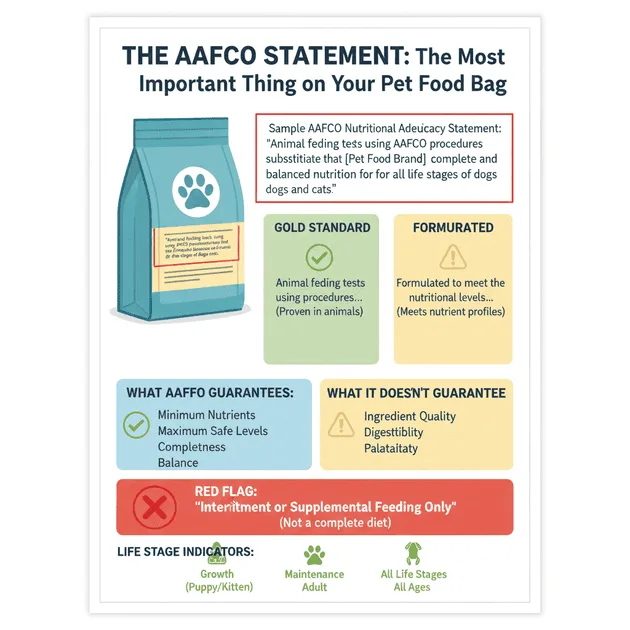
Image source: Web (Bing) / storage.googleapis.com (Web image (fair-use with source credit))
Feline formulas compensate for their restricted metabolism by loading up on specific amino acids and fats. Taurine and arachidonic acid are essential for cats. Dogs synthesize both naturally in their own bodies.
Feeding them extra does not provide any benefit and simply adds unnecessary metabolic strain over time.
Here is how the baseline nutritional requirements compare side by side based on established standards.
| Nutrient | Typical Dog Food | Typical Cat Food | Risk to Dogs |
|---|---|---|---|
| Crude Protein | 18 to 25% | 26 to 35%+ | Kidney strain over time |
| Crude Fat | 8 to 15% | 15 to 25%+ | Acute pancreatitis trigger |
| Vitamin A | Lower balanced | Very high | Bone and joint toxicity |
| Vitamin D | Moderate | Elevated | Organ damage in excess |
| Caloric Density | 300 to 400 kcal/cup | 400 to 500+ kcal/cup | Rapid weight gain |
Fat content is the most immediate threat during a single feeding event. High fat loads force the pancreas to work overtime releasing digestive enzymes. In susceptible animals, this sudden demand triggers acute inflammation known as pancreatitis.
That condition causes severe abdominal pain and requires immediate veterinary intervention.
Long term exposure brings different risks. Excess Vitamin A accumulates in the liver and causes joint stiffness. Excess Vitamin D leads to dangerous calcium buildup in soft tissues.
If your dog regularly steals from the cat bowl, you should evaluate what makes senior formulations different to understand how precise nutrient balancing protects aging organs. Precision matters for every life stage.
Vitamin toxicity takes weeks or months of consistent overeating to develop. Pancreatitis can happen within twelve hours of a single heavy meal. That is why a sudden binge on wet canned food is far more urgent than finding a few spilled kibbles under the sofa.
Wet food generally carries even higher fat concentrations per ounce.
You can see why veterinarians advise against sharing bowls. Even if you prefer preparing homemade chicken meals for your dog, the feline diet remains off limits. Species specific nutrition exists for a reason.
Crossing those lines introduces risks their bodies simply cannot handle efficiently.
When a Stolen Bowl Is an Emergency: Prescription Diets and Breed Vulnerabilities
Not all cat food carries the same level of danger. Over the counter maintenance diets are formulated to be relatively safe for healthy felines. Prescription diets are entirely different beasts.
They act as medical interventions using concentrated nutrients to manage chronic diseases.
Veterinary renal diets restrict phosphorus and alter protein structures for failing feline kidneys. Urinary tract formulas use chemical acidifiers like DL methionine to dissolve crystals. These modifications are therapeutic for cats but potentially toxic to dogs.
A dog eating a full bowl of urinary acidifying food can develop dangerous metabolic imbalances rapidly.
If your cat eats a specialized diet, you must secure their feeding area immediately. Treat their bowl like a medicine cabinet left open on the floor. The FDA Center for Veterinary Medicine regulates these therapeutic diets strictly because their ingredients carry real pharmacological weight.
Accidental ingestion by another species qualifies as a poisoning event.
Breed genetics dictate how severely your dog reacts to standard high fat feline food. Miniature Schnauzers possess a well documented genetic predisposition to hyperlipidemia. Yorkshire Terriers and Cocker Spaniels also top the list for pancreatitis vulnerability.
For these breeds, even a moderate amount of rich cat food can spark a crisis.
Small toy breeds face a secondary mathematical disadvantage. A five pound dog eating one cup of food consumes a massive percentage of their daily caloric limit. That same cup barely registers for an eighty pound Golden Retriever.
The dose makes the poison, and tiny bodies reach toxic thresholds incredibly fast.
If you feed a large breed, you still need to watch their intake carefully. Older dogs processing heavy meals need appropriate nutrition for aging joints rather than excess feline fats. Age reduces pancreatic efficiency across all sizes.
A senior dog of any breed handles dietary indiscretion much worse than a young puppy.
Always check the bag or can label if your dog raids the pantry. Look for words like “veterinary”, “prescription”, “urinary”, or “renal”. If you see those terms, skip the wait and see approach.
Call your veterinarian directly and tell them exactly what was consumed.
What to Do Right Now If Your Dog Ate Cat Food
Panic helps no one here. You need clear information to make the right call. Follow these steps in order before deciding whether to drive to the clinic or just watch them at home.
- Identify the exact food eaten. Check the packaging for brand names and specific health claims. Note whether it was dry kibble or wet canned food.
- Estimate the volume consumed. Did they finish the entire five pound bag or just lick the ceramic bowl clean? Be as accurate as possible.
- Weigh your dog mentally. Compare the estimated volume of food against their total body weight.
- Review their medical history. Think about past bouts of vomiting, known sensitive stomachs, or previous pancreatitis diagnoses.
- Decide on your action path based on the combination of these factors.
If a large healthy dog ate a small handful of standard dry kibble, you can usually monitor them at home. Provide plenty of fresh drinking water to help dilute the heavy nutrients. Skip any rich treats or table scraps for the rest of the day.
Let their digestive system process the load quietly.
If a small dog ate a large amount of wet food, or any dog ate a prescription diet, pick up the phone. Contact your primary veterinarian or an emergency animal hospital immediately. Do not attempt to induce vomiting at home unless specifically instructed by a professional.
High fat vomit can cause aspiration pneumonia.
Keep a close eye on their behavior for the next twelve to twenty four hours. Watch how they walk, sleep, and respond to your voice. Lethargy is often the first subtle sign that their pancreas is struggling.
Trust your instincts if something seems slightly off about their normal routine.
Proper storage prevents most of these accidents from happening in the first place. Leaving bags unsealed on low pantry shelves invites trouble. Learning how to keep opened cans fresh applies equally well to securing feline meals away from canine scavengers.
Out of sight truly means out of mind for most dogs.
Symptoms That Mean You Need a Vet Immediately
Dietary indiscretion usually announces itself loudly when things go wrong. You do not need a veterinary degree to spot the warning signs. Your job is simply to observe and act quickly when red flags appear.
Gastrointestinal distress hits first. A single episode of vomiting might just be their stomach rejecting the rich food. Repeated vomiting that produces foam or bile indicates severe irritation.
Hemorrhagic diarrhea containing blood or thick mucus points to dangerous intestinal inflammation.
Pay attention to their posture and movement. Dogs experiencing acute pancreatitis often adopt a praying position. They stretch their front legs forward while keeping their rear end elevated.
This stance relieves pressure on their swollen abdomen. It is a classic pain response that requires immediate medical relief.
A swollen, tight, or rigid belly is never normal. Gently press their sides while they stand relaxed. If they flinch, whine, or snap at your hand, stop touching them.
Abdominal guarding means internal organs are inflamed and highly sensitive to pressure.
Systemic signs follow localized pain. Shaking, excessive panting while resting, and drooling signal systemic distress. Complete refusal to drink water alongside food rejection accelerates dehydration rapidly.
Dehydration compounds organ stress and makes recovery significantly harder without intravenous fluids.
Do not try to manage these symptoms with fasting alone once they escalate. Waiting overnight to see if they improve can cost you thousands in advanced surgical bills later. It can also cost your dog their life if their pancreas begins necrotizing.
Early intervention with antiemetics and pain management stops the cascade.
If your dog suddenly refuses their regular meals after raiding the cat bowl, investigate further. Loss of appetite lasting beyond twenty four hours warrants a professional exam. Sometimes a sudden lack of interest in eating stems from lingering nausea caused by excess fat.
Catching that early prevents secondary complications from developing.
How to Stop the Cross-Species Food Heist for Good
Dogs raid cat bowls because feline food smells richer and tastes fattier. You cannot train away that biological drive completely. Management is your only reliable defense in a multi pet household.
You have to change the environment instead of relying on obedience alone.
Elevation works best for most homes. Cats jump naturally, while most dogs do not climb countertops. Place the feeding station on a sturdy shelf or tall cat tree.
Just make sure the surface handles the weight of a full ceramic dish safely.
Physical barriers offer another solid option. Install a baby gate with a small built in pet door at the bottom. The cat slips through easily.
A medium or large dog simply cannot fit their head past the frame.
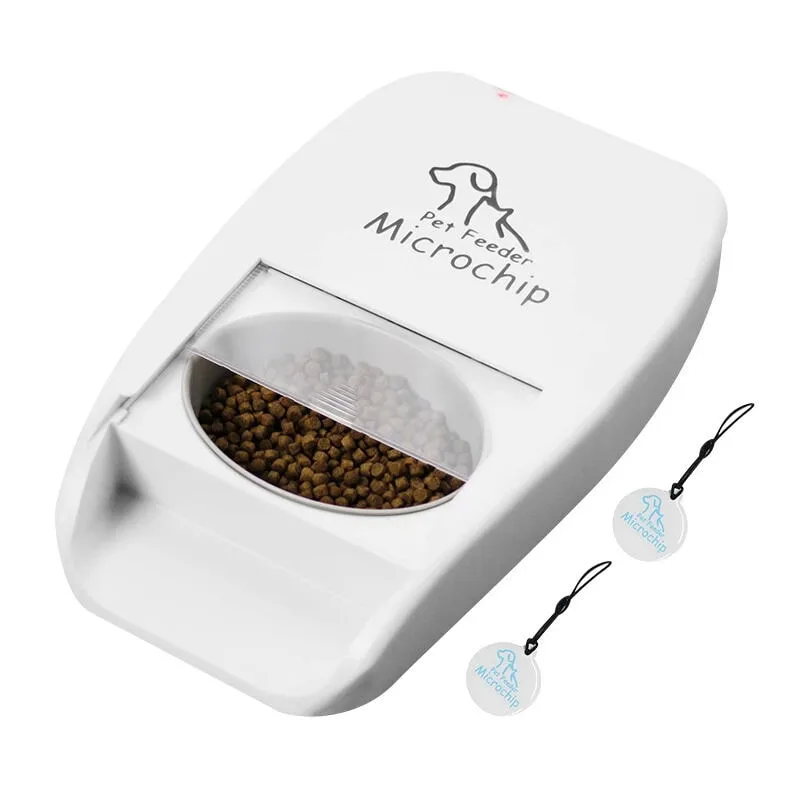
Image source: Web (Bing) / trendhunter.com (Web image (fair-use with source credit))
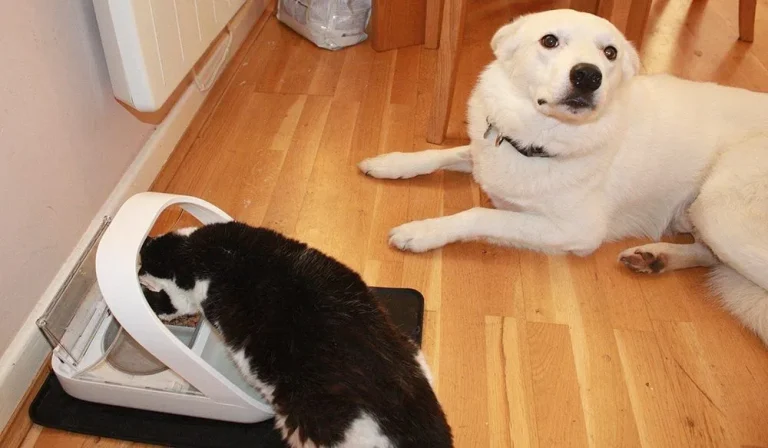
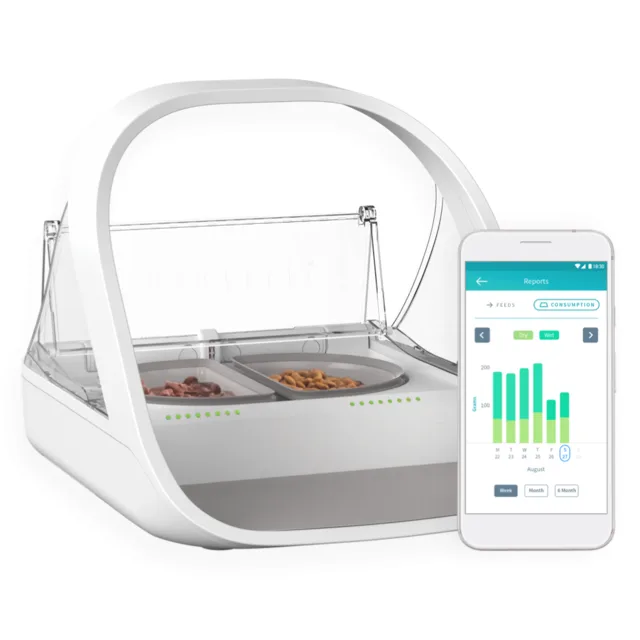
Technology solves the problem entirely if you have the budget. Microchip activated feeders read your cat’s specific implant or collar tag. The lid stays locked tight whenever your dog approaches the sensor range.
Aggregate user reviews show these devices virtually eliminate cross species eating as of 2026.
Switching from free feeding to scheduled meals helps too. Put the food down for twenty minutes. Pick up whatever remains uneaten before your dog wanders into the room.
Choosing the right feeding setup makes managing these timed sessions much easier.
Never leave open bags of dry kibble on low pantry shelves. Dogs will tear through paper and thin plastic to reach high fat treats. Store everything in sealed hard containers placed out of jumping reach.
Prevention costs nothing compared to an emergency clinic visit.
If your dog struggles to finish their own meals but constantly hunts for the cat’s portion, investigate why. Sometimes a sudden refusal of regular meals points to underlying nausea rather than simple pickiness. Fix the root cause before assuming they just prefer the other bowl.
Frequently Asked Questions
Will one bite of cat food hurt my dog?
A single bite of standard commercial cat food rarely harms a healthy adult dog. Their digestive system processes small amounts without issue. You might notice mild gas or slightly softer stool the next day.
Serious problems usually require larger quantities or prescription diets.
Can cat food cause pancreatitis in dogs?
Yes, high fat feline diets frequently trigger acute pancreatitis in susceptible dogs. Breeds like Miniature Schnauzers and Yorkshire Terriers carry genetic risks for this condition. Even moderate amounts of rich wet food can overwhelm their pancreatic function.
Watch for vomiting and abdominal pain after ingestion.
Why does my dog keep eating the cat’s food?
Cat food contains significantly more fat and protein than canine formulas. This creates a stronger smell and richer taste that appeals directly to scavenging instincts. Your dog views it as a high value treat.
Environmental management is the only way to stop the behavior reliably.
Is wet cat food worse for dogs than dry kibble?
Wet canned food generally carries higher moisture and fat density per ounce. This concentrated richness causes faster gastrointestinal upset when eaten in volume. Dry kibble expands in the stomach but usually digests slower.
Both pose risks if your dog eats large quantities quickly.
What should I do if my dog ate prescription cat food?
Call your veterinarian or an emergency animal hospital immediately. Prescription feline diets contain concentrated therapeutic ingredients like urinary acidifiers. These additives can cause severe metabolic imbalances in dogs.
Do not wait for symptoms to appear before seeking professional guidance.