Can a Puppy Eat Adult Dog Food
Can a puppy eat adult dog food safely? The short answer is no for regular meals. Adult formulas lack the specific nutrient density growing dogs require.
Feeding maintenance diets long-term risks irreversible skeletal damage. Puppies need precise calcium and energy levels to develop correctly.

Image source: Web (Bing) / petrite.ng (Web image (fair-use with source credit))
Per AAFCO standards as of 2026, growth diets must contain at least 22.5% protein on a dry matter basis compared to just 18% for adult maintenance. This gap directly impacts bone mineralization and organ development during critical growth windows. Understanding these biological requirements helps explain why proper formulation matters so much.
Quick Answer
Puppies should not eat adult dog food regularly. Adult formulas lack essential nutrients for growth. Insufficient calcium causes permanent skeletal deformities.
Growth diets meet higher protein and fat needs. Only use adult food in brief emergencies.
Why Adult Dog Food Can Harm a Growing Puppy
Adult maintenance diets are biologically incomplete for developing dogs. They simply do not support rapid tissue synthesis or bone elongation. Puppies burn energy at significantly higher rates than mature animals.
Their bodies demand concentrated fuel sources that adult kibble cannot provide.
The stakes get even higher when we consider structural development. Growth plates remain open and vulnerable for months or years depending on breed size. Inadequate nutrition during this window leads to developmental orthopedic disease.
These conditions often cause lifelong pain and mobility issues.
What happens inside a growing body
Skeletal maturation requires tightly regulated mineral ratios. Calcium and phosphorus must exist within a narrow range of 1.1:1 to 1.4:1 for puppies. Adult foods frequently fall outside this safe zone because mature dogs absorb minerals differently.
Excess calcium can be just as damaging as deficiency in young animals.
Soft tissue development also suffers without adequate building blocks. Muscle mass accretion demands highly bioavailable amino acids in specific proportions. DHA supports neurological maturation and retinal development exclusively during early life stages.
Missing these compounds creates deficits that supplementation later cannot fully reverse.
You might notice subtle signs before overt problems appear. Slower weight gain or dull coat quality often signal underlying deficiencies. Some puppies show no symptoms until lameness emerges weeks later.
By then, the window for nutritional correction may have already closed.
If you are currently managing dietary transitions after stomach upset, understanding digestive sensitivity triggers becomes especially important. Sudden diet changes compound nutritional stress in young dogs. Gradual protocols protect both gut health and nutrient absorption simultaneously.
The Critical Nutrient Gaps Between Growth and Maintenance Diets
Comparing guaranteed analyses reveals stark differences between life stage formulations. Growth profiles mandate minimum thresholds that maintenance diets legally ignore. These gaps are not minor variations but fundamental biological mismatches.
Your puppy’s physiology expects abundance where adult food provides adequacy.
| Nutrient | Puppy Minimum (DM) | Adult Minimum (DM) | Deficit Risk |
|---|---|---|---|
| Crude Protein | 22.5% | 18.0% | Stunted muscle growth |
| Fat | 8.5% | 5.5% | Low energy, poor coat |
| Calcium | 1.2% | 0.5% | Rickets, weak bones |
| DHA | 0.05% | Not required | Cognitive delays |
Protein quality matters as much as quantity in these comparisons. Puppy formulas prioritize highly digestible animal proteins with complete amino acid profiles. Adult maintenance diets may rely more heavily on plant proteins or lower-quality renderings.
Bioavailability determines whether your puppy actually uses what they consume.
Fat serves dual purposes beyond simple caloric density. Essential fatty acids drive immune system maturation and skin barrier function. Omega-3 fatty acids specifically modulate inflammation during rapid growth phases.
Adult foods often contain minimal amounts optimized for weight maintenance instead.
Micronutrient gaps create silent problems owners rarely connect to diet. Zinc deficiency manifests as crusting skin lesions around mucocutaneous junctions. Copper insufficiency affects pigment formation and connective tissue strength.
These trace minerals appear in puppy foods at levels two to three times higher than adult maintenance minimums.
For those considering homemade options to control ingredient quality, learning proper fresh food preparation requires veterinary nutritionist guidance. Balancing micronutrients without commercial premixes is exceptionally difficult. Most home recipes fail to meet growth requirements despite good intentions.
Breed Size Changes the Rules: Large vs. Small Breed Risks
Giant breeds face unique dangers from inappropriate feeding that toy breeds do not share. Great Danes and Mastiffs grow explosively during their first year. Their skeletons cannot mineralize fast enough to keep pace with body mass increases.
Controlling growth rate through calibrated nutrition prevents angular limb deformities.
Large breed puppy formulas cap calcium at 1.8% on a dry matter basis. This upper limit protects against hypertrophic osteodystrophy and other painful bone disorders. Standard puppy foods often exceed this threshold safely for smaller dogs.
Feeding regular puppy chow to a giant breed invites orthopedic catastrophe.
Small breeds operate under completely different metabolic constraints. Chihuahuas and Yorkshire Terriers have tiny stomachs and blazing metabolisms. They risk hypoglycemia if meals lack sufficient caloric density.
Adult maintenance food dilutes energy concentration below their survival threshold.
Timing matters differently across sizes
Growth plate closure timelines dictate how long specialized nutrition remains necessary. Toy breeds typically reach skeletal maturity between nine and twelve months. Giant breeds may continue growing until eighteen or twenty-four months.
Switching to adult food too early truncates their developmental window.
Monitoring body condition scores helps calibrate intake regardless of breed size. You want ribs easily palpable but not visible under normal lighting. Excessive weight gain stresses developing joints as much as nutrient deficiency does.
Regular weigh-ins catch dangerous trends before they become clinical problems.
Selecting appropriate feeding equipment supports proper eating mechanics across all sizes. Elevated bowls may benefit large breeds by reducing air swallowing. Shallow dishes prevent facial immersion for flat-faced puppies.
Physical comfort influences consistent intake and nutrient utilization.
How to Read an AAFCO Statement Like a Veterinary Nutritionist
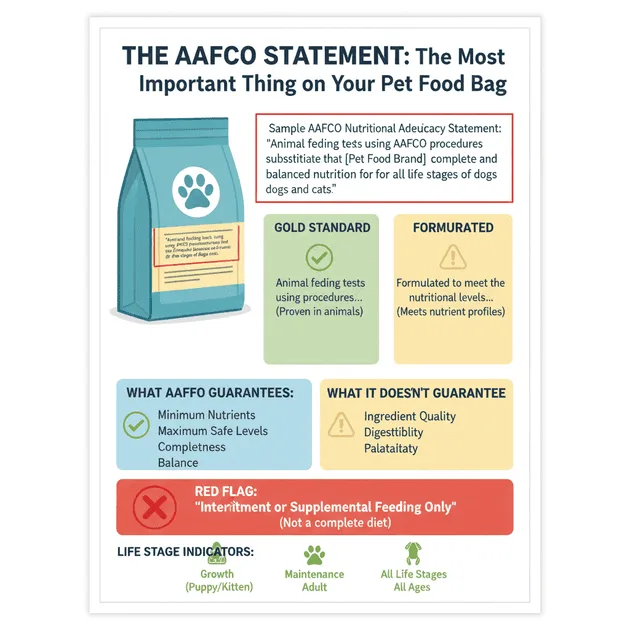
Image source: Web (Bing) / petmealplanner.com (Web image (fair-use with source credit))
The nutritional adequacy statement tells you everything about safety compliance. Look for language specifying “growth” or “all life stages” explicitly. Products labeled only for “adult maintenance” are categorically unsafe for puppies.
This single line separates appropriate food from potential harm.
Manufacturers must conduct feeding trials or formulate to meet established nutrient profiles. Both pathways satisfy regulatory requirements but differ in verification rigor. Feeding trials test actual biological outcomes in living animals.
Formulation methods rely on laboratory analysis and mathematical calculations alone.
“All life stages” products pass testing for both growth and reproduction. They represent the safest choice if dedicated puppy formulas are unavailable. However, some all-life-stages foods push calcium levels too high for giant breeds.
Always verify large breed suitability separately when using these versatile options.
Decoding label terminology accurately
Phrases like “intermittent or supplemental feeding only” indicate incomplete nutrition. These products cannot serve as primary diets for any life stage. Treats and toppers often carry this designation prominently.
Confusing them with complete meals creates severe deficiencies over time.
Dry matter basis conversions reveal true nutrient concentrations beneath moisture content. Wet foods appear lower in protein percentage due to water weight. Multiplying by the dry matter factor enables accurate cross-format comparisons.
Our research shows many owners miss this step when evaluating canned options.
Understanding wet versus dry format differences helps interpret labels correctly. Moisture content dramatically affects guaranteed analysis percentages. Both formats can meet growth requirements when properly formulated.
Choose based on your puppy’s preference and your budget rather than assumed superiority.
Verifying manufacturing origins adds another layer of quality assurance. Knowing where specific brands produce their food informs sourcing transparency expectations. Domestic facilities follow FDA regulations while international plants may operate under different standards.
Supply chain visibility correlates with consistent nutrient delivery.
Safe Transition Protocols and Emergency Feeding Guidelines
Gradual diet transitions protect gastrointestinal stability during formula changes. Mix increasing proportions of new food over seven to ten days minimum. Start with 25% new food and 75% old food for the first three days.
Rushing this process causes diarrhea that compromises nutrient absorption.
Emergency situations sometimes force temporary adult food usage. Running out of puppy kibble at midnight warrants practical solutions. Feed adult maintenance food for no longer than forty-eight hours maximum.
Supplement with puppy-safe wet food to boost caloric density during this gap.
Reintroduce proper growth formula immediately once available. Monitor stool consistency closely during the recovery period. Probiotic supplementation may help restore microbial balance after disruption.
Persistent digestive issues warrant veterinary evaluation to rule out secondary complications.
Storage practices preserve nutritional integrity
Improper storage degrades vitamins and oxidizes fats rapidly. Transfer opened bags to airtight containers away from heat and light. Refrigerate opened canned portions and use within five days.
Learning correct wet food storage methods prevents bacterial contamination and nutrient loss.
Check expiration dates before purchasing bulk quantities. Vitamins degrade predictably over time even in sealed packaging. Buying six-month supplies risks feeding deficient food toward the end.
Smaller frequent purchases ensure peak freshness throughout the growth period.
Clean bowls daily to prevent biofilm accumulation. Bacterial colonies form invisible layers that resist simple rinsing. Dishwasher sanitization or hot soapy washing eliminates pathogen reservoirs.
Hygiene directly impacts immune system burden during vulnerable developmental stages.
Common Feeding Mistakes That Cause Permanent Damage
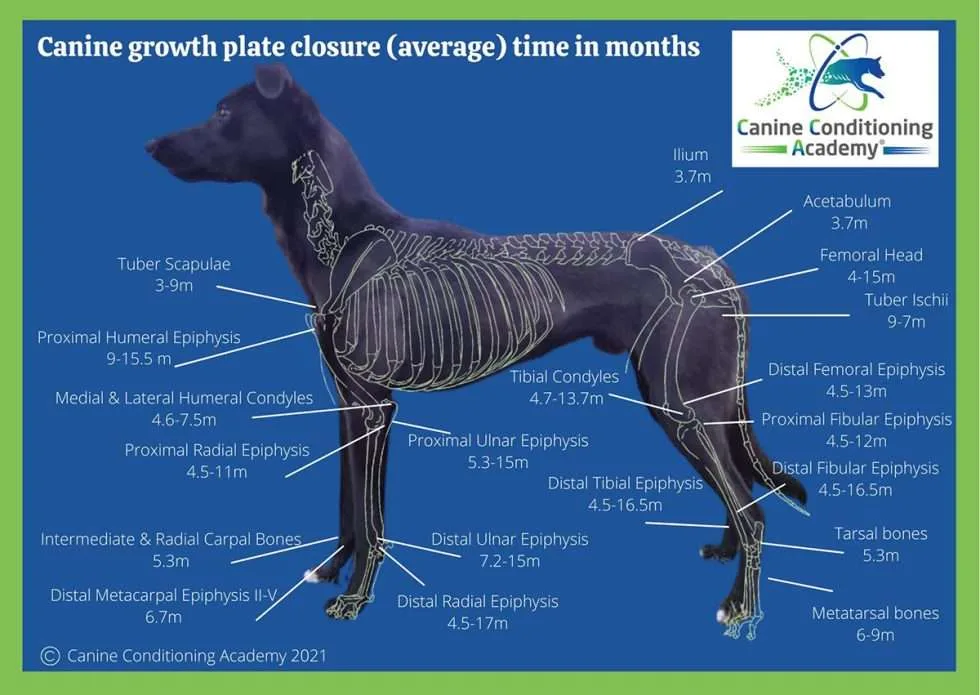
Image source: Web (Bing) / mobilitydogresources.org (Web image (fair-use with source credit))
Supplementing puppy food with extra calcium is a dangerous misconception. Many owners believe adding tablets strengthens bones during growth phases. This practice actually disrupts the delicate hormonal regulation of skeletal maturation.
Excess calcium inhibits cartilage remodeling and causes irreversible joint deformities.
Free-feeding adult kibble to growing puppies creates dual problems. Unrestricted access encourages excessive calorie consumption alongside nutrient deficiency. Rapid weight gain physically stresses immature growth plates beyond their structural capacity.
The combination of wrong nutrients and excess energy accelerates orthopedic disease onset significantly.
Mixing multiple life-stage formulas dilutes nutritional precision dangerously. Combining puppy and adult foods creates an unpredictable nutrient profile. You cannot calculate whether the resulting blend meets growth requirements safely.
Consistency in formulation ensures reliable delivery of essential compounds every single meal.
Recognizing early warning signs
Lameness that shifts between legs often indicates developmental bone disease. Puppies may appear stiff after resting or reluctant to play. These symptoms frequently get dismissed as normal clumsiness or minor injuries.
Veterinary radiographs reveal widened growth plates characteristic of nutritional imbalances.
Rib flare or visible spinal processes signal inadequate mineralization. Soft bones bow under muscle tension before hardening completes. Palpable bumps along long bones suggest hypertrophic osteodystrophy developing.
Early intervention through dietary correction can sometimes halt progression before permanent damage occurs.
Owners feeding high-protein formulations should verify sources carefully. Protein quantity alone does not guarantee appropriate amino acid balance for growth. Some adult performance diets exceed puppy minimums while lacking DHA entirely.
Always cross-reference guaranteed analysis against AAFCO growth profiles rather than marketing claims.
Ignoring breed-specific growth timelines extends vulnerability windows unnecessarily. Keeping giant breeds on puppy food past skeletal maturity promotes obesity. Conversely, switching toy breeds to adult maintenance too early truncates development.
Regular veterinary assessments determine optimal transition timing based on individual maturation rates.
Frequently Asked Questions About Puppy Nutrition Safety
Can I mix adult and puppy food during transitions?
Mixing formulas temporarily during seven-day transitions is safe and recommended. However, never create a permanent blended diet without veterinary nutritionist guidance. Calculating combined nutrient density requires professional software and expertise.
Inconsistent ratios risk creating deficiencies or toxicities over extended feeding periods.
What if my puppy accidentally eats adult food once?
Single accidental meals rarely cause immediate harm to healthy puppies. Resume appropriate growth formula at the next scheduled feeding time. Monitor for gastrointestinal upset like vomiting or diarrhea over twenty-four hours.
Contact your veterinarian only if symptoms persist or your puppy has preexisting health conditions.
When should large breeds switch from puppy to adult food?
Giant breeds typically require growth formulations until eighteen to twenty-four months. Skeletal maturity determines timing more reliably than chronological age alone. Your veterinarian can assess growth plate closure through physical examination or radiographs.
Premature transitions risk incomplete bone mineralization and future orthopedic complications.
Are all life stages foods safe for puppies?
Products labeled “all life stages” meet AAFCO growth requirements by definition. They represent acceptable alternatives when dedicated puppy formulas are unavailable. Verify calcium levels stay within safe limits for your specific breed size.
Giant breeds need additional scrutiny since some all-life-stages products exceed their upper thresholds.
How do I know if my puppy is getting enough nutrients?
Consistent weight gain along breed-appropriate growth curves indicates adequate nutrition. Body condition scoring reveals whether caloric intake matches metabolic demands. Dull coats, skin issues, or lethargy often signal underlying deficiencies.
Schedule veterinary wellness exams every three to four weeks during rapid growth phases.
Can homemade diets replace commercial puppy food safely?
Formulating balanced homemade growth diets requires board-certified veterinary nutritionist involvement. Peer-reviewed studies show over ninety percent of online recipes fail to meet puppy requirements. Missing micronutrients cause silent deficiencies that manifest months later.
Professional formulation services provide customized recipes with precise supplement protocols for home preparation.