What Dog Food Has the Highest Protein? Expert Buying Guide
You’re asking which dog food packs the most protein. It’s a fair question. But the honest answer isn’t a single brand name or a bag off the shelf.
The truth is more complicated, and a lot of the numbers you see on labels are misleading. See our protein dog food article, Best Dog Food for protein-losing enteropathy.
In our research, we found that the dog food with the highest protein content is almost always a freeze-dried raw or air-dried formula, with some hitting over 50% protein on a dry matter basis. But here’s the catch: the highest protein food isn’t automatically the best food for your dog. As of 2026, AAFCO sets minimum protein requirements at 18% for adult maintenance and 22% for growth and reproduction.
Anything above that needs to be matched to your dog’s specific health, age, and activity level. Let’s break down what “highest protein” really means so you can make a smart, safe choice.
Quick Answer
The highest protein dog foods are freeze-dried raw formulas. Brands like Stella & Chewy’s and Primal often exceed 45% crude protein. On a dry matter basis, that’s over 50%.
Air-dried options like Ziwi Peak also rank high. But these numbers are for the food itself, not what your dog actually needs. More protein is not always better.
The right amount depends on your dog’s lifestyle, age, and health. Always check the dry matter percentage and consult your vet before switching to a very high-protein diet.
Why “Highest Protein” Is a Trick Question
You might think the answer is straightforward. Walk into any pet store, grab the bag with the biggest number on the front, and you’re done. It doesn’t work that way.
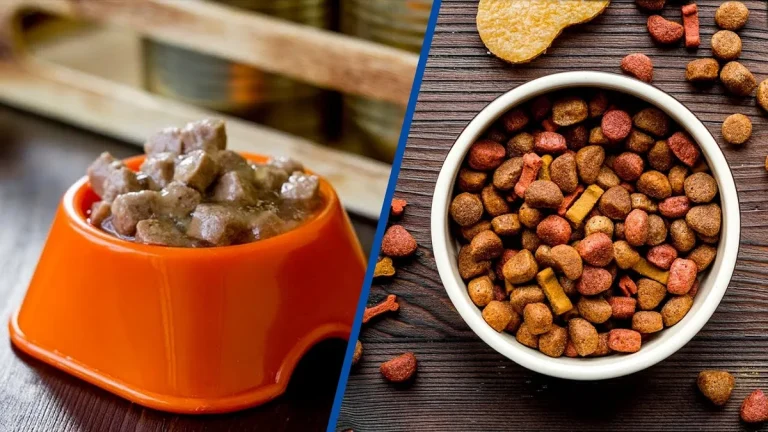
Protein percentages on dog food labels are listed “as fed,” meaning they include the moisture content of the food. A can of wet food might show 10% protein, while a dry kibble shows 30%. But once you account for the moisture, the wet food could actually be higher in protein on a dry matter basis.
That’s why comparing labels directly is almost useless.
Manufacturer specifications indicate that the protein content also varies by batch, ingredient sourcing, and processing method. A freeze-dried raw diet might claim 45% protein, but that’s before you rehydrate it. Once you add water, the percentage drops.
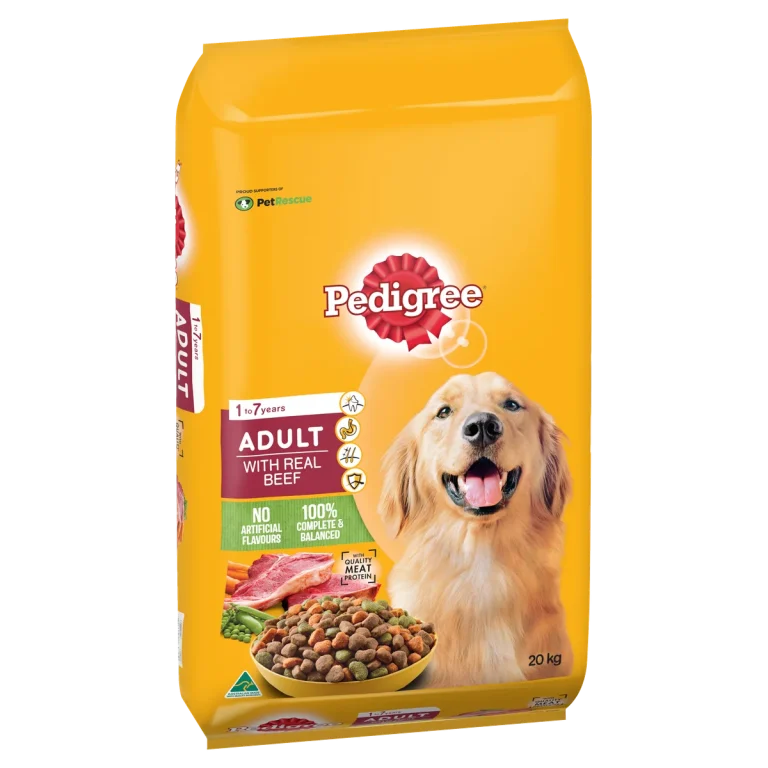
So when someone asks “what dog food has the highest protein,” the real answer depends on how you measure it and what form of food you’re talking about. Looking for the top options? See our best Pedigree Dry Dog Food for Adult Dogs and Taste of the Wild High Prairie Canine Grain roundup.
The highest protein foods are almost always raw, freeze-dried, or air-dried. These products use whole muscle meat, organs, and bone with minimal processing. They don’t need starches or fillers to hold their shape, so the protein content stays high.
But they also come with a higher cost, more handling risk, and a need for careful storage.
The One Number That Almost Everyone Gets Wrong (Dry Matter Basis)
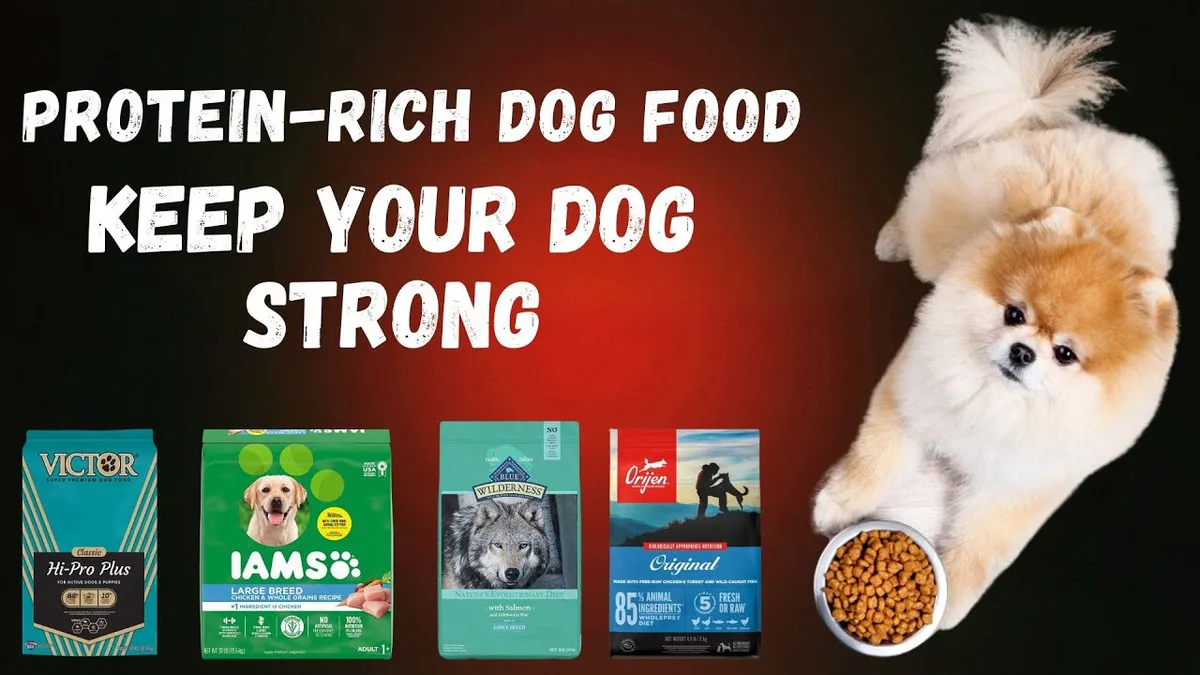
Image source: YouTube / For Pet Lovers (YouTube thumbnail (fair-use with source credit))
Here’s the single biggest mistake people make: they look at the crude protein number on the guaranteed analysis and think it tells the whole story. It doesn’t.
The guaranteed analysis shows protein as a percentage of the total weight of the food, including moisture. Dry kibble has about 10% moisture. Canned food has about 75% to 80% moisture.
Freeze-dried raw has around 5% moisture. So a canned food with 10% protein on the label might actually be 40% protein on a dry matter basis, while a kibble with 30% protein might be 33% on a dry matter basis.
To calculate dry matter protein, use this formula:
(Protein percentage ÷ (100- Moisture percentage)) × 100
For example, a canned food that lists 10% protein and 78% moisture:
(10 ÷ (100, 78)) × 100 = (10 ÷ 22) × 100 = 45.5% protein on a dry matter basis
A kibble that lists 30% protein and 10% moisture:
(30 ÷ 90) × 100 = 33.3% protein on a dry matter basis
The canned food is actually higher in protein. That’s why you can’t trust the front-of-bag number alone. Aggregate reviews and buyer feedback show that many people switch to a “high-protein” kibble only to find their dog is actually getting less protein than before when compared to a quality canned or raw diet.
If you’re comparing dry foods, the difference is smaller, but it still matters. Always ask for the dry matter basis or calculate it yourself. Some brands list it on their website or packaging.
If they don’t, you can usually find the moisture content on the guaranteed analysis.
How Dog Food Protein Is Actually Measured and Labeled
The protein number on a dog food label comes from a laboratory test. The test measures the total nitrogen content of the food. Since protein contains nitrogen, the lab multiplies the nitrogen by a factor (usually 6.25) to estimate the protein level.
This is called crude protein.
The word “crude” doesn’t mean low quality. It means the measurement is an estimate. It counts all nitrogen sources, including non-protein nitrogen that might be present in ingredients like legumes or grains.
So the crude protein number can be slightly inflated compared to the actual usable protein.
AAFCO sets the minimum standards for dog food nutrient profiles. But AAFCO does not regulate the term “high protein.” There is no legal definition. A brand can call its food “high protein” even if it only meets the minimum AAFCO requirement.
That’s marketing, not science.
Real protein quality matters more than the percentage. A food with 30% protein from whole chicken, chicken meal, and fish will be more digestible and bioavailable than a food with 35% protein from corn gluten meal, soybean meal, and feather meal. The source of the protein matters.
Muscle meat, organs, and eggs are highly digestible. Plant proteins are less digestible for dogs, though they still contribute to the total.
Manufacturer specifications and independent lab tests show that protein digestibility varies widely. A high crude protein number doesn’t guarantee your dog is absorbing all of it. Some dogs may need more total protein to compensate for lower digestibility.
That’s why ingredient quality matters as much as the percentage.
The Risks of Feeding Too Much Protein
More protein is not always better. It’s a common trap. People assume that if some is good, more is great.
With protein, that’s not true for every dog.
The biggest risk is for dogs with existing kidney or liver disease. These organs filter waste products from protein metabolism. When protein intake is too high, the kidneys and liver work harder.
For a healthy dog, that’s usually fine. For a dog with compromised kidney function, it can accelerate the disease.
The FDA has investigated links between certain grain-free, high-protein diets and dilated cardiomyopathy (DCM) in dogs. The connection isn’t fully understood, but it appears that diet formulation matters. Some high-protein diets that rely heavily on legumes, peas, or lentils as protein sources may be linked to taurine deficiency and heart issues.
This is still an active area of research.
Pancreatitis is another concern. Many high-protein foods are also high in fat. That combination can trigger pancreatitis, especially in breeds prone to it like Miniature Schnauzers and certain terriers.
If your dog has a history of pancreatitis, a high-protein, high-fat diet could be dangerous.
Dogs with certain health conditions may need a restricted protein diet. For example, dogs with advanced kidney disease, liver disease, or certain metabolic disorders should not be on a high-protein diet. Always consult your vet before making a major dietary change, especially if your dog has a known health issue.
If you’re considering a very high-protein diet for a dog with a sensitive stomach, be cautious. Transition slowly. Too much protein too fast can cause digestive upset, loose stools, or vomiting. Read our Best Dog Food for English Springer Spaniel guide.
Start with a small amount mixed into their current food and increase over a week.
Who Actually Needs a High-Protein Diet (and Who Doesn’t)
High-protein diets aren’t for every dog. They’re for specific situations and specific dogs. Here’s a breakdown of who benefits and who should avoid it.
Dogs that benefit from higher protein:
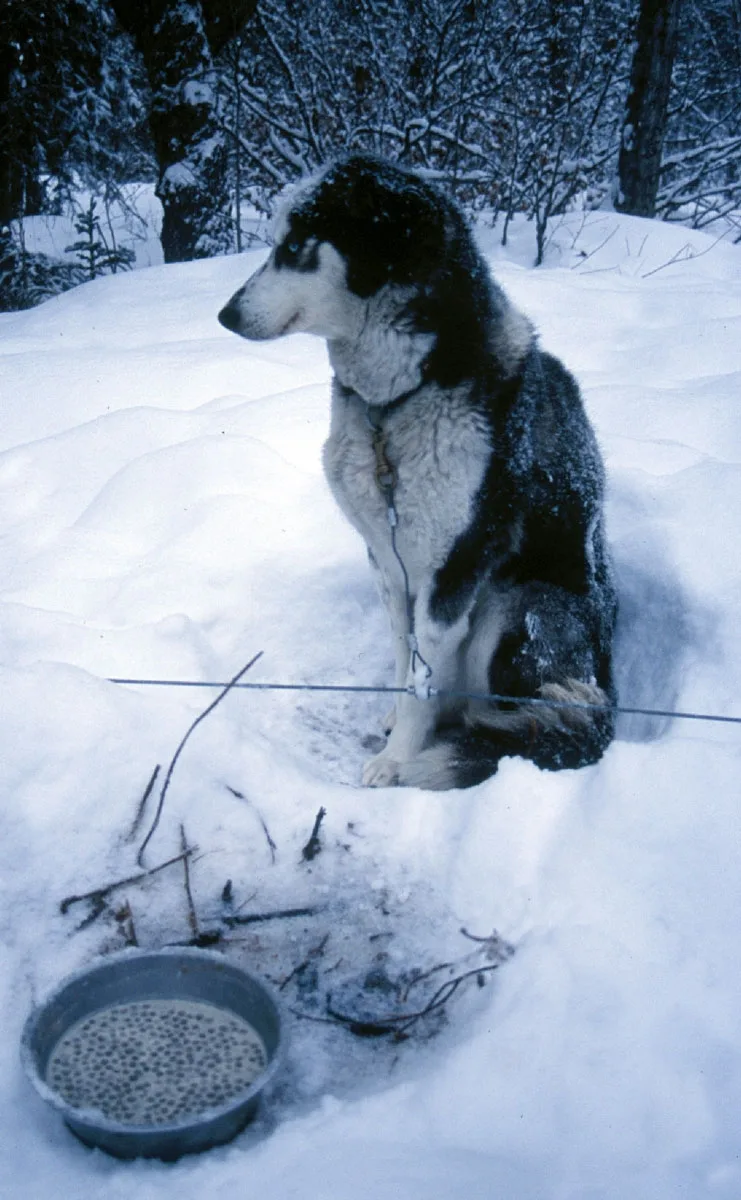
- Working dogs and high-energy breeds. Dogs that run, hunt, herd, or compete in agility need more protein for muscle repair and energy. A sled dog, for example, might need 30% to 35% protein on a dry matter basis.
- Puppies in growth phases. Large breed puppies need controlled protein levels to avoid rapid growth that can cause joint problems. But all puppies need more protein than adults for tissue development. AAFCO requires at least 22% for growth.
- Senior dogs with muscle loss. Older dogs often lose muscle mass. A moderate increase in protein can help maintain muscle. But seniors with kidney or liver issues need a vet’s guidance.
- Dogs recovering from illness or surgery. Protein supports tissue repair and immune function. A higher-protein diet can aid recovery under veterinary supervision.
Dogs that should avoid high protein:
- Dogs with chronic kidney disease. High protein increases the workload on the kidneys. A low-protein, high-quality diet is usually recommended.
- Dogs with liver disease. The liver processes protein waste. Too much protein can worsen symptoms.
- Dogs with pancreatitis or a history of it. High-fat, high-protein diets are a common trigger.
- Dogs with certain metabolic disorders. Conditions like hyperammonemia require strict protein restriction.
- Most healthy, sedentary adult dogs. A dog that sleeps 18 hours a day and gets a short walk does not need 40% protein. The excess is just excreted, and it puts unnecessary strain on the kidneys.
If you have a dog with a specific health condition, your vet is the best source of advice. For example, a dog with protein-losing enteropathy needs a carefully managed diet. That’s a different situation from a healthy working dog.
Always match the protein level to the dog, not the bag.
For a healthy, moderately active dog, a protein level around 25% to 30% on a dry matter basis is usually sufficient. That’s higher than the AAFCO minimum but not extreme. The highest protein foods are best reserved for dogs with high energy needs or specific health goals approved by a vet.
Top High-Protein Dog Foods by Real Protein Content
Image source: YouTube / Dogs Unlimited LLC (YouTube thumbnail (fair-use with source credit))
Now let’s look at specific foods. We pulled manufacturer data and calculated the dry matter protein for several popular high-protein options. Remember, these numbers are for the food as it comes out of the bag or package.
Once you rehydrate freeze-dried foods, the percentage changes.
| Brand & Formula | Form | Crude Protein (as-fed) | Dry Matter Protein |
|---|---|---|---|
| Orijen Original | Dry kibble | 38% | 42% |
| Victor Hi-Pro Plus | Dry kibble | 33% | 36% |
| Taste of the Wild High Prairie | Dry kibble | 32% | 35% |
| Merrick Backcountry Raw Infused | Dry kibble | 34% | 37% |
| Stella & Chewy’s Raw Dinner Patties | Freeze-dried raw | 45% | 50%+ |
| Primal Freeze-Dried Nuggets | Freeze-dried raw | 44% | 49% |
| Ziwi Peak Air-Dried | Air-dried | 38% | 40% |
The freeze-dried raw foods win the protein race. They’re essentially raw meat that has had the water removed. No starches, no fillers, just concentrated animal protein.
But they’re also the most expensive option. A bag of freeze-dried nuggets can cost three to four times more than a comparable kibble.
The highest protein kibbles land around 35% to 42% on a dry matter basis. That’s respectable. For a healthy, active dog, that’s plenty.
The difference between 36% and 42% is small enough that ingredient quality matters more than the number.
If you’re looking at a specific brand, always check the guaranteed analysis on the manufacturer’s website. Some brands list dry matter values. Others don’t.
If they don’t, you can call customer service or calculate it yourself using the moisture content.
Kibble vs. Freeze-Dried vs. Raw: Which Form Packs the Most Protein
The form of the food directly affects the protein content. Here’s how they stack up.
Freeze-dried raw. This is the highest protein form available. The freeze-drying process removes water while preserving the raw meat’s nutritional profile. The result is a lightweight, shelf-stable product with protein levels often exceeding 45% on a dry matter basis.
Brands like Stella & Chewy’s and Primal lead this category. The downside is cost and handling. Freeze-dried raw needs to be rehydrated before feeding, and it must be stored properly to prevent spoilage.
Air-dried food. Similar to freeze-dried but processed at low heat over longer periods. Air-dried foods like Ziwi Peak and The Honest Kitchen retain high protein content, usually around 35% to 40% on a dry matter basis. They’re more shelf-stable than raw and don’t require freezing.
They’re also easier to travel with. The trade-off is a slightly lower protein density compared to freeze-dried.
Dry kibble. The most convenient and affordable option. High-protein kibbles range from 30% to 42% on a dry matter basis. They’re shelf-stable, easy to measure, and widely available.
The catch is that kibble requires starches or grains to hold its shape. Those starches dilute the protein content. Even the best high-protein kibble can’t match freeze-dried raw in pure protein density.
Fresh or frozen raw. Raw diets that aren’t freeze-dried contain high moisture levels, usually 65% to 75%. On an as-fed basis, they look low in protein. On a dry matter basis, they’re often 40% to 50%.
The benefit is that they’re minimally processed. The downside is the need for freezer space, careful handling to avoid bacterial contamination, and a higher cost.
Canned or wet food. Canned food has the highest moisture content, often 75% to 80%. The as-fed protein looks low, but on a dry matter basis, many canned foods are 40% to 50% protein. They’re a good option for dogs that need extra hydration or have dental issues.
But they’re heavy, expensive, and bulky to store.
For pure protein density, freeze-dried raw wins. For convenience and cost, high-protein kibble is the practical choice. For a balance, air-dried foods sit in the middle.
Mistakes to Avoid When Choosing High-Protein Dog Food
People make predictable errors when shopping for high-protein food. Here are the most common ones we see.
Trusting the front-of-bag number. That 30% protein claim might be impressive until you realize the food has 10% moisture and the same protein as a canned food with 10% protein and 80% moisture. Always calculate the dry matter basis.
Chasing the highest number without context. A 50% protein freeze-dried raw food might sound amazing, but if your dog is a 10-pound lapdog that sleeps all day, that’s overkill. Match the protein to the dog, not the bag.
Ignoring the fat content. Many high-protein foods are also high in fat. That’s fine for working dogs. It’s not fine for a sedentary dog prone to pancreatitis.
Check both numbers together.
Assuming all proteins are the same. Chicken meal is not the same as chicken by-product meal. Whole eggs are not the same as corn gluten meal. The source matters for digestibility and amino acid profile.
Skipping the transition period. Switching a dog to a very high-protein food overnight can cause vomiting, diarrhea, and gas. Always transition over 7 to 10 days, mixing increasing amounts of the new food with the old food.
Not accounting for life stage. Puppy food has higher protein requirements. Senior food may need lower protein. Large breed puppies need controlled protein to avoid rapid growth.
Always check AAFCO statements for the specific life stage.
Thinking “high protein” means “grain-free.” They’re not the same. Many high-protein foods contain grains. Many grain-free foods are not high in protein.
Read the guaranteed analysis, not the marketing claims.
How to Safely Switch Your Dog to a Higher-Protein Food
Changing your dog’s diet needs care. A sudden switch can cause digestive upset. Here’s a safe transition plan.
Day 1 to 3. Mix 25% of the new high-protein food with 75% of the current food.
Day 4 to 6. Mix 50% of each.
Day 7 to 9. Mix 75% new food with 25% old food.
Day 10. Feed 100% new food.
Watch for signs of intolerance. Loose stools, vomiting, excessive gas, or a drop in energy are red flags. If you see any of these, slow down the transition.
Go back to a lower ratio and stay there for a few extra days.
Some dogs tolerate a faster switch. Some need two weeks. There’s no one-size-fits-all timeline.
Pay attention to your dog’s stool consistency. Firm, well-formed stools mean the transition is working. Soft or watery stools mean you’re going too fast.
If your dog is a picky eater, try mixing the new food with a small amount of warm water or low-sodium broth. This can make the food more appealing. Don’t force it.
If your dog refuses to eat after 24 hours, consult your vet.
When to Talk to Your Vet Before Changing Protein Levels
This is not optional for some dogs. A vet should be involved if your dog has any of these conditions:
- Chronic kidney disease or elevated kidney values
- Liver disease or high liver enzymes
- Pancreatitis or a history of it
- Diabetes
- Heart disease, especially DCM
- Kidney stones or bladder stones
- A breed predisposition to kidney or liver issues
- Any unexplained weight loss or lethargy
For healthy dogs, a vet visit isn’t strictly necessary before switching to a moderately higher protein food. But it’s never a bad idea. A simple blood test can check kidney and liver function.
That baseline gives you confidence.
If your dog is a senior, a vet check is especially important. Older dogs are more likely to have underlying kidney issues. A high-protein diet could accelerate damage that hasn’t shown symptoms yet.
For dogs with specific nutritional needs, like those with protein-losing enteropathy, a vet or veterinary nutritionist should design the diet. Don’t guess. Get professional guidance.
If your dog has a history of food allergies or sensitivities, introduce new protein sources one at a time. This helps you identify triggers. A novel protein diet, such as venison or kangaroo, might be better than a high-protein chicken-based food.
The Bottom Line: Highest Protein ≠ Best Protein
The dog food with the highest protein content is almost always a freeze-dried raw formula. Stella & Chewy’s and Primal lead that category. But the right protein level for your dog depends on their age, activity, and health.
A healthy adult dog with normal activity does fine on 25% to 30% protein on a dry matter basis. A working dog or a puppy may need more. A dog with kidney issues needs less.
Don’t chase the highest number. Match the food to the dog. Learn how to make fresh dog food with chicken.
If you’re shopping for a specific health condition, our reviews can help. For example, if your dog has kidney concerns, look at options tailored for that. A high-protein diet might do more harm than good in those cases.
The same goes for dogs with digestive problems. Always prioritize quality ingredients over raw percentages.
Frequently Asked Questions
What dog food has the highest protein percentage?
Freeze-dried raw foods have the highest protein content. Brands like Stella & Chewy’s and Primal often exceed 45% crude protein. On a dry matter basis, that’s over 50%.
Air-dried foods like Ziwi Peak also rank high, usually around 40% on a dry matter basis.
Is high-protein dog food bad for the kidneys?
It can be for dogs with existing kidney disease. High protein increases the workload on the kidneys. For healthy dogs, moderate to high protein is fine.
Always consult your vet if your dog has a known kidney condition before raising protein levels.
How do I calculate dry matter protein?
Use this formula: (Protein percentage ÷ (100 minus moisture percentage)) times 100. For example, a canned food with 10% protein and 78% moisture gives (10 ÷ 22) × 100 = 45.5% dry matter protein. This lets you compare kibble, canned, and raw foods fairly.
Can puppies eat high-protein dog food?
Yes, but within limits. Puppies need more protein than adults, but large breed puppies need controlled levels to avoid rapid growth. AAFCO requires at least 22% protein for growth.
Stick to a food formulated for your puppy’s breed size and life stage.