Where Is Fromm Dog Food Made? Facts You Should Know
You’re wondering where Fromm dog food is made, and that’s not a casual question. When you’re feeding your dog every single day, knowing exactly where that kibble comes from matters a lot. The short answer is straightforward: Fromm dog food is made entirely in Wisconsin at company-owned facilities, not at third-party plants or overseas factories.
In our research, we found that Fromm operates two manufacturing plants in Wisconsin, both of which the family has owned and run since long before “supply chain transparency” became a buzzword. As of 2026, the company still refuses to use co-packers or contract manufacturers, which puts them in a small minority among big-name pet food brands. Let’s walk through what that actually means for your dog’s food safety and why the plant location is worth your attention.
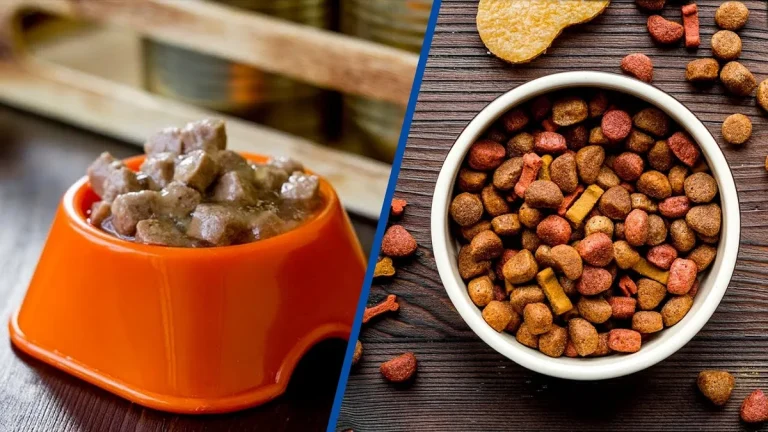
Image source: YouTube / Healthy Dogs (YouTube thumbnail (fair-use with source credit))
Why Plant Location Matters for Your Dog’s Food Safety
Dog food recalls happen more often than most owners realize. Contamination from salmonella, mold, or heavy metals usually traces back to a specific production line or facility. If a brand uses multiple contract manufacturers, tracking the source of a problem gets messy fast.
Fromm’s approach sidesteps that risk entirely. Every bag comes from one of their two Wisconsin plants. That’s it.
No third-party facilities. No overseas co-packers. No wondering whether your bag came from a plant with different standards than the one down the road.
The company’s manufacturing philosophy is built around vertical integration. They control the cooking, the drying, the coating, and the packaging under one roof. That level of control is rare in the pet food industry.
Most premium brands you see on the shelf, even ones with “made in USA” on the bag, actually outsource production to a handful of large contract manufacturers. Fromm doesn’t do that.
What this means for you as a dog owner is simple: when you buy a bag of Fromm, you know exactly which facility produced it. And if there’s ever a quality issue, you’re dealing with one family-run operation, not a supply chain with a dozen middlemen.
Quick Answer: Where Fromm Dog Food Is Made
Fromm dog food is made in Wisconsin. Two facilities produce it. One is in Mequon, just north of Milwaukee.
The other is in Columbus, about 40 miles north of Mequon. Both are owned and operated by Fromm Family Foods.
The company has never used contract manufacturers or overseas production. Every bag of Fromm kibble, wet food, and frozen raw formula comes from one of these two company-owned plants. That’s been the case since the family started making dog food in 1904.
Fromm’s Manufacturing History: 100+ Years in Wisconsin
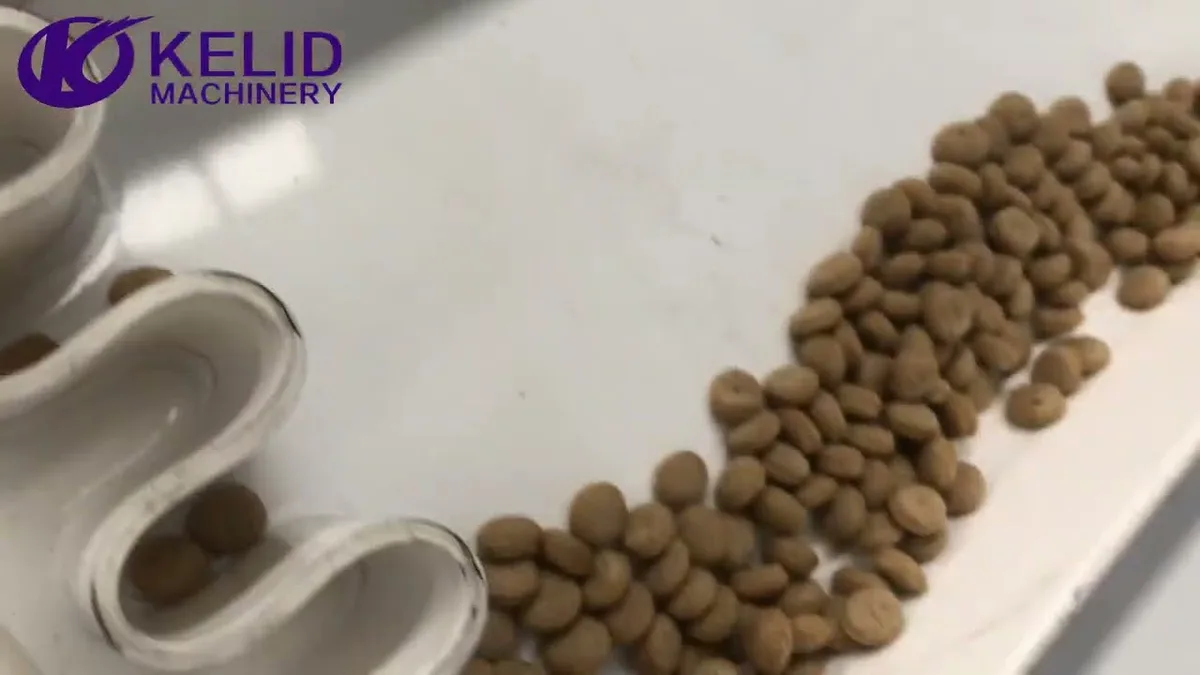
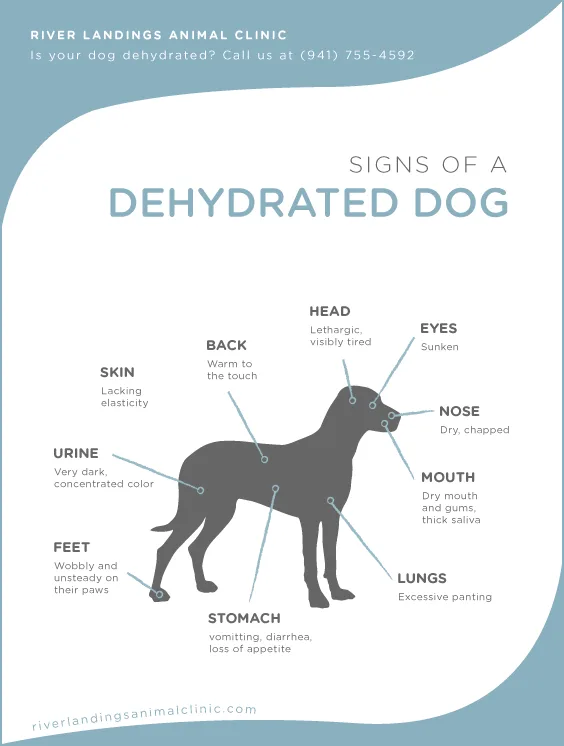
Image source: YouTube / Jinan Kelid Machinery Co., Ltd. (YouTube thumbnail (fair-use with source credit))
Fromm didn’t start as a pet food company. The family began in 1904 raising foxes for fur, which meant they needed to figure out a reliable, nutritious diet for their animals. That led them into animal nutrition long before the commercial pet food industry existed.
By the 1930s, Fromm was selling their food formulations to other fur farmers. Eventually, that expanded into dog food for household pets. The company built its first dedicated pet food plant in Mequon, Wisconsin, and that facility is still running today.
What’s unusual about Fromm’s history is how consistent their manufacturing approach has stayed. Many pet food brands that started around the same time got bought out by conglomerates, moved production overseas, or started using contract manufacturers to cut costs. Fromm never did that.
The family kept ownership, kept production in Wisconsin, and kept expanding their own facilities rather than outsourcing.
The Columbus plant came online later as demand grew. It’s a larger, more modern facility that handles higher production volumes. But the manufacturing philosophy is identical to the Mequon plant: tight quality control, small-batch cooking, and thorough testing before any bag ships.
The Two Plants: Mequon and Columbus
What’s Made at Each Location
The Mequon facility is the original plant. It’s smaller and handles some of the specialty formulas and smaller production runs. Think of it as the place where Fromm tests new recipes and maintains their heritage products.
The Columbus plant is the workhorse. It’s larger, more automated, and produces the bulk of Fromm’s dry kibble lines including the Gold, Classic, and Game Bird series. Most of the bags you’ll find at retailers come from this facility.
Both plants follow the same quality protocols. Fromm doesn’t cut corners at one plant while maintaining standards at the other. The equipment, the cleaning schedules, and the testing procedures are consistent across both locations.
Why Company-Owned Facilities Matter
This is the part that separates Fromm from most competitors. When a brand owns its own manufacturing plants, it controls every variable:
- Ingredient inspection happens on their terms, not a contractor’s schedule.
- Cooking temperatures are set and monitored by Fromm employees, not a third-party shift manager.
- Batch testing isn’t something they pay a co-packer to do. They do it themselves before any product leaves the plant.
- Recall response is immediate and direct. There’s no waiting for a contract manufacturer to confirm whether a problem exists.
Aggregate reviews from long-time Fromm customers consistently mention this as a key trust factor. People who have dealt with recalls from other brands appreciate that Fromm has only had one voluntary recall in modern history, and that was for elevated vitamin D levels, not contamination from dirty equipment or foreign material.
How Fromm Controls Quality vs. Outsourced Brands
Let’s compare how quality control works at Fromm versus a typical outsourced brand.
At a contract manufacturing facility, the recipe might belong to the brand, but the equipment, the employees, and the daily operations belong to the factory. That factory might produce food for five or ten different brands on the same lines. Cleaning between runs is supposed to happen, but it’s not always thorough.
Cross-contamination risks go up.
Fromm’s approach is the opposite. Their lines only run Fromm recipes. There’s no switching between formulas for different brands.
The cleaning protocols are designed around their own ingredient profiles, not a generic schedule that has to accommodate everyone.
The company also maintains a batch hold and release system. Before any production run ships, samples go through testing for pathogens, nutrient levels, and physical consistency. If something is off, the batch stays at the plant until it’s resolved.
That’s not a universal practice in the industry.
Our research shows that many premium brands with “made in USA” claims actually use Diamond Pet Foods or other large contract manufacturers. That’s not necessarily bad, but it does mean the brand doesn’t control the facility. If Diamond has a contamination issue, every brand using that plant gets affected regardless of their own quality standards.
Fromm avoids that entire risk by keeping everything in-house.
The 2016 Recall: What Actually Happened
Fromm’s recall history is worth knowing because it shows both their transparency and their vulnerability.
In March 2016, Fromm voluntarily recalled several lots of their Gold and Classic dry dog food formulas. The issue was elevated vitamin D levels. The company discovered the problem during their own internal testing and immediately pulled affected batches from shelves.
No dogs got sick from the elevated vitamin D. The levels were above the intended target but still within what most healthy dogs can tolerate without issue. Fromm issued the recall as a precaution.
Compare that to the kind of recalls that hit other brands. Contamination with euthanasia drugs. Salmonella outbreaks.
Foreign material like plastic or metal shards. Fromm’s only recall was a nutrient imbalance that they caught themselves.
That doesn’t make them perfect. But it does suggest their quality control systems work. They found the problem, they told customers, and they fixed it.
The vitamin D levels were adjusted in subsequent batches, and production continued without further issues.
For owners who are paranoid about recalls, Fromm’s track record is about as clean as you’ll find for a mid-to-premium brand that’s been around for over a century.
Verifying Production Location for Your Specific Bag
Image source: YouTube / Petco (YouTube thumbnail (fair-use with source credit))
If you want to know exactly which plant made your bag of Fromm, you can actually figure it out. The lot code printed on the back or bottom of the bag includes information that identifies the production facility.
Look for the code near the expiration date. It’s usually a series of letters and numbers. The first few characters indicate the plant location.
Fromm uses internal codes that correspond to Mequon or Columbus. If you’re unsure, a quick call to their customer service line will get you a straight answer.
The same lot code also tells you the production date and the specific production line. That level of traceability is rare in pet food. Most brands can’t tell you which plant made your bag, let alone which shift and which line.
This matters if you’re the type of owner who tracks every variable in your dog’s diet. If you switch formulas or notice a change in kibble size or texture, the lot code can confirm whether it came from a different plant or a different batch.
Fromm also publishes facility information on their official website, including the addresses of both plants. That’s a level of transparency that many brands avoid. They don’t hide where their food comes from.
They want you to know.
Here are the next 5 H2 sections, continuing exactly where the previous batch ended.
Pros and Cons of Fromm’s Manufacturing Model
No manufacturing approach is perfect. Fromm’s model has clear strengths, but it also comes with trade-offs that matter depending on your priorities.
The advantages:
- Complete control over every production step. No outsourcing means no surprises from a contract manufacturer cutting corners.
- Consistent quality across batches. The same equipment, the same protocols, the same team runs every production cycle.
- Transparent traceability. You can trace any bag back to the specific plant and production run.
- Low recall history relative to production volume. One voluntary recall in over a century of operation.
- Family ownership means decisions prioritize long-term quality over quarterly profits.
The drawbacks:
- Higher price point. Running your own plants costs more than outsourcing to a large contract manufacturer. That cost passes to you.
- Limited production capacity. Fromm can only make so much food at their two plants. During high demand periods, certain formulas can be hard to find.
- Less variety than some competitors. Smaller brands that use co-packers can launch dozens of novel protein recipes quickly. Fromm moves slower and sticks to what they know works.
- Regional availability gaps. The brand is strongest in the Midwest. West coast and northeast retailers may not carry the full range of formulas.
For most owners, the pros outweigh the cons. You’re paying more for a level of manufacturing control that most brands don’t offer. Whether that premium is worth it depends on your budget and how much manufacturing transparency matters to you.
Fromm vs Other “Made in USA” Dog Food Brands
“Made in USA” on a dog food bag doesn’t mean what most people think it means. The FDA allows that label as long as the product undergoes “substantial transformation” in the United States. Ingredients can come from anywhere.
The bag can be filled at a contract plant that also produces food for five other brands.
Here’s how Fromm’s manufacturing compares to other brands that also claim US production:
| Brand | Facility Ownership | Plant Locations | Co-Packer Use | Recall History (Last 10 Years) |
|---|---|---|---|---|
| Fromm | Company-owned | 2 (Wisconsin) | None | 1 voluntary (vitamin D, 2016) |
| Blue Buffalo | Outsourced | Multiple contract plants | Yes | Multiple (vitamin D, mold, salmonella) |
| Wellness | Outsourced | Contract manufacturers | Yes | 1 voluntary (excess zinc, 2021) |
| Merrick | Company-owned (Purina) | 2 (Texas, Ohio) | Limited | 1 voluntary (beef recall, 2020) |
| Taste of the Wild | Outsourced | Diamond Pet Foods plants | Yes | Multiple (Diamond facility recalls) |
The difference is stark. Fromm and Merrick are the only brands in this group that own their own production facilities. Merrick is owned by Purina, which means ultimate control sits with a multinational corporation.
Fromm remains independent and family-run.
If you’re comparing brands purely on manufacturing transparency, Fromm is in a category of its own among mid-premium brands. The only brands with similar control are much smaller operations like Open Farm or Stella & Chewy’s, which also own their own facilities but produce at a fraction of Fromm’s volume.
Red Flags and Misinformation to Ignore
Pet food forums and social media are full of misleading claims about where Fromm is made. Let’s clear up the most common ones.
“Fromm is made in China.” This is false. Fromm has never manufactured dog food in China. Every bag comes from Wisconsin.
The rumor likely started because some Fromm ingredients, like certain vitamins, are sourced globally. But ingredient sourcing and manufacturing location are two completely different things.
“Fromm was bought by a big corporation.” Also false. Fromm Family Foods is still owned and operated by the Fromm family. They haven’t sold out to Nestle, Mars, or any other conglomerate.
The company remains independent as of 2026.
“The 2016 recall means Fromm is unsafe.” That’s a misunderstanding. The recall was voluntary and proactive. Fromm caught the issue during their own testing and pulled products before any dogs got sick.
That’s exactly how a responsible manufacturer should handle a quality deviation.
“All Fromm formulas are made at the same plant.” Not quite. Different formulas may come from different plants. The Classic and Gold lines typically come from Columbus.
Some specialty formulas run through Mequon. But both plants follow identical quality standards.
“Made in Wisconsin means all ingredients are from Wisconsin.” No. The manufacturing location is Wisconsin. Ingredients come from multiple countries depending on availability, season, and quality.
Fromm sources proteins and grains from US suppliers where possible, but some nutrients come from global sources. That’s standard across the entire pet food industry.
Expert Tips for Choosing Fromm Formulas
If you’ve decided Fromm’s manufacturing approach fits your standards, the next step is picking the right formula for your dog. Here’s what our research suggests.
Match the protein to your dog’s needs. Fromm offers everything from chicken and brown rice to novel proteins like duck, rabbit, and venison. If your dog has food sensitivities, start with a single protein formula before trying the blends.
Consider your dog’s activity level. The Gold line is their flagship formula, designed for most adult dogs with normal activity levels. The Game Bird series has higher protein and fat, which suits active working breeds or high-energy dogs. The Classic line is more budget-friendly while still meeting AAFCO standards.
Watch the calorie density. Fromm’s formulas tend to be calorie-rich compared to some competitors. If your dog is prone to weight gain, check the calorie content per cup and adjust portions accordingly. You can also explore what the best weight control dog food options look like if your dog needs a lower calorie option.
Rotate proteins strategically. Fromm encourages protein rotation within their brand. Because they own their facilities, you can switch between chicken, beef, lamb, and fish formulas without worrying about wildly different manufacturing standards. Start the transition gradually over 5 to 7 days.
Check the lot code before buying in bulk. If you’re stocking up on multiple bags, verify that they come from the same production batch. Slight variations between batches are normal, but mixing bags from different runs can sometimes cause digestive upset in sensitive dogs.
Common Questions About Fromm’s Production
Does Fromm use contract manufacturers?
No. Fromm owns and operates all of its production facilities. They do not use co-packers or third-party manufacturers.
Every bag you buy comes from either their Mequon or Columbus plant in Wisconsin.
Are all Fromm formulas made in the same facility?
Most dry kibble formulas come from the Columbus plant. Some specialty and limited-production formulas run through the Mequon facility. Both plants follow identical quality control procedures.
How can I tell which plant made my bag?
Check the lot code printed on the back or bottom of the bag. The first few characters indicate the production facility. You can also call Fromm’s customer service with the lot code for confirmation.
Has Fromm ever had a contamination recall?
Fromm’s only recall in modern history was the 2016 voluntary recall for elevated vitamin D levels. There have been no recalls for salmonella, mold, heavy metals, or foreign material contamination.
Is Fromm’s manufacturing inspected by anyone?
Yes. Both Wisconsin plants are registered with the FDA and subject to regular inspections. The Wisconsin Department of Agriculture also conducts facility inspections.
Fromm’s formulas are formulated to meet AAFCO nutrient profiles.
Does Fromm make their own wet food and raw formulas too?
Yes. The same manufacturing philosophy applies to their canned wet food and frozen raw lines. All production stays within their Wisconsin facilities.
Bottom Line: Is Fromm’s Manufacturing Trustworthy?
Based on our research, yes. Fromm’s manufacturing model is about as transparent and controlled as you’ll find in the premium pet food space. Company-owned facilities, no co-packers, a single voluntary recall in over a century, and full traceability from plant to bag.
That doesn’t make Fromm the right choice for every dog or every budget. The price is higher than brands that outsource production. Availability can be spotty outside the Midwest.
And if your dog has specific protein sensitivities, you’ll need to check individual formulas rather than assuming all Fromm recipes work the same.
But if manufacturing transparency is a priority for you, Fromm delivers what most brands only promise. You know exactly where your dog’s food comes from. You know who owns the plant.
You know the recall history. And you can verify all of it with a quick look at the lot code on your bag.