Is Spicy Food Bad for Dogs? What Owners Should Know
You’re sitting on the couch, and your dog snatches a spicy chicken wing off the coffee table before you can even blink. Now you’re staring at your phone, frantically typing “is spicy food bad for dogs” while your pup looks at you with those guilty eyes. It’s a moment almost every dog owner knows.
Here’s what you need to understand right away. Yes, spicy food can absolutely be bad for dogs. But the level of danger depends on what exactly they ate, how much, and your dog’s size and health.
As of 2026, veterinary toxicology research confirms that the main compound causing trouble is capsaicin, the same chemical that makes chili peppers hot. The good news? A single lick of a jalapeño chip rarely causes serious harm.
The bad news? Some symptoms can signal a real emergency. Let’s break this down so you know exactly what to watch for and when to act.

Image source: Wikimedia Commons / Siga
Quick Answer
Yes, spicy food is bad for dogs. Capsaicin irritates their digestive system. It causes vomiting, diarrhea, and stomach pain.
Some spicy foods contain onion or garlic powder. Those are toxic to dogs. High fat content can trigger pancreatitis.
Call your vet if symptoms last more than a few hours.
Why This Question Actually Matters (And Why You’re Right to Ask)
Dogs explore the world with their mouths. That means anything within reach is fair game, especially if it smells good. Spicy foods are everywhere in modern kitchens.
Hot sauce, chili, curry, spicy chips, and seasoned wings show up at every gathering. Your dog doesn’t understand that something that smells amazing could hurt them.
What makes this question more complicated than it seems is that our lifestyle matters to our dogs too. If you’re switching up what your dog eats day to day, it’s worth understanding what counts as safe. Many owners who are careful about a proper weight control plan still forget to check what falls on the floor.
The real issue is that dogs don’t process spicy foods the way humans do. We eat spicy food because we enjoy the burn. Dogs don’t get that.
They just get the pain and irritation with zero payoff. So when you ask “is spicy food bad for dogs,” the honest answer is that it offers no nutritional benefit and carries real risk.
What Makes Spicy Food a Problem for Dogs? (The Capsaicin Issue)
Let’s talk about capsaicin. It’s the oil-like compound found in chili peppers that creates that burning sensation. When a human eats capsaicin, our brain registers the heat as mild pain, then releases endorphins.
That’s the “spicy food high” some people love.
Dogs don’t have that response.
Capsaicin binds to pain receptors in a dog’s mouth, throat, and stomach lining. The reaction is almost always negative. Dogs have far more sensitive digestive tracts than humans do.
Their bodies aren’t built to process these compounds, and the result is straightforward inflammation and irritation.
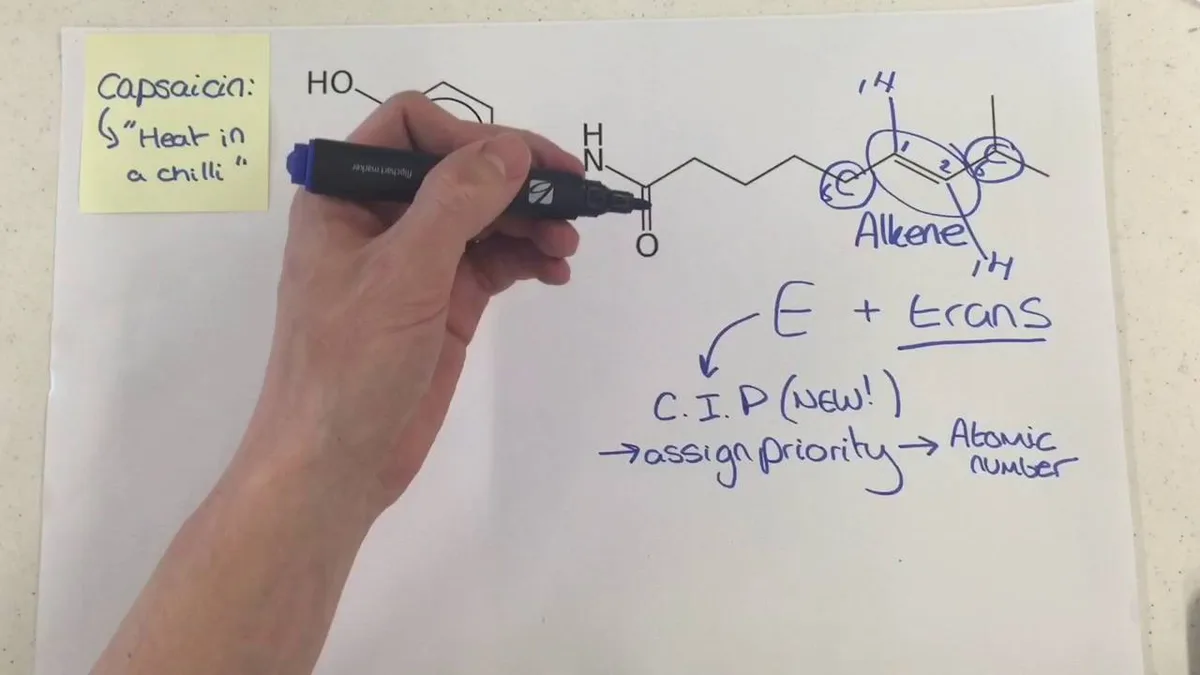
Image source: YouTube / Mr Murray-Green Chemistry Tutorials (YouTube thumbnail (fair-use with source credit))
Here’s what happens inside your dog after they eat something spicy:
- Mouth irritation, immediate drooling, pawing at the mouth, lip licking
- Throat discomfort, gagging, coughing, or retching
- Stomach lining irritation, nausea, vomiting, loss of appetite
- Intestinal cramping, diarrhea, gas, visible discomfort
The intensity of these symptoms depends on the Scoville Heat Units (SHU) of whatever they ate. A bell pepper has zero SHU and is harmless. A jalapeño sits around 2,500 to 8,000 SHU.
A habanero jumps to 100,000 to 350,000. And ghost peppers? Over 1,000,000 SHU.
The hotter the pepper, the worse the reaction.
The Real Danger Isn’t Always the Heat – Watch for These Hidden Risks
Here’s where things get tricky. The spiciness itself is usually not the most dangerous part of what your dog just ate. The hidden ingredients often cause bigger problems.
This is the part most owners miss.
Onion and Garlic Powder Toxicity
Many spicy foods get their flavor from onion and garlic powder. These are members of the Allium family, and they are genuinely toxic to dogs. Onion powder is especially concentrated.
A small amount can cause oxidative damage to red blood cells, leading to anemia.
The toxicity threshold for onions is about 0.5% of your dog’s body weight. For a 20-pound dog, that’s roughly 1.5 ounces of fresh onion. But onion powder is much more concentrated.
Just a teaspoon can be dangerous for small dogs. Symptoms of onion toxicity often show up a few days later, not immediately. This makes it easy to miss.
High Fat Content and Pancreatitis
Spicy foods are often fried or cooked in oil. Think chicken wings, chili with beef, or curry made with cream. The high fat content in these foods can trigger pancreatitis in dogs.
That’s inflammation of the pancreas, and it’s painful. It can also be life-threatening.
Dogs with a history of pancreatitis are especially vulnerable. Smaller breeds like Miniature Schnauzers, Yorkshire Terriers, and Cocker Spaniels have a higher genetic risk. But any dog eating a very fatty meal can develop this condition.
For those already managing a sensitive stomach, this is a major concern and something to discuss with your vet.
Sodium Overload
Spicy snacks like chips and hot wings are loaded with salt. Dogs don’t handle high sodium well. Excess salt can lead to sodium ion poisoning.
Symptoms include excessive thirst, urination, vomiting, diarrhea, tremors, and in severe cases, seizures.
The toxic dose of salt for dogs is about 4 grams per kilogram of body weight. That’s roughly 0.2 ounces per 10 pounds. A single serving of salted chips might not reach that level, but a whole bag certainly could.
How Different Peppers Stack Up: From Bell Peppers to Ghost Peppers
Not all peppers are created equal. Some are completely safe. Others are a hard no.
Here’s a quick reference:
| Pepper Type | Scoville Heat Units | Safe for Dogs? | Notes |
|---|---|---|---|
| Bell pepper | 0 | Yes | High in vitamin C, low risk |
| Banana pepper | 0 – 500 | Yes, in small amounts | Mild, but skip the pickled version |
| Jalapeño | 2,500 – 8,000 | No | Causes significant irritation |
| Serrano | 10,000 – 23,000 | No | Higher risk of vomiting and pain |
| Cayenne | 30,000 – 50,000 | No | Often used in powders and sauces |
| Habanero | 100,000 – 350,000 | No | Severe reaction likely |
| Ghost pepper | 1,000,000+ | No | Veterinary emergency |
Bell peppers are the only pepper in this group that’s actually good for dogs. They’re a crunchy, low-calorie treat packed with vitamins A, C, and E. You can feed them raw or cooked, just remove the stem and seeds first.
Everything else on this list is a risk. The hotter the pepper, the faster symptoms appear, and the more intense they tend to be.
My Dog Just Ate Something Spicy – What Do I Do Right Now?
Stay calm. Your dog feeds off your energy. Panicking makes things worse for both of you.
Follow this checklist in order:
Step 1: Identify what they ate. Check the ingredient list for onion, garlic, and chocolate. Those are bigger threats than the spice itself. If the food contains xylitol (sugar-free gum or candy), that’s a vet emergency right now.
Step 2: Estimate how much they ate. A single chili flake is different from a whole bowl of curry. A tiny lick of hot sauce is different from licking the bottle clean.
Step 3: Note your dog’s size. A 70-pound Labrador handles a jalapeño better than a 10-pound Chihuahua. Weight matters.
Step 4: Offer fresh water. Dogs who eat spicy food often drink a lot to cool the burn. That’s fine. Do not try to force them to drink, but make water available.
Step 5: Do not induce vomiting unless your vet says so. Capsaicin already irritates the throat and stomach. Vomiting can cause additional damage and aspiration risk.
Step 6: Observe for 2 to 3 hours. Most reactions show up within this window. Watch for vomiting, diarrhea, drooling, or changes in behavior.
Step 7: Call your vet or a pet poison hotline if symptoms are severe or your dog is small. The ASPCA Animal Poison Control Center charges a consultation fee but has trained toxicologists available 24/7. The Pet Poison Helpline is another reliable option.
When You Can Handle It at Home vs. When to Call the Vet
This is the question that keeps dog owners up at night. How do you know if your dog needs a vet or just a quiet night on the couch? The answer comes down to three factors: what they ate, how much, and how your dog is acting.
Safe to handle at home if:
- Your dog ate a small amount of mildly spicy food (one chip, a lick of sauce)
- There are no onion, garlic, or xylitol in the ingredients
- Your dog is acting normal except for mild drooling or one episode of vomiting
- Symptoms resolve within 2 to 3 hours
- Your dog is a medium or large breed with no health issues
Call the vet immediately if:
- Your dog ate a large amount of spicy food or a very hot pepper
- The food contained onion, garlic, chocolate, or xylitol
- Vomiting or diarrhea continues past 4 hours
- You see blood in vomit or stool
- Your dog seems lethargic, collapses, or has seizures
- Your dog is very small, very old, or has a known health condition
- You suspect they ate something wrapped in foil or plastic
For borderline cases, call your vet or a pet poison hotline. They can help you decide without an unnecessary trip to the ER. The ASPCA Animal Poison Control Center (888-426-4435) and Pet Poison Helpline (855-764-7661) both charge a consultation fee but provide expert guidance.
Symptoms to Watch For: Normal Reaction vs. Emergency

Image source: YouTube / Krista Magnifico, DVM (YouTube thumbnail (fair-use with source credit))
Dogs react to spicy food on a spectrum. Some have mild discomfort that passes quickly. Others develop serious complications that need medical treatment.
Here is how to tell the difference.
Mild symptoms (normal reaction):
- Drooling or excessive lip licking
- Pawing at the mouth
- Whining or restlessness
- One or two episodes of vomiting shortly after eating
- Soft stool or one bout of diarrhea
- Drinking more water than usual
These symptoms usually resolve within 2 to 6 hours. Keep your dog hydrated. Offer a bland meal of boiled chicken and white rice after the vomiting stops.
Do not give them anything else until their stomach settles.
Moderate symptoms (call your vet):
- Repeated vomiting over several hours
- Diarrhea lasting more than 12 hours
- Refusing to drink water
- Visible abdominal pain (whining when touched, hunched posture)
- Loss of appetite lasting more than 24 hours
Severe symptoms (emergency vet now):
- Vomiting blood or coffee-ground looking material
- Bloody diarrhea
- Collapse or weakness
- Seizures
- Pale gums
- Difficulty breathing
- Signs of dehydration (sunken eyes, dry mouth, skin that stays tented when pinched)
Pancreatitis symptoms often show up 24 to 72 hours after eating. Watch for vomiting, abdominal pain, fever, and a hunched back. Dogs with pancreatitis often stand in a prayer position with their front legs down and rear end up.
If you see this, go to the vet.
Common Mistakes Owners Make When Their Dog Eats Spicy Food
Even experienced dog owners make errors in the heat of the moment. Here are the most common ones and what to do instead.
Mistake 1: Inducing vomiting without checking with a vet first.
Many people rush to give hydrogen peroxide to make their dog throw up. This can backfire. Capsaicin already burns on the way down.
Bringing it back up can cause additional throat and esophageal irritation. Worse, if your dog inhales vomit into their lungs, they can develop aspiration pneumonia. Only induce vomiting if a veterinarian tells you to.
Mistake 2: Giving milk or yogurt to “neutralize” the spice.
Dairy does not help dogs the way it helps humans. Most adult dogs are lactose intolerant. Milk or yogurt can cause additional stomach upset and diarrhea.
Stick to fresh water instead.
Mistake 3: Waiting too long to see if symptoms get worse.
Some owners hope the problem will pass on its own. Mild symptoms often do. But if your dog is vomiting repeatedly or seems lethargic, waiting can turn a treatable issue into an emergency.
Pancreatitis progresses quickly. Early treatment makes a major difference.
Mistake 4: Assuming a small amount is always safe.
A single jalapeño slice might be fine for a 60-pound dog. The same slice can cause serious problems for a 10-pound Chihuahua. Size matters.
So does the specific pepper and what else was in the food. Do not assume small means safe.
Mistake 5: Forgetting to check the ingredient list.
You see your dog eat something spicy and focus on the heat. You forget to check for onion powder, garlic powder, or xylitol. These hidden ingredients often cause more harm than the capsaicin itself.
Always check the label if you can.
The “It Depends” Factors: Dog Size, Breed, and Health History
Not all dogs face the same level of risk. Several factors determine how a dog responds to spicy food.
Body weight is the biggest factor. A 10-pound dog has less room for error than a 70-pound dog. The same amount of capsaicin causes more concentrated irritation in a smaller body. The same rule applies to fat content and sodium.
A small dog eating a single spicy chicken wing might exceed safe fat limits for the day.
Breed matters for pancreatitis risk. Some breeds have a genetic predisposition to pancreatitis. Miniature Schnauzers, Yorkshire Terriers, Cocker Spaniels, and Shetland Sheepdogs top the list. If you own one of these breeds, even a moderately fatty spicy meal carries higher risk.
Age and health history change the equation. Senior dogs have more sensitive digestive systems. Dogs with a history of pancreatitis, inflammatory bowel disease, or kidney problems are more vulnerable. Dogs already on a specialized diet for health conditions need extra caution.
Check with your vet before introducing any new food.
Brachycephalic breeds face additional risk. Dogs with flat faces like Pugs, Bulldogs, and French Bulldogs already have trouble breathing. If they vomit, they have a higher chance of aspirating. The combination of spicy food irritation and anatomical breathing issues creates a dangerous situation fast.
What About “Just a Little Taste”? Where Most People Get It Wrong
This is the most common question we hear. “Can I give my dog just a tiny bite of my spicy dinner?” The honest answer is that it’s not worth the risk.
Dogs do not experience spicy food the way we do. We choose to eat spicy food because we enjoy the complex flavors and the endorphin rush. Dogs eat what tastes good to them, and for dogs, that is meat, fat, and salt.
They do not get any pleasure from the heat itself.
A small taste of a mildly spicy dish might cause no visible reaction. But it might also cause mild stomach upset that you do not notice until your dog has an accident inside. The benefits are zero.
The potential downsides are real.
If you want to share your meal with your dog, skip the spicy version entirely. Give them a plain piece of the meat or vegetable before you add seasoning. That way they get the treat without the risk.
Many owners find this works well alongside their regular feeding routine.
For dogs who already eat a balanced diet, occasional treats should stay within safe boundaries. There are plenty of dog-safe foods that make great alternatives. Plain cooked chicken, carrots, green beans, and even bell peppers all work well.
Your dog will be just as happy with those. They will not miss the spice.
Real Scenarios: What Happens with Different Spicy Foods
Not all spicy foods create the same outcome. Here is what actually happens with common culprits.
Hot chips and spicy snacks. These are usually low in actual capsaicin but high in salt and artificial flavorings. A single chip causes mild drooling at worst. A whole bag can lead to sodium overload.
Watch for excessive thirst and vomiting. The bigger risk is the chip itself. Sharp edges can cause mouth irritation or choking.
Curry and saucy dishes. These pack multiple risks. High fat content from cream or coconut milk can trigger pancreatitis. Onion and garlic powder are nearly always present.
Spice levels vary wildly. A small taste of a mild curry might cause no reaction. A bowl of spicy Thai curry with hidden garlic powder is a vet visit waiting to happen.
Spicy chicken wings. These are among the most dangerous. The combination of high fat, high salt, spices, and often onion powder creates a triple threat. Plus, wing bones are brittle and can splinter.
If your dog eats a spicy wing, worry about the bone and the hidden ingredients before worrying about the heat.
Jalapeño poppers or chili. Stuffed peppers add dairy to the equation. Many dogs are lactose intolerant. The cheese and cream cheese inside poppers cause additional stomach upset on top of the capsaicin irritation.
Chili often contains beans, onions, garlic, and high fat ground beef. It is a recipe for digestive disaster.
Foods That Look Like They’d Be a Problem But Aren’t (And Vice Versa)
Here is a quick reality check. Some foods seem spicy but are fine. Others seem harmless but hide real danger.
Safe foods that look questionable:
- Bell peppers of any color. Zero capsaicin. High in vitamins. Slice them up as treats.
- Plain paprika. Made from dried sweet peppers. Very low heat. Still not recommended in large amounts, but a tiny dusting is not an emergency.
- Mild curry powder in trace amounts. The quantity matters. A sprinkle on your dog’s food is different from a full serving.
Dangerous foods that seem harmless:
- Any food with hidden onion or garlic powder. This includes seasoned rice, pasta sauces, soups, and marinades. Check labels carefully.
- Spicy foods labeled “mild.” Mild by human standards can still cause problems for a dog. Scoville units add up faster than you think.
- Spicy foods cooked with bones. The bone itself is a choking and splintering risk. Do not let your dog gnaw on a chicken wing bone, spicy or not.
How to Prevent Spicy Food Incidents (Without Living in Fear)
You do not need to ban all flavor from your kitchen. You just need smarter habits.
Keep counter surfers in check. Train your dog to stay away from countertops. Use physical barriers or place food well back from edges. A dog that learns counter surfing gets into trouble more often.
Secure the trash can. Spicy food scraps in the trash are a magnet. Use a can with a locking lid or keep it behind a cabinet door. Empty food waste promptly after cooking.
Feed your dog before you eat. A hungry dog is more likely to beg and grab. Feed your dog their regular meal before you sit down to your own. A full dog is less interested in your plate.
Have dog-safe treats ready. Keep plain cooked chicken, carrots, or apples on hand. When you want to share, give them something safe instead of your spicy dinner.
Educate guests. Friends and family may not think twice about dropping food. Let them know your dog cannot have spicy things. Most people will be careful once they know.
The Bottom Line: Your Quick Decision Guide
Here is your cheat sheet for any spicy food incident.
| What Happened | What to Do |
|---|---|
| Tiny lick of mild sauce | Offer water. Watch for drooling. Probably fine. |
| One jalapeño slice, large dog | Monitor for 2-3 hours. Call vet if vomiting continues. |
| One jalapeño slice, small dog | Call your vet. Risk is higher. |
| Whole spicy meal with onion/garlic | Call your vet or poison control now. |
| Ghost pepper or habanero, any dog size | Go to the emergency vet. |
| Vomiting for 4+ hours | Go to the emergency vet. |
| Blood in vomit or stool | Go to the emergency vet now. |
The short version is this. Spicy food offers your dog no benefit. It carries real risk.
Onion, garlic, high fat, and high salt are the bigger threats. Stay calm, check what they ate, and call a professional if you are unsure. Your dog will forgive you for dropping that chip.
They just need you to handle it right.