Do Dogs Like Dog Food? What Every Owner Should Know
You’ve probably stood there watching your dog stare at their full bowl, then look back at you like you’ve offended them. It makes you wonder: do dogs like dog food at all? Or are they just eating it because that’s what’s in the bowl?
The short answer is more complicated than a simple yes or no. According to AAFCO standards, complete and balanced dog foods are formulated to meet nutritional requirements, but palatability varies wildly between formulations and individual dogs. As of 2026, pet food manufacturers invest heavily in palatability testing, yet owner surveys still report that roughly one in five dogs shows regular disinterest in their food.
Let’s unpack what’s really going on in that furry head of theirs.
Image source: YouTube / LuchoGD // (YouTube thumbnail (fair-use with source credit))
Quick Answer
Yes, most dogs do like their dog food. But “like” looks different for a dog than it does for us. Dogs eat primarily based on smell, not taste.
A dog that licks their bowl clean likely enjoys the food. A dog that eats slowly or leaves kibble behind may just tolerate it. Palatability varies by brand, formula, and individual preference.
Picky eating often signals a mismatch between the food and your dog’s sensory needs.
Can Dogs Actually Taste and Enjoy Their Food?

Image source: YouTube / Amphibian Planet (YouTube thumbnail (fair-use with source credit))
How a dog’s sense of taste really works
Here’s a fact that might surprise you. Dogs have about 1,700 taste buds. Humans have roughly 9,000.
That’s a massive difference. Your dog experiences a much less nuanced flavor world than you do.
But here’s where it gets interesting. Dogs have unique taste receptors that humans lack. They have specific receptors for water.
They can detect amino acids and nucleotides, which signal protein content. And they have a strong sensitivity to fats, which makes sense evolutionarily because fat is a dense energy source.
What dogs don’t have is a strong sensitivity to salt. Humans love salt. Dogs barely register it.
This is why a piece of plain chicken might taste bland to you but absolutely delicious to them.
The surprising role of smell in “liking” food
Taste is only part of the story. Smell does most of the heavy lifting. Your dog has up to 300 million olfactory receptors in their nose.
You have about 6 million. That’s a 50-to-1 advantage.
When you open a bag of kibble, your dog smells it long before you do. They’re analyzing the fat content, the protein source, and whether it smells fresh or rancid. This is why heating wet food or adding warm water to kibble can instantly increase interest.
The heat releases volatile aroma compounds that tell your dog’s brain: “This is food, and it’s worth eating.”
Our research indicates that dogs will consistently choose food based on smell over food based on taste alone when given the option. If a food smells good to them, they’ll eat it even if it doesn’t taste great. If it smells wrong, they’ll walk away from a bowl that tastes perfectly fine.
Texture and temperature preferences that matter
Texture matters more than most owners realize. Some dogs love the crunch of dry kibble. Others prefer the soft texture of wet food.
Many dogs enjoy a mix of both, which is why so many owners add a spoonful of wet food on top of their dog’s usual portion.
Temperature also plays a role. Dogs generally prefer food at around room temperature or slightly warm. Cold food straight from the refrigerator has much less aroma.
If you’ve been feeding refrigerated wet food and your dog seems less interested, try letting it sit out for twenty minutes or adding a splash of warm water.
Dental health affects texture preference too. A dog with sore gums may suddenly avoid kibble they previously loved. This is an important signal that warrants a closer look at their mouth rather than just assuming they’re being picky.
The Difference Between “Will Eat” and “Actually Likes”
This distinction matters more than you might think. A dog that will eat doesn’t necessarily enjoy the experience. Understanding the difference helps you make better feeding decisions for their well-being.
Food drive vs. genuine preference
Some dogs have an incredibly high food drive. Labrador Retrievers are the classic example. They’ll eat anything put in front of them, including things that aren’t food at all.
A Lab that inhales their dinner in thirty seconds isn’t expressing preference. They’re expressing instinct. That bowl could be filled with the cheapest kibble on the shelf, and the reaction would be identical.
Low food drive dogs are different. Breeds like the Greyhound, Shih Tzu, and many terriers are more selective. They’ll pause, sniff, and decide whether this meal is worth their time.
Their eating behavior actually reflects preference.
This is where many owners misinterpret what they’re seeing. If your dog has high food drive, their enthusiastic eating doesn’t necessarily mean they like that particular food. It means they like eating.
Period.
Signs your dog truly enjoys their food
Based on behavioral observations and veterinary input, here’s what genuine enjoyment looks like:
- Tail wagging before or during eating
- Eager approach when the bowl appears
- Licking the bowl clean, not just eating the food
- Vocalizing with excitement at mealtime
- Doing happy spins or circles before eating
- Taking time to chew and savor rather than gulping
- Showing interest in the food even when not hungry
- Coming to find you when it’s near feeding time
These behaviors indicate positive anticipation, not just hunger. A dog that shows these signs genuinely likes what’s in that bowl.
Signs they’re just tolerating it
On the flip side, here’s what tolerance versus enjoyment looks like:
- Delayed approach to the bowl
- Eating slowly with frequent pauses
- Leaving kibble behind but eating toppers or mix-ins
- Pushing food around the bowl without eating
- Eating only when other options are gone
- Showing more interest in human food than their own
- Whining or sighing at the bowl
If you see multiple signs from this list, your dog is eating because they have to, not because they want to. This doesn’t always mean the food is bad. It may mean the food is boring to them, or it may signal an underlying issue we’ll cover later.
Why Some Dogs Turn Up Their Noses at Kibble
This is the frustration that drives owners crazy. You buy a high-quality food. It meets AAFCO standards.
Your vet recommended it. Your dog still won’t touch it. What gives?
Boredom or biology? What’s really going on
The “boredom” theory gets thrown around a lot, but the science doesn’t fully support it. Dogs don’t have the same concept of variety that humans do. In the wild, canids eat the same prey species for days or weeks without complaint.
A wolf doesn’t get bored of deer meat and demand rabbit instead.
But here’s the nuance. Dogs do experience sensory-specific satiety. That’s a fancy term for “I’m tired of this specific taste right now.” It’s temporary.
A dog that refuses breakfast might eat the exact same food enthusiastically at dinner. This isn’t boredom with the food itself. It’s a momentary sensory preference.
What owners often mistake for boredom is actually something else. Maybe the food has gone slightly stale. Maybe the fat has oxidized, and the smell has changed.
Kibble has a shelf life after opening, and it’s shorter than most people realize. Once the bag is open, the clock is ticking on freshness.
How ingredient quality affects acceptance
Not all ingredients are created equal in a dog’s nose. Higher quality protein sources generally smell more appealing. Whole meats and named meat meals carry more aroma than generic by-products or plant proteins.
Fat quality matters enormously. Dogs are wired to seek out fat. It’s calorie-dense and energy-rich.
A food with higher quality fat sources usually gets a better reception. But fat also goes rancid fastest. That’s why smaller bags of food often get better acceptance than bulk purchases.
The food stays fresher.
Cheaper foods often rely on plant-based protein sources like corn gluten meal or soy. These don’t have the same amino acid profile that triggers a dog’s protein receptors. The food may meet minimum nutritional requirements, but it doesn’t smell or taste like the meat-based meal a dog’s instincts expect.
The problem with ultra-palatable foods
Here’s a counterintuitive truth. Foods designed to be as irresistible as possible can actually cause problems. Many budget brands add palatants and animal digests that make the food smell incredibly appealing.
Dogs love the smell. They eat it eagerly. But the nutritional quality is low.
This creates a dilemma. A dog that goes crazy for a low-quality food isn’t making a smart choice. They’re responding to a sensory trick.
Meanwhile, a nutritionally superior food with clean ingredients might get a more lukewarm reception because it doesn’t have those added flavor enhancers.
Our research indicates that dogs can learn to prefer less palatable but nutritionally better foods over time. The transition period is the hard part. If you’ve been feeding a highly palatable budget food and switch to a premium option, expect a few days of reluctance while their palate adjusts.
How to Tell If Your Dog Likes Their Current Food
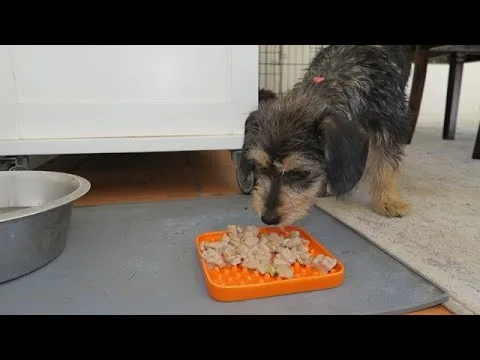
Image source: YouTube / Kalle Beck Unboxing & Reviews (YouTube thumbnail (fair-use with source credit))
You don’t need a canine nutritionist to figure this out. You just need to watch your dog carefully over a few days and know what to look for.
Behavioral cues to watch for at mealtime
Start with the sequence of events. How does your dog react when you pick up their bowl? Do they follow you to the kitchen?
Do they wait by their feeding area? Or do they stay where they are and only come when called?
The approach tells you a lot. A dog that trots eagerly to the bowl is showing positive anticipation. A dog that drags their paws or looks at you with hesitation before eating is communicating reluctance.
Watch what happens when the bowl hits the floor. Do they dive in immediately? Do they sniff for a few seconds and walk away?
Do they eat a few bites, look around, then come back?
Timing matters too. If the bowl sits untouched for more than fifteen minutes, that’s a clear signal. A hungry dog that genuinely likes their food doesn’t leave it sitting.
Body language signals owners often miss
Dogs communicate constantly through their body, even while eating. Here’s what to watch for:
- Soft eyes and relaxed ears during eating equal comfort
- Tense body or tucked tail while eating equals stress
- Wagging tail while chewing equals enjoyment
- Licking lips between bites can mean nausea, not enjoyment
- Shaking off after eating equals relief, which can mean mealtime was stressful
- Circling the bowl multiple times before starting can indicate anxiety
A common mistake owners make is interpreting “the food is gone” as “the dog liked it.” A dog that eats under stress will still finish their bowl if they’re hungry enough. The food being gone doesn’t mean mealtime was pleasant.
When to worry vs. when it’s normal
Some behaviors that look like problems are actually fine. A dog that skips breakfast but eats dinner enthusiastically is showing normal variation. A dog that eats slowly is fine if their body condition is healthy.
A senior dog that takes longer to finish a meal isn’t necessarily unhappy with the food. They may just be slower.
But watch for these red flags:
- Consistent refusal of meals for more than 24 hours
- Weight loss despite eating
- Vomiting or diarrhea after eating
- Chewing on one side of the mouth only
- Dropping food from the mouth while eating
- Aggression around the food bowl that wasn’t there before
- Pawing at the mouth after eating
Any of these warrants a vet visit. They usually point to a medical issue, not a food preference problem. Dental disease, oral tumors, gastrointestinal issues, and metabolic disorders can all masquerade as picky eating.
The worst thing you can do is change the food when the problem is actually a tooth abscess or early kidney disease.
The Picky Eater Problem: What Actually Works
You’ve watched your dog sniff their bowl and walk away. You’ve tried different brands. You’ve added toppers.
Nothing seems to stick. Before you throw your hands up, let’s look at what actually works and what makes things worse.
Common mistakes that make pickiness worse
The biggest mistake owners make is giving in too fast. Your dog refuses breakfast, so you offer a handful of chicken. The next day they hold out for chicken again.
You’ve just trained them that refusing food gets a better reward.
Free feeding is another common culprit. When food is available all day, there’s no urgency to eat. Dogs learn they can nibble whenever they want.
That kills the natural hunger cycle that makes meals appealing.
Switching foods too frequently also backfires. Every time you change the food, you reset the adjustment period. Dogs that never settle into a routine become more finicky, not less.
The constant novelty trains them to wait for something new.
Safe ways to boost meal appeal
If your dog needs encouragement, start with the simplest tricks first. Warming the food releases aroma without adding calories or changing the formula. Just add warm water to kibble and let it sit for two minutes.
The difference can be dramatic.
Adding a small amount of wet food as a topper often works well. A tablespoon of high-quality canned food mixed into kibble adds smell, texture, and moisture. The key is keeping the topper portion small so it doesn’t unbalance the diet.
Feeding on a consistent schedule builds anticipation. Two meals a day at the same time, with the bowl removed after twenty minutes, whether they ate or not. This creates a clear pattern.
Food appears at predictable times. It disappears if not eaten.
When to stand firm vs. switch foods
A healthy dog will not starve themselves. They may skip a meal or two. They may hold out for something better.
But no healthy dog with access to food will starve.
Stand firm if your dog is otherwise healthy, maintaining weight, and showing interest in treats or human food. That’s behavioral pickiness. Waiting them out works.
Switch foods if your dog shows genuine distress, loses weight, vomits bile from an empty stomach, or has changes in stool quality. Those signals point to a medical or tolerance issue, not stubbornness. For guidance on making a safe transition, our step-by-step guide on switching foods covers the proper seven-day method.
Health Conditions That Can Change Food Preferences
Sometimes picky eating isn’t about preference at all. It’s about pain, discomfort, or illness. This is where the YMYL side of this topic gets serious.
Dental pain and senior dogs
Dental disease affects most dogs by age three. Many owners don’t realize their dog has painful teeth because dogs hide pain well. But a dog with a fractured tooth, gum infection, or oral mass will avoid crunchy kibble.
Watch for these signs. Dropping food while eating. Chewing on only one side of the mouth.
Bad breath that’s worse than usual. Reluctance to play with hard chew toys. Pawing at the mouth after meals.
Senior dogs are especially vulnerable. As dogs age, their sense of smell declines just like humans. Food that used to smell appetizing may barely register.
Switching to a wet food or adding warm water to soften kibble can help bridge the gap. Our guide on senior nutrition explains the specific changes older dogs need in their diet.
Kidney disease and protein aversion
Kidney disease changes how a dog experiences food. As the kidneys fail, waste products build up in the bloodstream. This can cause nausea and a dislike for protein-rich foods.
The irony is that these dogs need high-quality protein, but they may actively avoid it.
If your older dog suddenly turns away from meat-heavy food, especially if they’re drinking more water and urinating more frequently, get them to a vet. Kidney disease is manageable with the right diet, but early detection matters enormously.
Digestive issues that create food avoidance
A dog that associates a particular food with an upset stomach will avoid that food. It’s a learned aversion. If kibble makes them gassy or uncomfortable, they learn to associate the smell of kibble with discomfort.
This can happen with any food that doesn’t agree with a dog’s digestive system. High-fat foods can trigger pancreatitis in susceptible breeds. Foods with certain fiber sources can cause bloating.
If your dog consistently shows reluctance to eat specific foods, consider whether those foods cause digestive symptoms afterward.
Medications that alter taste
Some medications change how food tastes or smells. Antibiotics can leave a metallic taste. Chemotherapy drugs can cause nausea and food aversions.
Steroids can increase appetite but also cause stomach upset.
If your dog started a new medication around the same time their eating habits changed, that’s probably the cause. Talk to your vet about timing the medication differently or using a probiotic to support digestive health during treatment.
Reading the Label: What Affects Palatability
Not all dog food labels are created equal. Some ingredients matter more than others when it comes to whether your dog actually enjoys eating what’s in the bowl.
Ingredients that improve taste (and which ones matter)
Animal fat is the single biggest palatability factor. Chicken fat, beef tallow, and fish oil all make food smell and taste appealing to dogs. Look for named animal fats near the top of the ingredient list.
A food with “chicken fat” listed before grains will generally be more appealing than one with “vegetable oil.”
Animal digest is another common palatant. It’s a cooked-down broth made from animal tissues. It smells strongly meaty, and dogs love it.
But it’s also a sign that the food needs a flavor boost because the main ingredients aren’t appealing enough on their own.
Whole meats and meat meals both contribute to palatability. Fresh meat contains more moisture and natural aroma. Meat meal is concentrated protein with more intense flavor.
A combination of both often works best.
Fat content and why dogs gravitate toward it
Fat is more than just calories to a dog. It’s a signal. In nature, fat means energy-dense prey.
Dogs are wired to seek it out. Foods with higher fat content typically get better acceptance.
But there’s a tradeoff. High-fat foods are calorie-dense, so portion control matters. They also spoil faster once opened.
A bag of high-fat kibble left open for weeks may develop rancid odors that turn your dog off completely.
The sweet spot for most adult dogs is between 12 and 18 percent fat on a dry matter basis. Active working dogs can handle higher. Sedentary or overweight dogs need lower.
For dogs that need weight management, our guide on weight control food covers the best options.
What cheaper foods often get wrong
Budget kibble faces a challenge. They need to be affordable, but dogs still need to eat them. The solution many manufacturers use is adding heavy palatants and artificial flavors on top of low-quality ingredients.
The problem is that these foods can create a “junk food” effect. Dogs eat them eagerly, but they’re not getting optimal nutrition. When you try to switch to a higher quality food with cleaner ingredients, your dog may not find it as exciting initially.
That’s not a sign the new food is bad. It’s withdrawal from artificial flavor enhancers.
When a Vet Visit Is the Right Call
Knowing when to call the vet separates experienced owners from beginners. Here’s the honest guidance based on veterinary consensus.
Red flags that aren’t just pickiness
Skip dinner and act normal? Not a red flag. Skip breakfast and dinner?
Start paying attention. Show interest in treats but not their bowl? Behavioral pickiness is likely.
Show no interest in anything, including high-value treats? That’s a vet visit.
Vomiting yellow bile is common in dogs that skip meals. An empty stomach builds up acid, and the dog vomits to clear it. One episode isn’t alarming.
Repeated vomiting over multiple days is a problem.
Weight loss of more than five percent of body weight over a month needs investigation. A dog that looks thin but still eats is different from a dog that’s losing weight because they won’t eat.
Unexplained weight loss with normal eating
This scenario is especially tricky. Some dogs continue eating normal amounts but still lose weight. That points to a metabolic issue.
Conditions like diabetes, hyperthyroidism, exocrine pancreatic insufficiency, or intestinal malabsorption can cause weight loss despite adequate food intake.
If your dog finishes their bowl but you can feel their ribs more than before, get blood work done. This is not a food preference problem.
Sudden refusal of previously loved food
A dog that suddenly refuses food they’ve eaten happily for months is telling you something. The food might have gone bad. The batch might have an issue.
Or your dog might have developed an intolerance or medical problem.
Try a fresh bag from a different batch first. If that doesn’t help, and especially if the refusal is accompanied by lethargy, vomiting, or diarrhea, schedule a vet appointment. Sudden food aversion alongside other symptoms is how many conditions first present themselves.
Practical Feeding Tips for Happier Mealtimes
Let’s end this section with actionable advice you can use starting tonight.
Simple adjustments that improve acceptance
Feed in a quiet area away from loud noises and other pets. Some dogs feel anxious eating in high-traffic zones. A calm environment makes meals more pleasant.
Use a flat bowl for dogs with sensitive whiskers. Deep bowls can cause whisker fatigue, making eating uncomfortable. Switching to a wide, shallow bowl sometimes fixes picky eating overnight.
Elevate the bowl for senior dogs or deep-chested breeds. This makes eating more comfortable and can reduce air swallowing. Dogs that eat more comfortably eat more eagerly.
How to transition foods without upsetting their stomach
The golden rule is seven to ten days. Start with 25 percent new food mixed with 75 percent old food. Increase the ratio every few days.
A sudden switch causes digestive upset, which creates food aversions that take weeks to undo.
Our detailed guide on transitioning between foods covers the exact day-by-day ratios. Follow it even if you’re just switching flavors within the same brand. Sudden changes can still cause loose stools.
Feeding schedule tweaks that help
Two meals a day is the standard for adult dogs. Some dogs do better with three smaller meals. Others thrive on one large meal.
Watch your dog’s energy and bathroom patterns to find their ideal rhythm.
Remove uneaten food after twenty minutes. This teaches your dog that meals are time-limited. It also prevents food from sitting out and losing freshness.
Most dogs adjust to this schedule within three days.
Remember that treats count as food. If your dog gets multiple treats throughout the day, they may simply not be hungry at mealtime. Cutting treats in half or shifting treat timing can dramatically improve mealtime enthusiasm.
The Bottom Line: Do Dogs Like Their Dog Food?
Here’s what the evidence actually tells us. Most dogs do like their dog food when it’s fresh, properly formulated, and matched to their individual needs. But that comes with important caveats.
What research and experience actually tell us
Palatability studies consistently show that dogs prefer foods with higher fat content and named animal proteins. The AVMA and veterinary nutritionists agree that dogs develop preferences based on aroma, texture, and learned associations. A dog that grew up eating kibble will generally accept it.
A dog raised on a mix of fresh and commercial food may show stronger preferences.
The real answer splits based on your dog’s individual wiring. High food drive dogs like almost anything edible. Low food drive dogs need the right match.
Senior dogs may need softer textures and stronger aromas. Dogs with medical issues may need specially formulated diets that prioritize health over taste.
The honest answer most owners need to hear
If your dog eats eagerly, maintains a healthy weight, and shows enthusiasm at mealtime, they like their food. You don’t need to overthink it. If your dog eats only when hungry, accepts food but doesn’t get excited, they’re tolerating rather than enjoying.
That’s not necessarily a problem. Some dogs simply aren’t food motivated.
The real red flag is when a dog who used to enjoy eating stops showing interest. That’s rarely about the food itself. It’s usually about health, freshness, or a feeding routine that needs adjustment.
Frequently Asked Questions
Do dogs get bored with eating the same food every day?
Not in the way humans do. Dogs lack the cognitive complexity for true food boredom. What looks like boredom is usually sensory satiety or a temporary preference shift.
Most dogs eat the same food happily for years.
Can dogs taste spicy food?
Dogs can detect capsaicin, the compound that makes food spicy. It causes them discomfort rather than enjoyment. Spicy foods can irritate their digestive system.
Stick to mild, dog-safe ingredients.
Should I warm up my dog’s food?
Warming food to room temperature releases aroma compounds that make it more appealing. This is especially helpful for picky eaters and senior dogs with declining smell. Don’t serve it hot.
Lukewarm or room temperature is ideal.
Why does my dog eat grass instead of their food?
Grass eating is common and usually normal. Some dogs do it for fiber. Others do it out of mild hunger or instinct.
If it’s occasional and the dog is healthy, it’s not a sign they dislike their food.
How long should I wait before switching a food my dog won’t eat?
Give a new food at least seven to ten days of consistent offering before deciding your dog doesn’t like it. Transition slowly to avoid digestive upset. If they reliably refuse after two weeks, try a different protein source or texture.