Farmer’s Dog Food: Where Is It Made?
If you're feeding your dog Farmer's Dog, you've probably wondered about the origins of their fresh meals. Knowing where your pet's food is made is a big part of trusting the quality and safety of what you're putting in their bowl. The company is committed to a transparent, domestic production process for peace of mind.
Farmer's Dog food is made in the United States, with multiple kitchens strategically located across the country to ensure maximum freshness upon delivery. These facilities operate under strict guidelines to prepare and package their meals. Pet food manufacturing standards, such as those overseen by the U.S.
Food and Drug Administration (FDA), are crucial for safeguarding animal health and preventing contaminants. These guidelines help ensure that every meal is both safe and nutritious for your canine companion.
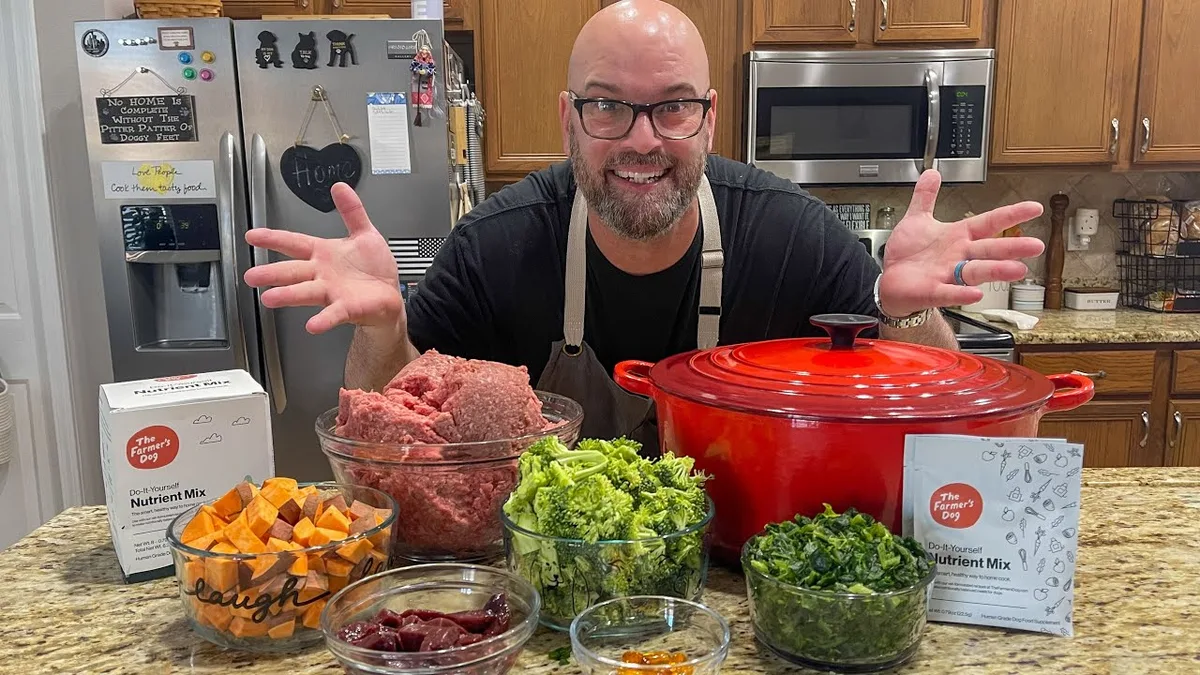
Image source: YouTube / The Buck Stop (YouTube thumbnail (fair-use with source credit))
Quick Answer: USA-Made Freshness
Farmer's Dog food is made in three different kitchens right here in the U.S.A. These locations include Los Angeles, California; Nashville, Tennessee; and Easton, Pennsylvania. The company uses these facilities to prepare and package meals made with human-grade ingredients.
This domestic production strategy supports freshness and rapid delivery to customers.
Farmer's Dog Kitchen Locations
The Farmer's Dog operates several kitchens across the United States. This distributed manufacturing approach is a core part of their strategy to deliver exceptionally fresh food. As of 2026, their primary USDA-inspected kitchen locations are in:
- Los Angeles, California
- Nashville, Tennessee
- Easton, Pennsylvania
These kitchens are where the magic happens, transforming fresh, whole ingredients into balanced, ready-to-serve meals for your dog. By having multiple points of operation, Farmer's Dog can optimize shipping routes and reduce transit times. This means your dog's food spends less time in transit and arrives at your door much faster, retaining its nutritional integrity and peak freshness.
This setup is also designed to meet regulatory standards for pet food production overseen by agencies like the U.S. Department of Agriculture (USDA), which inspects facilities for quality and safety protocols.

Image source: YouTube / Wesley Tudor Vasile (YouTube thumbnail (fair-use with source credit))
Why Multiple Kitchens Matter for Freshness
The decision to use multiple production kitchens isn't just about scaling up; it's fundamentally about freshness. Because Farmer's Dog food is made with real, perishable ingredients, keeping transit times minimal is paramount. Think of it like getting produce delivered from a local farm versus one across the country.
Each kitchen serves specific geographic regions, meaning your dog's meals are prepared closer to your home. This proximity is key to maintaining the food's quality from the moment it's cooked until it lands in your dog's bowl. It significantly cuts down on the days the food might sit in a warehouse or on a delivery truck.
This focus on rapid transit helps preserve the nutrient density and palatability of the fresh ingredients, something that's hard to achieve with traditional, shelf-stable pet foods.
What Goes Into Farmer's Dog Food
Farmer's Dog recipes are built on simple, whole ingredients. That means no processed meals, no artificial preservatives, and no fillers. The core components are categorized into proteins, vegetables, and healthy fats, all formulated to meet specific nutritional profiles developed by veterinary nutritionists.
Key ingredients often include:
- Proteins: High-quality meats such as chicken, turkey, beef, and pork, which provide essential amino acids for muscle development and overall health.
- Vegetables: Nutrient-rich options like sweet potatoes, carrots, peas, and broccoli, offering vitamins, minerals, and fiber.
- Healthy Fats: Sources like fish oil, which supply omega-3 and omega-6 fatty acids vital for skin and coat health, as well as cognitive function.
- Supplements: A carefully balanced blend of vitamins and minerals to ensure the food is nutritionally complete and meets AAFCO (Association of American Feed Control Officials) standards for all life stages, as appropriate for the recipe.
These ingredients are human-grade, meaning they are fit for human consumption. Manufacturer specifications confirm that sourcing and preparation adhere to rigorous safety standards, aiming to reduce the risk of foodborne pathogens. If you're comparing fresh options, it's always good to look into the specific ingredients and sourcing policies.
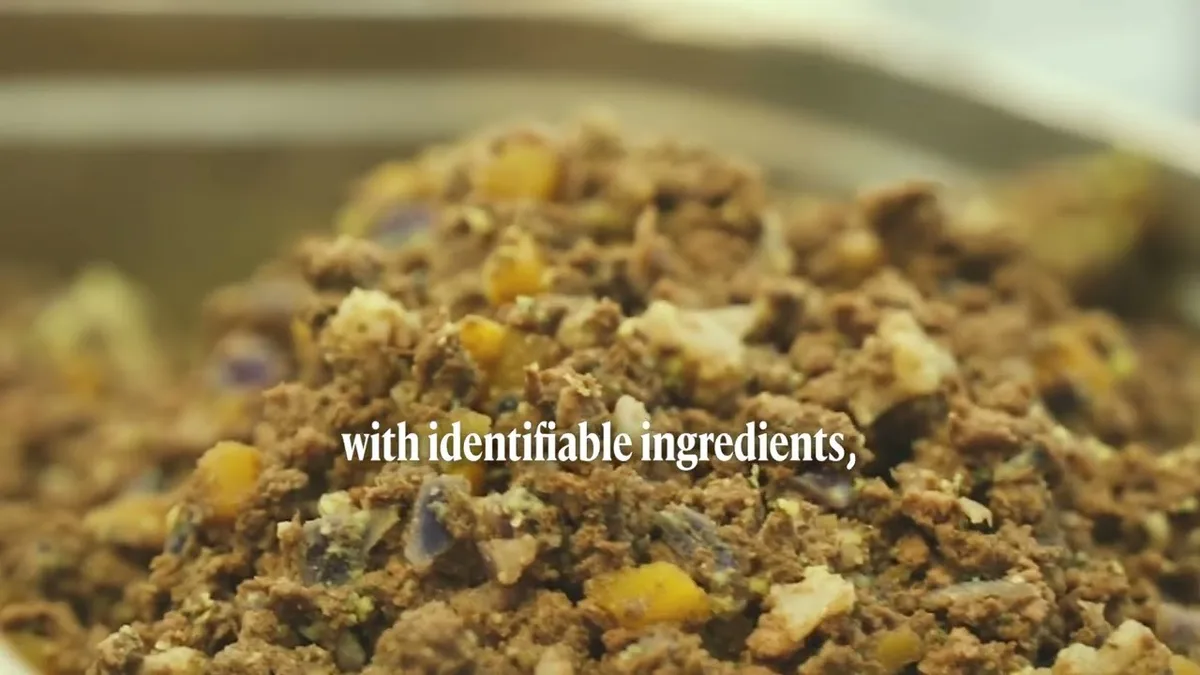
Image source: YouTube / Different Dog (YouTube thumbnail (fair-use with source credit))
Keeping It Fresh: From Kitchen to Bowl
The journey of Farmer's Dog food from their kitchen to your dog's bowl is a race against time, but one they've engineered to win. Because they don't use artificial preservatives or processing methods that extend shelf life indefinitely, their food relies on a cold chain system. This means the food stays continuously chilled, from the moment it's packaged to when it arrives at your door.
Here’s a quick look at the process:
- Preparation: Meals are cooked in USDA-inspected kitchens.
- Portioning & Packaging: Food is portioned into individualized servings and then sealed in recyclable containers. This helps maintain freshness and makes it easy to serve the correct amount.
- Refrigerated Transit: The packaged meals are loaded into temperature-controlled shipping boxes, often with ice packs, designed to keep the food cold throughout its journey.
- Delivery: The insulated boxes are delivered directly to your home, usually within a day or two of leaving the kitchen.
Once the food arrives, it needs to be immediately refrigerated. Its shelf life once opened is typically around four days in the refrigerator, but this can vary slightly by recipe and storage conditions. For longer storage, it can be frozen for up to six months.
This strict adherence to the cold chain is crucial for preventing bacterial growth and ensuring the safety and quality of the fresh ingredients, minimizing the risks associated with perishable foods.