How Many Cups Are in a Lb of Dog Food: A Complate Guide
If you are trying to figure out how many cups are in a lb of dog food, the answer depends entirely on your kibble. A single pound does not equal a fixed number of scoops every time. Kibble size and density change the math completely.
Per AAFCO labeling standards, pet food packaging must state net weight rather than volume. Our research shows bulk density varies wildly between brands as of 2026. Let us walk through the exact workflow to find your specific number.
Quick Answer
How many cups are in a lb of dog food? Standard kibble yields about four cups per pound. Small pieces pack tighter at three cups.
Large chunks leave air gaps totaling five cups. Always weigh your specific brand for accuracy.
Why “4 Cups Per Pound” Is the Wrong Number for Your Dog Food
That standard four cup estimate fails because cups measure volume while pounds measure weight. Mixing them up creates chronic portion errors over time. You end up guessing instead of measuring actual caloric intake.
Manufacturers extrude dough differently depending on their recipe goals. High fat formulas produce heavier, denser pellets that sink quickly in a bowl. Diet recipes use more fiber and air to create lighter, puffier shapes.
These manufacturing differences dictate exactly how much space one pound occupies.
If you feed a dense working dog formula, one pound might only fill three cups. If you switch to an airy weight management blend, that same pound could stretch past five cups. The calorie count per bag stays identical.
Only the physical footprint changes.
Relying on a flat conversion rate ignores these structural realities. Your dog’s daily energy needs rely on precise mass, not visual estimates. Guessing leads directly to accidental overfeeding or slow starvation over several months.
We see this mistake constantly when owners transition between brands. They keep scooping the same number of cups without checking the new bag’s density. Suddenly their dog gains weight or acts hungry all day.
If you want to avoid this, understanding how kibble is formulated helps explain why high protein diets often feel heavier in the scoop.
How Kibble Size and Density Change the Cups-to-Pound Ratio
The geometry of your dog’s food dictates the final conversion ratio. Smaller pieces fit together tightly like sand filling a jar. Larger chunks leave massive air pockets between every single pellet.
This basic physics principle controls everything.
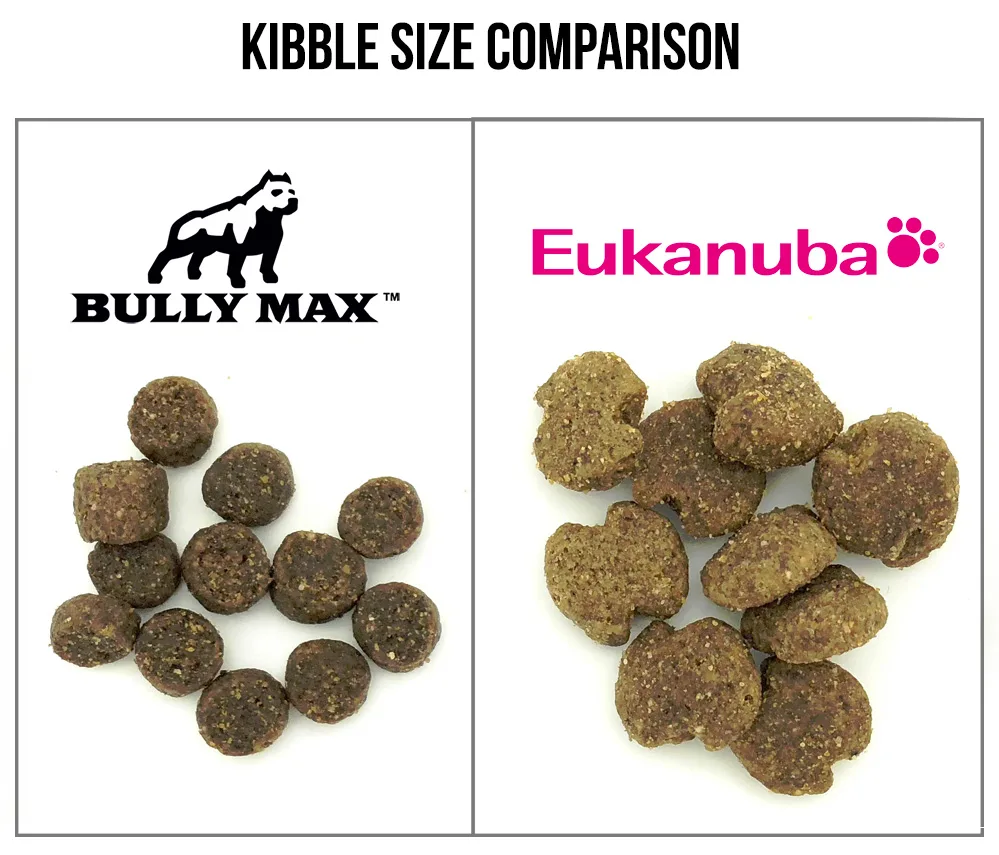
Image source: Web (Bing) / furryfolly.com (Web image (fair-use with source credit))
Here is how different kibble categories typically perform when weighed against a standard US measuring cup holding eight fluid ounces.
| Kibble Type | Approximate Cups per Pound | Why It Varies |
|---|---|---|
| Small Breed | 3 to 3.5 cups | Tiny pieces eliminate empty space. They pack heavily into the scoop. |
| Standard Adult | 3.5 to 4 cups | Medium sizing creates moderate gaps. This is where the myth started. |
| Large Breed | 4 to 5+ cups | Chunky shapes trap huge air pockets. One pound takes up serious room. |
| Air Puffed Diet | 4.5 to 5+ cups | Extrusion adds extra air. Lower fat means less overall physical weight. |
| Performance Blend | 3 to 3.5 cups | Fat coatings add heavy mass. Working dog recipes are incredibly dense. |
Fat content plays a massive role here alongside physical size. Lipids weigh significantly more than proteins or carbohydrates by volume. A performance formula coated in chicken fat will always weigh more per scoop than a lean senior recipe.
This matters most when calculating how long a thirty pound bag lasts. Using the wrong multiplier from this table throws off your monthly budget. You might run out of food five days early every single month.
Checking what makes older formulations unique reveals why their density shifts so drastically compared to puppy food.
The Decision Guide: Finding Your Exact Cups Per Pound
Stop guessing and follow this conditional workflow based on your current feeding situation. We built this decision tree to give you exact numbers every single time. Pick the branch that matches your goal today.
Do you just need to follow the feeding chart?
If your only goal is feeding the right amount daily, skip the math entirely. Flip the bag around and read the manufacturer guidelines printed on the back. Those charts are already calibrated to that specific formula’s bulk density.
The brand tested their own kibble using standardized equipment. If they say feed two cups for a fifty pound dog, trust that number. You do not need to know how many total cups sit inside the bag.
Just scoop according to their printed instructions.
Are you trying to calculate total bag yield?
If you need to know exactly how long a bag will last, use the estimation table above. Identify your kibble size category first. Then multiply that estimated cup range by the total weight printed on the bag.
For example, take a thirty pound bag of standard adult kibble. Multiply thirty pounds by roughly 3.75 cups per pound. That gives you approximately 112 total cups inside the sealed bag.
Divide that by your daily feeding amount to find your timeline.
Do you need absolute precision for a medical diet?
If your dog requires strict portion control for obesity or recovery, estimating is dangerous. You must weigh the food using a digital kitchen scale. Volume measurements simply lack the required accuracy for therapeutic feeding protocols.
Follow these steps to get your personalized conversion factor.
- Place your empty measuring cup on the digital scale.
- Press the tare button to zero out the cup’s weight.
- Scoop the kibble naturally without shaking or packing it down.
- Read the exact weight displayed in grams on the screen.
- Divide 453.6 grams by your single cup weight.
That final number is your exact cups per pound ratio. Write it directly on the bag with a permanent marker. If your dog struggles with appetite during dietary transitions, figuring out why meals get refused ensures you aren’t underfeeding them accidentally.
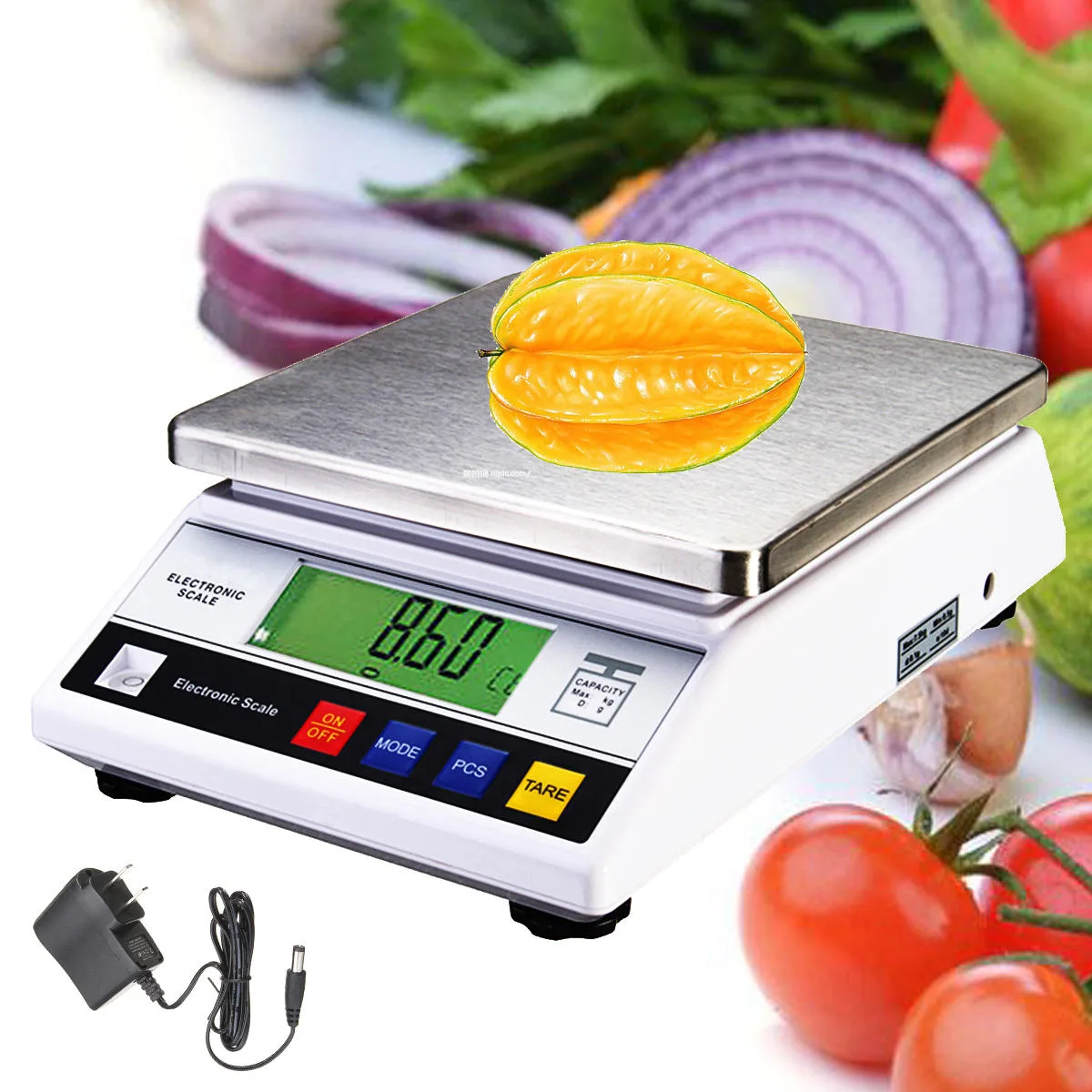
Image source: Web (Bing) / banggood.com (Web image (fair-use with source credit))
Using proper serving vessels also supports consistent portions. Choosing bowls designed for steady eating prevents messy spills that ruin your careful gram measurements.
Dry, Wet, or Freeze-Dried: Adjusting the Math for Different Foods
Everything we covered so far applies strictly to standard dry kibble. Changing the moisture content or processing method breaks the entire conversion model. You have to reset your expectations completely for alternative formats.
Wet canned food contains roughly 75 percent water by weight. One pound of wet food provides vastly fewer usable calories than one pound of dry kibble. Never use a dry food measuring chart for canned recipes.
You will severely underfeed your dog if you try.
Freeze dried raw diets represent the opposite extreme. Removing all moisture creates incredibly lightweight, porous pieces. A single pound of unrehydrated freeze dried food can occupy eight to ten cups of space.
The volume looks massive but the physical weight remains minimal.
Fresh refrigerated meals fall somewhere in the middle. They hold more moisture than kibble but less water than canned options. Their density shifts based on the vegetable and meat ratios used in the batch.
Always defer to the specific brand’s packaging instructions for fresh deliveries.
Mixing formats requires separate calculations for each component. If you top dry kibble with wet food, measure them independently. Combining them into one cup ruins the math for both ingredients.
Understanding whether canned or dry options suit your dog better helps prevent these blending mistakes.
Proper storage becomes critical once you open these varied formats. Knowing how to seal leftover cans prevents spoilage that alters moisture weight over time.
Scooping Mistakes That Quietly Mess Up Your Dog’s Diet
Even with the correct conversion ratio, human error ruins the math fast. We see the same bad habits repeated across thousands of households. Fixing these small behaviors protects your dog’s metabolic health long term.
Tapping the measuring cup against the counter is the biggest offender. People do it to level off the top before pouring. But that vibration forces kibble to settle tightly together.
You just added twenty percent more food without realizing it.
Using random kitchen mugs instead of standard baking cups causes similar chaos. A true US measuring cup holds exactly eight fluid ounces of volume. Your favorite oversized coffee mug probably holds twelve or fourteen ounces.
That extra space compounds into massive caloric surpluses over weeks.
Switching brands without recalculating destroys your previous baseline. Brand A might yield four cups per pound while Brand B yields three point two. If you keep scooping the same number of cups after switching, your dog’s intake changed drastically.
Sudden shifts in nutrient density frequently trigger stomach upset.
Pouring food directly from the bag into the bowl relies purely on eyesight. Visual estimation fails every single time due to lighting and angle differences. Grab a dedicated set of cheap plastic measuring cups.
Keep them permanently inside the food bin to remove all guesswork.
Frequently Asked Questions
How many cups are in a 30 lb bag of dog food?
A 30 lb bag usually holds between 105 and 120 cups. Standard adult kibble yields about 3.75 cups per pound. Multiply that by thirty to get your total.
Large breed formulas might push closer to 150 cups due to air gaps.
Does shaking the measuring cup change the weight?
Yes, tapping or shaking packs the kibble down tightly. You trap less air between the pieces. This adds up to twenty percent more food by weight into the same cup.
Always scoop naturally without vibrating the plastic.
Can I use a liquid measuring cup for dry kibble?
You can, but it makes leveling the top incredibly awkward. Dry baking cups let you sweep off excess easily with a straight edge. Liquid pitchers have pour spouts that ruin flat measurements.
Stick to standard nested dry cups for accuracy.
Why does my new bag look emptier than the last one?
Different brands extrude kibble at varying densities. A high protein working formula weighs much more per cup than a diet blend. If the new food is denser, thirty pounds takes up less physical space.
The weight matches perfectly even if the volume shrinks.
Do I need a kitchen scale for everyday feeding?
Healthy adult dogs eating standard maintenance diets do fine with volume scoops. Just pick one consistent brand and stick to their printed chart. Scales become mandatory for obese pets or strict veterinary prescriptions.
Gram level precision prevents dangerous caloric drift over time.