Why Cats Can’t Eat Dog Food and What to Feed Them Instead
Understanding why cats can’t eat dog food starts with basic biology. Felines are obligate carnivores that require specific nutrients dogs produce naturally. Feeding canine formulas to cats creates dangerous nutritional gaps over time.
Per AAFCO nutrient profiles as of 2026, cat food must contain taurine and arachidonic acid while dog food does not. These missing compounds cause irreversible organ damage when feline diets rely on canine products. Let us examine the biological reasons behind this strict dietary separation.

Image source: Web (Bing) / munch.zone (Web image (fair-use with source credit))
Quick Answer
Cats cannot eat dog food because it lacks essential nutrients. Felines require taurine which dogs synthesize internally. Dog food contains insufficient protein for obligate carnivores.
Missing arachidonic acid causes severe health failures. Chronic feeding leads to blindness and heart disease.
Why Dog Food Is Biologically Incomplete for Cats
Dog food fails to meet feline needs because dogs and cats evolved different metabolic pathways. Canines are facultative carnivores that adapted to omnivorous diets over thousands of years. Their bodies synthesize several nutrients that cats must obtain directly from animal tissue.
This fundamental biological divergence makes cross-species feeding unsafe.
Cats lost the ability to produce certain compounds during evolution. They lack sufficient delta-6-desaturase enzyme activity needed to convert plant-based fatty acids. Dogs handle this conversion easily using linoleic acid from vegetable sources.
Felines require preformed arachidonic acid found only in animal fats. Without it, they develop skin disorders and reproductive issues.
Protein requirements also differ significantly between species. Adult cats need a minimum of 26% crude protein on a dry matter basis per AAFCO standards. Dogs require only 18% for maintenance.
This gap exists because cats use protein for energy metabolism rather than just tissue repair. Their livers maintain high glucokinase activity that demands constant amino acid supply.
Carbohydrate tolerance presents another metabolic mismatch. Cats have limited salivary amylase and lower pancreatic enzyme output for starch digestion. Dogs adapted to process grains and tubers alongside meat.
High-carbohydrate dog foods overwhelm feline digestive capacity. This leads to poor nutrient absorption even when caloric intake appears adequate.
Vitamin metabolism reveals further incompatibility. Dogs convert beta-carotene into active vitamin A efficiently. Cats cannot perform this conversion at all.
They need retinol from liver or fish oils. Niacin synthesis from tryptophan works well in canines but fails in felines. Each missing pathway compounds the nutritional deficit created by feeding dog food.
The Four Missing Nutrients That Cause Irreversible Damage
Taurine deficiency represents the most critical risk when cats consume dog food. This amino sulfonic acid supports cardiac muscle function and retinal health. Dogs synthesize taurine from cysteine and methionine internally.
Cats lost this biosynthetic pathway entirely. Prolonged deficiency causes dilated cardiomyopathy and central retinal degeneration. Both conditions become permanent if not caught early.
Arachidonic acid serves as an essential omega-6 fatty acid for felines. It regulates inflammation, blood clotting, and skin barrier integrity. Canine diets rarely include this compound since dogs produce it from linoleic acid.
Cats eating dog food develop scaly skin, poor wound healing, and excessive shedding. Breeding females experience reproductive failure without adequate levels.
Preformed vitamin A is non-negotiable for obligate carnivores. Retinol supports vision, immune function, and epithelial cell maintenance. Dog foods often rely on beta-carotene precursors from carrots or sweet potatoes.
Feline intestines lack the cleavage enzyme needed to activate these provitamins. Night blindness and respiratory infections signal advanced deficiency states.
Niacin rounds out the quartet of essential missing nutrients. Vitamin B3 participates in over fifty enzymatic reactions involving energy metabolism. Dogs convert tryptophan to niacin through the kynurenine pathway.
Cats have high picolinic carboxylase activity that shunts tryptophan toward other metabolites instead. Dietary niacin must come from meat sources. Deficiency manifests as dermatitis, diarrhea, and neurological decline.
| Nutrient | Cat Requirement | Dog Synthesis Ability | Deficiency Outcome |
|---|---|---|---|
| Taurine | 0.1% DM minimum | Endogenous production | Heart failure, blindness |
| Arachidonic Acid | 0.02% DM minimum | Converted from linoleic | Skin disorders, infertility |
| Vitamin A | 3,332 IU/kg minimum | Beta-carotene conversion | Vision loss, immune suppression |
| Niacin | 60 mg/kg minimum | Tryptophan conversion | Dermatitis, neurologic signs |
These four nutrients define the biological boundary between safe and dangerous feeding practices. No amount of supplementation reliably corrects chronic deficits from dog food. The safest approach remains species-appropriate formulation verified through feeding trials.
Our research confirms that even premium canine diets fail feline nutritional adequacy testing consistently.
Short-Term Safety vs. Long-Term Health Risks
Occasional accidental ingestion of dog food poses minimal immediate danger to healthy adult cats. A single bowl will not trigger acute toxicity or organ failure. Most felines tolerate small amounts without gastrointestinal distress.
You should still monitor for vomiting or diarrhea after any dietary indiscretion. Emergency situations may warrant temporary canine ration use under veterinary guidance.
Chronic feeding creates cumulative damage that manifests silently over months or years. Taurine depletion takes eight to twelve weeks before clinical signs appear. By then, cardiac remodeling may already be underway.
Retinal changes progress even faster in growing kittens. Owners often mistake early symptoms for normal aging or minor illness until irreversible damage occurs.
Kittens face exponentially higher risks than adults due to rapid growth demands. Developing organs require precise nutrient ratios that dog food cannot provide. Stunted skeletal growth and cognitive delays emerge within weeks of inadequate nutrition.
Reproductive tissues in young females suffer permanent impairment. Never substitute canine formulas during weaning or juvenile development stages.
Senior cats with compromised organ function have reduced physiological reserve. Preexisting kidney or liver disease accelerates nutrient deficiency timelines. Medications may interfere with absorption of already scarce compounds.
What appears harmless for a week could tip a geriatric cat into crisis. Always consult your veterinarian before making any dietary compromises for aging pets.
The distinction between emergency use and habitual feeding matters enormously. One meal buys time during supply disruptions or natural disasters. Regular substitution gambles with preventable suffering.
Understanding what makes senior dog food different helps clarify why age-specific formulations exist across species. Age-related vulnerabilities compound nutritional mismatches dangerously.
Reading Labels: How to Spot Feline-Specific Nutrition
AAFCO nutritional adequacy statements serve as your primary verification tool. Look for language specifying “complete and balanced for adult cat maintenance” or similar phrasing. Statements referencing “all life stages” must meet feline growth requirements too.
Products lacking this declaration are treats or supplements only. Never assume marketing claims equal regulatory compliance.
Guaranteed analysis panels reveal minimum protein and fat percentages. Compare these against established feline benchmarks rather than canine ones. Adult cat maintenance requires 26% protein and 9% fat on a dry matter basis.
Many dog foods fall below both thresholds. Remember that moisture content affects reported values significantly. Convert wet-basis numbers to dry matter for accurate comparison.
Ingredient lists indicate protein source quality and bioavailability. Named animal proteins should occupy the first three positions. Plant-based proteins like corn gluten meal lack complete amino acid profiles for cats.
Taurine must appear explicitly in the ingredient list or guaranteed analysis. Its absence signals potential formulation inadequacy regardless of protein percentage.
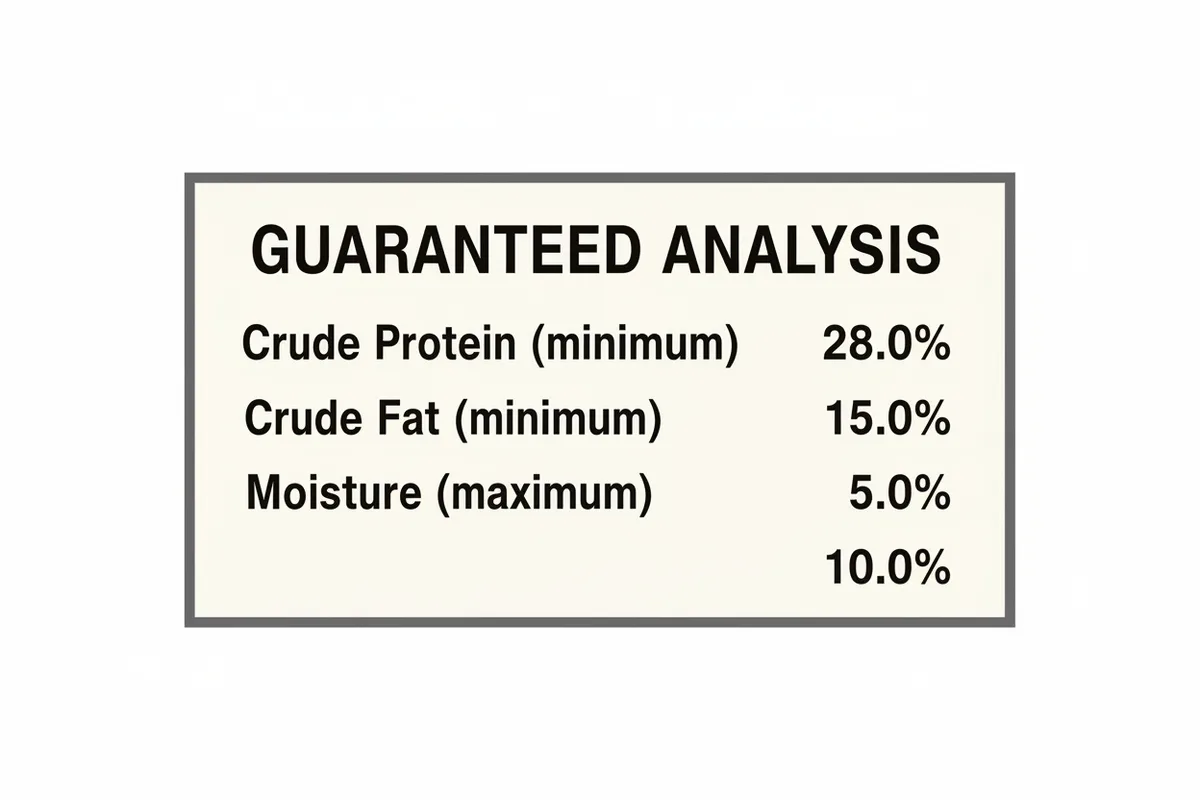
Image source: Web (Bing) / rawpawspetfood.com (Web image (fair-use with source credit))
Feeding trial documentation provides stronger evidence than formulation alone. Labels stating “animal feeding tests using AAFCO procedures” confirm actual nutritional adequacy. Formulated-only products meet nutrient profiles theoretically but lack biological validation.
Trials catch bioavailability issues that laboratory analysis misses. Prefer tested products when possible, especially for long-term feeding.
Label literacy extends beyond basic nutrient identification. Understanding whether dry or wet options work better for hydration informs feline choices too. Cats have low thirst drive and benefit from moisture-rich diets.
Dry kibble convenience must balance against urinary health considerations. Proper label interpretation prevents costly mistakes before purchase.
Emergency Feeding and Safe Transition Protocols
Emergency situations sometimes necessitate temporary canine ration use. Limit dog food to seventy-two hours maximum under normal circumstances. Supplement with cooked eggs or plain chicken to boost protein intake.
Add taurine powder if available from pet supply retailers. Monitor closely for lethargy, appetite changes, or behavioral shifts throughout the period.
Transitioning back to appropriate feline nutrition requires gradual reintroduction. Mix increasing proportions of cat food over seven to ten days. Sudden switches risk gastrointestinal upset and food aversion.
Start with twenty-five percent feline formula mixed into the temporary diet. Increase by twenty-five percent every two to three days. Patience prevents setbacks that extend the transition timeline unnecessarily.
Veterinary consultation becomes mandatory if emergency feeding exceeds three days. Blood work can establish baseline nutrient status before damage accumulates. Your veterinarian may recommend therapeutic diets to correct emerging deficiencies.
Supplementation protocols require professional dosing based on body weight and condition. Self-treating suspected deficiencies risks overdose or inappropriate ratios.
Prevention beats emergency management every time. Maintain backup supplies of shelf-stable cat food for disasters. Rotate stock regularly to ensure freshness during actual emergencies.
Store provisions properly following guidelines similar to those for storing wet dog food safely. Proper storage preserves nutrient integrity until needed. Planning eliminates panic-driven dietary compromises.
Multi-pet households require physical feeding separation strategies. Elevated stations exploit feline climbing instincts while restricting canine access. Timed feeders dispense species-appropriate portions automatically.
Supervised mealtimes prevent opportunistic grazing from shared bowls. Consistent routines reduce stress-induced dietary indiscretion. Environmental management proves more reliable than behavioral training alone for preventing cross-contamination.
Frequently Asked Questions About Cats Eating Dog Food
Can one meal of dog food hurt my cat?
A single accidental meal rarely causes harm to healthy adult cats. Monitor for vomiting or diarrhea over the next twenty-four hours. Resume normal feline diet immediately without transition protocols.
Chronic feeding creates cumulative damage that single exposures do not trigger. Contact your veterinarian only if clinical signs persist beyond a day.
Why does my cat prefer dog food over cat food?
Dog food often contains higher fat content and stronger palatability enhancers. Felines are attracted to intense aromas regardless of nutritional adequacy. Preference indicates flavor appeal rather than dietary suitability.
Prevent access through physical separation and supervised feeding times. Never interpret enthusiasm as evidence of nutritional appropriateness.
Is puppy food safer for cats than adult dog food?
Puppy food contains higher protein and fat levels that appear closer to feline needs. It still lacks taurine, arachidonic acid, and preformed vitamin A. Growth formulations address canine developmental requirements specifically.
Nutritional gaps remain equally dangerous for obligate carnivores. Species matters far more than life stage designation.
How quickly do deficiency symptoms appear?
Taurine deficiency typically manifests after eight to twelve weeks of exclusive dog food feeding. Retinal degeneration may develop faster in growing kittens. Clinical signs include lethargy, vision changes, and exercise intolerance.
Early intervention can reverse some cardiac effects but not retinal damage. Blood testing establishes baseline status before visible symptoms emerge.
Can I supplement dog food to make it safe for cats?
Reliable supplementation requires precise nutrient ratios that home mixing cannot guarantee. Taurine stability varies with processing and storage conditions. Excess vitamin A causes toxicity while insufficient amounts cause deficiency.
Commercial feline diets undergo feeding trials to verify bioavailability. Professional formulation by board-certified veterinary nutritionists remains the only safe customization approach.