Who Owns Zignature Dog Food? Everything About
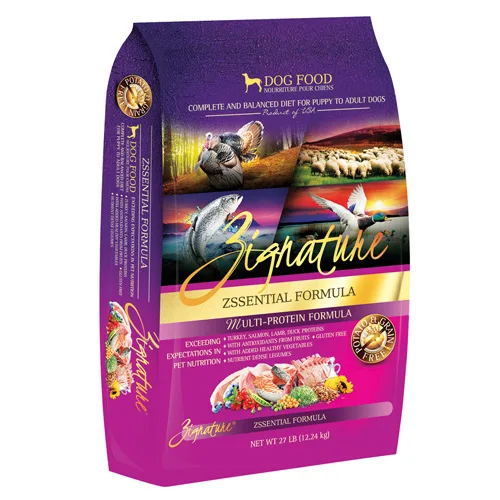
If you’re asking who owns zignature dog food, you’re likely tracking down a recipe change or checking your dog’s allergy plan. Pets Global, Inc. is the company behind the brand. They operate out of Valencia, California.
Knowing the parent company helps you trace manufacturing shifts that might affect sensitive dogs.
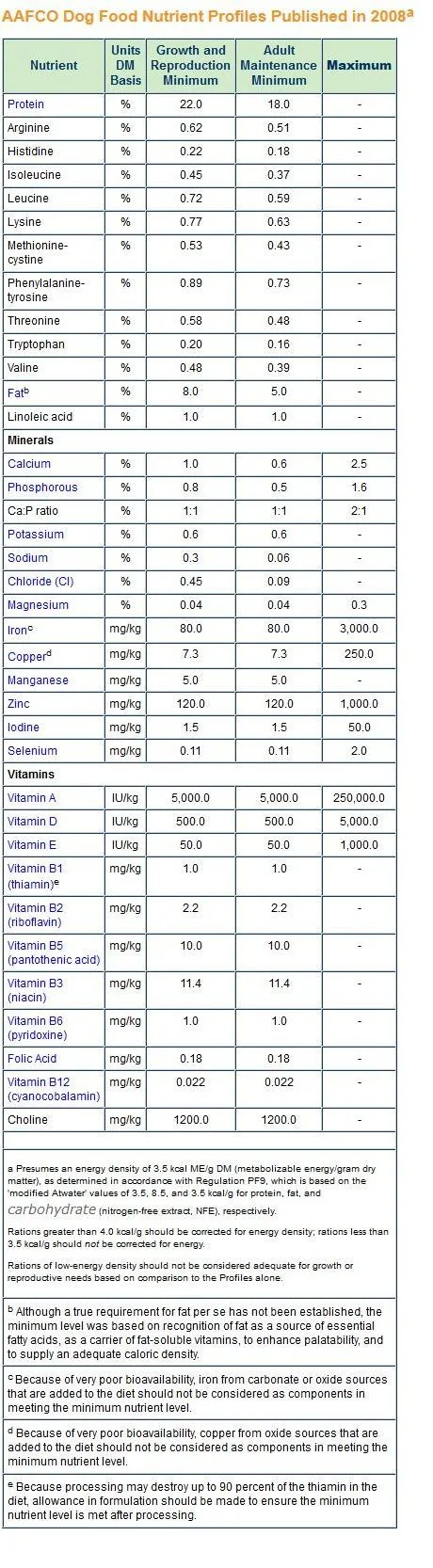
Pets Global formulates every recipe to meet AAFCO nutrient profiles for complete and balanced canine nutrition. As of 2026, they rely on contract facilities rather than owning their own kitchens. This setup means the corporate owner and the actual cook are two different entities.
Let’s break down exactly how that works.
Quick Answer
Pets Global, Inc. owns Zignature dog food. They are based in Valencia, California. The company designs all recipes internally.
Contract manufacturers actually cook the kibble and wet food. This separation is standard in the pet industry.
Who Owns Zignature Dog Food? (The Quick Answer and Why It Matters)
Pets Global, Inc. owns and operates the Zignature brand entirely. They founded the company to build specialized diets for dogs with severe food sensitivities. Unlike massive conglomerates, Pets Global focuses almost exclusively on this single label.
That tight focus gives them strict control over formulation standards.
Why does ownership matter so much here? Because boutique brands frequently get bought out by larger corporations. When buyouts happen, recipes often change quietly to cut costs.
Pets Global has remained independent. Our research shows they haven’t sold out to a major parent company.
This independence means the original nutritional philosophy stays intact. If your dog relies on a specific novel protein like kangaroo or goat, consistency is everything. A sudden shift in ownership could alter sourcing without warning.
Keeping tabs on the parent company protects your dog’s health.
Independent ownership also affects customer service responsiveness. You can contact Pets Global directly to ask about ingredient sourcing. They handle these inquiries themselves instead of routing you through a massive corporate call center.
For owners managing chronic allergies, that direct line is invaluable.
We’ve seen many owners struggle after a quiet corporate acquisition changes a trusted formula. Staying informed about who holds the trademark prevents those surprises. If you ever wonder about where other specialty brands cook their meals, checking the parent company is always step one.
Ownership dictates quality control.
Pets Global, Inc. vs. The Co-Packers: Who Actually Makes Your Dog’s Food?
Pets Global designs the recipes, but third-party co-packers physically manufacture the food. A co-packer is a commercial facility that cooks products for multiple different brands. This is standard practice for premium pet food companies.
Building a private factory costs tens of millions of dollars.
For years, Tuffy’s Pet Foods handled most of Zignature’s dry kibble production. Tuffy’s operates under KLN Family Brands out of Perham, Minnesota. Performance Pet in Mitchell, South Dakota managed the canned wet food lines.
These facilities are FDA-registered and follow strict safety protocols.

Image source: Bing (Web (fair-use with source credit))
Recently, manufacturing partnerships have shifted. Pets Global moved some production to other unnamed facilities. If your dog suddenly reacts to a familiar bag, a plant change might be the culprit.
Different plants sometimes use slightly different regional suppliers for base ingredients.
Here is how the division of labor typically breaks down:
| Responsibility | Entity |
|---|---|
| Recipe Formulation | Pets Global, Inc. |
| Brand Ownership | Pets Global, Inc. |
| Dry Kibble Manufacturing | Contract Co-Packers (historically Tuffy’s/KLN) |
| Wet Food Canning | Contract Co-Packers (historically Performance Pet) |
| Quality Assurance Standards | Pets Global, Inc. guidelines |
Always check the lot code printed on the back of every bag. That code tells you exactly when and where that specific batch was cooked. If you notice a new lot number format, call Pets Global.
Ask them to verify the manufacturing location.
This split between owner and maker trips up a lot of well-meaning pet parents. Assuming the headquarters handles the cooking leads to false security. Understanding this supply chain helps you troubleshoot unexpected allergic flare-ups.
It also explains why identical recipes occasionally vary in color or texture.
Knowing who runs the ovens matters just as much as knowing who writes the recipe. If you track where popular fresh options get produced, you’ll notice this same co-packing model everywhere. Boutique brands rarely own their own extruders.
Formulation Philosophy: What’s Inside a Bag of Zignature?
Zignature uses what Pets Global calls “physiologically tuned” nutrition. In plain terms, they strip out common allergens and fillers. They replace them with highly digestible, unusual proteins.
The goal is mimicking a natural diet while avoiding modern agricultural staples.
Chicken is completely absent from every single formula. We don’t just mean chicken meat. There is no chicken fat, chicken broth, or chicken cartilage.
Chicken remains the top trigger for canine food allergies, so removing it entirely simplifies elimination diets.
Potatoes are another ingredient Zignature intentionally avoids. Many grain-free brands use potatoes as cheap starch binders. Potatoes have a high glycemic index, meaning they spike blood sugar rapidly.
Zignature opts for lower-glycemic alternatives to keep energy levels stable.
You won’t find corn, wheat, or soy in their ingredient lists either. Instead, they lean heavily on novel proteins. Kangaroo, goat, venison, duck, and whitefish anchor their lineup.
These meats rarely appear in standard commercial foods, making them ideal for reactive dogs.
Carbohydrate sources usually include chickpeas or peas. These provide necessary fiber and structure for kibble extrusion. However, legume ratios require careful balancing to meet safety standards.
Pets Global adjusts these ratios based on ongoing veterinary cardiology research.
Every formula aims for limited ingredients to reduce exposure risks. Fewer components mean fewer potential triggers for a sensitive stomach. If you need help managing poultry sensitivities at home, limited-ingredient diets are the standard starting point.
Simplicity wins here.
They also avoid artificial preservatives like BHA and BHT. Natural mixed tocopherols keep the fats fresh instead. This aligns with the expectations of owners buying premium-tier food.
Clean labels matter when your dog’s immune system is already compromised.
The FDA DCM Investigation and Grain-Free Safety Concerns
You cannot discuss Zignature without addressing the FDA investigation into canine dilated cardiomyopathy. Dilated cardiomyopathy (DCM) is a serious heart condition where the heart muscle thins out. In 2018, the FDA began reviewing reports linking DCM to certain grain-free diets.
Zignature appeared on the FDA’s public list of frequently named brands. Being on this list did not mean the food caused heart disease. It meant veterinarians reported cases involving dogs eating this brand.
Correlation is not causation, but the signal required immediate attention.
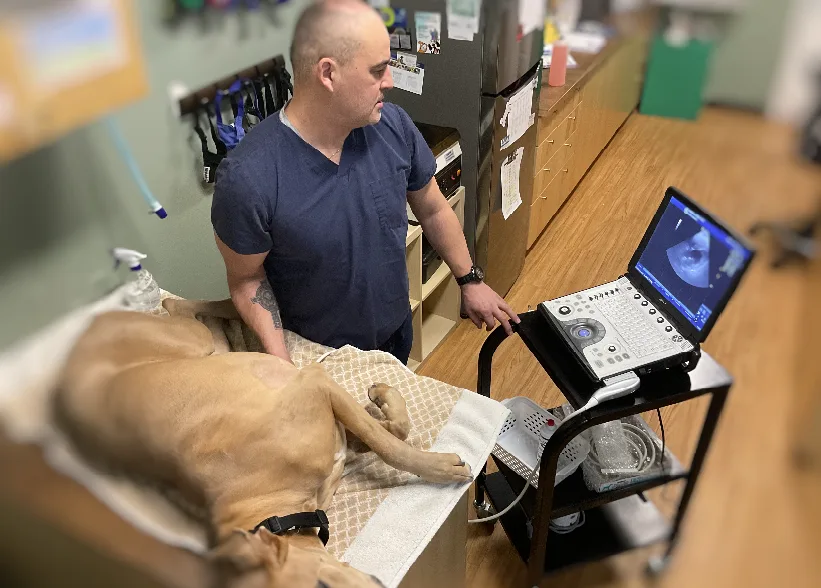
Image source: Bing (Web (fair-use with source credit))
The primary concern centered around high concentrations of peas, lentils, and chickpeas. Researchers suspect these legumes might interfere with taurine absorption. Taurine is an amino acid critical for normal cardiac function in dogs.
Deficiencies can lead directly to heart enlargement.
Pets Global responded proactively to these warnings. They worked alongside veterinary nutritionists to review their amino acid profiles. Taurine supplementation was adjusted across multiple formulas.
They didn’t wait for a mandate before making changes to protect pets.
The FDA continues to update its findings on their official website. You can review the latest investigation reports directly on the FDA portal to stay current. Science evolves, and responsible brands evolve with it.
If your dog eats a grain-free diet, monitor their energy levels closely. Watch for heavy panting, coughing, or sudden lethargy. Ask your veterinarian about scheduling a baseline echocardiogram.
Early detection makes DCM highly treatable in many cases.
Don’t panic if you’re currently feeding Zignature. The brand made significant adjustments following the initial reports. Just stay vigilant and keep open communication with your vet.
Feeding exotic proteins safely requires a partnership between you and your clinic.
How to Trace Your Zignature Bag and Transition Safely
Tracing your dog’s food starts with the lot code printed on the packaging. This string of numbers and letters identifies the exact manufacturing run. It tells you the date, the shift, and the specific facility.
Never throw away the bag until your dog finishes it.
If you notice a change in kibble color or smell, grab that code immediately. Call Pets Global customer service and read it to them. They can confirm whether your batch came from a new co-packer.
This step takes five minutes and prevents weeks of guessing.
Transitioning between batches requires patience, even if the recipe name hasn’t changed. Manufacturing shifts can alter ingredient sourcing slightly. Mix 25% of the new bag with 75% of the old bag for three days.
Then move to a 50/50 split for another three days.
Watch your dog’s stool quality during this transition period. Loose stools or increased gas means you’re moving too fast. Slow the ratio shift down to give their gut microbiome time to adapt.
Rushing a transition is the most common mistake owners make.
Accurate portion sizes matter just as much as the transition speed. Premium foods are often denser than grocery store brands. Overfeeding leads to rapid weight gain, which stresses joints and organs.
Always measure using a standard cup or kitchen scale.
If you aren’t sure about volume conversions, double-check how kibble density affects measuring. A cup of Zignature doesn’t weigh the same as a cup of cheaper filler-heavy food. Precision keeps your dog lean and healthy.
Finally, rotate your proteins periodically if your dog tolerates it. Sticking to one novel protein forever can sometimes create a new sensitivity. Switching from duck to trout every few months broadens their nutrient intake.
Just remember to use that slow transition method every single time.
Zignature FAQs: Recalls, Allergies, and Alternatives
Has Zignature ever been recalled?
Zignature has maintained a remarkably clean safety record. As of 2026, Pets Global has not issued any major voluntary recalls for this brand. Aggregate buyer feedback consistently highlights this reliability as a primary reason owners stick with the label.
Always check current FDA databases before buying any new bag.
Is Zignature good for dogs with severe allergies?
This brand is specifically engineered for dogs dealing with chronic food sensitivities. By eliminating chicken, potatoes, corn, wheat, and soy, they remove the most common dietary triggers. Veterinary dermatologists frequently recommend limited ingredient diets like this for elimination trials.
If your dog scratches constantly, removing these allergens is step one.
What should I feed if my dog outgrows puppy formulas?
Puppies eventually need adult nutrition to support their changing bodies. Knowing exactly when to transition your growing dog prevents nutrient imbalances during critical growth phases. Zignature offers all life stages recipes that simplify this shift.
Just follow the slow mixing method we covered earlier.
How does Zignature compare to prescription diets?
Prescription hydrolyzed diets break proteins down into tiny fragments your immune system ignores. Zignature uses whole novel proteins instead of hydrolyzed ones. For mild to moderate sensitivities, novel proteins usually work perfectly.
Severe cases might still require a veterinary prescription diet from your clinic.
Where can I actually buy Zignature?
You won’t find this brand at big box grocery stores or standard supermarkets. Pets Global distributes primarily through independent pet specialty retailers. Some authorized online shops carry it, but inventory fluctuates based on manufacturing runs.
Call your local boutique shop to confirm they stock your specific protein flavor.
How much should I feed my dog daily?
Feeding amounts depend entirely on your dog’s current weight and activity level. Premium dense foods require smaller volumes than cheap filler brands. We always suggest checking reliable guides on daily portions based on body weight before guessing.
Overfeeding high protein kibble leads to rapid unhealthy weight gain.