What Is Beef Meal in Dog Food and Is It Safe for Dogs?
If you are wondering what beef meal in dog food is, you are not alone. Most pet owners see the word “meal” on a kibble bag and immediately assume it means low quality scraps. That reaction makes sense.
Pet food marketing has spent years pushing the idea that fresh meat is always better.
But the Association of American Feed Control Officials defines beef meal as rendered cattle tissue with the water and fat removed. Per AAFCO nutrient profiles, this process leaves behind roughly 65% crude protein. That is far denser than raw beef.
Let us look at why this matters for your dog’s bowl.
Quick Answer
Beef meal is dried, ground cattle tissue. Rendering removes almost all the moisture. It contains about 65% crude protein.
AAFCO strictly regulates its definition. It provides dense nutrition for dogs.
Why the Term “Beef Meal” Causes So Much Confusion
The confusion starts with the word itself. In human cooking, “meal” usually means cornmeal or oatmeal. In pet food manufacturing, it means something entirely different.
When people ask what beef meal in dog food is, they are usually worried about hidden fillers.
Our research shows that many brands lean heavily into “whole fresh meat” marketing. They put pictures of raw steaks on the front of the bag. This trains buyers to view any processed ingredient with suspicion.
Aggregate user reviews consistently highlight this fear. Buyers frequently leave negative feedback simply because they saw the word “meal” on the label. They do not always check the guaranteed analysis or the actual protein density.
The reality is much less dramatic. Beef meal is just beef that has been cooked down to remove water. Think of it like making beef jerky and then grinding it into a fine powder.
It is concentrated food, not mystery waste.
Pet food companies know this causes panic. As of 2026, we still see brands hiding behind vague terms to avoid scaring shoppers. Understanding how regulators define these ingredients helps you ignore the marketing noise.
If you want to understand how processing changes nutrition, looking at formulating homemade poultry meals shows similar moisture challenges. Removing water always concentrates the final macros.
What Beef Meal Actually Is (According to AAFCO)
Beef meal is the rendered product from mammal tissues, specifically cattle, without added blood, hair, hoof, horn, hide trimmings, manure, stomach, or rumen contents. That exact definition comes straight from the Association of American Feed Control Officials. They set the legal standards for pet food labels across the US.
This definition matters because it draws a hard line. It separates named beef meal from generic “meat meal.” Generic meat meal can come from any mammal. Named beef meal must come from cattle.
The FDA also oversees pet food safety under the Federal Food, Drug, and Cosmetic Act. You can review their guidelines directly on the official FDA veterinary page. Both agencies work together to keep unsafe materials out of commercial feed.
Here is what legally cannot go into beef meal:
- Hair and hooves
- Horns and hide trimmings
- Stomach and rumen contents
- Manure
- Added blood
Manufacturers must follow these rules to print “beef meal” on a label. If they use lower-grade parts, they have to call it something else. Terms like “meat and bone meal” carry different legal definitions and ash limits.
Knowing these boundaries helps you evaluate a formula faster. You stop guessing what is inside the bag. The law already did the heavy lifting for you.
How Rendering Turns Fresh Beef Into Kibble Protein
Rendering is the industrial cooking process used to create beef meal. Raw cattle tissues go into large cookers. High heat melts the fat and evaporates the water.
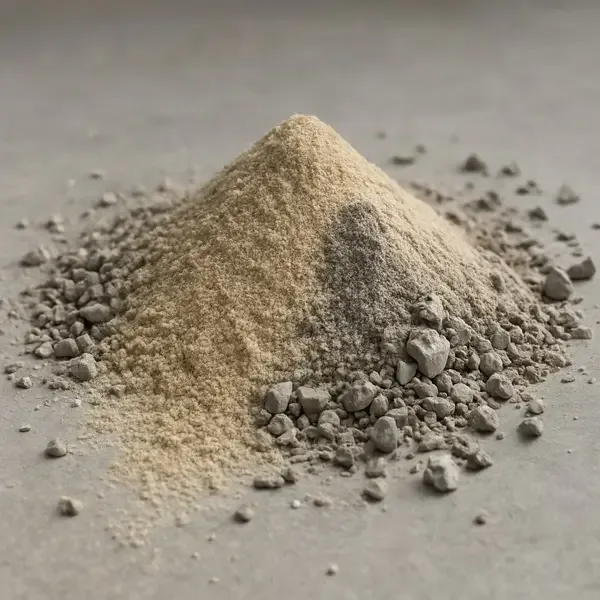
Once the moisture drops to around 10%, the remaining material gets dried completely. Then massive mills grind it into a uniform brown powder. That powder is the beef meal you see listed on kibble bags.
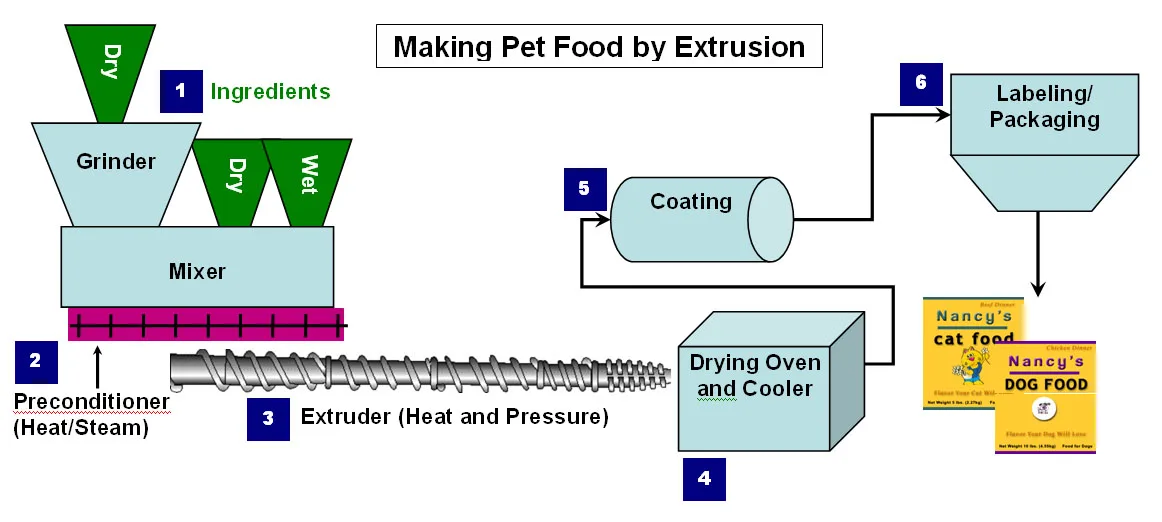
Image source: Bing (Web (fair-use with source credit))
Why go through all this trouble? Fresh beef is about 75% water. If a manufacturer uses only fresh beef in kibble, most of that weight bakes off during extrusion.
The final product loses its protein density fast.
Extrusion requires specific moisture levels to work properly. The dough needs to expand and hold its shape when pushed through the machine. Beef meal provides that dry structural base perfectly.
After the kibble is baked, manufacturers spray vitamins back onto the surface. The high heat of rendering destroys some natural nutrients. This post-processing step ensures the food meets complete nutritional standards.
Handling dry kibble correctly after opening keeps those sprayed nutrients intact. Proper storage prevents fats from oxidizing. Learning how sealed containers prevent spoilage applies broadly to keeping any pet food fresh.
The whole system is designed for efficiency. Rendering turns highly perishable raw tissue into a stable, shelf-safe protein source. It solves a major engineering problem in dry food production.
Beef Meal vs. Fresh Beef: The Moisture and Protein Math
Comparing beef meal to fresh beef requires looking past the ingredient list order. Ingredients on pet food labels are weighed before cooking. This rule creates a massive optical illusion for buyers.
Fresh beef weighs a lot because it holds so much water. A bag might list “deboned beef” as the first ingredient. But once that 75% moisture bakes away, the beef shrinks dramatically in the final kibble.
Beef meal is weighed after the water is gone. Its position on the label reflects its true contribution to the finished food. Let us look at the actual numbers side by side.
| Feature | Fresh Whole Beef | Rendered Beef Meal |
|---|---|---|
| Moisture Content | 70% to 75% | ~10% |
| Crude Protein | 20% to 25% | 65% to 70% |
| Fat Content | Varies widely | Controlled during rendering |
| Role in Kibble | Flavor and marketing appeal | Primary protein anchor |
This table explains why premium kibbles often use both. Fresh beef adds palatability. Dogs love the taste of whole meat fats.
Beef meal does the heavy lifting for the guaranteed analysis.
If your goal is finding diets that maximize muscle-building blocks, understanding which formulas pack the most protein starts with reading these ratios. Dry meals always beat wet meals in pure concentration.
Choosing between dry and moist diets depends on your dog’s specific hydration needs. Some older dogs struggle with hard kibble. Comparing the benefits of different textures helps match the food to the animal.
Neither ingredient is inherently bad. They just serve different mechanical purposes in the mixing vat. Good formulators know exactly how to balance them.
The Real Risks: Allergies, Sourcing, and Protein Stacking
Feeding beef meal carries real risks if you do not pay attention to your dog’s health history. The biggest issue is allergic reactions. Beef is one of the most common food allergens for dogs.
If your dog reacts to fresh steak, they will react to beef meal. Rendering does not destroy the proteins that trigger immune responses. Watch for chronic ear infections, paw licking, or loose stools.
Sudden dietary shifts can easily upset digestion. Knowing why new diets trigger stomach issues helps you transition safely over several days.
Sourcing is the second major risk. Not all rendering plants operate at the same standard. Premium brands use beef from USDA-inspected facilities meant for human consumption.
Budget brands might buy from less regulated suppliers.
Manufacturer specifications indicate that country of origin matters here. Beef sourced from the US, Canada, Australia, or New Zealand generally follows strict agricultural oversight. Always check where the brand gets its raw materials.
Then there is protein stacking. Some cheap foods list three or four different meals near the top of the panel. They do this to artificially inflate the total crude protein number on the guaranteed analysis.
A single named beef meal paired with whole foods is ideal. Multiple unnamed meals suggest a cost-cutting strategy. You end up paying for quantity over biological value.
High ash content is another warning sign. Ash represents leftover minerals like calcium and phosphorus after burning. Too much ash means the renderer included too much bone instead of muscle tissue.
Keep an eye on those mineral ratios.
How to Read a Label and Spot High-Quality Beef Meal
Finding good beef meal on an ingredient panel takes a little practice. You need to look past the marketing claims printed on the front of the bag. The real story always lives on the back.
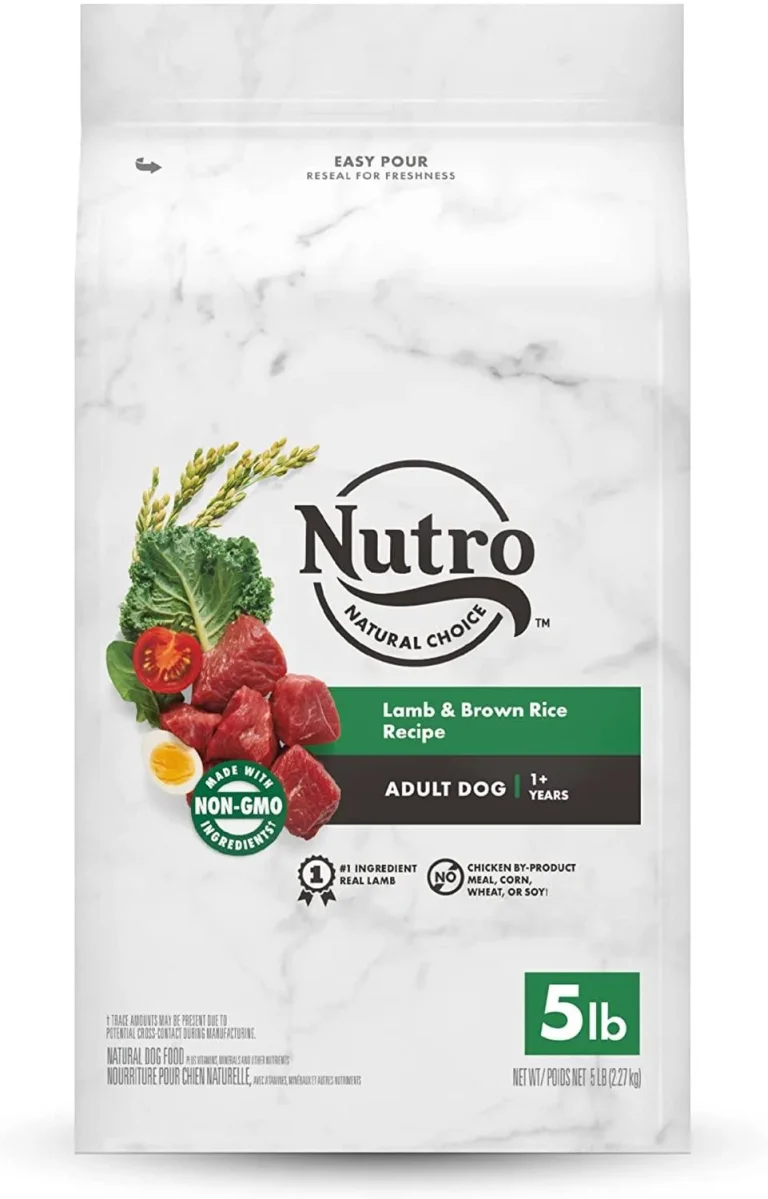
Start by checking the first five ingredients. A named beef meal should sit near the top, ideally in the first three spots. If it is buried below corn, wheat, or soy, the formula relies mostly on plant proteins instead.
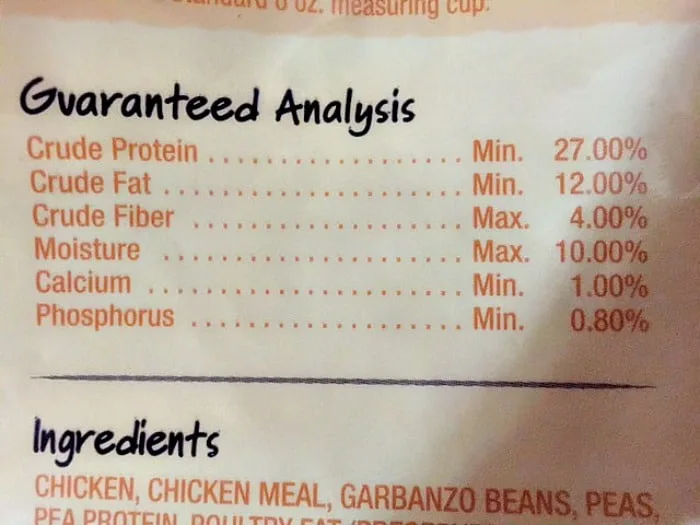
Image source: Web (Bing) / storage.googleapis.com (Web image (fair-use with source credit))
Next, verify the guaranteed analysis. This box tells you the minimum crude protein and maximum moisture percentages. We usually look for kibble formulas hitting at least 25% crude protein for adult dogs.
Manufacturer specs confirm that high-quality beef meal helps brands reach those targets easily. But numbers alone do not tell you where the protein comes from. You have to cross-reference the guaranteed analysis with the actual ingredient list.
Look for supporting whole foods right after the meal. Things like sweet potatoes, peas, or brown rice are great signs. They show the brand built a balanced recipe instead of just stacking cheap fillers.
If your dog struggles with hard kibble textures, finding softer options for older pets might require adjusting these macro ratios. Dry meals behave differently than moist canned diets.
Always check the nutritional adequacy statement at the bottom. It must say the food meets AAFCO nutrient profiles for your dog’s specific life stage. Puppies and adults have very different calcium requirements.
Transparency is your best filter here. Brands that openly share their sourcing facilities earn more trust. If a company hides where its cattle come from, put the bag back on the shelf.
Common Questions About Beef Meal in Dog Food
Is beef meal safe for dogs to eat daily?
Beef meal is completely safe for daily feeding when sourced from reputable manufacturers. It provides highly digestible protein and essential amino acids. Just make sure the overall formula carries an AAFCO nutritional adequacy statement for your dog’s specific life stage.
Does beef meal cause allergies in dogs?
Beef is a common allergen for dogs, and rendering does not remove the triggering proteins. If your dog has a known beef sensitivity, they will react to beef meal exactly like fresh steak. Watch for excessive scratching, ear infections, or chronic digestive upset.
Why do some brands avoid using beef meal?
Some premium brands avoid beef meal purely for marketing reasons. Consumer surveys consistently show shoppers prefer seeing “whole deboned beef” on labels. These companies often use fresh meat alongside alternative dry proteins to satisfy buyer preferences while still meeting extrusion requirements.
What is the difference between beef meal and meat meal?
Beef meal must come exclusively from cattle under strict AAFCO definitions. Generic meat meal can contain tissues from any mammal species, including pigs or sheep. Always choose named sources like beef meal over vague terms to ensure consistent protein quality.
Can puppies eat dog food containing beef meal?
Puppies can eat beef meal as long as the complete formula meets AAFCO growth standards. Growing dogs need precise calcium-to-phosphorus ratios to protect developing joints. Verify the label specifically states the food is formulated for growth or all life stages.